



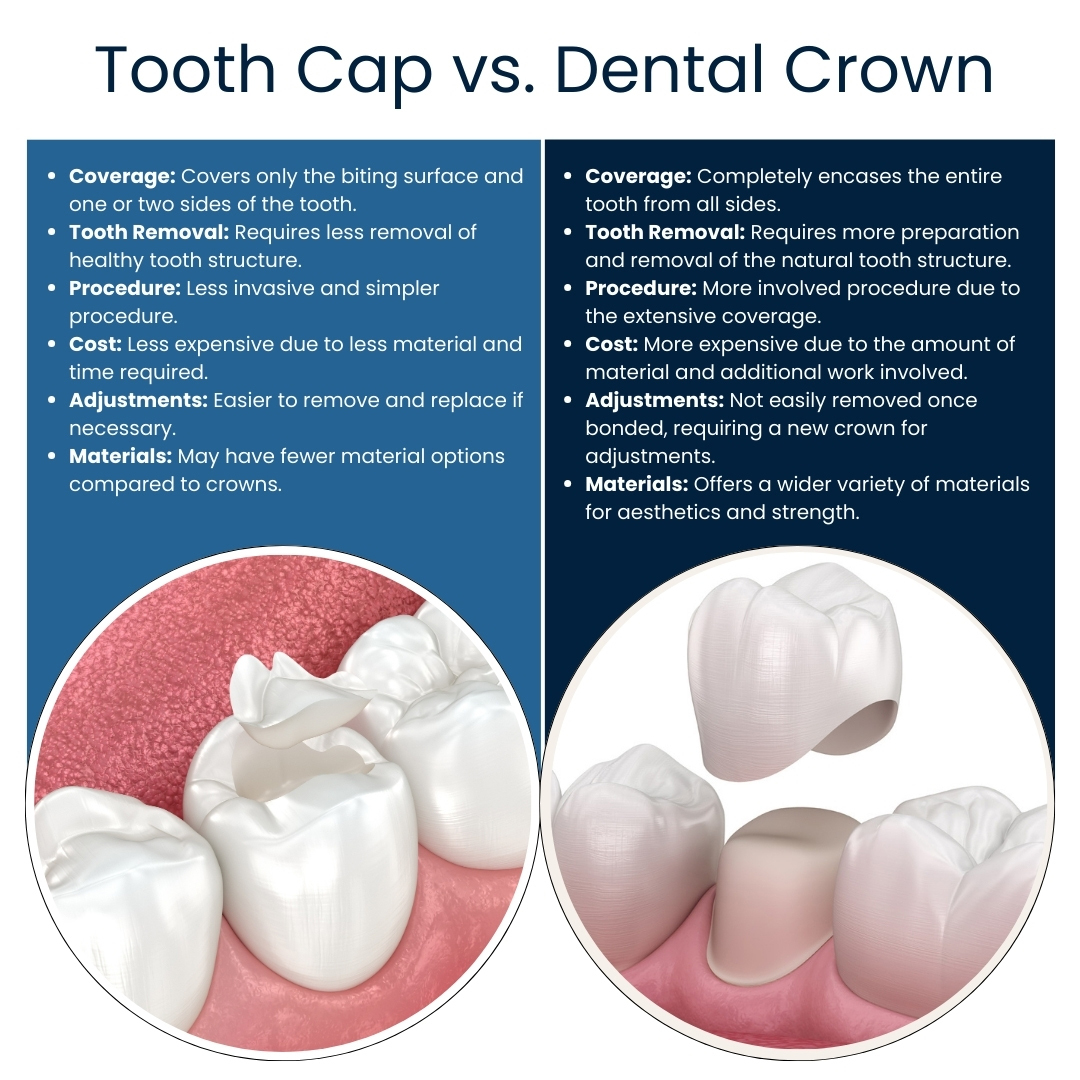

Understanding what is the difference between a crown and a cap on a tooth can be confusing, as the terms are often used interchangeably. However, knowing the nuances of each can help you make informed decisions about your dental care. At Albania Dental Implants, we believe in empowering our patients with knowledge so they can choose the best restoration options for their needs.
Overview of Dental Crowns and Caps
Related Keyword: Dental crowns, Tooth caps
Let’s delve into the world of dental restorations. What exactly is a crown, and what is a cap? Are they different, or simply two names for the same thing? This section clarifies the terminology and provides a basic understanding of these common dental procedures.
Defining a Dental Crown
A dental crown is a custom-made covering that fits over a damaged, decayed, or misshapen tooth. It essentially restores the tooth to its original shape, size, and strength. Think of it as a protective helmet for your tooth.
Defining a Dental Cap
A dental cap, in most contexts, refers to the same thing as a dental crown. It’s a lay term that describes the way a crown “caps” or covers the entire visible portion of the tooth above the gum line.
Are Crowns and Caps the Same?
In modern dentistry, the terms “crown” and “cap” are generally used synonymously. There is no technical difference between the two. Whether your dentist calls it a crown or a cap, the procedure and the result are the same: a fully restored tooth.
Terminology Differences: UK vs. US
While the terms are largely interchangeable, some subtle regional differences exist. In the UK, “crown” is the more commonly used and preferred term by dental professionals. In the US, both “crown” and “cap” are used, although “crown” is gaining prevalence in professional settings.
When is a Crown or Cap Needed?
Related Keyword: Restoration options, Common dental problems
Why might you need a crown or cap? These restorations are versatile and can address various dental issues. Understanding the specific situations where a crown is recommended will help you recognize potential problems and seek timely treatment. Dental tourism in Albania with Albania Dental Implants can be a cost-effective solution if you require extensive dental work.
Tooth Decay or Damage
Extensive tooth decay that cannot be repaired with a filling often necessitates a crown. Similarly, a cracked, fractured, or broken tooth can be restored and protected with a crown.
After Root Canal Treatment
A root canal treatment removes the infected pulp from inside a tooth, leaving it weakened. A crown is almost always recommended after a root canal to strengthen and protect the tooth from further damage.
Cosmetic Dentistry Reasons
Crowns can also be used for cosmetic purposes to improve the appearance of a tooth. This could include correcting a misshapen tooth, covering a severely discolored tooth, or closing gaps between teeth.
When Protection or Strengthening is Required
If a tooth is weak or prone to fracturing, a crown can provide the necessary protection and support to prevent further damage. This is especially important for teeth that have large fillings or have undergone significant wear and tear.
Types of Dental Crowns (Caps)
Related Keyword: Types of dental crowns, Dental materials
Not all crowns are created equal. The material used to fabricate a crown significantly impacts its aesthetics, durability, and cost. Let’s explore the different types of dental crowns available.
Porcelain Crowns
Porcelain crowns are a popular choice due to their natural appearance. They can be perfectly matched to the color of your existing teeth, making them virtually indistinguishable. They are ideal for front teeth where aesthetics are a primary concern.
Metal Crowns
Metal crowns, typically made from gold alloys or other strong metals, are incredibly durable and resistant to chipping or cracking. However, their metallic color makes them less aesthetically pleasing, so they are usually reserved for back teeth.
Ceramic Crowns
Ceramic crowns offer a good balance of aesthetics and durability. They are stronger than porcelain crowns and can be color-matched to your natural teeth. They are a suitable option for both front and back teeth.
Porcelain-Fused-to-Metal (PFM) Crowns
PFM crowns combine the strength of a metal base with the natural appearance of a porcelain overlay. They are a cost-effective option that provides good aesthetics and durability. However, the metal base can sometimes be visible as a dark line near the gum line.
Dental Crown Procedure
Related Keyword: Procedure for dental crown, Temporary vs permanent crown
What’s involved in getting a dental crown? Understanding the step-by-step process can alleviate anxiety and help you prepare for your appointment. The procedure typically involves two visits to the dentist.
Step-by-Step Process
The dental crown procedure generally involves the following steps:
- Examination and Preparation: The dentist examines the tooth and takes X-rays to assess the extent of the damage.
- Anesthesia: The tooth and surrounding area are numbed with local anesthesia.
- Tooth Preparation: The tooth is reshaped to create space for the crown. This may involve removing some of the tooth structure.
- Impression: An impression of the prepared tooth is taken and sent to a dental laboratory.
- Temporary Crown: A temporary crown is placed to protect the prepared tooth while the permanent crown is being fabricated.
- Permanent Crown Fitting: The permanent crown is fitted, adjusted, and cemented into place.
Preparation and Fitting
The preparation stage is crucial for ensuring a proper fit. The dentist meticulously reshapes the tooth to create a stable base for the crown. During the fitting, the dentist checks the crown’s fit, bite, and aesthetics before permanently cementing it.
Temporary vs. Permanent Options
A temporary crown is typically made of acrylic or plastic and is designed to protect the prepared tooth for a few weeks. A permanent crown is made of a more durable material and is designed to last for many years with proper care. Consider a dental clinic in Albania for affordable and high-quality dental care.
Cost and Longevity: Crown vs Cap
Related Keyword: Cap vs crown cost, Tooth protection methods
How much does a crown or cap cost, and how long will it last? These are important considerations when choosing a dental restoration. This section provides insights into the typical costs in the UK and the factors that influence the lifespan of a crown.
Typical Costs in the UK
The cost of a dental crown in the UK can vary depending on the material used, the complexity of the case, and the location of the dental practice. Generally, you can expect to pay:
- NHS Crown: £282.80 (Band 3 charge)
- Private Crown: £600 – £1200+
NHS vs. Private Cost Considerations
NHS crowns are more affordable but may have limited material options. Private crowns offer a wider range of materials and potentially better aesthetics, but come at a higher cost. Cost of dental implants in Albania are significantly lower than in the UK.
Durability and Lifespan of Crowns/Caps
With proper care, a dental crown can last for 10-15 years, or even longer. Factors that influence longevity include:
- Oral Hygiene: Regular brushing, flossing, and dental check-ups are essential.
- Diet: Avoiding hard or sticky foods can prevent damage to the crown.
- Grinding or Clenching: Teeth grinding or clenching can put excessive stress on the crown, shortening its lifespan.
Crown vs Cap – Are There Any Differences?
Related Keyword: Terminology differences, Cosmetic dentistry
Let’s settle the debate once and for all: is there a real difference between a crown and a cap? This section explores the terminology, potential nuances, and historical context to provide a definitive answer.
Is There a Technical Difference?
Technically speaking, there is no difference between a crown and a cap in modern dentistry. Both terms refer to the same type of dental restoration: a custom-made covering that fits over a damaged tooth.
Are There Different Uses or Materials?
The use and materials are dictated by the specific needs of the tooth being restored, not by whether it’s called a crown or a cap. The choice of material (porcelain, metal, ceramic, etc.) depends on factors like aesthetics, durability requirements, and the tooth’s location in the mouth.
Historical Context of the Terms
The term “cap” is likely a legacy term from older dental practices. Historically, simpler dental restorations might have been referred to as caps, while more complex restorations were called crowns. However, this distinction is no longer relevant in modern dentistry. Today, the term “crown” is the preferred term among dental professionals for accuracy and clarity.
QUESTIONS – FAQs to Answer in Detail
What is the difference between a crown and a cap on a tooth?
As mentioned throughout this article, the terms “crown” and “cap” are essentially interchangeable. In modern dentistry, they both refer to a custom-made covering that restores a damaged tooth to its original shape, size, and strength.
Are crowns and caps made from the same materials?
Yes, crowns and caps (since they are the same thing) are made from the same range of materials. These include porcelain, ceramic, metal (gold alloys), and porcelain-fused-to-metal. The choice of material depends on the specific needs of the tooth, aesthetic considerations, and budget.
When should you choose a crown over a cap?
Since “crown” and “cap” refer to the same restoration, you are not choosing one “over” the other. The decision to get a crown (or cap) is based on the condition of your tooth and the recommendations of your dentist.
How long do crowns and caps last?
A well-maintained dental crown can last for 10-15 years or even longer. Factors influencing longevity include oral hygiene practices, diet, and habits like teeth grinding.
Are crowns and caps covered by NHS dental plans?
Yes, crowns are covered by the NHS, but the specific type of crown available may be limited. NHS crowns are typically made from amalgam, gold or porcelain-bonded-to-metal, but this can vary. The cost falls under Band 3 charges, which is £282.80 (as of 2024). Private dental plans also usually cover crowns, but the extent of coverage will vary depending on your plan.
What are the steps in getting a crown or cap fitted?
The process typically involves two visits:
- Preparation: Examination, X-rays, anesthesia, tooth reshaping, and impression taking. A temporary crown is placed.
- Fitting: The permanent crown is fitted, adjusted, and cemented.
Is there a cost difference between a crown and a cap?
Since the terms are interchangeable, there is no cost difference based on the name. The cost is determined by the material used and the dentist’s fees.
Can crowns/caps look natural on front teeth?
Yes, porcelain and ceramic crowns can be perfectly matched to the color of your natural teeth, making them look very natural on front teeth.
What problems can occur with crowns or caps?
Potential problems include:
- Decay under the crown
- Chipping or cracking
- Loose crown
- Gum irritation
- Sensitivity
How do you care for a tooth with a crown or cap?
Care for a crowned tooth just like you would a natural tooth:
- Brush twice daily
- Floss daily
- Visit your dentist for regular check-ups and cleanings
- Avoid hard or sticky foods
Considering Dental Implants as an Alternative
While crowns and caps are excellent solutions for restoring damaged teeth, dental implants offer a more permanent solution for missing teeth. If a tooth is too severely damaged to be saved with a crown, an implant may be the best option. Implants involve surgically placing a titanium post into the jawbone, which then supports a replacement tooth that looks and functions like a natural tooth. This option helps prevent bone loss and maintains the integrity of your jaw structure.
Why Choose Albania Dental Implants?
At Albania Dental Implants, we are committed to providing high-quality, affordable dental care. Whether you need a crown, a dental implant, or a full mouth reconstruction, our experienced team can help you achieve a healthy, beautiful smile. We offer a range of services, including all on four dental implants, ensuring a comprehensive approach to your dental needs. Our dental tourism packages make it easy to combine your dental treatment with a relaxing vacation in Albania.
Conclusion
Understanding what is the difference between a crown and a cap on a tooth is the first step towards making informed decisions about your dental health. Whether you call it a crown or a cap, this restoration can significantly improve the function and appearance of a damaged tooth. If you’re considering dental treatment, contact Albania Dental Implants today to schedule a consultation and explore your options. Our dedicated team is ready to help you achieve the smile you’ve always dreamed of. Reach out to us and contact Albania Dental Implants today!