



Understanding what is the NHS charge for a crown is essential for anyone considering this common dental procedure. NHS dental charges are structured into different treatment bands, each covering specific types of care, and dental crowns fall under one of these bands within NHS dentistry.
NHS Dental Charges – How They Work
When exploring NHS dental charges, it’s crucial to understand how the banding system operates. The NHS utilizes a banding system to determine the cost of dental treatment, making it relatively affordable for many patients. This system groups different dental procedures into three main bands, each with a set price, simplifying the cost structure for patients.
The Banding System for NHS Dentistry
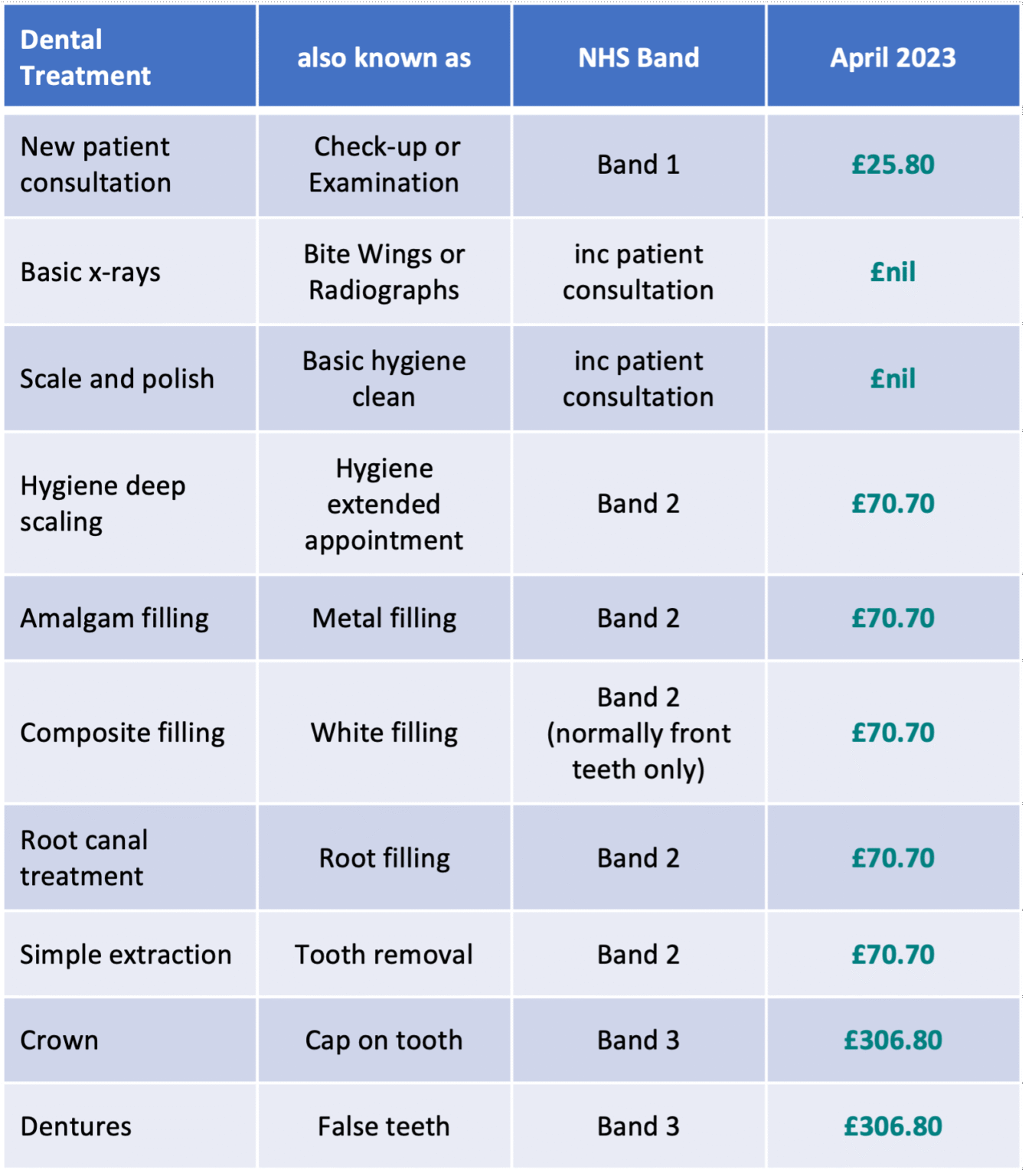
- Band 1 (£26.80): This covers examinations, diagnosis, advice, and preventative care such as scaling and polishing if clinically necessary.
- Band 2 (£73.50): This includes everything covered in Band 1, plus additional treatments like fillings, root canal work, and extractions.
- Band 3 (£319.10): This covers everything listed in Bands 1 and 2, as well as more complex procedures such as crowns, dentures, and bridges.
Crowns and Band 3
Dental crowns are classified under NHS Band 3 treatment, which includes the most complex and costly procedures. Band 3 covers not only the placement of a dental crown but also all necessary examinations, assessments, and any additional treatments included within that band. For instance, if you require a crown, the Band 3 charge encompasses the initial assessment, preparation of the tooth, fitting of the crown, and any necessary follow-up appointments.
It is important to note that these prices are accurate as of 2024 but are subject to change, so always confirm the current charges with your dental provider or on the NHS website.
What Is a Dental Crown and When Is It Needed?
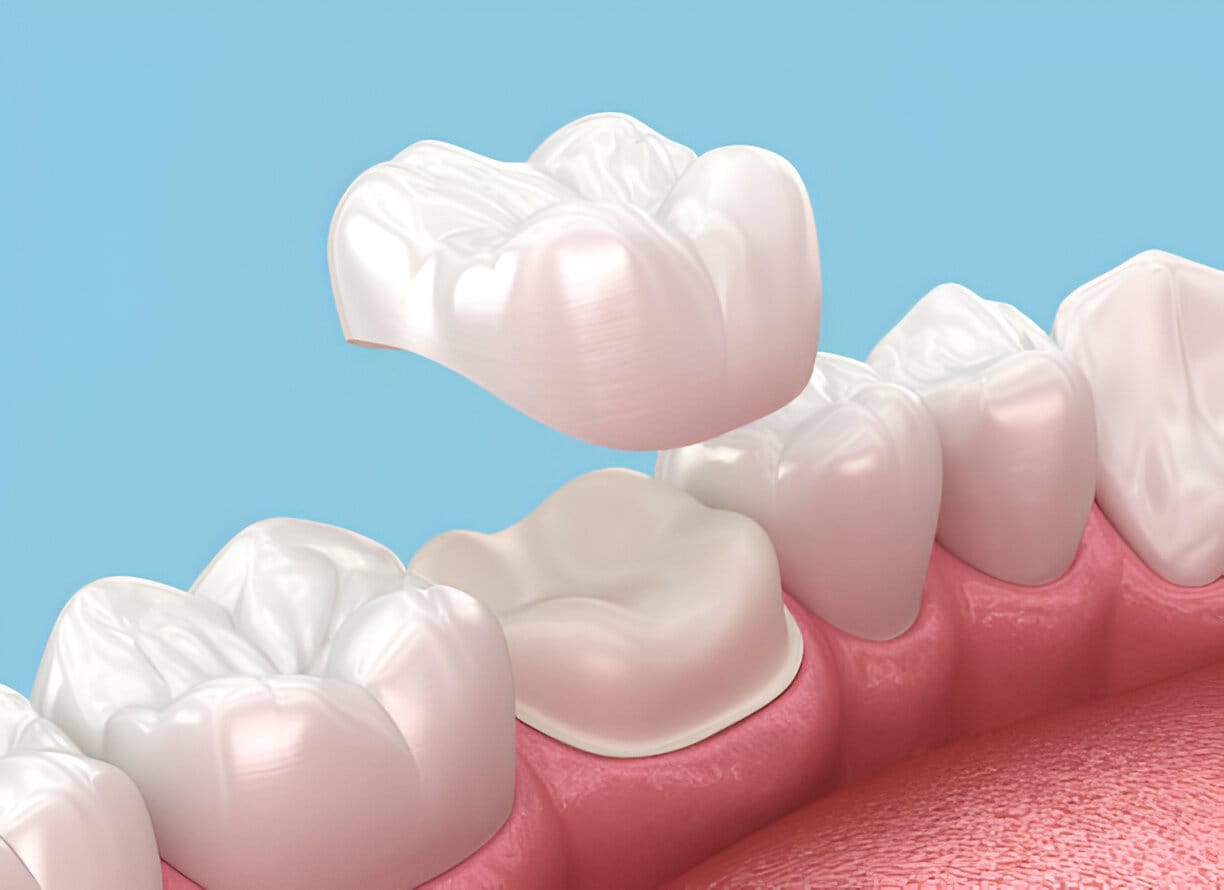
Understanding what a dental crown is, and when it’s needed, is the first step in deciding whether this treatment is right for you. A dental crown is essentially a cap that covers a damaged or weakened tooth to restore its shape, size, strength, and appearance. It’s a common restorative procedure that can prevent further damage and improve the tooth’s function.
What is a Crown?
A crown is a custom-made covering that fits snugly over the prepared tooth. It acts as a protective shell, shielding the underlying tooth structure from further decay or damage. Crowns can be made from various materials, each offering different aesthetic and functional benefits. Common materials include porcelain, ceramic, metal alloys, or a combination of these.
It’s also useful to be aware of what is a crown made from since this can impact durability and aesthetics.
Common Situations Requiring a Crown
There are several situations where a dentist might recommend a dental crown:
- To protect a weak tooth: If a tooth is weakened by decay, a crown can provide the necessary support to prevent it from breaking.
- To restore a broken or worn-down tooth: Crowns can restore the natural shape and function of teeth that have been damaged by trauma or wear.
- To cover a dental implant: A crown is often used as the final restoration for a dental implant, providing a natural-looking replacement for a missing tooth.
- To cover a discolored or poorly shaped tooth: Crowns can improve the appearance of teeth that are severely discolored or misshapen.
- After a root canal: A crown is often placed on a tooth after a root canal to protect it and restore its strength.
Materials Available Under NHS vs. Private Dentistry
The materials available for dental crowns can vary depending on whether you choose NHS or private dentistry. Under the NHS, the choice of materials may be more limited, often focusing on those that are durable and cost-effective. Private dentistry, on the other hand, typically offers a wider range of materials, including more aesthetically pleasing options like porcelain or ceramic crowns. Keep in mind the different aspects of are private crowns better than NHS.
- NHS: Typically offers metal alloy or porcelain-fused-to-metal crowns for back teeth.
- Private: Offers a broader range, including all-ceramic, all-porcelain, and zirconia crowns, which provide a more natural appearance.
How Much Is the NHS Charge for a Crown?
Knowing the cost of dental treatment is a key concern for many. So, just how much is the NHS charge for a crown? The exact charge falls under the NHS Band 3 treatment category. As of 2024, the cost for Band 3 treatment is £319.10. This price covers all the necessary steps involved in providing a dental crown.
The Exact Charge for Band 3 Treatment (2024)
As mentioned, the current charge for NHS Band 3 treatment, which includes dental crowns, is £319.10. This fee is set by the NHS and applies across England, although it may vary slightly in other parts of the UK such as Scotland, Wales and Northern Ireland. It’s always a good idea to confirm the exact cost with your dentist before commencing treatment.
What’s Included in Band 3?
The Band 3 charge isn’t just for the crown itself. It includes a comprehensive range of services related to the procedure:
- Assessment: A thorough examination of your teeth and mouth to determine if a crown is the most appropriate treatment.
- Preparation: This involves preparing the tooth to receive the crown, which may include removing any decay and shaping the tooth.
- Crown Fabrication: The cost covers the laboratory fees for creating the custom-made crown.
- Fitting: This involves fitting and cementing the crown onto your tooth, ensuring it fits properly and functions correctly.
- Follow-up: Any necessary follow-up appointments to check the crown and make any adjustments.
Considering the comprehensive nature of Band 3 treatment, the NHS charge for a crown offers good value, especially for those who are eligible for NHS dental care. However, it’s worth noting that the materials and aesthetic options may be more limited compared to private dentistry.
NHS Band 3 vs Private Dental Crown Costs
When considering dental crowns, it’s important to compare NHS Band 3 treatment with private dental crown costs to understand the differences in price, materials, and services. This comparison can help you make an informed decision based on your budget and preferences.
Comparing NHS and Private Crown Costs
The cost of a dental crown can vary significantly between NHS and private dentistry.
- NHS Band 3: As of 2024, the charge is £319.10, covering the entire treatment process, from assessment to fitting.
- Private Dentistry: Costs can range from £600 to £1200 or more per crown, depending on the material used and the location of the dental practice.
What Do Patients Get for Each?
While the NHS offers a more affordable option, private dentistry provides additional benefits and options:
- NHS: Offers essential treatment with durable materials, but aesthetic choices may be limited.
- Private: Provides a wider range of materials, including high-quality porcelain, ceramic, and zirconia crowns, which offer a more natural appearance and may last longer. Private practices also often provide a more personalized experience, with more flexibility in appointment times and treatment options.
For those seeking affordable yet quality dental care, exploring options for dental tourism in Albania can be a viable option to consider.
Eligibility and Exemptions from NHS Dental Charges
Accessing NHS dental treatment, including crowns, depends on eligibility criteria and understanding available exemptions. Knowing who can access NHS crowns and which patient groups are exempt from payment can help you make informed decisions about your dental care.
Who Can Access NHS Crowns?
Generally, anyone who is a resident in the UK can access NHS dental services, including the provision of dental crowns. However, there might be waiting lists and availability can vary depending on the area.
Patient Groups Exempt from Payment
Certain patient groups are exempt from NHS dental charges:
- Children: Those under 18 years of age.
- Pregnant women: Pregnant women and those who have had a baby in the last 12 months are exempt.
- Individuals receiving certain benefits: Those receiving Income Support, income-based Jobseeker’s Allowance, income-related Employment and Support Allowance, or Universal Credit may be eligible for free NHS dental treatment.
- People with certain medical conditions: Individuals with specific medical conditions, such as those requiring complex dental care due to a disability, may also be exempt.
It’s important to check the latest guidelines on the NHS website or with your dentist to confirm your eligibility for exemptions. Providing the correct documentation is typically required to claim an exemption.
How to Get a Crown on the NHS
If you need a crown and wish to receive treatment on the NHS, it’s important to know how to navigate the system effectively. This involves understanding how to book NHS dental appointments and what to expect during the treatment process.
Booking NHS Dental Appointments
To get a crown on the NHS, follow these steps:
- Find an NHS dentist: You can find an NHS dentist through the NHS website or by contacting your local NHS England office.
- Register with the dentist: Once you find a suitable dentist, you will need to register as a new patient.
- Attend an initial examination: The dentist will examine your teeth and determine if a crown is necessary.
What to Expect in the Treatment Process
The process of getting a crown on the NHS typically involves these steps:
- Assessment and Preparation: The dentist will assess the tooth and prepare it for the crown. This may involve removing any decay and shaping the tooth.
- Impression: An impression of your tooth will be taken to create a custom-made crown.
- Temporary Crown: A temporary crown may be fitted to protect the tooth while the permanent crown is being made.
- Fitting: Once the permanent crown is ready, you will return to the dentist to have it fitted and cemented in place.
The entire process may take a few weeks, depending on the dentist’s schedule and the complexity of the case. Regular check-ups are important to ensure the crown remains in good condition and functions correctly.
Frequently Asked Questions
What is the NHS charge for a crown in 2024?
As of 2024, the NHS charge for a crown, which falls under Band 3 treatment, is £319.10. This covers the assessment, preparation, fitting, and follow-up appointments.
Are all types of crowns available on the NHS?
No, not all types of crowns are available on the NHS. The NHS typically offers crowns made from metal alloys or porcelain-fused-to-metal, which are durable and cost-effective. More aesthetically pleasing options like all-ceramic or zirconia crowns are generally only available privately.
Is it cheaper to get a dental crown privately or through the NHS?
It is generally cheaper to get a dental crown through the NHS than privately. NHS Band 3 treatment, which includes crowns, costs £319.10, while private dental crown costs can range from £600 to £1200 or more.
Who is eligible for free dental crowns on the NHS?
Certain groups are eligible for free NHS dental treatment, including children under 18, pregnant women, and individuals receiving specific benefits like Income Support, income-based Jobseeker’s Allowance, income-related Employment and Support Allowance, or Universal Credit.
How long does it take to get an NHS crown?
The time it takes to get an NHS crown can vary, but it typically involves a few appointments over several weeks. This includes the initial assessment, preparation of the tooth, taking an impression, and fitting the permanent crown.
Can I choose the material for my NHS crown?
The choice of material for NHS crowns is usually limited to metal alloys or porcelain-fused-to-metal. If you desire a specific material, such as all-ceramic or zirconia, you may need to seek private dental care.
What happens if my NHS crown breaks?
If your NHS crown breaks, you should contact your dentist as soon as possible. They will assess the situation and determine the best course of action, which may involve repairing or replacing the crown under the same NHS band charge.
How do I know if I need a crown?
You will need a professional assessment from a dentist to determine if you need a crown. Common signs that you might need a crown include a weak or cracked tooth, a tooth that has undergone a root canal, or a severely decayed or discolored tooth. A what exactly is a crown on a tooth might be a better option in these cases.
Can I get a dental crown on the NHS for cosmetic reasons?
Generally, the NHS provides dental crowns for necessary treatment to restore function and protect teeth, rather than for purely cosmetic reasons. If you are seeking a crown for cosmetic purposes, you will likely need to pursue private dental care.
Are NHS dental crowns guaranteed?
While NHS dental treatment is not typically “guaranteed” in the same way as some private treatments, the NHS is committed to providing quality care. If you experience issues with your NHS crown, you should contact your dentist to discuss the problem and explore options for resolution.
While NHS crowns offer an affordable solution, it’s worth considering alternative options, such as Albania Dental Implants for high-quality and cost-effective dental care. Albania Dental Implants offers a wide range of dental services, including crowns and dental implants in Albania, often at a significantly lower cost than in the UK. For those seeking affordable yet quality dental care, exploring options for dental tourism in Albania can be a viable option to consider, where you can combine dental treatment with a holiday.
Contact contact albania dental implants today to learn more about our services and how we can help you achieve a healthy, confident smile at an affordable price.