




Is an Extraction Better Than a Root Canal? Understanding Your Options
The question, is an extraction better than a root canal?, is a common one for individuals facing severe tooth decay or infection. This article offers a comprehensive comparison to help you understand the key differences, pros, cons, costs, and recovery processes associated with each procedure, empowering you to make an informed decision about your dental health here at Albania Dental Implants.
Root Canal vs Extraction – Key Differences and When Each is Recommended
Root canal vs extraction, Tooth pain treatment options
When faced with a severely damaged or infected tooth, the two primary treatment options are typically a root canal or an extraction. Understanding the nuances of each procedure is crucial for making the right choice for your long-term oral health. Both address tooth pain treatment options but in fundamentally different ways.
What Does Each Treatment Involve?
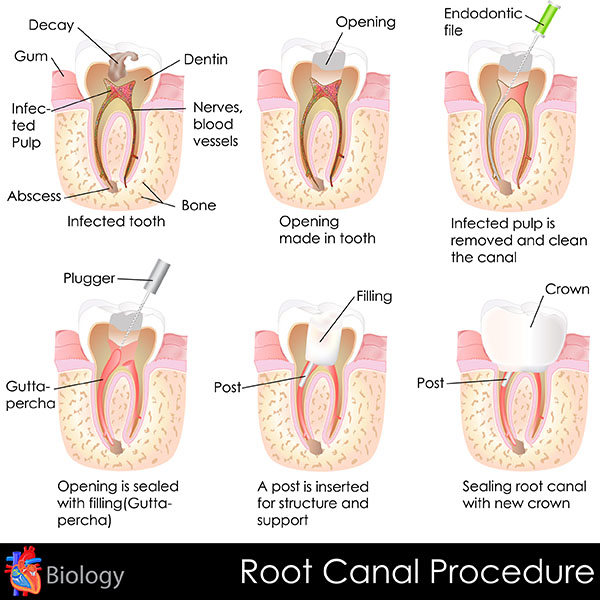
A root canal is a procedure aimed at saving a tooth that has a severely infected or inflamed pulp (the soft tissue inside the tooth containing nerves and blood vessels). The dentist removes the infected pulp, cleans and disinfects the inside of the tooth, and then fills and seals it. The tooth is then typically covered with a crown to restore its strength and protect it from further damage. You can ask about our general dentistry in albania.
Tooth extraction, on the other hand, involves the complete removal of the tooth from its socket in the bone. This is generally recommended when the tooth is beyond saving, either due to extensive decay, severe infection, or trauma.
When Is Each Option Recommended?
A root canal is typically recommended when:
- The tooth has a deep cavity that reaches the pulp.
- The tooth is cracked or fractured, exposing the pulp.
- The tooth has undergone repeated dental procedures, irritating the pulp.
- There is significant pain or sensitivity in the tooth.
Extraction is usually considered when:
- The tooth is too severely damaged to be saved by a root canal.
- The infection is too extensive and cannot be controlled with root canal treatment.
- The cost of a root canal and crown is prohibitive for the patient.
- The tooth is impacted (unable to erupt properly).
Pros and Cons of Root Canal Treatment
Root canal treatment pros and cons, Saving a damaged tooth
Root canal treatment offers a way to preserve your natural tooth, maintaining its function and aesthetics. However, it’s essential to weigh the benefits against the potential risks and costs. Let’s delve into the pros and cons to give you a clearer picture.
Benefits of Root Canal Treatment: Tooth Preservation, Chewing Function, Aesthetics
The primary benefit of a root canal is that it allows you to keep your natural tooth. This offers several advantages:
- Tooth preservation: Maintaining your natural tooth helps preserve the alignment of your other teeth and prevents them from shifting.
- Chewing function: A preserved tooth allows you to continue chewing comfortably and efficiently.
- Aesthetics: Keeping your natural tooth maintains your natural smile and avoids the need for a replacement tooth that may not perfectly match your other teeth.
- Prevents Bone Loss: Keeping a natural tooth can help prevent bone loss in the jaw.
Risks of Root Canal Treatment: Potential Failure, Cost, Procedure Discomfort
Despite its benefits, root canal treatment also carries certain risks:
- Potential failure: In some cases, the root canal treatment may fail to completely eliminate the infection, requiring further treatment or extraction.
- Cost: Root canal treatment, especially when combined with a crown, can be expensive.
- Procedure discomfort: While local anaesthesia is used, some patients may experience discomfort during or after the procedure.
- Tooth Discoloration: A root canal may cause the tooth to discolor over time.
Pros and Cons of Tooth Extraction
Tooth extraction benefits, Risks of tooth extraction, Dental health after extraction
Tooth extraction, while often seen as a last resort, can be a necessary procedure to alleviate pain and prevent further complications. However, it’s vital to understand the potential benefits and drawbacks before making a decision. Dental health after extraction needs to be considered.
Benefits of Tooth Extraction: Removal of Infected Tooth, Sometimes Lower Upfront Cost
Tooth extraction offers several advantages:
- Removal of infected tooth: Extraction eliminates the source of infection, preventing it from spreading to other areas of the mouth or body.
- Sometimes lower upfront cost: In some cases, extraction may be less expensive than root canal treatment, especially when considering the cost of a crown.
- Quick Pain Relief: Extraction can provide immediate relief from severe tooth pain.
Risks of Tooth Extraction: Bone Loss, Chewing Function Loss, Need for Replacement Options
Tooth extraction also carries potential risks:
- Bone loss: After extraction, the bone in the jaw can begin to resorb (shrink), potentially affecting the stability of adjacent teeth.
- Chewing function loss: Losing a tooth can affect your ability to chew properly, potentially leading to digestive problems.
- Need for replacement options: Extraction creates a gap in your smile that may require replacement with a denture, bridge, or implant to restore aesthetics and function. For alternatives to extraction and root canal consider our dental implants in albania,
- Adjacent Tooth Shifting: Teeth surrounding the gap may shift, causing alignment issues.
Consider multiple implants with bridges in albania after the extraction.
Cost Comparison – Root Canal vs Extraction
Cost of root canal vs extraction, Alternatives to tooth extraction
When considering root canal treatment versus extraction, cost is often a significant factor. The upfront costs of each procedure can vary, and it’s essential to consider the potential long-term expenses associated with each option. This can help inform your search for alternatives to tooth extraction.
Upfront vs Long-Term Costs
In the UK, the upfront cost of a root canal treatment, including the necessary crown, can range from £500 to £1000 or more, depending on the tooth’s location and the complexity of the procedure. A simple extraction, on the other hand, may cost between £150 and £300.
However, it’s crucial to consider the long-term costs. While extraction may seem cheaper initially, it can lead to further expenses if you choose to replace the missing tooth. Consider Albania Dental Implants Services if you are interested in this services.
Replacement Options After Extraction (Dentures, Bridge, Implant)
If you decide to replace the extracted tooth, you have several options, each with its own cost:
- Dentures: Dentures are removable appliances that can replace multiple missing teeth. The cost of dentures can range from £400 to £1500 or more, depending on the type and materials used.
- Bridge: A bridge is a fixed appliance that spans the gap created by the missing tooth, using the adjacent teeth as anchors. The cost of a bridge can range from £700 to £1500 or more.
- Implant: A dental implant is a permanent tooth replacement option that involves surgically placing a titanium post into the jawbone. The cost of a single tooth implant in the UK typically ranges from £2,000 to £3,000. Alternatively you can consider the cost of dental implants in albania.
When considering these costs, it’s important to factor in the longevity of each option. Implants, with proper care, can last a lifetime, while dentures and bridges may need to be replaced every 5-10 years. Therefore, while the initial cost of an implant is higher, it may be the most cost-effective option in the long run. Also consider our offers in zirconia implants in albania or single tooth implants in albania
Recovery and Aftercare for Each Procedure
Recovery after root canal, Dental health after extraction
Understanding the recovery process and aftercare requirements for both root canal treatment and extraction is crucial for ensuring a smooth and successful outcome. The healing times, pain management strategies, and follow-up care differ for each procedure. Dental health after extraction needs to be considered as well.
Recovery After Root Canal
After a root canal, you may experience some mild discomfort or sensitivity for a few days. This can usually be managed with over-the-counter pain relievers. Your dentist may also prescribe antibiotics if there is any residual infection.
It’s important to avoid chewing on the treated tooth until it has been fully restored with a crown. This will prevent damage to the weakened tooth structure. Regular brushing, flossing, and dental check-ups are essential for maintaining the health of the treated tooth. Recovery after root canal is pretty important.
Recovery After Tooth Extraction
Following a tooth extraction, you can expect some bleeding and swelling. Your dentist will provide instructions on how to control bleeding and manage pain. You may also be prescribed antibiotics to prevent infection.
It’s important to follow these instructions carefully to promote healing and prevent complications. This includes:
- Avoiding strenuous activity for the first 24 hours.
- Eating soft foods.
- Avoiding smoking and alcohol.
- Gently rinsing your mouth with warm salt water.
It’s also essential to maintain good oral hygiene to prevent infection and promote healing. Regular follow-up appointments with your dentist are crucial for monitoring the healing process and addressing any concerns. You can ask Albania Dental Implants about our cosmetic dentistry in albania.
Frequently Asked Questions (FAQ)
Addressing common concerns in detail.
Which Is Less Painful: Extraction or Root Canal?
Generally, neither procedure should be significantly painful during the treatment itself, thanks to local anaesthesia. Post-procedure, experiences can vary. Some people find the recovery after a root canal more manageable, with mild discomfort easily controlled by over-the-counter pain relievers. Others might experience more sensitivity as the area heals.
Extraction can sometimes lead to more post-operative pain, especially if it’s a difficult extraction. The level of pain also depends on individual pain tolerance and the dentist’s skill. In both cases, following the dentist’s aftercare instructions is key to minimizing discomfort.
Is It Better to Save the Tooth or Remove It?
In most cases, saving your natural tooth is the preferred option. Keeping your natural tooth helps maintain proper alignment, chewing function, and aesthetics. A missing tooth can lead to shifting of adjacent teeth, bone loss, and potential problems with your bite. So, it’s usually better to save the tooth.
However, there are situations where extraction is the better choice, such as when the tooth is too severely damaged to be saved, or when the cost of saving the tooth is prohibitive. You can always improve your smile with a hollywood smile in albania.
What Happens if You Get an Extraction Instead of a Root Canal?
If you opt for extraction instead of a root canal, you’ll lose the tooth. This can lead to several consequences:
- Shifting of adjacent teeth: The teeth next to the empty space can shift, causing alignment problems and potentially affecting your bite.
- Bone loss: The bone in the jaw can begin to resorb, potentially weakening the jaw and affecting the stability of adjacent teeth.
- Chewing difficulties: Losing a tooth can affect your ability to chew properly, potentially leading to digestive issues.
- Aesthetic concerns: The missing tooth can create a gap in your smile, affecting your confidence.
To avoid these problems, you may need to consider tooth replacement options such as dentures, bridges, or implants. However, these come with their own costs and considerations.
How Long Does Recovery Take for Each Procedure?
The recovery time for a root canal is typically shorter than for an extraction. After a root canal, most people can return to their normal activities within a few days. Some mild sensitivity may persist for a week or two.
After an extraction, the initial healing period usually takes 1-2 weeks. However, complete bone healing can take several months. During this time, it’s important to follow your dentist’s instructions carefully to prevent complications and promote healing.
What Are the Long-Term Effects of Losing a Tooth?
The long-term effects of losing a tooth can be significant. As mentioned earlier, it can lead to shifting of adjacent teeth, bone loss, chewing difficulties, and aesthetic concerns. These issues can affect your oral health, overall health, and quality of life.
Furthermore, bone loss can make it more difficult to place dental implants in the future, should you choose to do so. Replacing the missing tooth is therefore crucial to prevent these long-term consequences.
How Much Does a Root Canal Cost Compared to an Extraction in the UK?
The cost of a root canal in the UK, including the crown, typically ranges from £500 to £1000 or more. A simple extraction, on the other hand, may cost between £150 and £300. Keep in mind that the overall cost will depend on the complexity of your case. However, you can consider getting dental tourism in albania if you want something affordable.
Are There Alternatives to Extraction and Root Canal?
In some cases, there may be alternatives to both extraction and root canal treatment. For example, if the tooth is only mildly damaged, a filling or crown may be sufficient. If the tooth is severely damaged but the pulp is not infected, a procedure called a pulpotomy (removal of only the infected part of the pulp) may be an option.
However, these alternatives are not always suitable, and your dentist will need to assess your individual situation to determine the best course of action. If you need oral surgery in albania you can always contact us.
What Risks Are Associated With Each Procedure?
As with any medical procedure, both root canal treatment and extraction carry certain risks.
Risks associated with root canal treatment include:
- Failure of the treatment to completely eliminate the infection.
- Fracture of the tooth.
- Infection.
- Damage to surrounding tissues.
Risks associated with extraction include:
- Excessive bleeding.
- Infection.
- Damage to surrounding teeth or nerves.
- Dry socket (a painful condition that occurs when the blood clot in the extraction site is dislodged).
When Is Extraction the Only Option?
Extraction may be the only option in the following situations:
- The tooth is too severely damaged to be saved.
- The infection is too extensive and cannot be controlled with root canal treatment.
- The cost of saving the tooth is prohibitive for the patient.
- The patient has certain medical conditions that make root canal treatment unsafe.
Can a Root Canal Fail, and What Happens if It Does?
Yes, a root canal can fail in some cases. This may happen if the infection is not completely eliminated, if the tooth fractures, or if the filling material leaks. If a root canal fails, you may experience persistent pain, swelling, or infection.
In such cases, the tooth may require further treatment, such as a repeat root canal or extraction. The best course of action will depend on the specific circumstances and your dentist’s recommendations.
Considering Dental Tourism in Albania for Affordable Solutions?
If cost is a major concern, you might consider dental tourism in Albania. Albania Dental Implants offers high-quality dental care at significantly lower prices than in the UK. Our experienced team provides a full range of services, including root canals, extractions, and dental implants, ensuring you receive the best possible care at an affordable price. Find out the emax veneers in albania.
Choosing between a root canal and extraction is a significant decision with long-term implications for your oral health. By understanding the key differences, pros, cons, costs, and recovery processes associated with each procedure, you can make an informed choice that aligns with your individual needs and preferences. If you are considering to have your invisalign aligners in albania you can always visit our clinic.
Conclusion: Make an Informed Decision with Albania Dental Implants
Ultimately, the decision of whether an extraction is better than a root canal is a personal one that should be made in consultation with your dentist. Both procedures have their pros and cons, and the best option for you will depend on your individual circumstances. At Albania Dental Implants, we are committed to providing you with the information and support you need to make the right choice for your oral health. Contact us today to schedule a consultation and discuss your options.
Ready to take the next step towards a healthier, more confident smile? Contact Albania Dental Implants today for a consultation and discover how we can help you achieve your dental goals!