



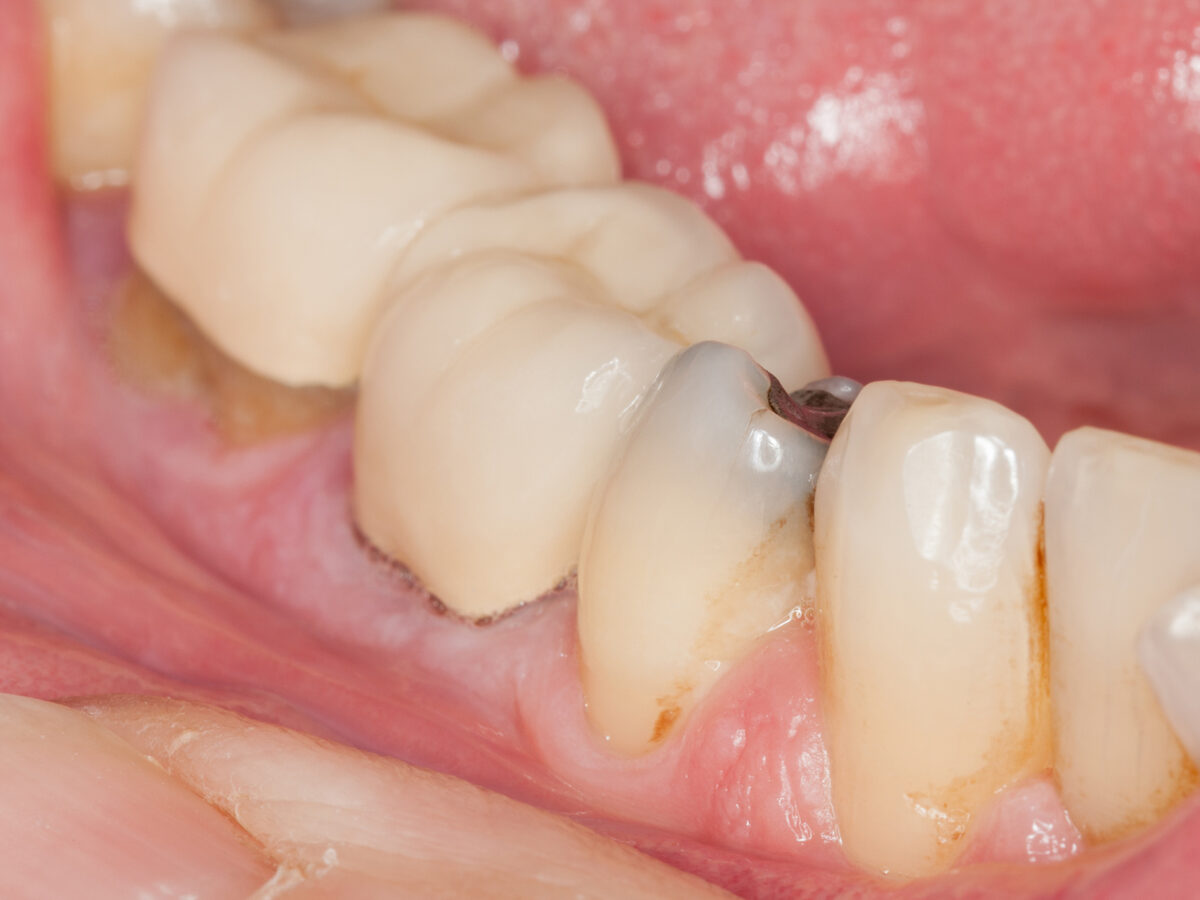
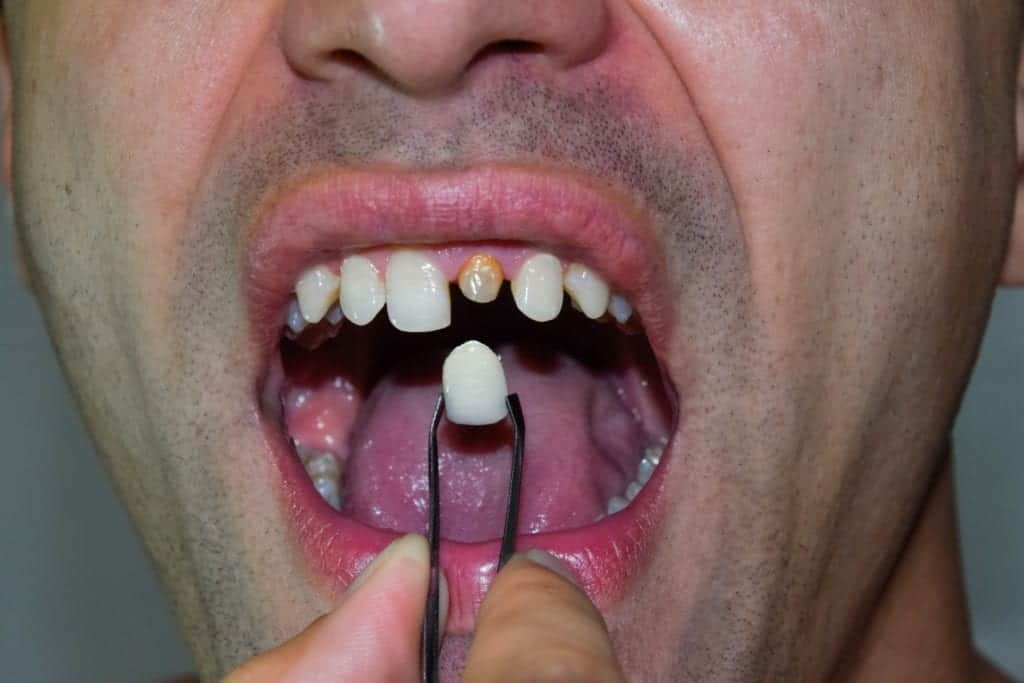
Can you put a crown on a rotten tooth? Many people facing tooth decay consider crowns as a potential solution to restore their smile and dental function. Crowns can protect and strengthen damaged teeth, but whether a rotten tooth is a suitable candidate depends on the extent of the decay and the tooth’s overall condition.
What is a Rotten Tooth?
When dental professionals talk about a “rotten” or “decayed” tooth, they’re referring to a tooth that has been significantly damaged by tooth decay, also known as dental caries. This decay process is caused by bacteria in the mouth that produce acids, which erode the tooth enamel and underlying dentin. Over time, this erosion leads to cavities and, if left untreated, can result in a severely compromised or “rotten” tooth.
Signs and Symptoms of a Rotten Tooth
Recognising the signs and symptoms of a decayed tooth early is crucial for prompt treatment and preventing further damage:
- Toothache: Persistent pain that may be sharp, throbbing, or dull.
- Sensitivity: Discomfort when consuming hot, cold, or sweet foods and drinks.
- Visible Cavities: Holes or pits in the tooth surface that you can see or feel.
- Discoloration: Dark spots or stains on the tooth enamel.
- Bad Breath: Persistent bad breath or a foul taste in the mouth.
- Swelling or Tenderness: Inflammation or discomfort around the affected tooth or gums.
If you experience any of these symptoms, it’s essential to contact Albania Dental Implants or your dentist promptly for an examination and appropriate treatment. Early intervention can often save the tooth and prevent more extensive and costly procedures.
Can You Put a Crown on a Rotten Tooth?
The possibility of placing a rotten tooth crown depends on several factors. While crowns are a common and effective solution for restoring damaged teeth, there are specific requirements that must be met. Dental crowns for decayed teeth are a viable option, but the tooth must have enough remaining healthy structure to support the crown.
Requirements for Crowning a Tooth
To successfully crown a decayed tooth, the following conditions generally need to be met:
- Sufficient Tooth Structure: There needs to be enough healthy tooth structure remaining above the gum line to provide a stable base for the crown. If too much of the tooth is decayed, the crown may not have adequate support and could fail.
- Healthy Roots and Bone: The tooth’s roots and surrounding bone must be healthy enough to support the tooth and the crown. If there’s significant bone loss or root infection, the tooth may not be salvageable.
- Removal of Decay: All decay must be thoroughly removed before placing the crown. Leaving any decay behind can lead to further infection and compromise the long-term success of the restoration.
When is a Tooth Too Decayed for a Crown?
There are situations where a tooth is simply too decayed to support a crown. This may be the case if:
- Extensive Decay Below the Gum Line: If the decay extends far below the gum line, it can be difficult to remove all of the infected tissue and create a stable foundation for the crown.
- Severe Bone Loss: Significant bone loss around the tooth can compromise its stability, making it unsuitable for a crown.
- Untreatable Infection: If the tooth has a severe infection that cannot be effectively treated with root canal therapy or other methods, extraction may be the only option.
The Importance of Removing All Decay Before Crowning
It is very important to ensure all decay is removed before proceeding with placing a crown. Leaving decay underneath a crown can result in:
- Continued Decay Progression: The decay will continue to spread, further damaging the tooth.
- Infection: Bacteria trapped under the crown can cause infection and inflammation.
- Pain and Sensitivity: You may experience increased pain and sensitivity in the crowned tooth.
- Crown Failure: The crown may eventually fail due to the compromised tooth structure underneath.
Is a root canal always required before a crown on a rotten tooth?
A crown after root canal isn’t always necessary on a rotten tooth, but it is frequently recommended. If the decay has reached the pulp (the innermost part of the tooth containing nerves and blood vessels), a root canal is typically required to remove the infected tissue and prevent further infection. The root canal procedure involves cleaning and sealing the inside of the tooth. After a root canal, the tooth is often weakened, and a crown provides the necessary support and protection to prevent fracture. However, if the decay is limited and hasn’t affected the pulp, a root canal may not be necessary.
Can a crown save a badly decayed tooth?
Whether or not a crown can save a badly decayed tooth hinges on the amount of healthy tooth structure left after the decay is removed. If there’s still enough healthy structure to support a crown, it can be a viable option. However, if the decay is too extensive and there isn’t sufficient structure, other treatments like extraction might be more appropriate.
Can you crown a tooth with active decay?
No, you cannot crown a tooth with active decay. Crowning a tooth with untreated decay will trap the bacteria and accelerate the decay process, leading to further damage and potential infection. All decay must be removed before a crown can be placed.
What happens if you put a crown on a rotten tooth?
If you put a crown on a rotten tooth without addressing the decay, several complications can arise. The decay will continue to progress beneath the crown, leading to further tooth damage, infection, pain, and eventual crown failure. In such cases, root canal treatment, extraction, or other interventions may become necessary.
What if there’s not enough tooth left for a crown?
If there’s not enough tooth left for a crown, several options may be considered. One option is a build-up, which involves using filling material to add structure to the tooth. If the tooth is severely damaged, however, tooth extraction followed by a dental implant, such as zirconia implants in albania, or a bridge may be the best solution.
The Process of Placing a Crown on a Decayed Tooth
The process of placing a decayed tooth crown involves several steps to ensure the long-term success of the restoration. Here’s a general overview of what you can expect:
Removal of Decay
The first step is to thoroughly remove all decayed tissue from the tooth. This is typically done using dental drills and hand instruments. The goal is to eliminate all sources of infection and create a clean, healthy base for the crown.
Possible Build-Up
If a significant amount of tooth structure has been lost to decay, a build-up may be necessary. This involves using a filling material, such as composite resin, to restore the tooth’s shape and size. The build-up provides additional support for the crown.
Root Canal
If the decay has reached the pulp of the tooth, a root canal may be required. This procedure involves removing the infected pulp tissue, cleaning and shaping the inside of the tooth, and filling the space with a special material. A root canal helps to eliminate infection and save the tooth from extraction.
Crown Placement
Once the tooth is prepared, an impression is taken to create a custom-made crown. While the permanent crown is being fabricated, a temporary crown may be placed to protect the tooth. When the permanent crown is ready, it’s cemented onto the prepared tooth, providing strength, protection, and a natural-looking appearance. Dental crowns in Albania offer a cost-effective solution for restoring damaged teeth.
Alternatives if a Tooth is Too Rotten for a Crown
When a tooth is too rotten for a crown, alternative treatment options must be considered. The decision depends on the extent of the damage, the patient’s overall oral health, and their preferences.
When Extraction is Necessary
In some cases, extraction, or the removal of the tooth, becomes the most appropriate course of action. This may be necessary if:
- The decay is too extensive to be effectively treated.
- There’s significant bone loss around the tooth.
- The tooth has a severe infection that cannot be resolved with root canal therapy or other methods.
Dental Bridge or Implant as Option
After extraction, the missing tooth can be replaced with a dental bridge or a dental implant. These options help to restore the patient’s smile, bite, and ability to chew properly.
- Dental Bridge: A bridge is a prosthetic tooth that’s anchored to the adjacent teeth. It fills the gap left by the missing tooth and restores the appearance and function of the smile.
- Dental Implant: A dental implant is a titanium post that’s surgically placed into the jawbone. After the implant has fused with the bone, a crown is attached to the implant, providing a permanent and natural-looking tooth replacement. For those seeking an affordable solution, dental tourism in Albania offers high-quality implant services at competitive prices.
Is a tooth extraction better than crowning a rotten tooth?
Whether a tooth extraction vs crown is better depends on several factors. If the tooth has extensive decay, significant bone loss, or an untreatable infection, extraction may be the better option. However, if the tooth has enough healthy structure to support a crown and the infection can be treated, crowning the tooth may be preferable to preserve the natural tooth. It’s important to discuss your specific case with your dentist to determine the best course of action.
What are the alternatives to a crown for a decayed tooth?
The alternatives to a crown for a decayed tooth include:
- Fillings: Suitable for small to moderate cavities.
- Inlays and Onlays: Used for larger cavities that don’t require a full crown.
- Root Canal Treatment: Necessary when the decay reaches the pulp of the tooth.
- Extraction: Considered when the tooth is too damaged to be saved.
Risks and Considerations
While crowns can be an effective solution for restoring decayed teeth, it’s important to be aware of the potential risks and considerations associated with the procedure.
What Happens if You Crown a Tooth with Untreated Decay?
Crowning a tooth with untreated decay can lead to a number of complications, including:
- Continued Decay Progression: The decay will continue to spread beneath the crown, further damaging the tooth structure.
- Infection: Bacteria trapped under the crown can cause infection and inflammation, leading to pain and swelling.
- Root Canal Problems: A root canal problem may occur if the decay reaches the pulp of the tooth, requiring root canal therapy.
- Crown Failure: The crown may eventually fail due to the compromised tooth structure underneath, requiring replacement.
Risks: Infection, Root Canal Failure, etc.
Other potential risks and considerations associated with crowns include:
- Sensitivity: Some patients may experience sensitivity to hot or cold temperatures after crown placement.
- Chipping or Cracking: Crowns can chip or crack, especially if subjected to excessive force or trauma.
- Loose Crowns: Crowns can become loose over time, requiring re-cementation or replacement.
- Allergic Reactions: In rare cases, patients may have an allergic reaction to the materials used in the crown.
How do you know if a rotten tooth can’t be saved?
Determining how to know if a rotten tooth can’t be saved often requires professional dental assessment. Some telltale signs include:
- Severe decay that extends below the gum line
- Significant bone loss around the tooth
- An infection that cannot be effectively treated with root canal therapy
- Extensive structural damage to the tooth
Frequently Asked Questions (FAQ)
How long does a crown last on a restored tooth?
The how long a crown lasts on a restored tooth varies based on factors such as oral hygiene, diet, and the forces exerted on the crown. On average, a well-maintained crown can last between 5 and 15 years, or even longer. Regular dental check-ups and proper care can help extend the lifespan of a crown.
How long do dental implants last?
How long dental implants last is an important consideration for anyone considering this treatment option. With proper care and maintenance, dental implants can last a lifetime. Regular dental check-ups and good oral hygiene practices are essential for ensuring the long-term success of dental implants.
Conclusion
While it may be possible to put a crown on a rotten tooth, it is important to seek expert dental advice and treatment. The success of crowning a decayed tooth depends heavily on the extent of the decay and the amount of healthy tooth structure that remains. A thorough evaluation is necessary to determine if crowning is the best option or if alternative treatments, such as extraction and replacement with a dental bridge or dental implants in albania, are more appropriate.
At Albania Dental Implants, we offer comprehensive solutions for restoring damaged or missing teeth. Our experienced team of dental professionals is dedicated to providing high-quality care and helping you achieve a healthy, beautiful smile. Contact us today to schedule a consultation and learn more about your treatment options. We also offer dental tourism in albania services.