



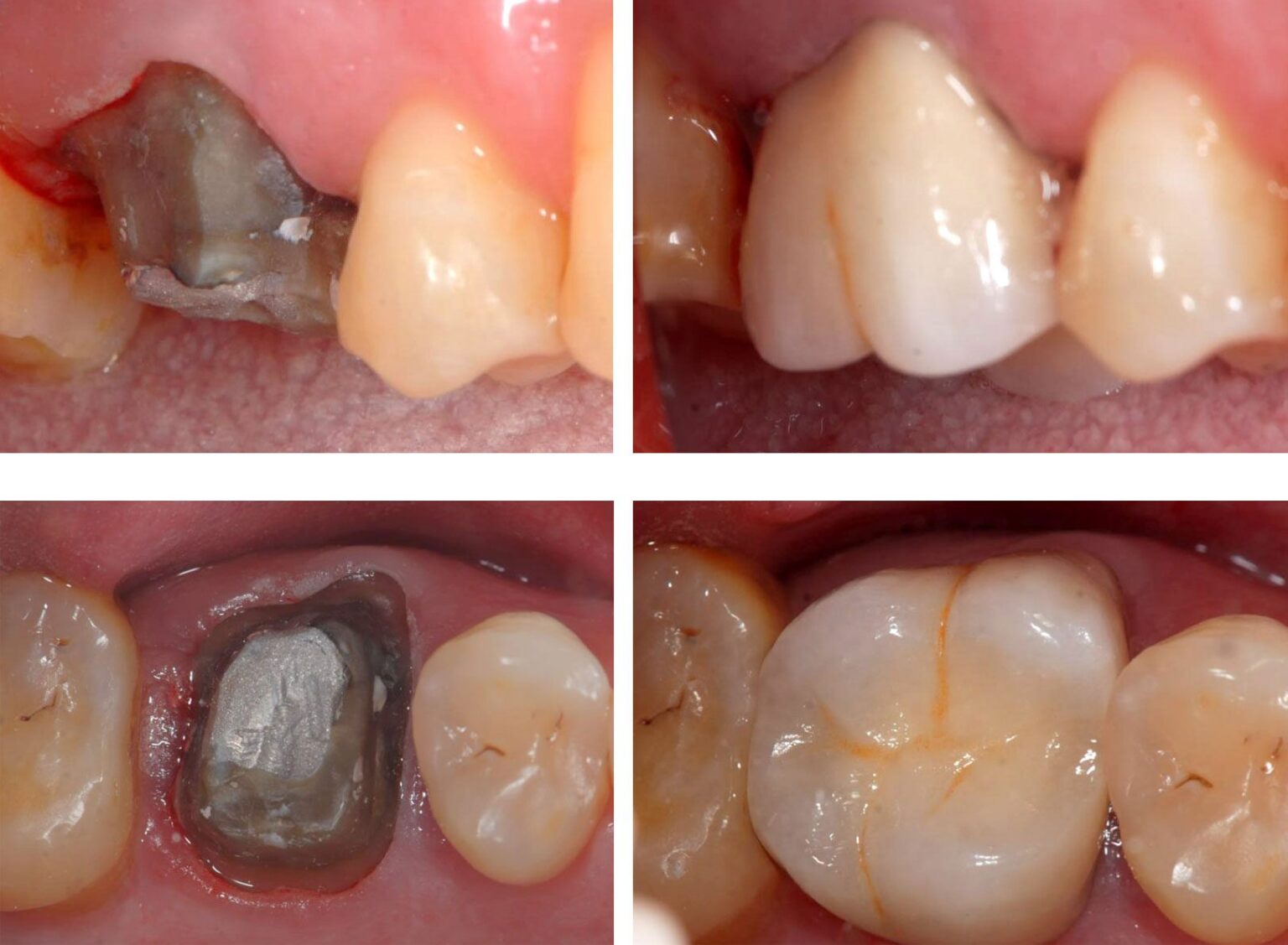

Why does a tooth turn black under a crown? This common concern can be alarming for dental patients, signaling potential underlying issues that require prompt attention. Understanding the causes, symptoms, and available treatments is crucial for maintaining optimal oral health and preventing further complications. We at Albania Dental Implants are committed to helping you understand how to keep your smile bright and healthy, even with dental restorations like crowns.
Common Causes of a Black Tooth Under a Crown
A black tooth under crown is a sign of a number of issues. Several factors can contribute to this discoloration, each requiring a different approach to diagnosis and treatment. Recognizing these causes is the first step toward addressing the problem effectively.
Tooth Decay Beneath the Crown
One of the primary reasons for tooth decay under crown is the development of decay. Even though a crown is designed to protect a tooth, bacteria can still penetrate through microscopic gaps between the crown and the tooth structure. This allows acids produced by bacteria to erode the enamel and dentin, leading to decay. Consistent consumption of sugary foods and drinks can exacerbate this issue. Regular dental check-ups and meticulous oral hygiene practices are essential for preventing decay beneath a crown.
Leakage or Failure of the Dental Crown Seal
The seal between the crown and the tooth is critical for preventing bacterial invasion. Leakage or failure of the dental crown seal can occur over time due to wear and tear, improper fitting, or damage to the crown itself. When the seal is compromised, bacteria and food particles can seep underneath the crown, creating an environment conducive to decay and discoloration. Identifying and addressing seal failures early can prevent further complications and preserve the underlying tooth structure.
Staining from Materials or Foods
Sometimes, the discoloration isn’t due to decay but rather staining from materials or foods. Certain materials used in dental crowns, especially older types of metal crowns, can cause a grayish or blackish shadow to appear around the gum line. Additionally, the consumption of dark-colored foods and beverages like coffee, tea, and red wine can stain the margins of the crown over time, leading to visible discoloration. While this type of staining is often superficial, it can still be a cosmetic concern for patients.
Dead or Dying Tooth Pulp (Necrosis)
In some cases, a dead or dying tooth pulp (necrosis) can cause a tooth to turn black under a crown. If the nerve inside the tooth dies, the tooth no longer receives blood supply, leading to discoloration. This can happen due to trauma, deep decay that reaches the pulp, or complications from a previous root canal. Necrosis often requires root canal therapy to remove the infected pulp and prevent further spread of infection. Early detection and treatment are crucial for saving the tooth and alleviating any associated pain or discomfort.
Old Metal Crowns Causing Shadows
Old metal crowns causing shadows can also create the appearance of a black tooth. Metal crowns, particularly those that are not porcelain-fused-to-metal (PFM), can cast a shadow on the surrounding tissues, especially near the gum line. This shadow can give the impression of discoloration or blackening, even when the underlying tooth is healthy. Replacing old metal crowns with more aesthetically pleasing materials like porcelain or zirconia can eliminate this shadowing effect and improve the overall appearance of the smile. Consider the benefits of zirconia implants in Albania if you want a metal-free restoration.
Warning Signs and Complications to Watch For
Being vigilant about potential issues with your dental crown can prevent minor problems from escalating into more serious complications. Recognizing the signs of crown failure early can save you time, money, and potential discomfort. Here are some key warning signs and complications to watch for:
Pain, Swelling, or Sensitivity
Pain, swelling, or sensitivity around a crowned tooth should never be ignored. These symptoms can indicate inflammation, infection, or nerve damage. If you experience persistent pain when biting down, sensitivity to hot or cold temperatures, or swelling in the gums around the crown, it’s essential to seek professional dental care promptly. These symptoms may point to underlying decay, a cracked crown, or an infection that requires immediate treatment.
Visible Blackening at Gumline
One of the most obvious warning signs is visible blackening at gumline. This discoloration can indicate decay, staining, or the presence of old metal crown margins. If you notice a dark line appearing at the edge of the crown where it meets the gum, it’s crucial to schedule an appointment with your dentist. Early detection and treatment can prevent further damage and preserve the health of the underlying tooth structure.
Loosening of the Crown
Loosening of the crown is another significant warning sign that requires immediate attention. A loose crown can create gaps where bacteria and food particles can accumulate, leading to decay and infection. If you feel any movement or instability in your crown, it’s essential to see your dentist as soon as possible. A loose crown may need to be recemented or replaced to prevent further complications and maintain the integrity of the tooth.
Gum Inflammation or Recession
Gum inflammation or recession around a crowned tooth can indicate poor crown fit, improper hygiene, or underlying periodontal disease. Inflamed gums may appear red, swollen, and bleed easily when brushing. Gum recession, where the gum tissue pulls away from the tooth, can expose the margins of the crown and increase the risk of decay. Addressing these issues early with improved oral hygiene practices and professional dental care can prevent further damage and maintain the health of the surrounding tissues.
How Dentists Diagnose the Problem
When a patient presents with a black tooth under a crown, dentists employ a systematic approach to diagnose the underlying cause. Accurate diagnosis is essential for developing an effective treatment plan and preserving the health of the tooth. Here are some common diagnostic methods:
Visual Examination
The first step in diagnosing the problem is a thorough visual examination. Dentists carefully inspect the crown, gum line, and surrounding tissues for any signs of discoloration, inflammation, or swelling. They also assess the fit and margins of the crown to identify any gaps or leakage. A visual examination can provide valuable clues about the potential cause of the black tooth and guide further diagnostic testing.
Dental X-rays
Dental X-rays are an essential tool for diagnosing issues beneath a dental crown. X-rays can reveal hidden decay, bone loss, and other abnormalities that are not visible during a visual examination. They help dentists assess the extent of any decay, identify potential sources of infection, and evaluate the overall health of the tooth and surrounding structures. Different types of X-rays, such as periapical and bitewing radiographs, may be used to obtain a comprehensive view of the tooth and its supporting tissues.
Checking Crown Fit and Margins
Checking crown fit and margins is crucial for identifying potential sources of bacterial invasion. Dentists use specialized instruments to assess the integrity of the crown margins and detect any gaps or irregularities. A poorly fitting crown can create spaces where bacteria and food particles can accumulate, leading to decay and discoloration. Addressing issues with crown fit early can prevent further complications and maintain the health of the underlying tooth structure.
Assessing Pulp Vitality
Assessing pulp vitality is essential for determining whether the tooth’s nerve is healthy and functioning properly. Dentists use various tests, such as thermal and electric pulp testing, to evaluate the tooth’s response to stimuli. A non-vital pulp indicates that the nerve has died, which can cause discoloration and require root canal therapy. Early assessment of pulp vitality can help dentists determine the appropriate course of treatment and prevent further spread of infection.
What Are the Treatment Options?
Addressing a black tooth under a crown requires a tailored approach based on the underlying cause and severity of the problem. Various treatment options are available, ranging from simple repairs to more complex procedures. Here are some common treatment approaches:
Replacing the Crown
In many cases, replacing the crown is the most effective treatment option. If the existing crown is old, damaged, or poorly fitting, replacing it with a new, well-fitting crown can eliminate the source of the problem. Modern dental crowns are made from durable and aesthetically pleasing materials like porcelain and zirconia, offering a long-lasting and natural-looking solution. The process typically involves removing the old crown, assessing the underlying tooth, and fabricating a new crown that fits precisely and seals effectively.
Root Canal Therapy
If the black tooth is caused by nerve damage or infection, root canal therapy may be necessary. This procedure involves removing the infected pulp from the tooth, cleaning and shaping the root canals, and filling them with a biocompatible material. Root canal therapy can save the tooth and alleviate any associated pain or discomfort. After root canal therapy, the tooth is typically restored with a crown to provide additional protection and support. Consider Albania Dental Implants Services if you are looking for root canal treatment.
Removing Decay and Restoring the Tooth
When decay is the primary cause of the black tooth, removing decay and restoring the tooth is essential. This involves carefully removing all traces of decay from the tooth structure and filling the resulting cavity with a suitable dental material, such as composite resin or dental amalgam. In some cases, a crown may be necessary to provide additional support and protection for the restored tooth. Proper oral hygiene practices and regular dental check-ups are crucial for preventing future decay and maintaining the health of the restored tooth.
Full Extraction in Severe Cases
In severe cases where the tooth is too damaged to be saved, full extraction in severe cases may be the only viable option. This involves removing the tooth from its socket and addressing any associated infection or inflammation. After extraction, various tooth replacement options are available, such as dental implants, bridges, and dentures. Dental implants in Albania are a popular choice for restoring both function and aesthetics, providing a long-lasting and natural-looking solution. The implant integrates with the jawbone, providing a stable base for a replacement tooth.
Prevention and Aftercare for Dental Crowns
Maintaining the health and longevity of your dental crowns requires diligent oral hygiene practices and regular dental check-ups. Prevention is always better than cure, and with proper care, you can minimize the risk of complications and keep your smile bright and healthy. Here are some essential tips for prevention and aftercare:
Proper Oral Hygiene Techniques
Proper oral hygiene techniques are crucial for preventing decay and maintaining the health of your dental crowns. This includes brushing your teeth at least twice a day with fluoride toothpaste, flossing daily to remove plaque and food particles from between your teeth, and using an antimicrobial mouthwash to kill bacteria. Pay special attention to cleaning around the margins of the crown, where bacteria tend to accumulate. Regular and thorough oral hygiene practices can significantly reduce the risk of decay and discoloration.
Regular Dental Checkups
Regular dental checkups are essential for detecting potential problems early and preventing them from escalating. During your check-up, your dentist will examine your crowns, assess their fit and integrity, and check for any signs of decay or inflammation. Professional cleanings can remove plaque and tartar buildup, further reducing the risk of decay and gum disease. Early detection and treatment can save you time, money, and potential discomfort.
Foods and Habits to Avoid
Certain foods and habits to avoid can help prolong the life of your dental crowns and maintain their appearance. Avoid chewing on hard or sticky foods that can damage the crown or dislodge it from the tooth. Limit your consumption of sugary foods and beverages, which can contribute to decay. Also, avoid habits such as teeth grinding and clenching, which can put excessive stress on your crowns and lead to premature wear and tear. If you grind your teeth at night, talk to your dentist about getting a night guard to protect your crowns.
Early Intervention Strategies
Early intervention strategies can prevent minor problems from becoming major complications. If you notice any signs of discoloration, sensitivity, or loosening of your crown, don’t wait to see your dentist. Addressing these issues promptly can prevent further damage and preserve the health of the underlying tooth structure. Early intervention may involve simple repairs, such as recementing a loose crown or adjusting the bite to reduce stress on the crown. Taking proactive steps to maintain your dental health can save you time, money, and potential discomfort in the long run.
When Should You See a Dentist?
Knowing when to seek professional dental care is crucial for addressing potential problems early and preventing them from escalating. Certain symptoms warrant immediate attention, as they may indicate underlying issues that require prompt treatment. Here are some key signs that you should see a dentist:
Persistent Pain or Discoloration
If you experience persistent pain or discoloration around a crowned tooth, it’s essential to seek professional dental care promptly. Persistent pain can indicate inflammation, infection, or nerve damage, while discoloration may signal decay or staining. Ignoring these symptoms can lead to further complications and compromise the health of the tooth. A thorough examination by a dentist can determine the underlying cause and guide appropriate treatment.
Loosening or Movement of the Crown
Loosening or movement of the crown is a significant warning sign that requires immediate attention. A loose crown can create gaps where bacteria and food particles can accumulate, leading to decay and infection. If you feel any movement or instability in your crown, it’s essential to see your dentist as soon as possible. A loose crown may need to be recemented or replaced to prevent further complications and maintain the integrity of the tooth. For affordable alternatives, patients can also explore cosmetic dentistry in Albania.
Swelling, Foul Taste, or Pus
Swelling, foul taste, or pus around a crowned tooth are signs of infection that require immediate treatment. These symptoms indicate that bacteria have invaded the tissues surrounding the tooth, leading to inflammation and pus formation. Ignoring these symptoms can lead to the spread of infection and compromise the health of the surrounding tissues. A dentist can drain the infection, prescribe antibiotics, and perform any necessary procedures to save the tooth and prevent further complications. Contact Albania Dental Implants to schedule an urgent appointment. We offer immediate loading dental implants in Albania if extraction is required.
FAQs: Black Tooth Under a Dental Crown
Here are some frequently asked questions about black teeth under dental crowns, providing clear and concise answers to address common concerns.
Can a crown itself turn black?
A crown, particularly a porcelain crown, generally doesn’t turn black. However, what appears to be a black crown is often discoloration around the gumline near the crown. This can be due to staining, decay underneath the crown, or the underlying metal showing through if it’s a porcelain-fused-to-metal crown. So, while the crown material itself is resistant to discoloration, the surrounding areas or the presence of other materials can create the appearance of a black crown.
Is a black tooth under a crown always serious?
While not all instances of a black tooth under a crown are immediately life-threatening, they should be taken seriously. It often indicates decay, a failing crown seal, or even nerve damage. Ignoring the issue can lead to more serious complications, including infection, bone loss, and the need for more extensive treatment. It’s always best to consult with a dentist to determine the underlying cause and receive appropriate treatment.
Will tooth whitening help discoloration under a crown?
Tooth whitening treatments are generally ineffective for discoloration under a crown. Whitening products work on natural tooth enamel but have little to no effect on dental crown materials. If staining or discoloration is the issue, professional cleaning by a dentist may help. However, if the discoloration is due to decay or other underlying problems, the crown may need to be replaced.
What’s the fastest way to fix a black tooth under my crown?
The fastest way to fix a black tooth under my crown depends on the underlying cause. For superficial staining, a professional cleaning might suffice. However, if decay or a failing crown seal is the culprit, the crown will likely need to be removed, the decay treated, and a new crown fabricated. In some cases, root canal therapy may also be required. The best approach is to see a dentist for an accurate diagnosis and personalized treatment plan.
Does insurance cover crown replacement due to discoloration?
Whether insurance covers crown replacement due to discoloration depends on the specific policy and the reason for the replacement. If the discoloration is due to decay or a medical necessity, insurance is more likely to cover the cost. However, if the replacement is solely for cosmetic reasons, coverage may be limited or denied. It’s best to check with your insurance provider and discuss the details with your dentist to understand your coverage options. Consider dental tourism in Albania for more affordable crown options.
Looking for a Solution?
If you’re concerned about a black tooth under a crown, don’t hesitate to reach out to us at Albania Dental Implants. Our team of experienced dentists can provide a thorough examination, accurate diagnosis, and personalized treatment plan to restore your smile and protect your oral health. With state-of-the-art facilities and a commitment to excellence, we’re dedicated to providing you with the highest quality dental care at an affordable price. Our dental tourism in Albania packages make it easier than ever to access world-class treatment and achieve the smile of your dreams.
- Comprehensive examinations and diagnostics
- Expert crown replacement and restoration
- Advanced root canal therapy
- Affordable dental implant solutions
Contact us today to schedule a consultation and take the first step toward a healthier, brighter smile!