



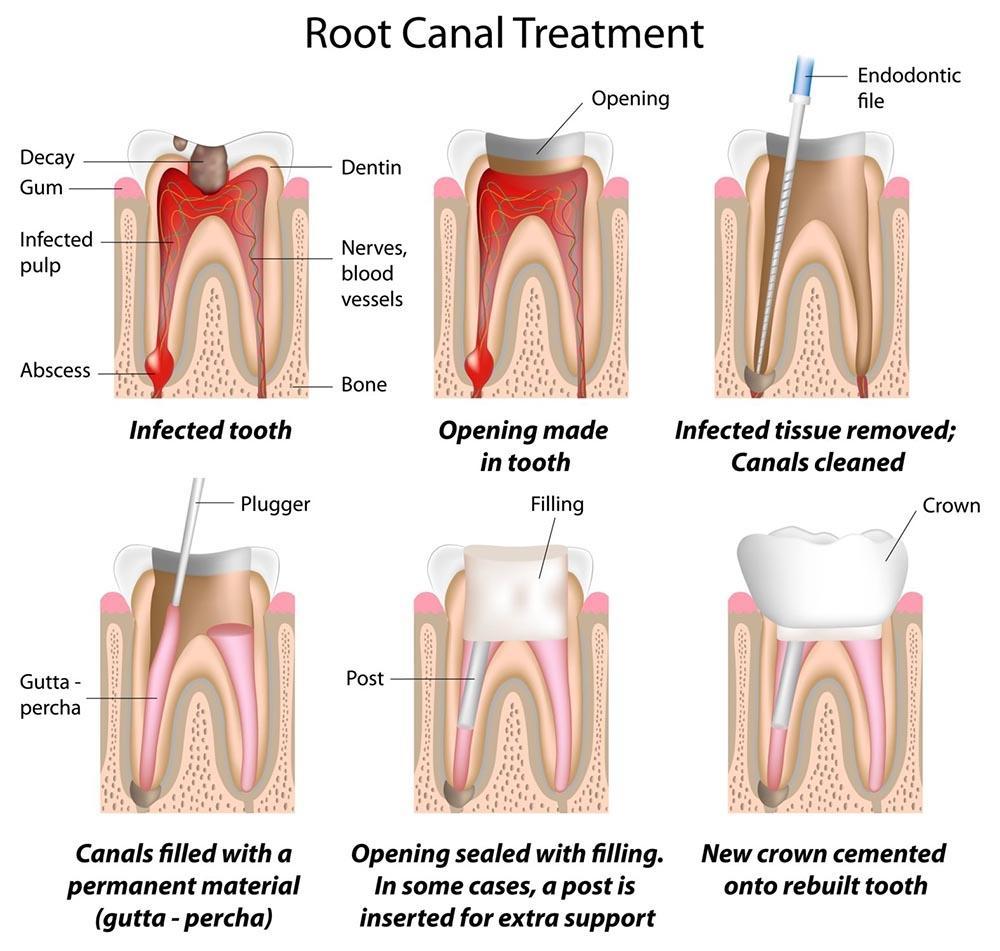
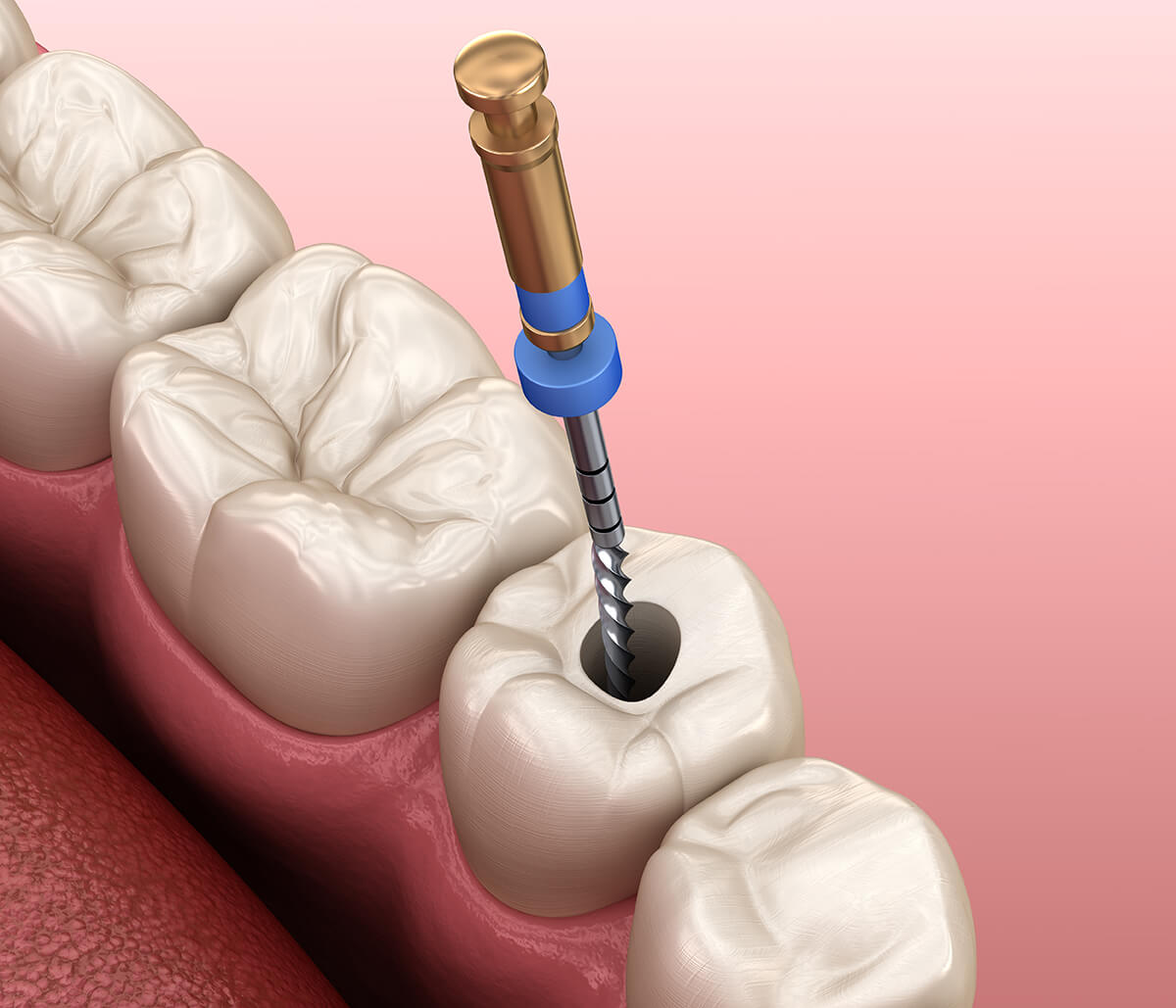
Can you get a crown without a root canal? Many patients wonder whether a dental crown always requires a root canal or if there are alternatives. It’s a common concern when facing potential dental work, and understanding the relationship between these two procedures can ease anxiety and help you make informed decisions about your oral health. This article will explore when a crown can be placed without a root canal, when a root canal is necessary, and other essential considerations.
When Is a Crown Needed?
Dental crowns are versatile restorations, and understanding dental crown requirements can help you appreciate their purpose. Crowns address various dental issues, providing both functional and aesthetic benefits. Reasons for crowns range from repairing damage to improving appearance. Understanding the different types of crowns is also essential when considering this treatment option.
What Is a Dental Crown?
A dental crown is a custom-made cap that covers a damaged or weakened tooth, restoring its shape, size, strength, and appearance. It acts as a protective layer, shielding the underlying tooth from further damage. Think of it as a helmet for your tooth, providing robust protection and renewed functionality. At Albania Dental Implants, we understand the importance of restoring teeth to their full form and function, offering high-quality dental crowns in albania to meet individual needs.
Common Situations Requiring Dental Crowns
Several situations may warrant a dental crown:
- Cracked or fractured teeth: Crowns provide stability and prevent further cracking.
- Extensive decay: When a cavity is too large for a filling, a crown protects the remaining tooth structure.
- Worn-down teeth: Crowns restore the tooth’s original height and prevent sensitivity.
- After a root canal: A crown protects the weakened tooth after root canal therapy.
- Cosmetic reasons: Crowns can improve the appearance of misshapen or discoloured teeth.
Different Types of Crowns and Their Uses
Crowns are made from various materials, each with its advantages:
- Porcelain crowns: Offer excellent aesthetics, mimicking the natural tooth appearance.
- Zirconia crowns: Known for their strength and durability, ideal for back teeth.
- Metal crowns: Highly durable and resistant to wear, often used for molars.
- Porcelain-fused-to-metal (PFM) crowns: Combine the strength of metal with the aesthetics of porcelain.
The choice of material depends on factors like the tooth’s location, aesthetic requirements, and bite force. Your dentist at Albania Dental Implants can advise on the best option for your unique situation.
Is a Root Canal Always Necessary Before a Crown?
The question of the need for root canal before crown placement is frequently asked. Understanding the difference between root canal vs crown procedures and the crown procedure steps helps clarify when each is necessary. In many cases, a crown can be placed without a root canal, but there are specific circumstances where a root canal is essential for long-term dental health.
Situations Where a Crown Is Needed Without a Root Canal
A root canal is not always a prerequisite for a crown. If the tooth’s pulp (the inner layer containing nerves and blood vessels) is healthy and free from infection, a crown can be placed directly. This is often the case when a tooth is cracked, worn down, or needs cosmetic improvement without any underlying nerve damage. This approach is particularly relevant when considering dental crown without root canal scenarios.
When Is a Root Canal Required Before a Crown?
A root canal is necessary before a crown if:
- The tooth is infected: If bacteria have reached the pulp, causing inflammation or infection, a root canal removes the infected tissue.
- The pulp is damaged: Trauma or deep decay can damage the pulp, necessitating a root canal.
- The tooth is extremely sensitive: Persistent pain or sensitivity to hot and cold may indicate pulp damage.
Failing to address these issues before placing a crown can lead to severe pain, infection, and potential tooth loss.
How Do Dentists Decide If a Root Canal Is Needed?
Dentists use various diagnostic methods to determine the need for a root canal:
- X-rays: Reveal signs of infection or damage to the pulp.
- Sensitivity tests: Assess the tooth’s response to hot, cold, or pressure.
- Clinical examination: Evaluate the tooth’s appearance and check for signs of inflammation.
Based on these findings, the dentist can determine whether a root canal is necessary to ensure the long-term success of the crown.
Cases Where a Crown Can Be Placed Without a Root Canal
Exploring instances of crowns on healthy teeth helps illustrate when a root canal isn’t needed. Sometimes, crowns for cosmetic reasons can be placed without affecting the nerve. Even crowns after fillings can be viable if the nerve remains healthy. A healthy nerve is the key factor determining whether a root canal can be skipped.
Crowns for Cracked, Worn, or Heavily Filled Teeth
A crown can often be placed on teeth that are cracked, worn, or have large fillings without needing a root canal, provided the pulp is healthy. The crown provides structural support and protection, preventing further damage. This approach is particularly effective when the nerve is not compromised and the tooth is stable.
Cosmetic Crowns Without Infection
For teeth that are structurally sound but have aesthetic imperfections like discolouration or minor misalignment, a crown can offer a cosmetic solution without the need for a root canal. Since the tooth’s nerve is not affected, the crown simply acts as a veneer, enhancing the tooth’s appearance. Achieving a hollywood smile in albania doesn’t always require invasive procedures.
Crowns After Large Fillings But Healthy Nerve
When a large filling weakens a tooth, a crown is often recommended to provide additional support and prevent fracture. If the nerve remains healthy after the filling, a root canal is unnecessary. The crown reinforces the tooth, distributing bite forces evenly and protecting it from further stress.
What Happens If You Need a Root Canal Later?
The possibility of needing a root canal after crown placement is a concern for some patients. Understanding retreatment options and potential risks and solutions can alleviate anxiety. While it’s not ideal, a root canal can often be performed even after a crown has been placed.
Is It Possible to Have a Root Canal Through a Crown?
Yes, a root canal can be performed through a crown. The dentist will create a small access hole in the crown to reach the infected pulp, perform the root canal procedure, and then seal the hole with a filling. While this is a viable option, it’s generally preferable to address any potential nerve issues before placing the crown to avoid complications.
Risk Factors for Needing a Root Canal After Crown Placement
Several factors can increase the risk of needing a root canal after a crown is placed:
- Deep decay: If decay was present but not fully addressed before the crown was placed, it can progress and affect the pulp.
- Trauma: An injury to the crowned tooth can damage the pulp.
- Leakage: If the crown doesn’t fit properly, bacteria can seep in and cause infection.
Correction Options If Pain Develops After a Crown
If pain develops after a crown is placed, several correction options are available:
- Root canal through the crown: As mentioned, this is a common solution.
- Crown removal and root canal: In some cases, the crown may need to be removed to facilitate the root canal.
- Extraction: If the tooth is severely damaged, extraction may be the only option. However, at Albania Dental Implants, we always aim to preserve natural teeth whenever possible.
After extraction, dental implants in albania offer a reliable, long-term solution for tooth replacement.
Risks and Considerations
When considering a crown without a root canal, weighing the pros and cons is crucial. Assessing long-term health and understanding the risks skipping root canal when needed are essential for making informed decisions. The decision should be based on a comprehensive evaluation of your individual circumstances.
Longevity of Crowns With and Without Root Canals
The longevity of crowns depends on various factors, including the material used, oral hygiene habits, and bite forces. Crowns placed on teeth with healthy pulps generally last as long as those placed after a root canal, provided there are no underlying issues. On average, crowns last between 5 and 15 years. At Albania Dental Implants, we strive to provide crowns that stand the test of time.
Risks If Root Canal Needed But Not Performed
Skipping a necessary root canal before placing a crown can have serious consequences:
- Severe pain: The infection can cause intense discomfort.
- Abscess: A painful pus-filled pocket can form.
- Bone loss: The infection can spread to the surrounding bone, leading to bone loss.
- Systemic infection: In rare cases, the infection can spread to other parts of the body, posing a serious health risk.
How to Monitor Crowned Teeth for Issues
Regular dental check-ups are essential for monitoring crowned teeth. Be vigilant for the following signs:
- Pain or sensitivity: Especially to hot or cold.
- Swelling or redness: Around the crowned tooth.
- Darkening of the gum line: Near the crown.
- Chipping or cracking: Of the crown itself.
Promptly report any concerns to your dentist to ensure timely intervention and prevent complications.
Dentist’s Assessment and Patient Choices
The importance of dentist recommendations cannot be overstated. A thorough patient consultation is essential for making informed decisions. Understanding alternatives to crowns and root canals is also beneficial. Ultimately, the best approach depends on your individual needs and preferences.
The Diagnostic Process: X-Rays, Sensitivity Tests
The diagnostic process typically involves:
- X-rays: To visualize the tooth’s internal structure and identify any signs of infection or damage.
- Sensitivity tests: To assess the pulp’s response to stimuli like heat, cold, or pressure.
- Clinical examination: To evaluate the tooth’s appearance, check for signs of inflammation, and assess its stability.
This comprehensive evaluation helps the dentist determine the most appropriate treatment plan.
How Dentists Help Patients Choose the Best Option
Dentists play a crucial role in guiding patients through the decision-making process by:
- Explaining the pros and cons of each treatment option: Including crowns with and without root canals.
- Presenting all available alternatives: Such as fillings, inlays, onlays, or extractions.
- Answering all questions and addressing concerns: Ensuring the patient feels fully informed.
- Respecting the patient’s preferences and budget: While providing professional recommendations.
A collaborative approach ensures the best possible outcome.
Alternatives to Crowns and Root Canals
Depending on the situation, alternatives to crowns and root canals may include:
- Fillings: For small cavities.
- Inlays and onlays: For more extensive damage that doesn’t require a full crown.
- Dental implants: For replacing extracted teeth.
- Dental bridges: For filling gaps created by missing teeth.
Your dentist can discuss these options and help you determine the most suitable choice for your specific needs.
Costs and Insurance
Understanding the crown cost and root canal cost is an important aspect of treatment planning. Knowing how insurance coverage for crowns applies can also ease financial concerns. Costs can vary significantly based on the type of crown, the complexity of the procedure, and whether you choose NHS or private treatment.
Cost Differences: Crown Only vs Crown + Root Canal
The cost of a crown alone is typically lower than the combined cost of a crown and root canal. Root canal treatment adds to the overall expense due to the additional time, expertise, and materials required. For instance, at Albania Dental Implants, we offer competitive pricing for both crowns and root canals, ensuring access to quality dental care without breaking the bank. Contact us to discuss cost of dental implants in albania.
NHS vs Private Options (UK Focus)
In the UK, the NHS provides dental crowns at a set price, which is generally lower than private dental care. However, the materials and treatment options may be limited. Private dental practices offer a wider range of materials and techniques, but at a higher cost. Weighing the pros and cons of each option is crucial for making an informed decision.
Typical Insurance Scenarios
Many dental insurance policies cover a portion of the cost of crowns and root canals. The level of coverage varies depending on the policy, so it’s essential to review your insurance plan and understand the benefits. Some policies may have annual limits or waiting periods before covering certain procedures.
Frequently Asked Questions (FAQs)
Can you get a crown without having a root canal?
Yes, it is entirely possible to get a crown without needing a root canal beforehand. This typically occurs when the tooth requiring the crown has a healthy pulp (the inner part of the tooth containing nerves and blood vessels) and hasn’t been affected by infection or significant decay. Crowns are often used to protect teeth that are cracked, broken, worn down, or have large fillings, and if the nerve within the tooth remains healthy, a root canal isn’t necessary.
Why do some people need a root canal before a crown?
A root canal is necessary before placing a crown when the tooth’s pulp is infected, inflamed, or dead. This can happen due to deep decay, a crack or fracture in the tooth, or trauma. If the infected pulp is not removed, it can cause severe pain, swelling, and potentially lead to an abscess. The root canal procedure cleans out the infected pulp, disinfects the area, and seals the tooth to prevent further infection before the crown is placed to protect the tooth.
How do dentists decide if you need a root canal with your crown?
Dentists use a combination of methods to determine if a root canal is necessary before placing a crown. These include:
- Visual Examination: Checking for signs of decay, cracks, or other damage.
- X-rays: To see the internal structure of the tooth and identify any infection or damage to the pulp.
- Sensitivity Tests: Assessing the tooth’s reaction to hot, cold, or pressure. A painful or prolonged response can indicate nerve damage.
- Patient Symptoms: Discussing any pain, sensitivity, or other symptoms the patient is experiencing.
Based on these assessments, the dentist can determine if the pulp is healthy or if a root canal is needed.
Can a root canal be done after a crown is placed?
Yes, a root canal can be performed even after a crown has been placed, although it’s generally preferable to address any potential nerve issues beforehand. The dentist will need to create a small access hole through the crown to reach the infected pulp, perform the root canal procedure, and then seal the hole with a filling. While this is a viable option, it can sometimes compromise the integrity of the crown.
What happens if you skip a root canal before a crown when it was needed?
If you skip a necessary root canal before placing a crown, the infection within the tooth can continue to spread. This can lead to:
- Severe Pain: As the infection worsens.
- Abscess Formation: A painful pus-filled pocket in the gums.
- Bone Loss: Infection can damage the surrounding bone.
- Tooth Loss: If the infection is not treated, the tooth may need to be extracted.
- Systemic Infection: In rare cases, the infection can spread to other parts of the body.
Do all crowned teeth eventually need root canals?
No, not all crowned teeth eventually need root canals. If the tooth’s pulp remains healthy and free from infection, the crown can last for many years without any need for a root canal. However, crowned teeth are still susceptible to decay and damage, so maintaining good oral hygiene and regular dental check-ups is essential.
What are the alternatives to a dental crown?
Alternatives to a dental crown depend on the specific situation, but may include:
- Fillings: For small cavities.
- Inlays and Onlays: For more extensive damage that doesn’t require a full crown.
- Veneers: For cosmetic improvements to the front teeth.
- Dental Implants: If the tooth needs to be extracted, a dental implant is a long-term solution to replace it.
- Dental Bonding: For minor chips or cracks.
How much do crowns and root canals cost (on NHS and privately)?
Costs vary widely depending on whether you choose NHS or private treatment:
- NHS: In the UK, NHS dental treatment is divided into bands. As of 2024, a crown typically falls under Band 3, which costs around £282.80. A root canal would be included in this band if it’s required.
- Private: Costs can vary significantly. A crown can range from £500 to £1200 or more, depending on the material (e.g., porcelain, zirconia, metal). A root canal can cost between £300 and £800, depending on the tooth’s location and complexity.
Albania Dental Implants offers competitive pricing for both crowns and root canals. Contact us today for a consultation!
Conclusion
In summary, can you get a crown without a root canal? Absolutely. It depends on the health of the underlying tooth and nerve. A root canal is only necessary when the pulp is infected or damaged. The decision to place a crown with or without a root canal should be made in consultation with your dentist, based on a thorough evaluation of your individual needs. Don’t hesitate to contact albania dental implants today to book a consultation!





