



Are NHS crowns as good as private? This article will explore whether NHS crowns match the quality, durability, and satisfaction of private crowns in the UK dental care market. Navigating the world of dental crowns in the UK can be complex, especially when considering the differences between NHS and private options. Whether you’re concerned about cost, aesthetics, longevity, or access, understanding the nuances of each choice is crucial for making an informed decision. At Albania Dental Implants, we are committed to providing clear, comprehensive information to help you choose the best path for your dental health, and invite you to consider the affordable, high-quality dental tourism in Albania as a viable solution.
Overview of NHS Crowns and Private Crowns
Keywords: NHS dental crowns, private dental crowns, crown treatment options UK
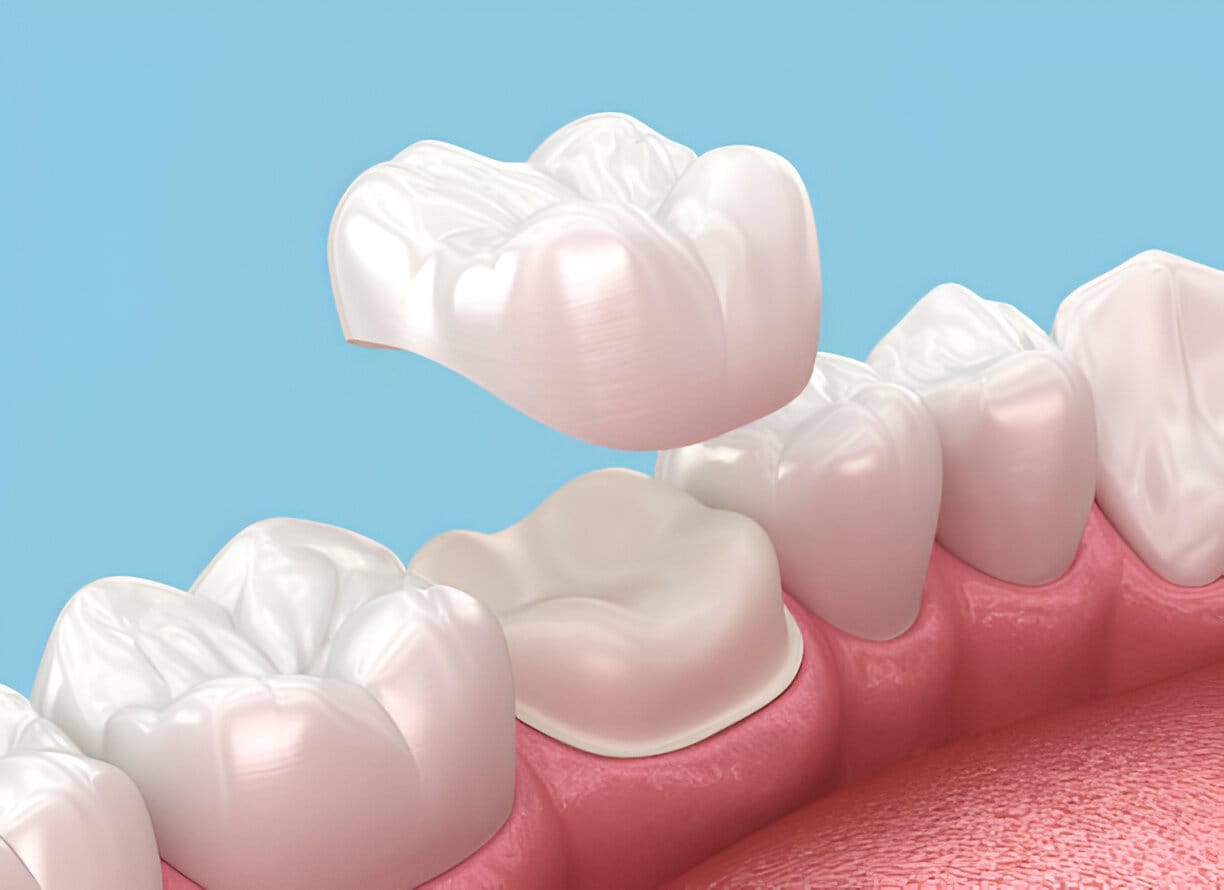
When it comes to restoring damaged or decayed teeth, dental crowns are a common and effective solution. However, the options available under the NHS and private dental care can differ significantly. This section provides a foundational understanding of what each type of crown entails, setting the stage for a detailed comparison.
What is an NHS crown?
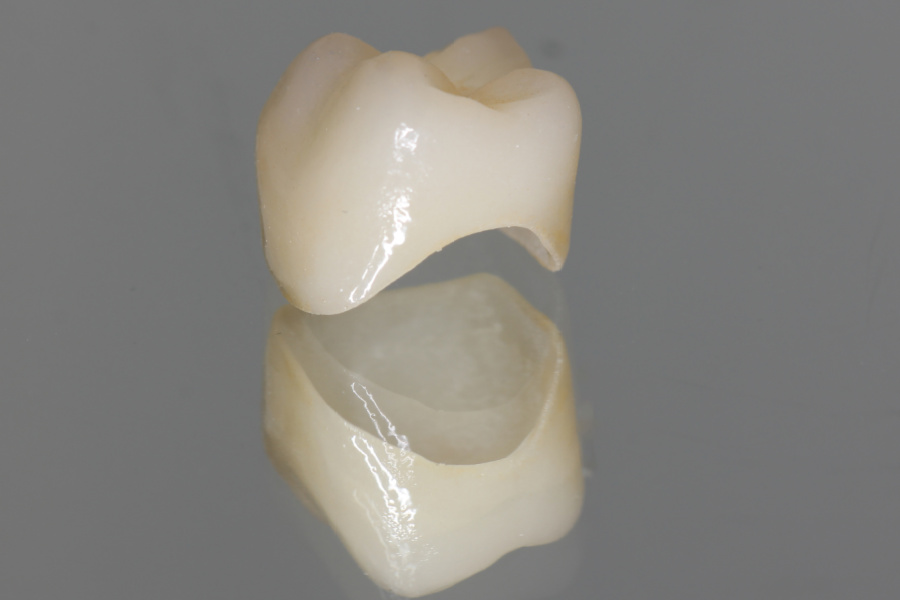
An NHS crown is a dental restoration offered through the National Health Service in the UK. The primary goal of an NHS crown is to restore functionality to a damaged tooth. These crowns are typically made from materials that are durable and cost-effective, ensuring that essential dental care is accessible to a wider population. NHS crowns are provided when clinically necessary to maintain oral health.
What is a private crown?
Private crowns, on the other hand, are offered by dentists in private practice. Choosing private crown treatment options provides a broader range of materials, technologies, and aesthetic considerations. Private crowns often involve a more tailored approach, allowing patients to select materials that closely match the appearance of their natural teeth and offer enhanced durability.
Differences in treatment pathways
The treatment pathways for NHS and private crowns also diverge. NHS treatment typically follows a standard protocol with a focus on clinical necessity. Private treatment often involves more extensive consultations, detailed planning, and potentially shorter waiting times. While NHS crowns aim to restore basic function, private crowns often prioritize both function and aesthetics. For those exploring options for a complete smile makeover, it’s worth noting that full mouth reconstruction in Albania with Albania Dental Implants can provide affordable and high-quality dental care. Moreover, individuals wondering “how can I fix my teeth with no money in the UK” may find that exploring options abroad can provide an affordable alternative.
Materials and Aesthetics
Keywords: NHS crown materials, private crowns porcelain, metal crowns NHS, ceramic crowns private
The materials used in dental crowns significantly impact their appearance, durability, and overall patient satisfaction. This section delves into the specific materials used for NHS and private crowns, highlighting the aesthetic differences and patient choice considerations.
What materials are used for NHS crowns vs private crowns?
NHS crowns typically utilize materials that balance cost-effectiveness and durability. Common NHS crown materials include metal alloys, such as nickel-chromium or cobalt-chromium, which are known for their strength and longevity. While these materials are robust, they may not offer the most natural-looking appearance. In contrast, private crowns offer a wider selection of materials, including porcelain, ceramic, and zirconia. These materials provide a more natural aesthetic, closely mimicking the color and translucency of natural teeth. Zirconia implants in Albania are particularly popular for their strength and biocompatibility.
How do aesthetics (appearance) compare?
Aesthetic differences are one of the most noticeable distinctions between NHS and private crowns. Metal crowns, while strong, can be easily visible, especially when placed on front teeth. Private crowns made from porcelain or ceramic offer superior aesthetics, blending seamlessly with surrounding teeth. The ability to match the shade, shape, and texture of natural teeth results in a more confident and natural-looking smile.
Can NHS patients choose crown materials?
Typically, NHS patients have limited choice regarding crown materials. The decision is primarily based on clinical suitability and cost-effectiveness. In some cases, patients may be able to request a specific material, but this is subject to approval by the dentist and may depend on the specific circumstances. Private dental care, on the other hand, provides greater flexibility, allowing patients to discuss their preferences and choose materials that best meet their aesthetic and functional needs. Many patients also consider options such as dental veneers in Albania as part of a broader cosmetic treatment plan.
Quality, Durability and Longevity
Keywords: NHS crown lifespan, private crown longevity, dental crown durability, guarantees NHS/private
When choosing between NHS and private crowns, it’s essential to consider their quality, durability, and expected lifespan. These factors directly impact the long-term value and satisfaction of the dental restoration.
How long do NHS crowns last compared to private?
The lifespan of a dental crown depends on several factors, including the material used, the patient’s oral hygiene habits, and the location of the crown in the mouth. NHS crowns, typically made from metal alloys, are known for their durability and can last for many years with proper care. Private crowns, while often more aesthetically pleasing, also offer excellent longevity, especially those made from materials like zirconia or porcelain fused to metal. On average, both NHS and private crowns can last between 10 to 15 years, but some may last even longer with meticulous oral hygiene practices.
Are private crowns higher quality?
While NHS crowns are designed to meet essential functional requirements, private crowns often offer enhanced quality in terms of materials, aesthetics, and customization. Private dentists often use advanced technologies and techniques to ensure a precise fit and optimal appearance. The higher cost of private crowns reflects the investment in premium materials, skilled craftsmanship, and personalized care.
Are there warranties or guarantees?
Warranties and guarantees can provide added assurance when investing in dental restorations. NHS crowns do not typically come with a specific warranty, but they are subject to the dentist’s professional responsibility to provide a satisfactory restoration. Private dental practices often offer warranties on their crowns, covering potential issues such as material defects or premature failure. These warranties can vary in length and scope, so it’s essential to discuss the details with your dentist before proceeding with treatment. For patients exploring options like dental implants in Albania, guarantees and aftercare are important considerations to ensure long-term satisfaction.
Cost and Value
Keywords: NHS crown cost, private crown price UK, dental charges England
Cost is a significant consideration for many patients when choosing between NHS and private dental crowns. Understanding the expenses associated with each option, as well as the perceived value, is crucial for making an informed decision.
What does an NHS crown cost?
NHS dental charges are standardized across England, with costs varying depending on the complexity of the treatment. As of 2024, a dental crown typically falls under Band 3, which includes more complex procedures. The current NHS crown cost for a Band 3 treatment is £319.10. This fixed fee covers the entire course of treatment, including examinations, impressions, fitting, and aftercare. However, it is worth noting that patients eligible for certain exemptions, such as those receiving specific benefits or those under 18, may be entitled to free NHS dental treatment.
What does a private crown cost?
Private crown costs in the UK can vary widely depending on the dentist’s location, the materials used, and the complexity of the case. On average, a private crown can range from £600 to £1,200 or more per tooth. Porcelain or ceramic crowns tend to be at the higher end of the price range due to their superior aesthetics. Zirconia crowns, known for their strength and natural appearance, can also command a premium price. The additional cost reflects the use of advanced technology, high-quality materials, and personalized care.
Is the extra cost of private crowns justified?
Whether the extra cost of private crowns is justified depends on individual priorities and circumstances. If aesthetics are a primary concern, and you desire a crown that seamlessly blends with your natural teeth, then a private crown may be worth the investment. Private crowns also offer the advantage of greater material choice, potentially enhanced durability, and personalized attention from your dentist. However, if budget is a significant constraint, and your primary goal is to restore basic function, an NHS crown can be a cost-effective solution. Some patients also consider traveling abroad for more affordable dental care. For example, exploring the “cheapest country to get dental implants” can provide significant savings without compromising on quality. Ultimately, the decision depends on balancing your dental needs, aesthetic preferences, and financial resources.
Patient Satisfaction and Access
Keywords: patient reviews dental crowns, NHS dentist waiting times, private crown satisfaction UK
Patient satisfaction and ease of access are critical factors when choosing between NHS and private dental crowns. Understanding what patients think of their experiences, and the potential differences in wait times and service, can significantly influence your decision.
What do patients think (NHS vs private)?
Patient reviews often highlight key differences in satisfaction levels between NHS and private dental care. Many NHS patients appreciate the affordability and accessibility of essential dental treatments. However, some express concerns about limited material choices and longer waiting times. Private patients, on the other hand, often report higher satisfaction with the aesthetics of their crowns, the range of treatment options, and the level of personalized attention they receive. Reviews frequently mention the benefits of shorter wait times and more flexible appointment scheduling in private practices. To get a clearer picture, checking “albania dental implants reviews” can provide valuable insights.
Are there differences in wait times, service, or aftercare?
Significant differences exist in wait times, service, and aftercare between NHS and private dental care. NHS patients may experience longer waiting times for crown appointments, particularly for non-emergency cases. Private practices typically offer more prompt service, with shorter wait times and greater flexibility in scheduling. In terms of service, private dentists often provide more comprehensive consultations, detailed treatment planning, and a wider range of cosmetic options. Aftercare in private practices may also include more frequent follow-up appointments and personalized maintenance advice. While NHS dentists provide essential aftercare instructions, the level of ongoing support may be less extensive.
What feedback do UK patients give about their crowns?
Feedback from UK patients regarding their crowns varies depending on their chosen treatment pathway. NHS patients often express satisfaction with the functionality and affordability of their crowns, but some may feel that the aesthetics are not as pleasing. Private patients tend to be more satisfied with the overall appearance and natural look of their crowns, but may also mention the higher cost as a potential drawback. Positive feedback often includes comments about the personalized care, advanced technology, and detailed attention provided by private dentists. Some patients highlight the benefits of choosing dental tourism in Albania, noting the combination of high-quality care and cost savings.
Who Should Choose NHS or Private Crowns?
Keywords: NHS eligibility dental crowns, private dental care benefits, best option for dental crowns UK
Deciding between NHS and private crowns ultimately depends on individual circumstances and priorities. Understanding the eligibility criteria for NHS crowns, the benefits of private dental care, and weighing the pros and cons can help you make the best choice for your dental health.
Who qualifies for NHS crowns?
Eligibility for NHS crowns is primarily based on clinical need. NHS dentists provide crowns when they are deemed necessary to restore the function and health of a damaged tooth. This typically includes cases of significant decay, fractures, or weakening due to root canal treatment. Cosmetic reasons alone are generally not sufficient for NHS crown eligibility. Patients must also be registered with an NHS dentist and be eligible for NHS dental care. Certain individuals, such as those receiving specific benefits or those under 18, may be entitled to free NHS dental treatment, including crowns. For information about who qualifies for free dental treatment, you might also find resources discussing free dental care for over 60s helpful.
When is a private crown worth considering?
A private crown is worth considering when aesthetics are a high priority, and you desire a restoration that closely matches the appearance of your natural teeth. Private dental care also offers the advantage of greater material choice, potentially enhanced durability, and personalized attention from your dentist. If you have specific preferences regarding the type of material used, or if you require a more complex or customized restoration, a private crown may be the best option. Private crowns also offer the benefit of shorter waiting times and more flexible appointment scheduling. Before making a decision, researching “how much is it to get a perfect set of teeth” can help you budget appropriately.
Pros and cons summary
NHS Crowns:
- Pros: Affordable, accessible, restores essential function.
- Cons: Limited material choices, longer waiting times, may not be as aesthetically pleasing.
Private Crowns:
- Pros: Wider material choices, enhanced aesthetics, shorter waiting times, personalized care.
- Cons: Higher cost, may not be necessary for purely functional needs.
Ultimately, the decision to choose an NHS or private crown depends on balancing your dental needs, aesthetic preferences, and financial resources. For some, the opportunity to combine high-quality care with cost savings through dental tourism in Albania can be a compelling option.
Frequently Asked Questions
Keywords: NHS crown FAQs, common crown questions UK
This section addresses some of the most frequently asked questions about NHS and private dental crowns in the UK, providing clear and concise answers to help you make an informed decision.
Are NHS crowns as strong as private crowns?
NHS crowns are designed to be strong and durable, often utilizing metal alloys known for their robustness. Private crowns can also be very strong, depending on the material chosen. For example, zirconia crowns are exceptionally durable and resistant to fracture. In general, both NHS and private crowns can provide excellent strength and longevity, but the specific material will influence the final result.
Do NHS crowns look natural?
NHS crowns are typically made from materials that prioritize strength over aesthetics. As a result, they may not look as natural as private crowns made from porcelain or ceramic. Metal crowns, in particular, can be easily visible and may not blend seamlessly with surrounding teeth. If aesthetics are a primary concern, a private crown may be a better option.
Can I choose my dental crown material on the NHS?
In most cases, NHS patients have limited choice regarding the material used for their dental crowns. The decision is primarily based on clinical suitability and cost-effectiveness. However, discussing your preferences with your NHS dentist is always advisable, as they may be able to accommodate your requests if clinically appropriate and within the available resources.
How much does an NHS crown cost in 2025?
NHS dental charges are subject to change each year. As of 2024, a dental crown typically falls under Band 3, which costs £319.10. While it’s impossible to predict the exact cost in 2025, you can stay informed by checking the official NHS website for the most up-to-date dental charges.
Is there a waiting list for NHS crowns?
Waiting lists for NHS dental treatment can vary depending on the location and the demand for services. Non-emergency cases, such as routine crown placements, may experience longer waiting times compared to emergency dental care. Contacting your local NHS dental practice is the best way to obtain accurate information about current waiting times in your area.
Are private crowns covered by dental insurance?
Many dental insurance plans cover private crowns, but the extent of coverage can vary significantly depending on the specific policy. Reviewing your dental insurance policy details is essential to understand the coverage limits, any waiting periods, and the annual maximum benefit. Some policies may cover a percentage of the total cost, while others may have fixed reimbursement amounts. You should also check if your insurance company has a list of preferred providers, as using an in-network dentist may result in lower out-of-pocket expenses.
What is the difference in aftercare (NHS vs private)?
Both NHS and private dentists provide essential aftercare instructions for dental crowns, but the level of ongoing support may differ. Private practices often offer more frequent follow-up appointments, personalized maintenance advice, and a wider range of cosmetic options. While NHS dentists provide necessary guidance, the extent of personalized aftercare may be less extensive due to resource constraints.
How can I switch from NHS to private treatment?
Switching from NHS to private dental treatment is a straightforward process. Simply register with a private dental practice and inform them that you are transferring from NHS care. Your new dentist will conduct a thorough examination, discuss your treatment options, and provide a detailed cost estimate. You are free to switch between NHS and private care as your needs and preferences change.
What happens if an NHS crown fails?
If an NHS crown fails prematurely, you should contact your NHS dentist as soon as possible. They will assess the situation and determine the appropriate course of action. In many cases, the dentist will repair or replace the crown at no additional cost, as they have a professional responsibility to provide a satisfactory restoration. However, this may be subject to certain limitations and may depend on the specific circumstances of the failure.
Do private dentists use better materials?
Private dentists often use a wider range of materials compared to NHS dentists, and these materials may offer enhanced aesthetics, durability, or biocompatibility. Private practices may also invest in advanced technologies and techniques to ensure a precise fit and optimal outcome. While NHS dentists provide quality care using reliable materials, private dentists may have access to a broader selection of premium options. Moreover, for those worried about “what to do if your teeth are rotting and you can’t afford to fix it in the UK,” exploring options like Albania Dental Implants can offer a financially feasible solution without sacrificing quality.
Choosing between NHS and private dental crowns involves careful consideration of your individual needs, preferences, and financial resources. By understanding the differences in materials, aesthetics, quality, cost, and access, you can make an informed decision that supports your long-term dental health and satisfaction. Don’t forget to explore affordable, high-quality options like Albania Dental Implants for comprehensive dental care.