



Do I really need a crown on my tooth? This guide covers when crowns are necessary, what alternatives exist, and what factors you and your dentist should consider to make the best decision for your oral health. Many people face this dilemma, and understanding your options is crucial before proceeding with any treatment.
What Is a Dental Crown and When Is It Needed?
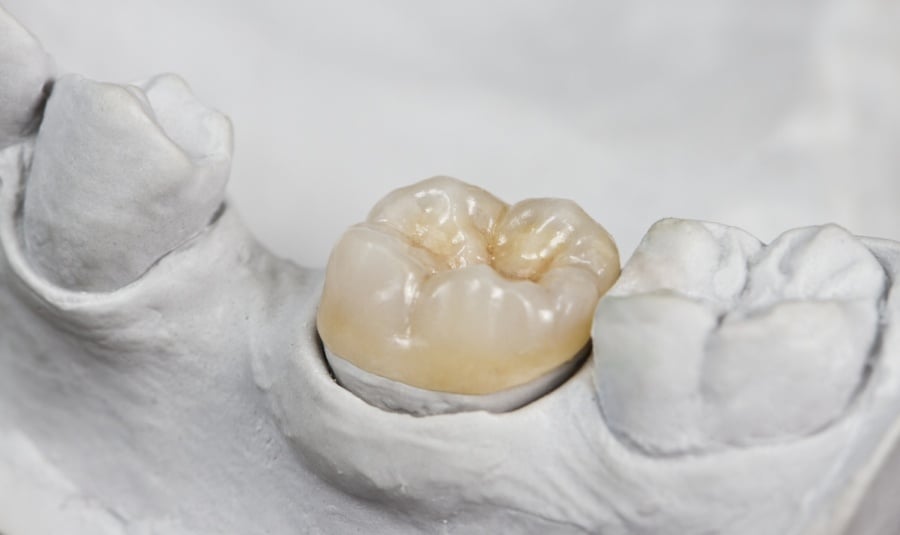
Understanding dental crown necessity is the first step in deciding if this treatment is right for you. A dental crown, often called a “cap,” is a custom-made covering that fits over a tooth to restore its shape, size, strength, and appearance. It essentially encases the entire visible portion of the tooth, providing protection and support.
Common Situations Requiring a Crown
- After a root canal: Following a root canal, a tooth can become brittle and more susceptible to fracture. A crown provides the necessary protection.
- Large fillings: When a filling is too large, it can weaken the remaining tooth structure, making a crown a more durable solution.
- Cracked or broken teeth: Crowns can restore the structural integrity of cracked or broken teeth, preventing further damage and relieving pain.
- Severely worn teeth: Over time, teeth can become worn down due to grinding or other habits. Crowns can restore their original shape and function.
- Cosmetic reasons: Crowns can improve the appearance of misshapen, discolored, or poorly shaped teeth.
Dental crowns can be made from various materials, including porcelain, ceramic, metal alloys, or a combination. The best material depends on the tooth’s location, the patient’s aesthetic preferences, and the dentist’s recommendations. At Albania Dental Implants, we offer high-quality dental work, using materials that deliver strength and aesthetics.
Why Might Your Dentist Recommend a Crown?
The decision to get a crown often stems from the need for broken tooth treatment. Your dentist might recommend a crown for several reasons, all aimed at protecting and restoring your tooth’s health and function. Crowns can also be used for dental crowns in albania to help patients save on dental bills, so that they can still get the treatment they need.
Protection and Restoration
The primary reason for recommending a crown is to protect a weakened tooth from further damage. Whether the tooth is cracked, broken, or has undergone a root canal, a crown acts as a shield, preventing further deterioration. This is vital for maintaining the tooth’s long-term health and preventing the need for more extensive treatments like extraction.
Structural Reasons
- Weak Tooth: A tooth weakened by decay or a large filling is prone to fracture. A crown reinforces the tooth, providing the necessary strength to withstand biting forces.
- Cracked Tooth: Cracks can worsen over time, leading to pain and potential infection. A crown stabilizes the tooth, preventing the crack from spreading.
- After Root Canal: As mentioned earlier, root canals can leave teeth brittle. A crown provides essential protection to prevent breakage.
Preventing Further Damage
Beyond immediate protection, a crown can also prevent future problems. By restoring the tooth’s shape and size, it ensures proper bite alignment, reducing the risk of jaw pain and other dental issues. This preventative approach can save you from more complex and costly treatments in the long run. If a crown isn’t suitable, it may be necessary to consider dental implants in albania, as they are designed as a more permanent and reliable solution.
Alternatives to a Dental Crown
When considering alternatives to crowns, it’s important to know you have choices. While crowns are often the best solution for certain dental problems, other options may be suitable depending on the extent of the damage and your individual needs.
Dental Filling or Onlay
For smaller areas of decay or damage, a dental filling might be sufficient. Fillings are made from materials like composite resin or amalgam and are used to fill cavities and restore the tooth’s shape. Onlays are similar to fillings but are used for larger areas of damage on the chewing surface of the tooth. They are typically made from porcelain or composite resin and are custom-fitted to the tooth.
Inlay
Inlays are similar to onlays but fit within the cusps (the pointed parts) of the tooth. They are also custom-made and can be made from porcelain, composite resin, or gold. Inlays are a good option for restoring teeth with moderate damage that doesn’t extend to the outer edges of the tooth.
Veneers
Veneers are thin shells of porcelain or composite resin that are bonded to the front surface of the tooth. They are primarily used for cosmetic purposes, such as correcting discoloration, chips, or minor misalignments. Veneers are not suitable for teeth with significant structural damage.
When Are Alternatives Appropriate Versus a Crown?
Alternatives are typically appropriate when the damage is minimal and the tooth structure is still relatively strong. Fillings, onlays, and inlays are suitable for smaller cavities and areas of damage. Veneers are best for cosmetic issues. However, if the tooth is severely cracked, broken, or weakened, a crown is usually the more appropriate choice to provide the necessary protection and support. If multiple options aren’t viable, the best solution is to consider how to fix missing teeth without implants.
Risks of Delaying or Avoiding a Crown
Understanding the risks of not getting a crown is crucial for making an informed decision. While it might be tempting to postpone treatment or explore alternative solutions, delaying or avoiding a crown when it’s necessary can lead to serious consequences for your oral health.
Potential for Tooth Fracture
A weakened tooth is already at risk of fracturing. Without the protection of a crown, the likelihood of a fracture increases significantly. A fracture can be painful and may require more extensive treatment, such as a root canal or extraction. In the UK, the NHS provides basic dental care, but more complex treatments like implants may not be readily available, making preventative measures like crowns even more important.
Need for Extraction
If a tooth fractures severely or becomes infected due to untreated damage, extraction may become the only option. Losing a tooth can have a significant impact on your bite, speech, and appearance. Replacing a missing tooth can be costly, involving options like bridges or dental implants UK, which are generally more expensive than a crown.
Increased Costs or Complications
Delaying treatment often leads to increased costs and complications. What might have been a simple crown procedure can turn into a more complex and expensive treatment if the tooth deteriorates further. For example, a small crack that could have been stabilized with a crown might eventually lead to a root canal, extraction, and replacement with an implant. Addressing the issue promptly can save you time, money, and discomfort in the long run.
Pros and Cons of Getting a Dental Crown
Before making a decision, it’s important to weigh the dental crown pros and cons. Like any dental procedure, crowns offer several benefits but also come with certain drawbacks. Understanding these factors can help you determine if a crown is the right choice for you.
Benefits of Getting a Dental Crown
- Protection: Crowns provide a strong, protective barrier for weakened or damaged teeth, preventing further damage and potential infection.
- Longevity: With proper care, dental crowns can last for many years, often 10-15 years or even longer.
- Appearance: Crowns can improve the appearance of misshapen, discolored, or poorly shaped teeth, restoring your smile.
- Function: Crowns restore the tooth’s original shape and size, allowing you to bite and chew comfortably.
Drawbacks of Getting a Dental Crown
- Cost: Crowns can be expensive, especially if you choose a high-quality material like porcelain or zirconia.
- Procedure Time: The process of getting a crown typically requires two dental visits, as the crown needs to be custom-made in a dental lab.
- Risk of Sensitivity or Failure: Some patients may experience sensitivity to hot or cold temperatures after getting a crown. In rare cases, crowns can fail due to decay or fracture.
When comparing options it’s important to note that there is a downside of mini implants. For instance, their long term reliability can be less than traditional dental implants, while at the same time a dental crown is more reliable than other options, and can last for many years.
What to Expect: The Dental Crown Procedure
Knowing what to expect during the dental crown procedure can help ease any anxiety you might have. The process typically involves two visits to your dentist.
Step-by-Step Overview
- First Visit:
- Examination and Preparation: The dentist will examine the tooth and take X-rays to assess its condition. If necessary, they may perform a root canal before proceeding with the crown.
- Anesthesia: The dentist will administer local anesthesia to numb the tooth and surrounding tissues.
- Tooth Reshaping: The dentist will reshape the tooth by removing a layer of enamel to create space for the crown.
- Impression: An impression of the prepared tooth will be taken and sent to a dental lab to create the custom crown.
- Temporary Crown: A temporary crown will be placed on the tooth to protect it while the permanent crown is being made.
- Second Visit:
- Removal of Temporary Crown: The temporary crown will be removed.
- Fitting and Adjustment: The permanent crown will be placed on the tooth, and the dentist will check the fit and bite.
- Cementation: Once the fit is satisfactory, the crown will be cemented permanently onto the tooth.
Types of Materials
- Porcelain: Porcelain crowns offer excellent aesthetics and are a good choice for front teeth.
- Ceramic: Ceramic crowns are strong and durable and can be matched to the natural color of your teeth.
- Metal Alloys: Metal alloy crowns are very strong and resistant to wear and are a good choice for back teeth.
- Porcelain-Fused-to-Metal (PFM): PFM crowns combine the strength of metal with the aesthetics of porcelain.
The choice of material depends on several factors, including the tooth’s location, the patient’s aesthetic preferences, and the dentist’s recommendations. The quality of the material can impact how long does a dental crown last, so it is best to speak to a professional who can give accurate information.
Understanding the Cost of a Dental Crown
The cost of dental crowns is a significant factor for many patients. Prices can vary depending on several factors, including the type of material used, the complexity of the procedure, and whether you choose private or NHS dental care.
Private vs NHS
In the UK, dental care is available through both the NHS and private dentists. NHS dental charges are structured into different treatment bands, with crowns typically falling under Band 3. Private dental care offers a wider range of materials and treatment options, but at a higher cost. You can also ask to ask for crowns on NHS and potentially get some discounts.
- NHS: Offers more affordable options, but choices may be limited.
- Private: Provides a wider range of materials and treatment options, but at a higher cost.
Factors Affecting Price
- Material: Porcelain and ceramic crowns are generally more expensive than metal alloy crowns.
- Location: Dental practices in London and other major cities tend to have higher prices than those in smaller towns.
- Dentist’s Experience: Highly experienced dentists may charge more for their services.
- Lab Fees: The cost of the dental lab creating the crown can also affect the overall price.
Considering dental tourism in Albania with Albania Dental Implants can be a more budget friendly solution. This option allows patients to get top quality treatment at a lower cost.
FAQs About Dental Crowns
Do I really need a crown on my tooth or are there alternatives?
This is a common question, and the answer depends on the extent of the damage to your tooth. If the damage is minimal, alternatives like fillings, onlays, or veneers may be suitable. However, if the tooth is severely cracked, broken, or weakened, a crown is usually the best option to provide the necessary protection and support.
What happens if I don’t get a crown on a damaged or treated tooth?
Delaying or avoiding a crown when it’s necessary can lead to serious consequences. The tooth may fracture, requiring more extensive treatment like a root canal or extraction. Ignoring the issue can also lead to infection and increased costs in the long run.
Can a large filling or onlay replace a crown?
Large fillings and onlays can be used to restore teeth with moderate damage, but they are not always a suitable replacement for a crown. If a large filling is already in place and the tooth is weakened, a crown is often the better choice to provide the necessary strength and protection.
Is a crown necessary after a root canal?
In most cases, a crown is necessary after a root canal. Root canals can leave teeth brittle and more susceptible to fracture. A crown provides the necessary protection to prevent breakage and ensure the tooth’s long-term survival. So yes, a crown is necessary after a root canal.
How long do dental crowns last?
With proper care, dental crowns can last for many years, often 10-15 years or even longer. Factors that can affect the lifespan of a crown include the material used, your oral hygiene habits, and your bite.
Are dental crowns available on the NHS?
Yes, dental crowns are available on the NHS, but the options may be limited. NHS dental charges are structured into different treatment bands, with crowns typically falling under Band 3. Private dental care offers a wider range of materials and treatment options, but at a higher cost.
What are dental crowns made of, and does material matter?
Dental crowns can be made from various materials, including porcelain, ceramic, metal alloys, or a combination. The material used can affect the crown’s appearance, strength, and longevity. Porcelain crowns offer excellent aesthetics and are a good choice for front teeth, while metal alloy crowns are very strong and resistant to wear and are a good choice for back teeth.
Is getting a crown painful or risky?
Getting a crown is generally not painful, as the dentist will administer local anesthesia to numb the tooth and surrounding tissues. However, some patients may experience sensitivity to hot or cold temperatures after getting a crown. In rare cases, crowns can fail due to decay or fracture. So no, getting a crown is not painful or risky.
Will my insurance cover dental crowns in the UK?
Whether or not your insurance will cover dental crowns in the UK depends on your specific policy. Some insurance plans cover a portion of the cost of crowns, while others do not. It’s important to check with your insurance provider to determine your coverage.
Are there downsides to getting a crown?
Yes, there are some downsides to getting a crown. Crowns can be expensive, especially if you choose a high-quality material like porcelain or zirconia. The process of getting a crown typically requires two dental visits, as the crown needs to be custom-made in a dental lab. Some patients may also experience sensitivity to hot or cold temperatures after getting a crown.
Considering Dental Implants
If a tooth is too damaged to be saved with a crown or other restorative treatment, dental implants UK become a viable option. Dental implants are artificial tooth roots that are surgically placed into the jawbone to provide a stable foundation for replacement teeth. Implants can be used to replace a single tooth, multiple teeth, or even an entire arch of teeth. They offer a long-lasting and natural-looking solution for missing teeth.
It is possible to get dental implants on NHS, but this is not always guaranteed. Depending on the situation, it may be beneficial to consider dental implants with Albania Dental Implants.
Conclusion and Call to Action
Deciding whether or not you need a crown on your tooth is a personal decision that should be made in consultation with your dentist. By understanding the benefits and drawbacks of crowns, as well as the available alternatives, you can make an informed choice that is best for your oral health. If you’re considering dental work, Albania Dental Implants offers high-quality and affordable solutions. Contact us today to schedule a consultation and learn more about our services.