


Do they shave your tooth down for a crown? The short answer is yes—reshaping the tooth is a crucial step in the crown placement process. This preparation ensures the crown fits properly, looks natural, and provides long-lasting protection for your tooth. At Albania Dental Implants, we understand that the prospect of altering your natural tooth can be daunting. We are committed to providing clear explanations and comfortable procedures, ensuring your journey to a restored smile is as smooth as possible. Contact us today to learn more about our services and to understand how dental crowns in albania can benefit you.
What Does Getting a Dental Crown Involve?
Understanding the dental crown procedure can alleviate any anxiety you might have. The process typically involves a few key steps, starting with a thorough examination and diagnosis. The dentist assesses the tooth’s condition, takes X-rays, and determines if a crown is the right solution. A local anesthetic is then administered to numb the area.
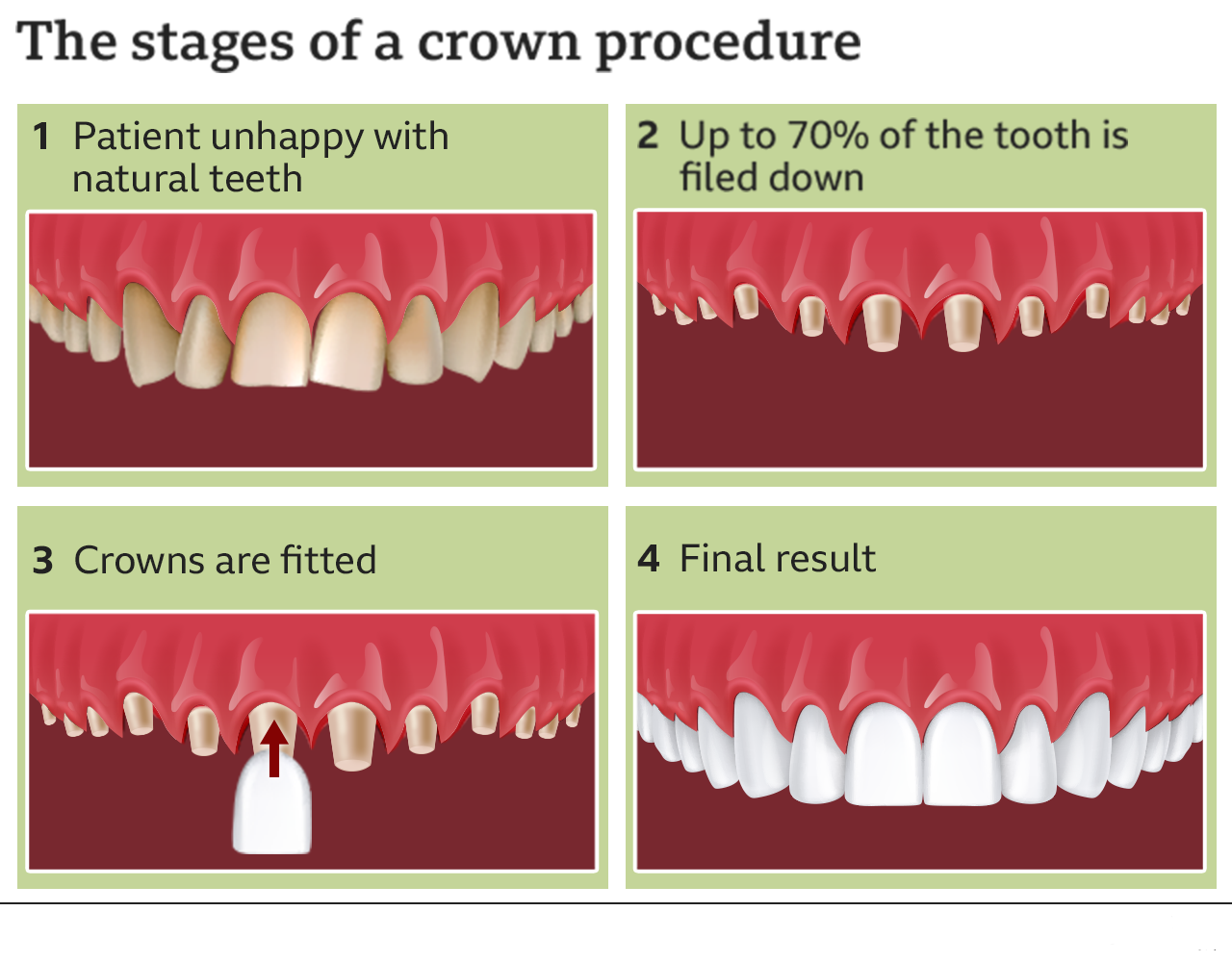
The Full Crown Placement Process
- Examination and Diagnosis: The dentist assesses the tooth’s condition and takes X-rays.
- Anesthesia: Local anesthetic is administered to numb the area.
- Tooth Preparation: A small amount of the tooth structure is removed to create space for the crown.
- Impression: An impression or digital scan is taken of the prepared tooth.
- Temporary Crown: A temporary crown is placed to protect the tooth while the permanent crown is fabricated.
- Permanent Crown Placement: The temporary crown is removed, and the permanent crown is cemented into place.
Why Tooth Preparation is Necessary
The reason for tooth preparation, or “shaving,” is to create enough space for the crown to fit seamlessly over the existing tooth. This ensures that the crown doesn’t feel bulky or look unnatural. Tooth preparation is vital for a successful crown placement.
Do They Shave Your Tooth Down for a Crown?
Yes, tooth shaving for crown placement is a standard procedure. The process involves removing a portion of the tooth’s outer layer to make room for the crown. This reshaping is essential because the crown needs to fit snugly and align correctly with your other teeth.
Why Reshaping is Necessary
Reshaping ensures the crown doesn’t add extra bulk, which could affect your bite and comfort. Without proper reshaping, the crown might sit too high, causing discomfort and potential damage to opposing teeth.
How Much Tooth is Removed
The amount of tooth removed depends on the type of crown being used and the location of the tooth. Generally, dentists aim to remove only what’s necessary to ensure a proper fit and aesthetic outcome.
What “Shaving” the Tooth Involves
What does “shaving” or “preparing” the tooth actually involve? It’s a precise process using specialized dental instruments to carefully remove the outer enamel layer. This ensures that the crown fits precisely and provides optimal support and function. The goal is to create a smooth, even surface for the crown to adhere to.
Why Is Tooth Shaving Necessary?
Dental crown preparation is essential for several reasons. The tooth reduction reasons are primarily functional and aesthetic. The crown’s primary role is to cover and protect a damaged tooth, restoring its function and appearance.
The Role of the Crown
The crown acts as a protective shell, covering the entire visible portion of the tooth. It restores the tooth’s original shape, size, and strength. Crowns are used to:
- Protect a weak tooth from breaking or to hold together parts of a cracked tooth
- Restore a broken tooth or a tooth that has been severely worn down
- Cover and support a tooth with a large filling when there isn’t enough tooth left
- Cover misshapen or severely discolored teeth
Preserving Underlying Tooth Structure
While tooth preparation involves removing some of the tooth, it’s also about preserving the remaining underlying structure. The goal is to ensure the tooth can support the crown effectively and remain healthy in the long term.
Consequences of Inadequate Preparation
Consequences of inadequate preparation can include a poorly fitting crown, which can lead to:
- Increased risk of decay due to gaps between the crown and tooth
- Discomfort or pain due to improper bite alignment
- Aesthetically unappealing results
Proper preparation is vital to prevent these issues and ensure the crown’s longevity and effectiveness.
How Much Tooth Is Removed for a Crown?
Understanding how much tooth is removed for a crown can ease any concerns about the procedure. The amount varies depending on several factors, including the type of crown material and the tooth’s location.
Typical Measurements
Typical measurements range from 1 to 2 millimeters of tooth structure removed from all surfaces of the tooth. This ensures there is enough space for the crown to fit without being too bulky.
Variations Depending on Crown Type
Variations in tooth removal depend on the crown material. For example:
- Porcelain Crowns: May require more tooth removal due to their thickness.
- Metal Crowns: Typically require less tooth removal as they can be made thinner.
- Zirconia Crowns: Offer a balance, requiring moderate tooth removal with excellent strength and aesthetics.
The dentist will choose the most appropriate crown type based on your specific needs and preferences.
Tooth Shaving Risks and Alternatives
While tooth shaving is a standard procedure, it’s important to understand the risks of tooth shaving and explore alternatives to dental crowns. The primary goal is to preserve as much natural tooth structure as possible while ensuring the crown’s success.
Side Effects and Risks
Side effects and risks of tooth preparation can include:
- Tooth Sensitivity: Increased sensitivity to hot and cold temperatures.
- Structural Changes: Alterations in the tooth’s natural structure.
- Nerve Damage: In rare cases, damage to the tooth’s nerve.
These risks are minimized with careful planning and precise execution by an experienced dentist.
Discussion of Less Invasive Options
Less invasive options, such as veneers, inlays, and onlays, may be suitable alternatives in certain situations. These options require less tooth removal and can be used to repair minor damage or aesthetic issues.
When is Minimal Preparation Possible?
Minimal preparation is possible when the tooth has minimal damage or when using certain types of crowns that require less thickness. Your dentist can assess your specific situation and recommend the most conservative approach.
Answers to Common Questions About Tooth Shaving for Crowns
Addressing common concerns about dental crown FAQs and crown preparation questions can help you feel more confident and informed about the process.
Is Shaving the Tooth for a Crown Painful?
Is shaving the tooth for a crown painful? Thanks to local anesthesia, the tooth preparation process is generally painless. You might feel some pressure or vibration, but you shouldn’t experience any significant discomfort.
Will My Tooth Be Sensitive After Preparation?
Will my tooth be sensitive after preparation? It’s common to experience some tooth sensitivity after the preparation. This is usually temporary and can be managed with over-the-counter pain relievers and desensitizing toothpaste.
How Long Does the Shaving/Preparation Process Take?
How long does the shaving/preparation process take? The tooth preparation process typically takes between 30 minutes to an hour, depending on the complexity of the case.
Are There Crowns That Require Less Tooth to Be Shaved Down?
Are there crowns that require less tooth to be shaved down? Yes, certain types of crowns, such as metal crowns, require less tooth reduction due to their ability to be made thinner while maintaining strength.
Can You Get a Crown Without Shaving the Tooth?
Can you get a crown without shaving the tooth? In most cases, some tooth preparation is necessary to ensure the crown fits properly. However, in very rare instances, if the tooth is already significantly smaller than normal, minimal to no preparation might be needed.
What Happens If Not Enough Tooth Is Left to Support a Crown?
What happens if not enough tooth is left to support a crown? If there isn’t enough tooth structure, additional procedures like a core buildup may be required to provide adequate support for the crown. In some cases, when bone support is lacking, we could recommend bone grafting in albania to add support for the root of the damaged tooth.
Choosing the Right Type of Crown: How It Affects Tooth Preparation
Selecting the right crown material is crucial, as it significantly impacts the extent of tooth preparation required. Different types of dental crowns necessitate varying degrees of tooth reduction to ensure a proper fit and optimal aesthetic outcome.
Compare Preparation Required for Common Crown Materials
- All-Ceramic Crowns: These crowns, known for their natural appearance, often require more tooth reduction due to their thickness.
- Metal Crowns: Offering exceptional strength, metal crowns allow for minimal tooth removal, making them a conservative option.
- Porcelain-Fused-to-Metal Crowns: Striking a balance between aesthetics and durability, these crowns generally require a moderate amount of tooth preparation.
- Zirconia Crowns: Zirconia crowns in albania provide high strength and biocompatibility. They typically require a moderate amount of tooth preparation and offer an excellent aesthetic outcome.
All-Ceramic vs. Metal vs. Porcelain-Fused-to-Metal
All-ceramic crowns are ideal for patients prioritizing aesthetics, while metal crowns are best suited for those needing maximum strength and minimal tooth removal. Porcelain-fused-to-metal crowns offer a blend of both, making them a versatile choice. The choice depends on the tooth’s location, the bite forces it endures, and the desired aesthetic result.
What to Expect After Tooth Preparation and Crown Placement
Knowing aftercare after crown placement can help you manage any discomfort and ensure the longevity of your crown. Proper care and attention are essential for a successful outcome.
Post-Procedure Care
Following tooth preparation and crown placement, it’s crucial to adhere to specific aftercare instructions. These typically include:
- Avoiding hard or sticky foods that could dislodge the temporary crown
- Maintaining good oral hygiene by brushing and flossing gently
- Using a soft-bristled toothbrush to prevent irritation
Sensitivity Management
It’s common to experience some tooth sensitivity after the procedure. This can be managed by:
- Using desensitizing toothpaste
- Avoiding extremely hot or cold foods and beverages
- Taking over-the-counter pain relievers as needed
Preventing Complications
Preventing complications involves:
- Attending follow-up appointments to ensure the crown fits properly
- Maintaining excellent oral hygiene to prevent decay
- Avoiding habits like teeth grinding or clenching
If you experience any persistent pain, swelling, or other unusual symptoms, contact your dentist immediately.
Summary – Key Points to Remember About Tooth Shaving and Crowns
To recap, here are the key points to remember about dental crowns in albania and tooth preparation:
- Tooth shaving is a necessary step for proper crown placement.
- The amount of tooth removed depends on the crown type and tooth condition.
- Local anesthesia ensures a painless procedure.
- Some sensitivity after preparation is normal and manageable.
- Proper aftercare is crucial for the crown’s longevity.
- Less invasive alternatives might be suitable in certain cases.
At Albania Dental Implants Services, we prioritize your comfort and satisfaction. Our experienced team ensures that every step of the crown placement process is performed with precision and care.
References & Resources
For further information, consult these authoritative dental associations and resources:
- British Dental Association: https://bda.org/
- NHS: https://www.nhs.uk/
- American Dental Association: https://www.ada.org/
FAQ-Style Questions to Include:
Do they always shave your tooth for a crown?
Yes, in almost all cases, some amount of tooth shaving is necessary. This ensures that the crown fits properly and does not alter your bite. The amount of shaving required depends on the type of crown and the existing condition of the tooth.
How much is shaved off my tooth for a crown?
Typically, 1-2mm of tooth structure is shaved off to make room for the crown. The precise amount varies based on the material used for the crown and the specific requirements of your tooth.
Will shaving my tooth hurt or damage it?
Shaving the tooth is done under local anesthesia, so you should not feel any pain during the procedure. While there are minimal risks, your dentist will take every precaution to protect the health of your tooth.
Can I avoid tooth shaving with alternative treatments?
In some cases, less invasive treatments like veneers, inlays, or onlays might be suitable alternatives. However, these options are typically for minor damage and may not be appropriate for teeth requiring the full coverage of a crown. In some instances where the root is damaged, tooth extraction followed by dental implants might be better.
Is tooth shaving permanent?
Yes, tooth shaving is a permanent procedure. Once the tooth structure is removed, it cannot be restored naturally. Therefore, it’s essential to have a crown placed to protect the prepared tooth.
How do I care for my tooth after it has been prepared for a crown?
After tooth preparation, it’s essential to maintain good oral hygiene by brushing and flossing gently. Avoid hard or sticky foods that could dislodge the temporary crown and follow your dentist’s specific aftercare instructions.
What happens if the tooth is over-shaved?
Over-shaving a tooth can lead to increased sensitivity, nerve damage, or a poorly fitting crown. To avoid any possible negative outcomes, it’s necessary to make sure that your dentist is experienced.
Are you ready to restore your smile with a durable, natural-looking crown? At Albania Dental Implants, we combine expertise, advanced technology, and affordable options to provide exceptional dental care. Contact us today for a consultation and discover how we can help you achieve the smile you deserve! Find the cost of dental implants in albania today!