



Tooth Cap – What You Need to Know Before Getting a Tooth Crown
Tooth cap is a common dental restoration used to protect and strengthen damaged or decayed teeth. This guide will provide you with comprehensive information about tooth caps, also known as dental crowns, helping you make an informed decision about restoring your smile and protecting your oral health.
What is a Tooth Cap?
Dental crown, tooth crown
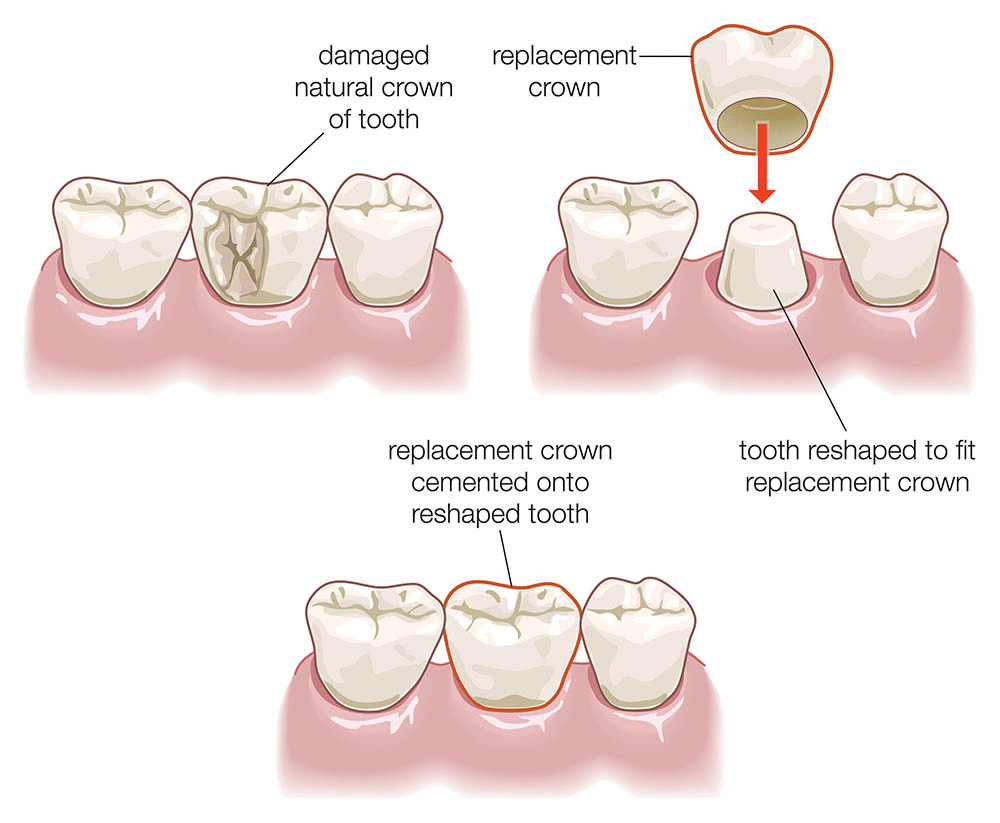
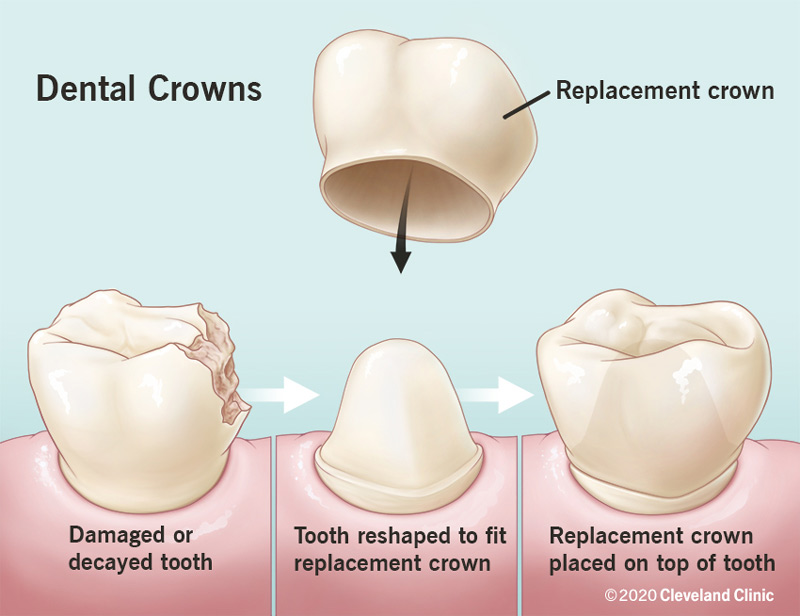
A tooth cap, or dental crown, is a custom-made covering that fits over a damaged, decayed, or weakened tooth. It acts as a protective shell, restoring the tooth’s shape, size, strength, and appearance.
Definition and Purpose
A dental crown encircles the entire visible portion of a tooth above the gum line. Its primary purpose is to:
- Protect a weakened tooth from further damage.
- Restore a broken or fractured tooth.
- Cover a tooth that has undergone root canal treatment.
- Improve the appearance of a misshapen or discolored tooth.
- Support a tooth with a large filling when there isn’t enough tooth structure remaining.
When is a Tooth Cap Recommended?
A dentist might recommend a dental crown in the following situations:
- Extensive decay: When a cavity is too large to be filled.
- Fractured or broken tooth: To restore the tooth’s structure and prevent further damage.
- Root canal treatment: To protect the tooth after the procedure, as it can become brittle.
- Cosmetic reasons: To cover severely discolored or misshapen teeth, offering cosmetic dentistry benefits.
- Cracked tooth syndrome: To hold the tooth together and alleviate pain.
Differences Between a Tooth Cap and a Filling
Both tooth caps and fillings are dental restorations, but they serve different purposes:
- Fillings: Used to fill small cavities and restore minor damage to a tooth. They only cover a portion of the tooth.
- Tooth Caps: Cover the entire visible portion of the tooth. They are used for more extensive damage, providing strength and protection. They are also used for cosmetic improvements, offering solutions to patients seeking a hollywood smile in albania.
When deciding between a tooth cap and filling, the dentist will assess the extent of the damage. If the damage is substantial, a tooth cap is generally the better option.
Types of Tooth Cap
Types of tooth cap, permanent crown, temporary crown
Several types of tooth caps are available, each with its own advantages and disadvantages. The choice of material depends on factors such as aesthetics, durability, cost, and location of the tooth.
Porcelain Crowns
Porcelain crowns are popular due to their natural appearance. They mimic the color and translucency of natural teeth, making them an excellent choice for front teeth.
- Pros: Excellent aesthetics, biocompatible.
- Cons: Less durable than metal or zirconia crowns.
Ceramic Crowns
Ceramic crowns are another tooth-colored option known for their aesthetic appeal. They are made from materials like E-max, known for their strength and lifelike appearance.
- Pros: Good aesthetics, biocompatible, relatively strong.
- Cons: Can be more expensive than other options.
Metal Crowns
Metal crowns, typically made of gold alloys or other metals, are known for their exceptional strength and durability. However, their metallic appearance makes them less desirable for visible teeth.
- Pros: Extremely durable, long-lasting, resistant to chipping and cracking.
- Cons: Poor aesthetics, may cause allergic reactions in some individuals.
Porcelain-Fused-to-Metal (PFM) Crowns
PFM crowns combine the strength of metal with the aesthetics of porcelain. They have a metal base covered with a layer of porcelain.
- Pros: Good balance of strength and aesthetics, more affordable than all-ceramic crowns.
- Cons: The metal base can sometimes be visible as a dark line near the gum line.
Zirconia Crowns
Zirconia crowns are made from a strong ceramic material that offers both durability and aesthetics. They are a popular choice for both front and back teeth.
- Pros: Excellent strength and aesthetics, biocompatible, resistant to chipping and cracking. If you are looking for zirconia implants in albania, this option can be a match.
- Cons: Can be more expensive than PFM crowns.
Temporary vs Permanent Crowns
Temporary crowns are made of acrylic or stainless steel and are used as a temporary solution while the permanent crown is being fabricated.
- Temporary Crowns: Protect the prepared tooth, maintain spacing, and allow you to function normally while waiting for the permanent crown.
- Permanent Crowns: Offer a long-term solution, providing strength, protection, and aesthetics.
When to Choose Each Type
The dentist will consider the following factors when recommending a specific type of tooth cap:
- Location of the tooth: Aesthetic considerations are more important for front teeth, while strength is crucial for back teeth.
- Aesthetic preferences: Some patients prioritize a natural appearance, while others are more concerned with durability.
- Budget: Different materials have varying costs, impacting the overall price of the restoration.
- Allergies: Some individuals may have allergies to certain metals, influencing the choice of material.
Tooth Cap Procedure
Tooth cap procedure, dental restoration
The tooth cap procedure typically involves two dental visits. The first visit involves preparing the tooth and taking impressions, while the second visit involves fitting and cementing the final crown.
Step-by-Step Overview
- Examination and Preparation: The dentist examines the tooth, takes X-rays, and determines if a root canal is necessary. The tooth is then filed down to create space for the crown.
- Impression: An impression of the prepared tooth and surrounding teeth is taken. This impression is sent to a dental laboratory, which fabricates the custom crown.
- Temporary Crown Placement: A temporary crown is placed to protect the prepared tooth while the permanent crown is being made.
- Final Crown Fitting: The permanent crown is checked for fit and color. If everything is satisfactory, the crown is cemented into place.
Preparation and Fitting
Tooth preparation involves:
- Removing any decay: The dentist removes any decayed or damaged portions of the tooth.
- Reshaping the tooth: The tooth is reshaped to ensure the crown fits properly.
During the fitting, the dentist will:
- Check the fit: The crown should fit snugly and comfortably over the prepared tooth.
- Adjust the bite: The crown should not interfere with your bite or cause any discomfort.
- Cement the crown: Once the fit is perfect, the dentist will use a special cement to bond the crown to the tooth.
Recovery Timeline
Most patients experience minimal discomfort after the tooth cap procedure. Mild sensitivity to hot and cold is common but usually subsides within a few days. Over-the-counter pain relievers can help manage any discomfort.
Temporary Cap (Why it’s Needed)
A temporary cap is essential for:
- Protecting the prepared tooth: Prevents sensitivity and damage.
- Maintaining space: Ensures the surrounding teeth don’t shift, which could affect the fit of the permanent crown.
- Maintaining aesthetics: Provides a temporary solution for appearance and function.
Cost and Durability of Tooth Caps
Tooth cap cost, tooth cap durability
The cost of tooth caps varies depending on the material used, the complexity of the case, and whether you choose private or NHS dental care. Similarly, the durability of a tooth cap depends on the material and how well it is maintained.
UK Price Range (Private vs NHS)
In the UK, the price of a tooth cap can vary significantly:
- NHS: Costs are typically lower, falling within Band 2 or Band 3 charges (approximately £70.70 to £306.80 as of 2024), depending on the complexity of the treatment.
- Private: Prices range from £500 to £1200 or more per crown, depending on the material and the dentist’s fees.
For those considering more affordable options, exploring dental tourism in albania with clinics like Albania Dental Implants can be a great opportunity.
Factors Affecting Cost
Several factors influence the tooth cap cost:
- Material: Porcelain and zirconia crowns are typically more expensive than metal or PFM crowns.
- Location: Practices in larger cities or affluent areas may charge higher fees.
- Complexity: If additional procedures, such as a root canal or bone grafting in albania, are required, the overall cost will increase.
- Dentist’s experience: Highly experienced dentists may charge higher fees.
Average Lifespan
The average lifespan of a tooth cap is 5 to 15 years. However, with proper care and maintenance, some crowns can last much longer.
Maintenance Tips
To maximize the lifespan of your dental crown:
- Practice good oral hygiene: Brush twice daily and floss once daily.
- Avoid hard and sticky foods: These can damage or dislodge the crown.
- Visit your dentist regularly: Regular check-ups and cleanings can help detect and address any issues early.
- Consider a mouthguard: If you grind your teeth, a mouthguard can protect the crown from excessive wear and tear.
Aftercare and Common Problems
Tooth cap aftercare
Proper tooth cap aftercare is essential for maintaining the health and longevity of your dental restoration. While crowns are durable, certain problems can arise, requiring prompt attention.
Cleaning and Care Advice
To ensure your dental crown lasts for many years:
- Brush and floss regularly: Pay special attention to the area around the crown to prevent plaque buildup.
- Use a soft-bristled toothbrush: Avoid abrasive toothpastes that can scratch the crown.
- Rinse with mouthwash: An antibacterial mouthwash can help kill bacteria and prevent gum disease.
Sensitivity, Discomfort, and Solutions
Some patients experience sensitivity or discomfort after getting a tooth cap. This is usually temporary and can be managed with:
- Over-the-counter pain relievers: Such as ibuprofen or acetaminophen.
- Desensitizing toothpaste: Formulated to reduce tooth sensitivity.
- Avoiding hot and cold foods: Until the sensitivity subsides.
If the sensitivity persists or becomes severe, contact your dentist.
What to Do if a Tooth Cap Comes Off
If your tooth cap comes off, it’s important to:
- Contact your dentist immediately: To schedule an appointment to recement the crown.
- Store the crown safely: Keep it in a clean, dry place.
- Clean the tooth: Gently brush the exposed tooth to remove any debris.
- Use temporary cement (optional): If you cannot see your dentist immediately, you can purchase temporary dental cement at a drugstore to hold the crown in place.
Signs a Cap Needs Replacement
Several signs indicate that a tooth cap may need replacement:
- Pain or sensitivity: Especially when biting down.
- Visible cracks or chips: In the crown.
- Receding gums: Exposing the margin of the crown.
- Loose crown: Feeling movement when you touch the crown.
- Dark line near the gum line: Indicating the metal base of a PFM crown is showing.
If you experience any of these issues, consult your dentist for an evaluation.
Tooth Caps for Children
Tooth cap for children
Tooth caps are sometimes necessary for children, particularly when a tooth has extensive decay or has undergone a pulpotomy (a procedure similar to a root canal but performed on baby teeth).
Why Kids Need Tooth Caps
Children may need tooth caps for the following reasons:
- Extensive decay: When a cavity is too large to be filled.
- After pulpotomy: To protect the tooth after the procedure.
- Developmental defects: To cover teeth with enamel defects.
- Fractured teeth: Due to injury.
Differences in Materials and Technique
Tooth caps for children may differ from those used in adults:
- Materials: Stainless steel crowns are commonly used for back teeth due to their durability and affordability. Tooth-colored crowns may be used for front teeth.
- Technique: The procedure is generally quicker and less invasive than in adults.
Paediatric Dental Care Advice
To maintain your child’s tooth caps:
- Encourage good oral hygiene: Brush twice daily and floss once daily.
- Limit sugary foods and drinks: These can contribute to decay around the crown.
- Schedule regular dental check-ups: To monitor the crown and address any issues early.
Alternatives to Tooth Caps
Tooth cap alternatives
While tooth caps are a common and effective restoration, several alternatives are available, depending on the extent of the damage and the patient’s preferences.
Veneers
Veneers are thin shells of porcelain or composite resin that are bonded to the front surface of teeth. They are primarily used for cosmetic purposes, such as correcting minor imperfections and discoloration. Dental veneers in albania are becoming increasingly popular.
- Pros: Excellent aesthetics, less invasive than crowns.
- Cons: Not suitable for severely damaged or weakened teeth.
Inlays and Onlays
Inlays and onlays are custom-made restorations that fit within the grooves (inlays) or cover one or more cusps (onlays) of a tooth. They are used to restore teeth with moderate damage.
- Pros: More conservative than crowns, can strengthen the tooth.
- Cons: Not suitable for teeth with extensive damage.
Tooth Extraction and Implants
If a tooth is severely damaged or decayed beyond repair, extraction may be necessary. In such cases, dental implants in albania can be used to replace the missing tooth.
- Pros: Permanent solution, restores full function and aesthetics.
- Cons: More invasive and expensive than other options.
Choosing the Right Restoration
The best restoration option depends on:
- Extent of damage: Crowns are suitable for extensive damage, while fillings or inlays/onlays may be sufficient for minor damage.
- Aesthetic considerations: Veneers and ceramic crowns offer the best aesthetics.
- Cost: Fillings are generally the most affordable option, while implants are the most expensive.
- Patient preferences: The dentist will discuss the pros and cons of each option and help you choose the best solution for your needs.
FAQs
Each question below should be answered in detail.
What is a tooth cap and why is it used?
A tooth cap, or dental crown, is a custom-made covering that fits over a damaged, decayed, or weakened tooth. It is used to protect and restore the tooth’s shape, size, strength, and appearance, offering comprehensive dental restoration.
How long does a tooth cap last?
The average lifespan of a tooth cap is 5 to 15 years. Proper oral hygiene, regular dental check-ups, and avoiding hard or sticky foods can extend its lifespan. Patients should know how long does a dental crown last for proper care.
What are the different types of tooth cap?
The different types of tooth caps include porcelain, ceramic, metal, porcelain-fused-to-metal (PFM), and zirconia crowns. Each type offers varying levels of aesthetics, durability, and cost, catering to different needs and preferences.
How much does a tooth cap cost in the UK?
In the UK, the cost of a tooth cap ranges from approximately £70.70 to £306.80 on the NHS, depending on the complexity of the treatment. Private dental care costs range from £500 to £1200 or more per crown, depending on the material and dentist’s fees. This also influences the how much do crowns cost in the uk.
What is the procedure for getting a tooth cap?
The procedure for getting a tooth cap typically involves two visits. The first visit includes examination, preparation, and impression-taking, while the second visit involves fitting and cementing the final crown. A temporary crown is placed in between visits to protect the prepared tooth.
Does getting a tooth cap hurt?
Getting a tooth cap is generally not painful. The dentist will use local anesthesia to numb the area before preparing the tooth. Some patients may experience mild sensitivity or discomfort after the procedure, which can be managed with over-the-counter pain relievers.
Can you eat normally with a tooth cap?
Yes, you can eat normally with a tooth cap. However, it is advisable to avoid hard and sticky foods that can damage or dislodge the crown. Chewing food with a dental crown might be more challenging at first, but one will adapt to it. For more details about post-procedure diets, patients might be interested to know can you eat chips with implants.
What happens if my tooth cap falls out?
If your tooth cap falls out, contact your dentist immediately to schedule an appointment to recement the crown. Store the crown safely, clean the tooth gently, and consider using temporary dental cement until you can see the dentist.
Are tooth caps safe for children?
Yes, tooth caps are safe for children and are sometimes necessary when a tooth has extensive decay or has undergone a pulpotomy. Stainless steel crowns are commonly used for back teeth due to their durability.
What is the difference between a tooth cap and a tooth filling?
A tooth cap covers the entire visible portion of the tooth and is used for extensive damage, while a tooth filling only fills a small cavity and restores minor damage to a portion of the tooth. Thus, there is a distinct difference between a cap and a crown, depending on the procedure.
Are there alternatives to tooth caps?
Alternatives to tooth caps include veneers, inlays and onlays, and tooth extraction with dental implants. The choice depends on the extent of the damage, aesthetic considerations, and patient preferences.
How do I care for my tooth cap?
To care for your tooth cap, practice good oral hygiene by brushing twice daily and flossing once daily. Avoid hard and sticky foods, visit your dentist regularly for check-ups and cleanings, and consider a mouthguard if you grind your teeth.
Does the NHS cover tooth caps?
Yes, the NHS covers tooth caps, but availability may be limited, and costs vary depending on the treatment band. The patient will need to understand the what is the nhs charge for a crown.
What causes a tooth cap to fail or break?
A tooth cap can fail or break due to factors such as poor oral hygiene, excessive grinding or clenching of teeth, trauma, decay under the crown, or biting on hard objects. Patients who follow the proper aftercare can experience success for decades.
Is there any risk of allergy or reaction to tooth cap materials?
Yes, there is a risk of allergy or reaction to tooth cap materials, particularly with metal crowns. Patients with known metal allergies should inform their dentist, who can recommend alternative materials such as porcelain or zirconia.
Considering a tooth cap or other dental restoration? Contact Albania Dental Implants today to learn more about our services and affordable options in Albania! Our experienced team is dedicated to providing high-quality dental care and helping you achieve a healthy, beautiful smile.