



What Are Crowns Teeth? Everything You Need to Know
What are crowns teeth? They are essentially caps that dentists place over a damaged or weakened tooth to restore its shape, size, strength, and improve its appearance. If you’re considering restorative dental solutions in the UK, understanding what crowns are, the types available, and their costs is essential. At Albania Dental Implants, we offer high-quality, affordable options, including the opportunity to combine your treatment with a dental tourism trip to Albania.
What Are Crowns Teeth? (Definition & Purpose)
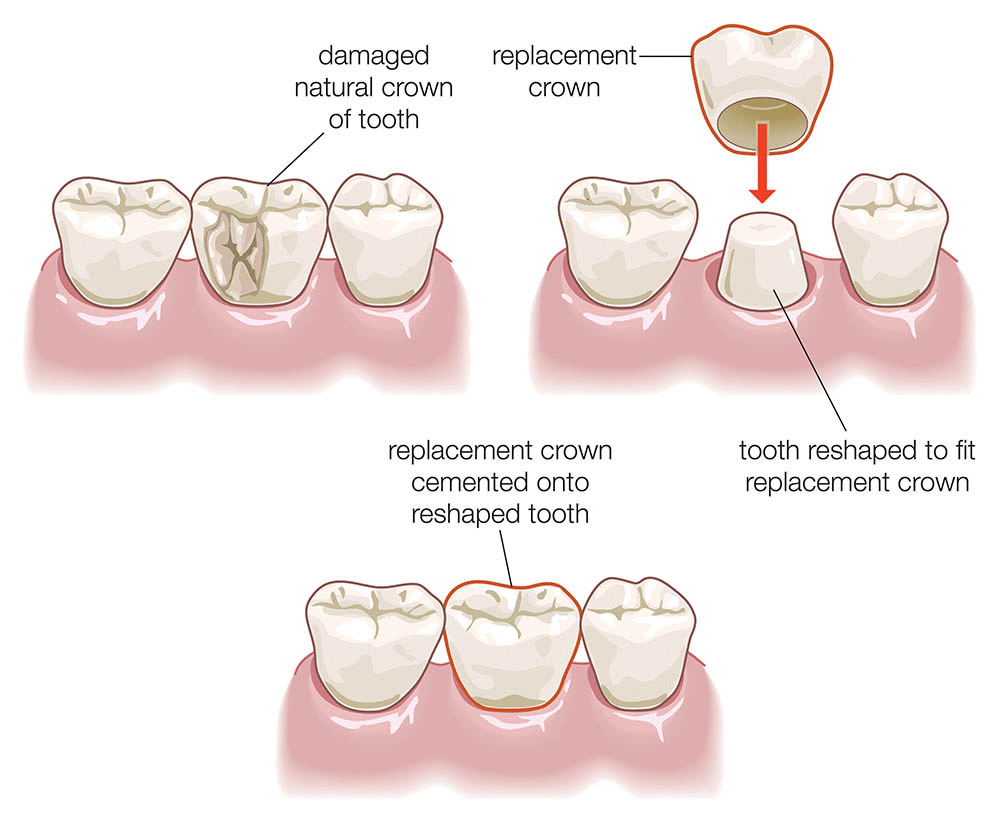
When discussing dental crowns, it’s crucial to understand their core function. A dental crown, also referred to as a tooth crown or crown tooth, is a custom-made covering that encases the entire visible portion of a tooth. Think of it as a protective helmet for your tooth. These crowns are meticulously crafted to fit snugly and securely, restoring the tooth to its original shape and size, and are most of the time permanently bonded.
Why are crowns teeth used?
Dental crowns serve multiple critical purposes. Firstly, they provide restoration to teeth that have been severely damaged by decay, fractures, or large fillings. Secondly, they offer protection to weakened teeth, preventing further damage and potential loss. Finally, crowns can significantly improve the aesthetics of your smile by correcting misshapen, discolored, or uneven teeth.
Common Reasons for Needing a Crown
There are many reasons why one might require a dental crown. These include:
- Severe Tooth Decay: When decay has extensively damaged a tooth, a crown can protect the remaining structure.
- Cracked or Broken Teeth: Crowns provide stability and prevent further cracking.
- After Root Canal Treatment: A crown is often placed after a root canal to protect the weakened tooth.
- Large Fillings: When a filling is too large to adequately support a tooth, a crown offers better reinforcement.
- Cosmetic Improvement: Crowns can correct misshapen, discolored, or uneven teeth. For a comprehensive solution for cosmetic imperfections, consider a hollywood smile in albania.
Types of Crowns Teeth
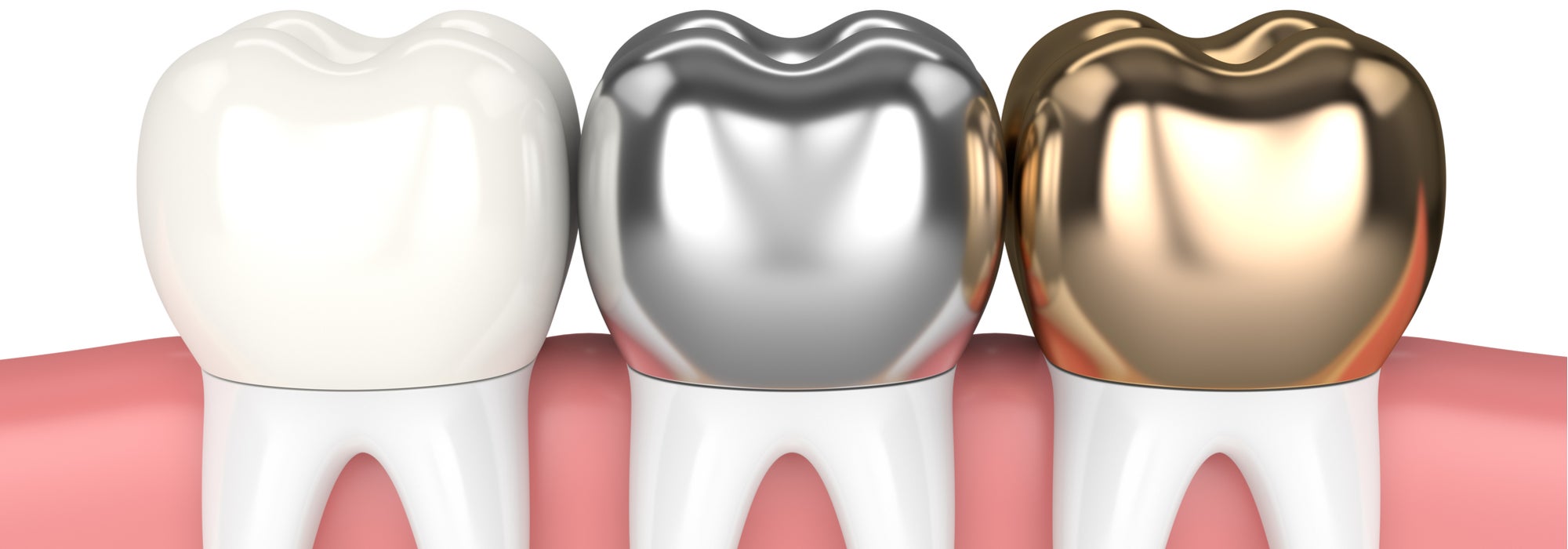
The world of types of crowns is vast, and the best material for you depends on your needs and preferences. Crown materials range from durable metals to aesthetically pleasing porcelains. Here’s a breakdown of the most common types:
Porcelain Crowns
Porcelain crowns are known for their natural appearance. Since they can be matched to the color of your existing teeth, they are best for aesthetics, especially for front teeth. The pros include excellent aesthetics and biocompatibility. However, they may not be as durable as metal crowns and can be more prone to chipping.
Metal Crowns (Gold, Alloy)
Metal crowns, typically made from gold or other alloys, offer exceptional durability and longevity. They can withstand significant biting forces, making them ideal for back teeth. While they are incredibly strong, their metallic color makes them less aesthetically pleasing for front teeth.
Porcelain-Fused-to-Metal (PFM) Crowns
Porcelain-Fused-to-Metal (PFM) Crowns offer a balance of strength and appearance. The metal base provides durability, while the porcelain overlay offers a natural look. However, the metal base can sometimes be visible as a dark line near the gumline.
Zirconia Crowns
Zirconia crowns are a modern option that combines strength with a natural look. Zirconia is a very strong ceramic material that can withstand heavy biting forces while still looking aesthetically pleasing. They are a great choice for both front and back teeth. For those exploring cutting-edge solutions, consider the benefits of zirconia implants in albania as an alternative approach to tooth restoration.
Temporary Crowns
Temporary crowns serve as a placeholder while your permanent crown is being fabricated. They are typically made from acrylic or stainless steel and are not designed for long-term use. Their purpose is to protect the prepared tooth and maintain its position until the final crown is ready.
When Do You Need Crowns Teeth?
Understanding when you might need a crown tooth can help you make informed decisions about your dental health. A crown procedure is often recommended in various situations to protect and restore damaged teeth. Common scenarios include:
- Severe Tooth Decay: If a tooth has extensive decay that cannot be adequately filled, a crown can protect the remaining tooth structure.
- Cracked or Broken Teeth: Crowns provide structural support to cracked or broken teeth, preventing further damage.
- After Root Canal Treatment: A tooth that has undergone root canal treatment is often weakened, and a crown is placed to protect it from fracturing. For those considering this procedure, explore our affordable oral surgery in albania options.
- Large Fillings: When a filling is too large and compromises the tooth’s integrity, a crown offers a more stable and durable solution.
- Cosmetic Reasons: Crowns can correct misshapen, discolored, or uneven teeth, enhancing your smile’s aesthetics.
How Are Crowns Teeth Fitted? Step-by-Step Procedure
The crown procedure involves several steps to ensure a proper fit and natural appearance. Understanding each step can help alleviate any anxiety you may have about the process. Here’s a detailed breakdown:
Initial Consultation & Assessment
The process begins with an initial consultation where your dentist assesses your oral health and determines if a crown tooth is the right solution for you. This involves a thorough examination, X-rays, and a discussion of your treatment options.
Tooth Preparation
The next step is tooth preparation. Your dentist will reshape the tooth to create space for the crown. This involves removing any decay and filing down the tooth to the appropriate size and shape. The amount of tooth removed depends on the type of crown being used.
Impressions & Temporary Crown
After tooth preparation, your dentist will take impressions of your tooth. These impressions are sent to a dental laboratory, where your custom crown will be fabricated. While the permanent crown is being made, you will receive a temporary crown to protect the prepared tooth.
Crown Fabrication (Lab or In-House)
Your crown will be created in a dental laboratory using the impressions taken by your dentist. Some dental offices also offer in-house crown fabrication using advanced technology like CEREC, allowing you to receive your permanent crown in a single visit.
Final Fitting & Adjustment
Once the permanent crown is ready, you’ll return to your dentist for the final fitting. Your dentist will carefully check the fit, shape, and color of the crown to ensure it blends seamlessly with your natural teeth. Any necessary adjustments will be made to ensure a comfortable and proper fit before the crown is permanently cemented into place.
How Much Do Crowns Teeth Cost in the UK?
The crown cost UK can vary widely, depending on several factors. It’s important to understand these factors to budget accordingly. Whether you opt for dental crowns via the NHS or private dental care significantly impacts the price.
Average Price Range (NHS vs Private)
On the NHS, the cost of a crown falls within a specific price band, which includes the examination, diagnosis, and fitting of the crown. Private dental care typically involves a higher cost but offers a wider range of materials and potentially shorter waiting times. The average price range for a private crown in the UK can range from £500 to £1,200 or more, depending on the material and clinic.
Factors Affecting Cost (Material, Clinic, Location)
Several factors influence the overall crown cost UK:
- Material: Porcelain and zirconia crowns generally cost more than metal or PFM crowns.
- Clinic: Prices vary between different dental clinics, with some charging more based on their location, reputation, and technology.
- Location: Dental costs tend to be higher in major cities like London compared to more rural areas.
NHS vs Private Dental Crowns
Choosing between NHS and private dental crowns depends on your budget and preferences. NHS crowns are more affordable but may have limited material options and longer waiting times. Private crowns offer a wider selection of materials, advanced technology, and potentially shorter waiting times, but come at a higher cost.
Insurance and Payment Plans
Many dental insurance plans cover a portion of the cost of dental crowns, but it’s essential to check your policy details. Some dental clinics also offer payment plans to help spread the cost of treatment over time. For those looking for more budget-friendly options, consider exploring dental tourism in albania, which combines quality care with significant cost savings.
Benefits of Crowns Teeth
The benefits of crowns extend beyond just restoring a damaged tooth. Dental crowns can significantly improve your overall oral health and quality of life. Here are some key advantages:
- Restores Function and Appearance: Crowns restore your ability to chew and speak comfortably while enhancing the appearance of your smile.
- Protects Weakened Teeth: Crowns shield weakened teeth from further damage and potential loss.
- Long-Lasting Solution: With proper care, crowns can last for many years, providing a durable and reliable solution.
- Improves Confidence: A restored smile can boost your self-esteem and confidence in social and professional settings.
Risks & Considerations
While dental crowns offer many benefits, it’s important to be aware of the potential crown replacement needs and crown aftercare considerations. Understanding these risks can help you make informed decisions and maintain your oral health.
Possible Complications
Like any dental procedure, crowns can have potential complications:
- Sensitivity: Some patients may experience sensitivity to hot or cold temperatures after getting a crown.
- Chipping: Porcelain crowns can sometimes chip, requiring repair or replacement.
- Gum Issues: Poorly fitted crowns can lead to gum irritation or recession.
Lifespan of Crowns
The lifespan of dental crowns typically ranges from 5 to 15 years, but this can vary depending on factors such as oral hygiene, diet, and bruxism (teeth grinding).
When to Replace a Crown
Signs that you may need to replace a crown include:
- Visible Damage: Cracks, chips, or fractures in the crown.
- Loose Crown: A crown that feels loose or unstable.
- Pain or Sensitivity: Persistent pain or sensitivity around the crowned tooth.
- Gum Recession: Gum recession around the crown, exposing the margin.
Crowns Teeth vs Veneers: What’s the Difference?
When considering cosmetic dental options, many people wonder about the difference between a crown vs veneer. Both treatments can improve the appearance of your teeth, but they serve different purposes and have distinct characteristics.
Purpose and Coverage
A crown covers the entire visible portion of a tooth, providing comprehensive protection and restoration. A veneer, on the other hand, is a thin shell that covers only the front surface of a tooth, primarily addressing cosmetic issues like stains, chips, or minor misalignments. For smaller cosmetic issues, explore the options of dental veneers in albania.
Procedure Differences
The procedure for a crown involves reshaping the entire tooth, while a veneer requires minimal tooth alteration. Crowns are typically recommended for teeth with significant damage or decay, while veneers are better suited for teeth with primarily cosmetic concerns.
Best Use Cases for Each
Crowns are ideal for:
- Severely damaged or decayed teeth
- Teeth that have undergone root canal treatment
- Teeth requiring significant structural support
Veneers are ideal for:
- Stained or discolored teeth
- Chipped or slightly cracked teeth
- Minor misalignments or gaps
Aftercare for Crowns Teeth
Proper crown aftercare is essential for prolonging the life of your crown tooth and maintaining good oral health. Following these tips can help you keep your crown in excellent condition:
Oral Hygiene Tips
- Brush your teeth at least twice a day with a soft-bristled toothbrush.
- Floss daily to remove plaque and debris from around the crown.
- Use an antimicrobial mouthwash to kill bacteria and prevent gum disease.
Foods to Avoid
- Avoid sticky or chewy foods that can pull on the crown.
- Limit hard foods that can damage or crack the crown.
- Reduce your intake of sugary foods and drinks to prevent decay around the crown.
Regular Dental Check-Ups
Schedule regular dental check-ups and cleanings to ensure your crown is in good condition and to address any potential issues early.
Signs of Problems
Be aware of any signs of problems, such as:
- Pain or sensitivity around the crown
- A loose or unstable crown
- Gum recession around the crown
Frequently Asked Questions (FAQs)
Here are some frequently asked questions about dental crowns to provide you with additional information and clarity:
How long do crowns teeth last?
The lifespan of a dental crown typically ranges from 5 to 15 years, but with proper care, they can last even longer. Factors like oral hygiene, diet, and lifestyle habits play a significant role in their longevity.
Are crowns teeth painful?
The process of getting a dental crown is generally not painful, as your dentist will use local anesthesia to numb the area. Some sensitivity or discomfort may be experienced after the procedure, but this can usually be managed with over-the-counter pain medication. For those concerned about comfort, explore our sedation dentistry options for a relaxed experience, especially during procedures like immediate loading dental implants in albania.
Can crowns teeth be whitened?
No, crowns cannot be whitened. The material used for crowns is not affected by teeth whitening treatments. If you’re unhappy with the color of your crown, you may need to consider replacing it.
What happens if a crown falls off?
If a crown falls off, it’s important to contact your dentist immediately. They will assess the situation and determine the best course of action, which may involve recementing the crown or fabricating a new one.
Are crowns teeth covered by NHS?
Yes, crowns are available on the NHS, but the material options may be limited. The cost of a crown on the NHS falls within a specific price band, which includes the examination, diagnosis, and fitting of the crown.
Can crowns teeth get cavities?
Yes, decay can still occur around the edges of a crown if proper oral hygiene is not maintained. It’s essential to brush and floss daily to prevent cavities from forming.
How do I choose the right type of crown?
Choosing the right type of crown depends on several factors, including the tooth’s location, your aesthetic preferences, and your budget. Your dentist can help you weigh the pros and cons of each material and recommend the best option for your specific needs.
What is the recovery time after getting a crown?
The recovery time after getting a crown is typically minimal. You may experience some sensitivity or discomfort for a few days, but this can usually be managed with over-the-counter pain medication. Most people can resume their normal activities immediately after the procedure.
How to Choose a Dentist for Crowns Teeth in the UK
Selecting the right dentist for your dental crowns is crucial for ensuring a successful outcome. Here’s what to consider when making your decision:
What to Look for in a Clinic
- Experience: Choose a dentist with extensive experience in crown placement.
- Technology: Look for clinics that use advanced technology, such as digital impressions and in-house crown fabrication.
- Reputation: Read online reviews and testimonials to gauge the clinic’s reputation.
Questions to Ask Your Dentist
- What types of crowns do you offer?
- What is the cost of each type of crown?
- Can I see before-and-after photos of your previous crown patients?
Reviews and Recommendations
Check online reviews and ask for recommendations from friends or family. A trusted dentist with positive reviews is more likely to provide excellent care and results.
Conclusion: Are Crowns Teeth Right for You?
In summary, crowns teeth are a versatile and effective solution for restoring damaged, weakened, or aesthetically compromised teeth. By understanding the different types of crowns, the procedure involved, and the associated costs, you can make an informed decision about whether this treatment is right for you.
If you’re considering dental crowns, we encourage you to consult with a qualified dentist to discuss your specific needs and goals. At Albania Dental Implants, we offer high-quality, affordable dental care, including the opportunity to combine your treatment with a dental tourism trip to Albania. Contact us today to learn more and book a consultation to see if dental implants are right for you. Consider contact albania dental implants to take the first step towards your perfect smile.