



Tooth Crown – What You Need to Know
At Albania Dental Implants, we understand the importance of a healthy and beautiful smile. That’s why we offer high-quality dental crowns as part of our comprehensive cosmetic dentistry in albania services. Our experienced team is dedicated to providing personalized care and achieving outstanding results for our patients.
Considering dental work abroad? With our dental tourism in albania options, you can save money on high-quality dental treatments, including crowns, without compromising on care. We can help you achieve a healthy smile without breaking the bank.
What Is a Tooth Crown?
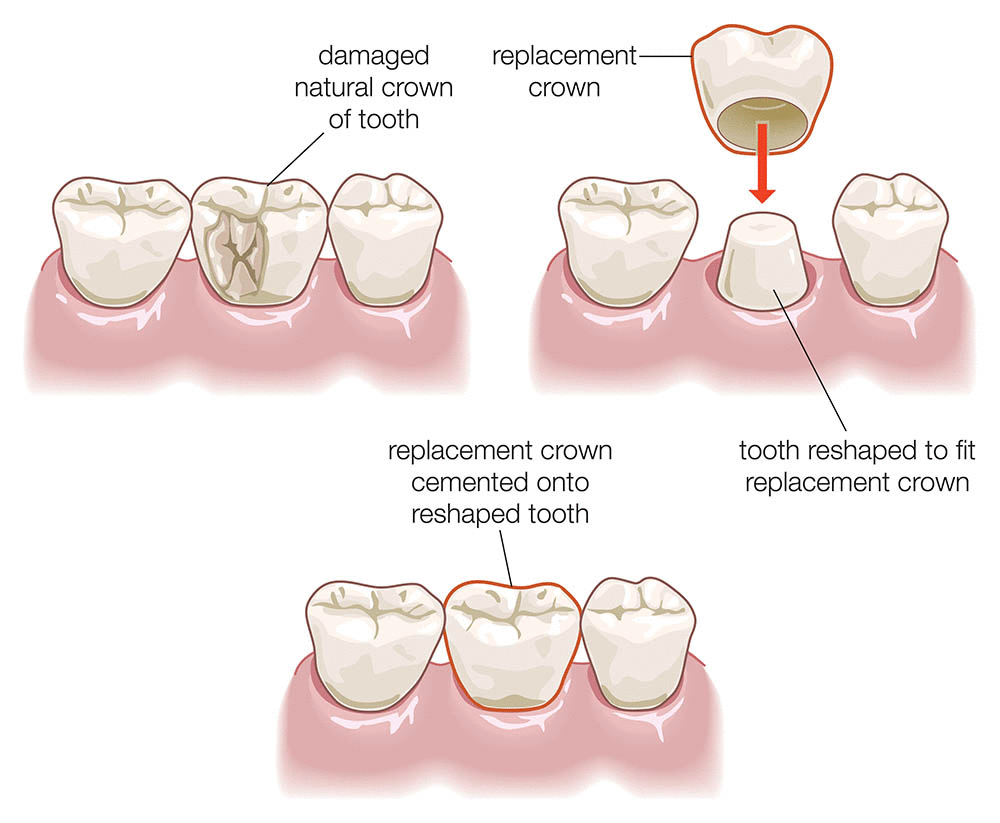
Let’s delve into the basics of a dental crown. It’s a custom-made covering that fits over the entire visible portion of a tooth, essentially becoming its new outer surface. Think of it as a protective helmet for your tooth.
Defining a Tooth Crown
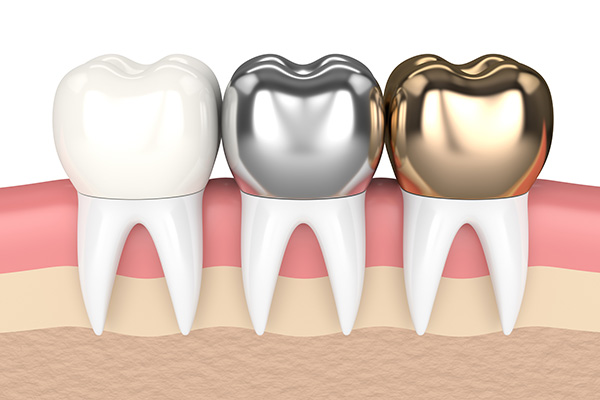
A dental crown, sometimes referred to as a “cap,” is a type of dental restoration that completely covers a tooth. Unlike fillings, which only repair a small portion of a tooth, crowns encase the entire tooth surface above the gum line. Crowns are typically made from materials like porcelain, metal, or a combination of both.
When Is a Tooth Crown Needed?
Several situations might warrant a dental crown. Here are some common reasons:
- Severely decayed teeth: When a cavity is too large to be filled.
- Cracked or broken teeth: To protect the tooth from further damage.
- Weakened teeth: After a root canal to provide strength and stability.
- Cosmetic reasons: To improve the appearance of misshapen or discolored teeth.
- To support a dental bridge: Crowns are used to anchor the bridge to adjacent teeth.
If you’re experiencing persistent tooth pain, sensitivity, or notice visible damage to your teeth, consult with a dentist to determine if a dental crown is the right solution for you.
Benefits of a Dental Crown
Choosing a dental crown offers several advantages:
- Restores tooth strength and function: Crowns allow you to chew and speak comfortably.
- Protects damaged teeth: They shield vulnerable teeth from further decay or breakage.
- Improves appearance: Crowns can correct discoloration, shape, and alignment issues.
- Long-lasting solution: With proper care, crowns can last for many years.
Types of Tooth Crowns
Navigating the various types of tooth crowns can be overwhelming. Each material offers unique benefits in terms of aesthetics, durability, and cost. Understanding the differences will help you make an informed decision with your dentist.
Porcelain Crowns
Porcelain crowns are a popular choice due to their natural appearance. They closely mimic the color and translucency of natural teeth, making them ideal for front teeth restorations. Porcelain crowns are biocompatible, meaning they are less likely to cause allergic reactions.
However, porcelain crowns may not be as strong as metal crowns and can be more prone to chipping or cracking under heavy biting forces. Your dentist can provide additional details.
Metal Crowns
Metal crowns, typically made of gold alloys or other high-noble alloys, are known for their exceptional strength and durability. They can withstand significant biting forces and are less likely to chip or break. Metal crowns are a good option for back teeth, where strength is more important than aesthetics.
Their metallic appearance makes them less desirable for visible teeth. Some people may also have concerns about potential allergic reactions to certain metals.
Porcelain-Fused-to-Metal (PFM) Crowns
Porcelain-fused-to-metal crowns offer a combination of aesthetics and strength. They have a metal base for durability and are covered with a layer of porcelain for a natural look. PFM crowns are a versatile option suitable for both front and back teeth.
The metal substructure can sometimes be visible as a dark line near the gum line, particularly as gums recede over time. This can compromise the aesthetic appearance of the crown.
Zirconia Crowns
Zirconia crowns are made from a strong, biocompatible ceramic material. They offer excellent aesthetics and durability, making them a popular choice for both front and back teeth. Zirconia crowns are resistant to chipping and cracking and can be color-matched to blend seamlessly with your natural teeth.
While zirconia is a strong material, some dentists believe it can be abrasive to opposing teeth compared to porcelain. Discussing the material’s impact on your teeth with your dentist is advisable.
Resin Crowns
Resin crowns are typically the most affordable option. They are made from a composite resin material that can be color-matched to your natural teeth. Resin crowns are less durable than other types of crowns and are more prone to wear and fracture.
They are often used as temporary crowns while waiting for a permanent crown to be fabricated.
Gold Crowns
Gold crowns are a type of metal crown made from a gold alloy, usually a combination of gold with other metals like copper and nickel to enhance its strength and durability. Gold crowns are incredibly strong and biocompatible, resisting wear and minimizing the risk of allergic reactions. Due to their high durability, they are ideal for molars and other teeth that endure significant chewing forces.
The most notable downside of gold crowns is their distinct appearance, which may not be aesthetically pleasing for some patients, especially for front teeth. While gold itself is resistant to corrosion, the other metals in the alloy can sometimes cause a metallic taste or, in rare cases, allergic reactions in sensitive individuals.
The Tooth Crown Procedure
The tooth crown procedure typically involves two dental visits. Let’s walk through each step of the process so you know what to expect.
Initial Assessment and Preparation
During your first visit, the dentist will conduct a thorough examination of your tooth, including X-rays, to assess the extent of the damage and determine if a crown is the right solution.
If the tooth is severely decayed or infected, a root canal may be necessary before placing the crown. The dentist will then prepare the tooth by removing any decay and shaping it to properly accommodate the crown. The amount of tooth structure removed will depend on the type of crown being used.
Taking Impressions
After preparing the tooth, the dentist will take impressions of your teeth. These impressions will be used to create a custom-made crown that fits perfectly and matches the color of your surrounding teeth.
The impressions are sent to a dental laboratory, where skilled technicians fabricate the crown using the chosen material. This process typically takes a few weeks.
Temporary Crown Placement
While your permanent crown is being made, the dentist will place a temporary crown to protect the prepared tooth. Temporary crowns are usually made of acrylic or resin and are not as durable as permanent crowns.
It’s essential to avoid chewing hard or sticky foods while wearing a temporary crown to prevent it from dislodging or breaking.
Permanent Crown Fitting
Once your permanent crown is ready, you’ll return to the dentist for a second visit. The dentist will remove the temporary crown and carefully fit the permanent crown onto your tooth. They will check the fit, bite, and color to ensure everything is perfect.
If everything looks good, the dentist will cement the crown permanently in place using a strong dental adhesive. After cementation, the dentist will polish the crown and make any necessary adjustments to ensure a comfortable and natural fit.
Cost of Tooth Crowns
Understanding the cost of tooth crowns is essential for budgeting your dental care. Prices vary depending on several factors, so let’s break down what you can expect in the UK.
Average Costs in the UK
The average cost of a dental crown in the UK can range from £500 to £1200 per tooth. This price range can vary depending on the material used, the complexity of the case, and the location of the dental practice.
- NHS Crowns: Typically range from £282.80 to £621.20 depending on the complexity.
- Private Crowns: Costs can vary from £500 to £1200 or more.
Private vs. NHS Costs
NHS dental care generally offers lower prices than private practices. However, the choice of materials may be limited, and there may be longer waiting times. Private practices often offer a wider range of materials and more flexible appointment times, but at a higher cost.
Are private crowns better than NHS? This is a common question, and the answer depends on your individual needs and preferences. NHS crowns are typically made from more basic materials and may not offer the same aesthetic appeal as private options. However, they are still functional and can provide adequate protection for your tooth. Private crowns, on the other hand, often utilize advanced materials like porcelain or zirconia, which offer a more natural look and greater durability. Ultimately, the best option for you will depend on your budget, aesthetic goals, and oral health needs.
Factors Affecting Price
Several factors can influence the price of a dental crown:
- Material: Porcelain and zirconia crowns tend to be more expensive than metal or resin crowns.
- Location: Dental practices in major cities often have higher prices than those in smaller towns.
- Dentist’s experience: Highly experienced dentists may charge more for their services.
- Complexity of the case: If additional procedures, such as a root canal, are needed, the overall cost will increase.
Considering dental work abroad? At Albania Dental Implants, we offer high-quality dental crowns at a fraction of the cost compared to the UK. With our dental tourism in albania options, you can save money without compromising on quality care.
Materials Used in Tooth Crowns
Selecting the right tooth crown materials is critical for achieving the desired outcome. Here’s a detailed comparison to help you understand the pros and cons of each option.
Comparison of Crown Materials
The choice of material significantly impacts the aesthetics, durability, and cost of your crown. Consider these factors when making your decision:
- Porcelain: Best for natural appearance, but less durable than metal.
- Metal: Strongest and most durable, but not aesthetically pleasing.
- PFM: Combines strength and aesthetics, but can have a dark line at the gum line.
- Zirconia: Excellent aesthetics and durability, but can be abrasive to opposing teeth.
- Resin: Most affordable, but least durable.
Pros and Cons of Each Material
Let’s delve deeper into the advantages and disadvantages of each material:
- Porcelain
- Pros: Natural look, biocompatible.
- Cons: Less durable, prone to chipping.
- Metal
- Pros: Highly durable, long-lasting.
- Cons: Unnatural appearance, potential allergic reactions.
- PFM
- Pros: Good balance of strength and aesthetics.
- Cons: Dark line at gum line, porcelain can chip.
- Zirconia
- Pros: Excellent aesthetics, highly durable, biocompatible.
- Cons: Can be abrasive to opposing teeth.
- Resin
- Pros: Affordable.
- Cons: Least durable, prone to wear and fracture.
How to Choose the Best Material
Selecting the best material depends on your individual needs and priorities. Consider the following factors:
- Location of the tooth: Front teeth require better aesthetics, while back teeth need more strength.
- Biting forces: If you have a strong bite, choose a more durable material like metal or zirconia.
- Aesthetic goals: If you want a natural-looking crown, porcelain or zirconia are good choices.
- Budget: Resin crowns are the most affordable, while porcelain and zirconia crowns are more expensive.
Consult with your dentist to discuss your options and determine the best material for your specific situation. They can assess your oral health, aesthetic goals, and budget to help you make an informed decision. At Albania Dental Implants, our team of experts can guide you through the selection process and ensure you receive a crown that meets your needs and expectations. We pride ourselves in offering dental crowns in albania at affordable prices.
Troubleshooting: Tooth Crown Problems and Solutions
Even with proper care, tooth crown problems can sometimes occur. Here’s how to troubleshoot common issues and find solutions.
Tooth Crown Pain
Tooth crown pain can arise from various reasons. Sensitivity to hot or cold is normal initially but should subside. Persistent pain could indicate:
- Decay under the crown: Bacteria can still attack the tooth.
- Nerve damage: Inflammation of the nerve inside the tooth.
- Poor fit: The crown may be too high or not properly sealed.
Consult your dentist promptly for diagnosis and treatment. They may need to adjust the crown or perform a root canal if decay or nerve damage is present.
Crown Falling Off
A crown falling off can be alarming, but it’s often easily resolved. Common causes include:
- Decay under the crown: Weakening the adhesive bond.
- Improper fit: The crown may not have been properly cemented in place.
- Trauma: Injury to the face or mouth.
- Eating sticky foods: Which can pull the crown off.
If your crown falls off, contact your dentist immediately. They can re-cement the crown if it’s intact and the underlying tooth is healthy. Otherwise, a new crown may be necessary. If a crown falls off, it is important to avoid hard and sticky food.
Sensitivity or Discomfort
Sensitivity or discomfort after crown placement is common. It typically resolves within a few weeks as the tooth adjusts. If sensitivity persists, it could be due to:
- Inflammation: Of the gums around the crown.
- Bite issues: The crown may be interfering with your bite.
- Exposed dentin: The underlying tooth structure may be sensitive.
Your dentist can assess the cause and recommend solutions such as desensitizing toothpaste, bite adjustments, or further treatment.
Crown Damage or Staining
Crown damage or staining can affect the appearance of your smile. Porcelain crowns can sometimes chip or crack, while all types of crowns can stain over time.
- Chipping: Often caused by biting hard objects.
- Cracking: Can occur due to trauma or excessive biting forces.
- Staining: Caused by coffee, tea, tobacco, or other staining agents.
Minor chips can sometimes be repaired with dental bonding. More severe damage may require crown replacement. Regular dental cleanings can help prevent staining.
Looking After Your Tooth Crown
Proper tooth crown aftercare is crucial for extending its lifespan and maintaining good oral health. Here are some essential tips.
Oral Hygiene Tips
Maintaining excellent oral hygiene is key to preventing decay and gum disease around your crown. Follow these tips:
- Brush twice daily: Use a soft-bristled toothbrush and fluoride toothpaste.
- Floss daily: Clean between your teeth and around the crown to remove plaque and food particles.
- Use an antibacterial mouthwash: To kill bacteria and reduce inflammation.
Foods to Avoid
Certain foods can damage your crown or increase the risk of it falling off. Avoid:
- Hard foods: Such as ice, nuts, and hard candies.
- Sticky foods: Such as caramel, chewing gum, and toffees.
- Chewy foods: Such as tough meats and bagels.
What to Expect After Crown Placement
After crown placement, you may experience some sensitivity or discomfort. This is normal and should subside within a few weeks. Over-the-counter pain relievers can help manage any discomfort. If pain persists, consult your dentist.
Is a tooth crown painful? The procedure itself is usually not painful, as your mouth will be numbed with local anesthetic. However, you may experience some sensitivity or discomfort in the days following the procedure. This can usually be managed with over-the-counter pain relievers and by following your dentist’s aftercare instructions. If the pain is severe or persists for more than a few days, it is important to contact your dentist.
How Long Do Tooth Crowns Last?
With proper care, how long do tooth crowns last? Dental crowns typically last between 5 and 15 years, depending on the material and your oral hygiene habits. Regular dental check-ups and cleanings are essential for monitoring the condition of your crown and addressing any issues early on.
Tooth Crown vs. Filling
Understanding the difference between a tooth crown vs. filling is important for choosing the right restoration for your tooth.
Differences Between Crowns and Fillings
Crowns and fillings both restore damaged teeth, but they differ in their extent and application.
- Fillings: Repair small areas of decay or damage.
- Crowns: Cover the entire visible portion of the tooth, providing more extensive protection.
Fillings are suitable for minor cavities, while crowns are necessary for more significant damage or weakening.
When Is a Crown Recommended Over a Filling?
A crown is typically recommended over a filling when:
- The tooth has a large cavity: Too big to be filled.
- The tooth is cracked or broken: To prevent further damage.
- The tooth has undergone a root canal: To provide strength and support.
- The tooth is severely worn down: To restore its shape and function.
If you’re unsure whether a crown or filling is the right choice for you, consult with your dentist. They can assess the condition of your tooth and recommend the best treatment option.
FAQs About Tooth Crowns
Here are some frequently asked questions about tooth crowns to help you make informed decisions.
How long does a tooth crown last?
The lifespan of a tooth crown varies, typically ranging from 5 to 15 years. Factors influencing longevity include the material used, oral hygiene practices, diet, and the extent of bruxism (teeth grinding). Regular dental check-ups can help identify and address potential issues early on, extending the crown’s lifespan. With proper care, your dental crown can provide years of reliable service.
Is the procedure painful?
The tooth crown procedure is generally not painful. Local anesthesia is administered to numb the tooth and surrounding tissues, ensuring a comfortable experience during preparation and placement. Some sensitivity or discomfort may be experienced after the procedure as the anesthesia wears off, but this can usually be managed with over-the-counter pain relievers. For those with dental anxiety, sedation options are available to further enhance comfort. With modern techniques, getting a dental crown is a relatively painless process.
Can a crown be repaired if damaged?
Minor chips or cracks in a tooth crown can sometimes be repaired using dental bonding, a process where a composite resin is applied to the damaged area to restore its shape and function. However, more significant damage, such as a fracture or breakage, may require a complete crown replacement. The feasibility of repairing a damaged crown depends on the extent and location of the damage. Regular dental check-ups can help identify and address minor issues before they escalate, potentially prolonging the crown’s lifespan.
What if my crown falls out?
If your tooth crown falls out, it’s important to take immediate action. Contact your dentist as soon as possible to schedule an appointment for re-cementation. In the meantime, rinse the crown and your mouth with warm water. If possible, try to re-seat the crown on the tooth, using dental adhesive or temporary cement available at drugstores. Be careful not to force it if it doesn’t fit properly. If you can’t re-seat the crown, store it safely and avoid eating sticky or hard foods that could damage the exposed tooth. Prompt attention can help prevent further damage or infection.
How do I know if I need a crown or a filling?
Determining whether you need a tooth crown or a filling depends on the extent of the damage or decay. Fillings are typically used for small cavities or minor damage, while crowns are recommended for more extensive issues. If you have a large cavity, a cracked or broken tooth, or a tooth that has undergone a root canal, a crown may be necessary to provide adequate protection and support. Your dentist will conduct a thorough examination, including X-rays, to assess the condition of your tooth and recommend the most appropriate treatment option.
Are there any risks or side effects?
While tooth crown procedures are generally safe, there are some potential risks and side effects to be aware of. These include sensitivity or discomfort after the procedure, allergic reactions to the crown material, chipping or cracking of the crown, and the possibility of decay developing underneath the crown if proper oral hygiene is not maintained. In rare cases, the crown may not fit properly, leading to bite issues or discomfort. Discuss any concerns you have with your dentist to minimize potential risks and ensure a successful outcome.