




Dental Implants in the UK — Everything You Need to Know
Considering dental implants in the UK? This comprehensive guide provides everything you need to know about this effective tooth replacement solution, from costs and procedures to finding the best clinics and understanding NHS options.
What Are Dental Implants?
Dental implants are a popular and long-lasting solution for missing teeth. Understanding the dental implant procedure UK is crucial before making a decision.
Definition of Dental Implants
A dental implant is a surgical component that interfaces with the bone of the jaw or skull to support a dental prosthesis such as a crown, bridge, denture, facial prosthesis or to act as an orthodontic anchor. Essentially, it’s an artificial tooth root that provides a stable foundation for a replacement tooth or teeth.
How Dental Implants Work
Dental implants work by fusing with your jawbone through a process called osseointegration. The implant, typically made of biocompatible titanium, is surgically placed into the bone. Over time, the bone grows around the implant, creating a strong and permanent bond. This provides a solid base for the artificial tooth or teeth that will be attached.
Types of Dental Implant Procedures in the UK
Several types of dental implant procedures are available in the UK, including:
- Single Tooth Implants: Replacing a single missing tooth.
- Multiple Implants with Bridges: Replacing several adjacent missing teeth.
- All-on-4: A technique using four implants to support a full arch of teeth.
- Implant Overdentures: Dentures that attach to implants for added stability.
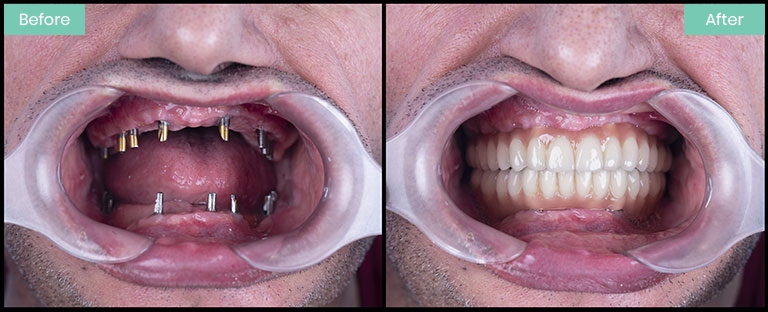
It is also possible to get dental full mouth implants that replace full sets of teeth.
Benefits of Dental Implants
Choosing the best dental implants UK means understanding the advantages they offer over other tooth replacement options.
Advantages over Other Tooth Replacement Options
Dental implants offer several advantages over dentures and bridges:
- Durability: Implants are designed to last a lifetime with proper care.
- Stability: They are anchored in the jawbone, providing excellent stability and preventing slipping.
- Natural Look and Feel: Implants feel and function like natural teeth.
- Improved Oral Health: Unlike bridges, implants don’t require altering adjacent teeth.
- Bone Preservation: Implants stimulate bone growth, preventing bone loss that can occur with missing teeth.
Longevity and Performance
With proper care and maintenance, dental implants can last a lifetime. Studies show a high success rate for dental implants, with many lasting for 20 years or more. Their stability and natural feel allow you to eat, speak, and smile with confidence.
Dental Implant Cost in the UK
Understanding dental implant cost UK is a key consideration. Several factors influence the final price.
Average Price Range
The average cost of a single dental implant in the UK ranges from £2,000 to £4,000. This cost typically includes the implant placement, abutment, and crown. Full mouth dental implants can range from £7,000 – £25,000 depending on what system is selected.
Factors Affecting Cost
Several factors can influence the cost of dental implants:
- Number of Implants: More implants mean higher costs.
- Type of Implant: Different implant brands and materials have varying prices.
- Bone Grafting: If bone grafting is needed to support the implant, this adds to the cost.
- Clinic Location: Prices can vary depending on the clinic’s location and overhead costs.
- Dentist’s Experience: More experienced dentists may charge higher fees.
Private vs NHS Options
Dental implants are primarily available through private dental practices in the UK. NHS dental implants are rare and typically only provided in cases of medical necessity, such as after trauma or cancer surgery.
Dental Implant Clinics in the UK
Finding reputable dental implant clinics UK is essential for a successful procedure. Here’s how to choose wisely.
How to Choose a Reputable Clinic
When choosing a dental implant clinic, consider the following:
- Dentist’s Qualifications and Experience: Look for dentists with specialized training and experience in implant dentistry.
- Technology and Equipment: Modern clinics use advanced technology for precise implant placement.
- Patient Reviews and Testimonials: Check online reviews to get an idea of other patients’ experiences.
- Consultation Process: A thorough consultation should include a comprehensive examination and discussion of treatment options.
- Cost Transparency: The clinic should provide a clear breakdown of costs and payment options.
Top-Rated Clinics
While we cannot endorse specific clinics, it’s essential to research clinics in your area and compare their services, qualifications, and patient reviews. Look for clinics with positive feedback and a commitment to patient care.
What to Look for in Reviews
When reading dental implant reviews UK, look for comments about:
- The dentist’s skill and expertise.
- The clarity of communication.
- The quality of the facilities and equipment.
- The overall experience and satisfaction.
- Post operative care.
The Process — Step-by-Step Guide
Understanding the dental implant procedure UK step-by-step can ease any anxiety you may have.
Consultation
The first step involves a consultation with the dentist. This will include a thorough examination of your teeth, gums, and jawbone. X-rays or CT scans may be taken to assess the bone density and identify the best location for the implant.
Implant Placement
The implant placement is a surgical procedure performed under local anesthesia. The dentist will make an incision in the gum tissue and carefully insert the implant into the jawbone. The gum tissue is then stitched back together, and the implant is left to heal and integrate with the bone.
Healing and Integration
The healing and integration process, called osseointegration, typically takes several months. During this time, the bone grows around the implant, creating a strong and stable foundation. Temporary dentures or bridges can be used to fill the gap during the healing period.
Final Restoration
Once the implant has fully integrated with the bone, the dentist will attach an abutment, which is a connector piece that holds the artificial tooth. A custom-made crown, bridge, or denture is then attached to the abutment, completing the restoration.
NHS Dental Implants — Are They Available?
Are NHS dental implants UK a possibility? Understanding the availability and eligibility is key.
Eligibility for NHS Implants
NHS dental implants are rarely available and are typically reserved for cases of medical necessity, such as:
- Trauma: After an accident or injury that results in tooth loss.
- Cancer Surgery: To restore teeth lost due to cancer treatment.
- Congenital Conditions: In cases of missing teeth due to a genetic condition.
Limitations and Waiting Lists
Even if you meet the eligibility criteria, access to NHS dental implants can be limited due to funding constraints and long waiting lists. Many people turn to private dental care or explore options like dental tourism to Albania for more affordable and timely treatment.
Financing & Payment Options
Exploring dental implant finance UK options can make this treatment more accessible.
Payment Plans
Many dental clinics offer payment plans to help spread the cost of dental implants over time. These plans may involve monthly installments or financing through a third-party provider.
Insurance Coverage
Dental insurance coverage for implants varies depending on the policy. Some policies may cover a portion of the cost, while others may exclude implants altogether. Check with your insurance provider to understand your coverage.
Dental Finance Companies
Several dental finance companies specialize in providing loans for dental treatments, including implants. These companies offer flexible repayment terms and competitive interest rates.
Risks, Complications & Alternatives
Understanding dental implant risks UK and dental implant alternatives UK is crucial for making an informed choice.
Common Risks and Complications
While dental implants are generally safe and effective, some risks and complications can occur:
- Infection: Infection at the implant site.
- Nerve Damage: Damage to nerves in the jawbone.
- Sinus Problems: Sinus issues if implants are placed in the upper jaw.
- Implant Failure: The implant may not fuse properly with the bone.
Who is NOT Suitable
Dental implants may not be suitable for everyone. Factors that can affect suitability include:
- Smoking: Smoking can impair healing and increase the risk of implant failure.
- Medical Conditions: Certain medical conditions, such as uncontrolled diabetes, can affect healing.
- Bone Density: Insufficient bone density may require bone grafting.
- Gum Disease: Untreated gum disease can compromise the implant’s stability.
Alternative Treatments
Alternatives to dental implants include:
- Dentures: Removable artificial teeth.
- Dental Bridges: A fixed appliance that replaces missing teeth by attaching to adjacent teeth.
Both dentures and bridges are a cheaper alternative to dental implants in the UK, and can improve your oral health.
Aftercare & Maintenance
Proper dental implant aftercare UK and dental implant maintenance UK are essential for long-term success.
Post-Surgery Care
After implant placement, follow your dentist’s instructions carefully. This may include:
- Taking Pain Medication: To manage any discomfort.
- Using an Antibacterial Mouthwash: To prevent infection.
- Eating Soft Foods: To avoid putting pressure on the implant site.
- Avoiding Smoking: To promote healing.
Long-Term Maintenance
Long-term maintenance of dental implants involves:
- Brushing and Flossing: Daily oral hygiene to keep the implants and surrounding tissues clean.
- Regular Dental Checkups: Professional cleanings and checkups to monitor the implants and identify any potential problems.
- Avoiding Hard or Sticky Foods: To prevent damage to the implants.
How to Ensure Maximum Longevity
To ensure maximum longevity of your dental implants:
- Maintain Excellent Oral Hygiene: Brush and floss regularly, and use an antibacterial mouthwash.
- Visit Your Dentist Regularly: Schedule regular checkups and cleanings.
- Avoid Smoking: Smoking can significantly reduce the lifespan of dental implants.
- Protect Your Implants from Trauma: Wear a mouthguard if you participate in contact sports.
Frequently Asked Questions About Dental Implants in the UK
How much do dental implants cost in the UK?
The cost varies, ranging from £2,000 to £4,000 per single implant, including placement, abutment, and crown. Full mouth dental implants are a more costly procedure that can range from £7,000- £25,000. Factors like the number of implants, type of implant, bone grafting (if needed), clinic location, and the dentist’s experience influence the final price.
Are dental implants available on the NHS?
NHS dental implants are rare and usually reserved for medically necessary cases, such as after trauma, cancer surgery, or congenital conditions. Access can be limited due to funding constraints and waiting lists. For most individuals, private dental practices are the primary option.
What are the main risks of dental implants in the UK?
Possible risks include infection, nerve damage, sinus problems (if in the upper jaw), and implant failure (lack of proper fusion with the bone). These can be kept to a minimum with good aftercare, but also following your dentists advice on wether they are suitable for you or not.
How do I choose the best dental implant clinic in the UK?
Consider the dentist’s qualifications and experience in implant dentistry. Check the clinic’s technology and equipment, and read patient reviews. A thorough consultation process and cost transparency are also important factors.
How long do dental implants last?
With proper care and maintenance, dental implants can last a lifetime. High success rates are reported, with many lasting for 20 years or more.
What is the difference between dental implants and dentures?
Dental implants are permanently anchored in the jawbone and provide stability and a natural feel. Dentures are removable artificial teeth that can be less stable and may require adjustments. Implants are often better than dentures due to this, but both can assist oral health.
How long does it take to get dental implants in the UK?
The process can take several months, including the initial consultation, implant placement, healing and integration period (osseointegration), and final restoration.
Can you get finance for dental implants in the UK?
Yes, many dental clinics offer payment plans or financing options through third-party providers to help spread the cost. Some dental finance companies specialize in loans for dental treatments with flexible repayment terms. You can also look at options such as dental tourism in Albania.
What alternatives exist to dental implants?
Alternatives include dentures and dental bridges. Dentures are removable, while bridges are fixed appliances that attach to adjacent teeth to fill the gap.
What do dental implant reviews in the UK say?
Reviews highlight the importance of the dentist’s expertise, clear communication, quality facilities, and patient satisfaction. Positive feedback indicates a better overall experience.
What does dental implant aftercare involve?
Aftercare includes taking pain medication, using an antibacterial mouthwash, eating soft foods, avoiding smoking, and maintaining excellent oral hygiene with regular brushing and flossing.
Who is a suitable candidate for dental implants?
Suitable candidates generally have good overall health, sufficient bone density in the jaw, healthy gums, and a commitment to maintaining proper oral hygiene. Smoking, certain medical conditions, and uncontrolled gum disease can affect suitability. Contact us at Albania Dental Implants for a consultation.
Considering Dental Implants?
If you’re considering dental implants, you have options both in the UK and abroad. While the UK offers high-quality care, the cost can be prohibitive for many. Exploring options like dental tourism in Albania with Albania Dental Implants Services can provide a more affordable alternative without compromising on quality. Our skilled professionals and state-of-the-art facilities offer a comprehensive range of dental implant services, from single tooth implants to full mouth restorations.
Conclusion
Dental implants are a reliable and long-lasting solution for missing teeth, offering numerous benefits over other tooth replacement options. Understanding the process, costs, and potential risks is essential for making an informed decision. Whether you choose to pursue treatment in the UK or explore options abroad, dental implants can restore your smile and improve your quality of life.
Ready to regain your confident smile? Contact Albania Dental Implants today to schedule a consultation and learn more about our affordable dental implant solutions in Albania.