



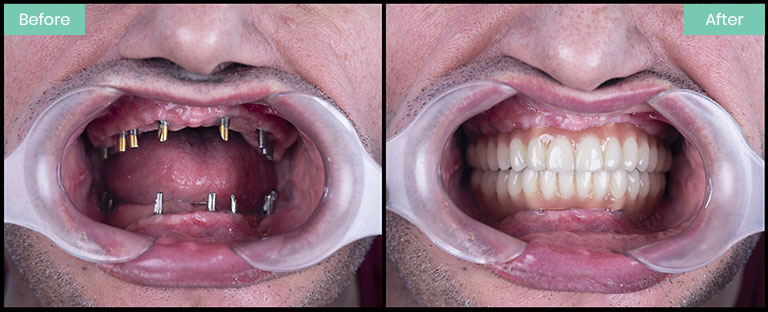

Dental implants England are a leading solution for tooth replacement across the UK, offering patients long-lasting, natural-looking results. If you’re considering a permanent way to restore your smile and confidence, this comprehensive guide explores everything you need to know about dental implants, including the procedure, costs, benefits, and alternatives. At Albania Dental Implants, we understand the importance of making an informed decision, and we’re here to help you navigate the process.
What Are Dental Implants?
Understanding the dental implant procedure UK is crucial when considering this treatment option. Dental implants are essentially artificial tooth roots, typically made of titanium, that are surgically placed into the jawbone to support a replacement tooth or bridge.
Definition and Materials Used
A dental implant is a small, screw-shaped post that acts as an anchor for a replacement tooth. The most common material used for implants is titanium because it’s biocompatible, meaning it fuses with the bone through a process called osseointegration. Zirconia implants in albania are another option, particularly for those with metal sensitivities.
Dental Implants vs Dentures and Bridges
Compared to dentures and bridges, dental implants offer several advantages:
- Stability: Implants are anchored in the jawbone, providing superior stability and preventing slipping or movement.
- Longevity: With proper care, implants can last a lifetime, while dentures and bridges typically need replacement every 5-10 years.
- Bone Health: Implants stimulate bone growth, preventing bone loss that can occur with missing teeth.
- Aesthetics: Implants look and feel like natural teeth, providing a seamless and confident smile.
If you are considering dental tourism in albania, you may find that the cost of dental implants abroad is significantly lower than in the UK.
Who Is a Good Candidate for Dental Implants in England?
Not everyone is an ideal candidate for dental implants. Dental implant eligibility England depends on various factors, including age, health, and bone density. It’s also important to consider who is not suitable for implants.
Age, Health Requirements, and Bone Density
While there’s no upper age limit for dental implants, certain health conditions can affect eligibility. Good candidates typically:
- Have Adequate Bone Density: Sufficient bone is needed to support the implant. Patients with bone loss may require bone grafting.
- Are in Good General Health: Conditions like uncontrolled diabetes, smoking, and certain autoimmune diseases can hinder healing and osseointegration.
- Have Healthy Gums: Gum disease can compromise the success of implants.
- Are Committed to Good Oral Hygiene: Regular brushing, flossing, and dental check-ups are essential for long-term implant maintenance.
According to the Association of Dental Implantology (ADI), the success rate of dental implants is over 95% in suitable candidates. However, it’s crucial to undergo a thorough evaluation to determine if implants are right for you. It is always recommended to contact albania dental implants to make sure you get the right advice
Is the Dental Implant Procedure Safe for Older Adults?
Yes, the dental implant procedure is generally safe for older adults who meet the health requirements. Age itself is not a contraindication, and many seniors benefit significantly from the improved quality of life that implants provide. Older adults with good overall health and adequate bone density are often excellent candidates.
The Dental Implant Procedure Explained
Understanding the dental implant treatment process England can help ease any anxiety you may have about getting dental implants. The procedure involves several stages, from initial consultation to final restoration.
Consultation, Surgery, and Recovery Stages
The process typically involves:
- Initial Consultation: A comprehensive examination, including X-rays or CT scans, to assess your oral health and bone density. The dentist will discuss your treatment options and create a personalised plan.
- Implant Placement: The implant is surgically placed into the jawbone under local anaesthesia. In some cases, a bone graft may be necessary if there isn’t enough bone to support the implant.
- Osseointegration: Over several months, the implant fuses with the jawbone in a process called osseointegration. This provides a stable foundation for the replacement tooth.
- Abutment Placement: Once osseointegration is complete, an abutment (a connector piece) is attached to the implant.
- Crown Placement: A custom-made crown (the replacement tooth) is attached to the abutment, completing the restoration.
Typical Timeline
The entire process can take several months, depending on individual circumstances. The timeline generally looks like this:
- Consultation: 1-2 hours
- Implant Placement: 1-2 hours per implant
- Osseointegration: 3-6 months
- Abutment Placement: 30-60 minutes
- Crown Placement: 30-60 minutes
Dental Implants Cost England
One of the primary concerns for many patients is the dental implants cost England. The price can vary significantly depending on several factors.
Average Cost of Dental Implants England
The average cost of a single dental implant in England ranges from £2,000 to £4,000. This includes the implant, abutment, and crown. However, the final cost can vary based on the clinic, location, and complexity of the case. The cost of dental implants in albania is significantly less which is why many patients choose to come to us.
Factors Affecting Price
Several factors influence the cost of dental implants:
- Clinic Location: Clinics in major cities like London tend to charge more than those in smaller towns.
- Number of Implants: The more implants you need, the higher the total cost.
- Complexity of the Case: If you require bone grafting or sinus lift, the cost will increase.
- Type of Implant: Different implant brands and materials can affect the price.
- Dentist’s Experience: Experienced implant dentists may charge more for their expertise.
Price Comparison: NHS vs Private Clinics
Dental implants are rarely available on the NHS unless there’s a medical necessity (e.g., trauma or congenital defect). Private clinics offer a wider range of options and services but at a higher cost. The cost of dental implants on nhs can be significantly less.
How Much Do Dental Implants Cost in England?
As mentioned earlier, the average cost of a single dental implant in England ranges from £2,000 to £4,000. A full mouth reconstruction with implants can cost upwards of £15,000 to £30,000 or more, depending on the number of implants and the type of restoration (e.g., All-on-4 or individual crowns).
Best Dental Implant Clinics in England
Choosing the top dental implant providers England is a critical step in ensuring a successful outcome. Look for clinics with experienced dentists, advanced technology, and positive patient reviews.
What to Look for in a Reputable Clinic
When researching clinics, consider the following:
- Dentist’s Qualifications and Experience: Look for dentists with extensive training and experience in implant dentistry.
- Technology and Equipment: Advanced technology, such as 3D cone beam CT scans, can improve accuracy and treatment planning.
- Patient Reviews and Testimonials: Check online reviews and testimonials to gauge patient satisfaction.
- Consultation Process: A thorough consultation should include a comprehensive examination, discussion of treatment options, and clear explanation of costs.
- Hygiene and Safety Standards: Ensure the clinic follows strict hygiene and safety protocols.
- Financing Options: Check if the clinic offers financing or payment plans to make treatment more affordable.
How Do I Choose the Best Dental Implant Clinic in England?
Choosing the best dental implant clinic involves thorough research and careful consideration. Here are some steps to guide you:
- Research Online: Start by searching online for dental implant clinics in your area.
- Check Credentials: Verify the dentist’s qualifications, experience, and certifications.
- Read Reviews: Look for patient reviews and testimonials on reputable websites.
- Schedule Consultations: Book consultations with several clinics to discuss your treatment options and get a feel for the practice.
- Ask Questions: Don’t hesitate to ask questions about the dentist’s experience, the technology used, and the costs involved.
- Compare Treatment Plans: Compare the treatment plans and costs from different clinics to make an informed decision.
NHS vs Private Dental Implants England
NHS dental implant availability England is limited, making it essential to understand the differences between NHS and private options.
Eligibility, Waiting Times, Pros and Cons
Dental implants are rarely available on the NHS unless there’s a medical necessity, such as:
- Trauma: Tooth loss due to an accident or injury.
- Congenital Defects: Missing teeth due to a birth defect.
- Cancer Treatment: Tooth loss as a result of cancer treatment.
NHS Dental Implants:
- Pros: Lower cost (if eligible), standardised care.
- Cons: Limited availability, long waiting times, fewer treatment options.
Private Dental Implants:
- Pros: Wider availability, shorter waiting times, more treatment options, advanced technology, experienced dentists.
- Cons: Higher cost.
Are Dental Implants Available on the NHS in England?
As mentioned, dental implants are not commonly available on the NHS. They are typically offered only in cases of medical necessity, and even then, access can be limited. Most patients seeking dental implants in England opt for private treatment.
Dental Implant Benefits and Risks
Understanding the pros and cons of dental implants is crucial for making an informed decision. While implants offer numerous advantages, it’s essential to be aware of the potential risks.
Longevity, Health Impact, Aesthetic Advantages
Benefits of Dental Implants:
- Long-Lasting: With proper care, implants can last a lifetime.
- Improved Oral Health: Implants don’t require altering adjacent teeth, as with bridges.
- Enhanced Aesthetics: Implants look and feel like natural teeth.
- Increased Confidence: Implants can restore your smile and self-esteem.
- Improved Speech and Chewing: Implants provide stability and function similar to natural teeth.
- Bone Health: Implants stimulate bone growth, preventing bone loss.
Possible Complications and How to Avoid Them
Risks of Dental Implants:
- Infection: Infection at the implant site.
- Nerve Damage: Damage to nerves during surgery.
- Sinus Problems: Sinus issues if implants are placed in the upper jaw.
- Implant Failure: Failure of the implant to fuse with the bone.
How to Minimise Risks:
- Choose an Experienced Dentist: Select a qualified and experienced implant dentist.
- Follow Post-Operative Instructions: Follow your dentist’s instructions carefully after surgery.
- Maintain Good Oral Hygiene: Brush, floss, and attend regular dental check-ups.
- Avoid Smoking: Smoking can hinder healing and increase the risk of implant failure.
What Is the Downside to Dental Implants?
While dental implants offer numerous benefits, potential downsides include the cost, the need for surgery, the risk of complications, and the time required for the entire process. Some patients may also experience discomfort or sensitivity after the procedure.
Dental Implant Aftercare and Longevity
Proper dental implant aftercare England is essential for ensuring the longevity and success of your implants.
Maintenance, Hygiene, Lifespan of Implants
Maintenance and Hygiene:
- Brush and Floss Regularly: Brush your teeth twice a day and floss daily, paying attention to the implant site.
- Use a Soft-Bristled Toothbrush: Avoid abrasive toothbrushes that can damage the implant.
- Use a Water Flosser: A water flosser can help remove plaque and debris from around the implant.
- Attend Regular Dental Check-Ups: Visit your dentist for regular check-ups and cleanings.
Tips to Maximise Success
Tips for Longevity:
- Avoid Smoking: Smoking can significantly reduce the lifespan of implants.
- Maintain a Healthy Diet: A balanced diet is essential for overall health and healing.
- Protect Implants from Grinding: If you grind your teeth, wear a nightguard to protect the implants.
- Address Any Issues Promptly: If you notice any signs of infection or discomfort, see your dentist immediately.
How Long Do Dental Implants Last in the UK?
Dental implants are designed to be a long-term solution for missing teeth. With proper care and maintenance, they can last for 25 years or even a lifetime. Regular dental check-ups and good oral hygiene are essential for maximising their lifespan. For affordable options, consider dental tourism in Albania.
Alternatives to Dental Implants in England
While dental implants are a popular choice, there are dental implant alternatives UK that may be suitable for some patients.
Bridges, Dentures, Snap-On Prosthetics
Dental Bridges:
- Pros: Less invasive than implants, lower cost.
- Cons: Requires altering adjacent teeth, shorter lifespan than implants.
Dentures:
- Pros: Least expensive option, non-invasive.
- Cons: Can be uncomfortable, may slip or move, can affect speech and chewing.
Snap-On Dentures:
- Pros: More stable than traditional dentures, less expensive than implants.
- Cons: Requires implant placement, can be more expensive than traditional dentures.
What Is the Best Alternative to Dental Implants?
The best alternative to dental implants depends on your individual needs and preferences. Dental bridges and dentures are common options, but they have limitations compared to implants. Snap-on dentures offer a more stable alternative but require implant placement.
Frequently Asked Questions about Dental Implants England
Here are some FAQs, addressing common concerns from English patients about dental implants.
How much do dental implants cost in England?
The average cost of a single dental implant in England ranges from £2,000 to £4,000, including the implant, abutment, and crown. However, the cost can vary based on the clinic, location, and complexity of the case.
Are dental implants available on the NHS in England?
Dental implants are rarely available on the NHS unless there’s a medical necessity, such as trauma or congenital defects. Most patients opt for private treatment.
What is the recovery time for dental implant surgery?
The initial recovery period after dental implant surgery is typically 1-2 weeks. However, complete osseointegration (fusion with the bone) can take 3-6 months.
Do dental implants hurt?
The dental implant procedure is usually performed under local anaesthesia, so you shouldn’t feel pain during the surgery. Some discomfort is normal after the procedure, but it can be managed with pain medication.
What are the risks involved with dental implants?
Risks include infection, nerve damage, sinus problems, and implant failure. However, these risks can be minimised by choosing an experienced dentist and following post-operative instructions carefully.
How long do dental implants last?
With proper care and maintenance, dental implants can last a lifetime.
Is the dental implant procedure safe for older adults?
Yes, the procedure is generally safe for older adults who meet the health requirements. Age itself is not a contraindication.
What is the difference between private and NHS dental implants?
NHS dental implants are limited to cases of medical necessity, while private clinics offer a wider range of options and services at a higher cost.
How do I choose the best dental implant clinic in England?
Look for clinics with experienced dentists, advanced technology, positive patient reviews, and a thorough consultation process.
Can I get dental implants for multiple missing teeth?
Yes, dental implants can be used to replace multiple missing teeth. Options include individual implants, implant-supported bridges, and All-on-4 implants.
Dental implants are a proven and effective solution for tooth replacement, offering long-lasting results and improved quality of life. While the cost can be a concern, exploring options like dental tourism in albania can make this life-changing treatment more accessible. At Albania Dental Implants, we’re committed to providing high-quality and affordable dental implant services. Contact us today to schedule a consultation and learn more about how we can help you restore your smile and confidence.