




Dental Implant UK – The Complete Guide for 2026
Dental implant UK options have evolved into a highly sought-after solution for restoring missing teeth with natural aesthetics and function. This comprehensive guide will explore everything you need to know about dental implants in the UK in 2025, including costs, procedures, benefits, risks, and how to find the best clinics. Whether you’re considering a single tooth replacement or a full mouth restoration, this guide will provide you with the information you need to make informed decisions about your dental health. At Albania Dental Implants, we are committed to offering high-quality, affordable dental solutions, including the option of dental tourism in Albania.
What is a Dental Implant?
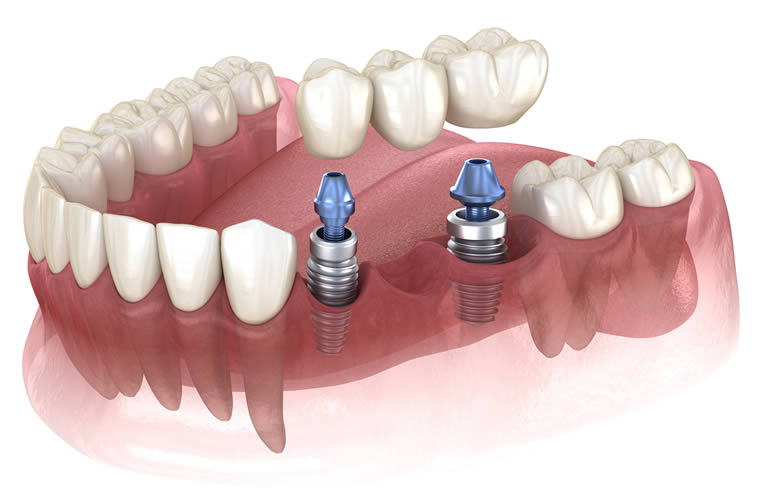
A dental implant is a surgical component that interfaces with the bone of the jaw or skull to support a dental prosthesis such as a crown, bridge, denture, or facial prosthesis or to act as an orthodontic anchor. Essentially, it serves as a replacement for the root of a missing tooth. Dental implants are typically made of titanium or titanium alloy, materials that are biocompatible and allow osseointegration, the process where the bone fuses with the implant surface. The implant provides a stable and long-lasting foundation for artificial teeth.
Types of Dental Implants UK
Understanding the different types of dental implants UK is crucial for making an informed decision. There are primarily two main types of dental implants:
- Endosteal Implants: These are the most common type of implant, placed directly into the jawbone. They are suitable for most patients who have a healthy jawbone. Various forms exist, including screw-shaped, cylinder-shaped (press-fit), and blade-shaped implants.
- Subperiosteal Implants: These implants are placed under the gum but on or above the jawbone. They are used in cases where there is insufficient bone height or when a patient is unable to undergo bone grafting.
Additionally, there are variations in implant systems and designs. For example, zirconia implants in albania offer a metal-free alternative. Your dentist will assess your specific needs and recommend the most suitable type of implant for your situation.
How dental implants work
Dental implants work through a process called osseointegration. After the implant is surgically placed into the jawbone, the surrounding bone gradually grows and fuses with the implant surface. This process typically takes several months and creates a strong and stable foundation for the artificial tooth. Once osseointegration is complete, a small connector post, called an abutment, is attached to the implant. The artificial tooth, or crown, is then attached to the abutment. The result is a replacement tooth that looks, feels, and functions like a natural tooth. Implants can also be used to support multiple teeth, such as with multiple implants with bridges in albania, or to stabilize dentures.
Who is a Candidate for Dental Implants in the UK?
Not everyone is an ideal candidate for dental implants. Certain factors can affect the success of the procedure. Generally, good candidates for dental implants have:
- Good overall health
- Sufficient bone density in the jaw
- Healthy gum tissue
- Commitment to maintaining good oral hygiene
A thorough evaluation by a qualified dentist is necessary to determine your eligibility for dental implants. This evaluation will include a review of your medical history, a clinical examination, and X-rays or CT scans to assess your bone density.
Eligibility criteria for dental implants UK
The eligibility criteria for dental implants UK include both general health and specific oral health requirements. Some conditions may make you a less suitable candidate, such as:
- Uncontrolled chronic diseases (e.g., diabetes)
- Smoking
- Certain medications (e.g., bisphosphonates)
- Active gum disease
- Significant bone loss in the jaw
However, even with some of these conditions, it may still be possible to undergo dental implant treatment with proper management and preparation. For instance, bone grafting in albania can help restore bone density.
Alternatives to dental implants UK
If you are not a candidate for dental implants, or if you prefer a less invasive or more affordable option, there are several alternatives to dental implants UK:
- Dental Bridges: A bridge consists of an artificial tooth that is anchored to adjacent teeth.
- Dentures: Dentures are removable replacements for missing teeth and surrounding tissues.
- Implant-Supported Dentures: These dentures are anchored to dental implants for increased stability.
Each of these options has its own advantages and disadvantages. Your dentist can help you weigh the pros and cons and determine the best solution for your needs and budget. To determine which is better, implant or bridge requires and in-depth analysis of the patient.
Dental Implant Procedure UK: Step by Step
The dental implant procedure UK typically involves several stages and appointments. Understanding the process can help ease any anxiety you may have.
Initial consultation and assessment
The first step is a comprehensive consultation with a dentist or oral surgeon. During this appointment, your dentist will:
- Review your medical and dental history
- Perform a clinical examination
- Take X-rays or CT scans of your jaw
- Discuss your treatment goals and options
This assessment will help determine if you are a suitable candidate for dental implants and develop a customized treatment plan.
Surgical placement of dental implants
The next step is the surgical placement of the dental implant. This procedure is typically performed under local anesthesia, although sedation may be used for anxious patients. During the surgery, the dentist will:
- Make an incision in the gum tissue to expose the bone
- Drill a hole in the bone at the precise location of the implant
- Place the dental implant into the hole
- Suture the gum tissue around the implant
In some cases, a temporary healing abutment may be placed on the implant. In other cases, the implant will be completely covered by the gum tissue.
Healing period and osseointegration
After the surgical placement of the implant, a healing period is required to allow osseointegration to occur. This process typically takes several months, during which the bone gradually fuses with the implant surface. During this time, you will need to follow your dentist’s instructions for post-operative care, which may include:
- Taking antibiotics to prevent infection
- Using a special mouthwash
- Eating a soft diet
- Avoiding smoking
Once osseointegration is complete, you will return to your dentist for the final restoration phase. This involves placing an abutment on the implant and attaching the artificial tooth (crown, bridge, or denture).
Dental Implants Cost UK – What to Expect
Understanding the dental implants cost UK is a key consideration. The cost can vary significantly depending on several factors.
Average prices
The average price of a single dental implant in the UK typically ranges from £2,000 to £4,000. This cost usually includes the implant itself, the abutment, and the crown. Full mouth dental implants can cost anywhere from £8,000 to £30,000 or more, depending on the number of implants required and the type of restoration used. However, if you are on a budget How much do full dental implants cost in Turkey may save you money.
Cost factors
Several cost factors can influence the overall price of dental implants, including:
- Type of Implant: Different implant systems and materials can vary in cost.
- Number of Implants: The more implants you need, the higher the overall cost will be.
- Additional Procedures: Procedures like bone grafting or sinus lifts can add to the cost.
- Location of the Clinic: Prices can vary depending on the location of the dental clinic.
- Dentist’s Experience: More experienced dentists may charge higher fees.
It’s important to get a detailed cost estimate from your dentist before proceeding with treatment.
Dental implant finance UK: payment options
Given the significant cost of dental implants, many clinics offer dental implant finance UK: payment options to make the treatment more accessible. These options may include:
- Payment Plans: Spreading the cost of treatment over several months or years.
- Dental Insurance: Some dental insurance plans may cover a portion of the cost of dental implants.
- Medical Loans: Taking out a loan specifically for medical or dental expenses.
Be sure to explore all available financing options and choose a plan that fits your budget.
NHS dental implants UK: availability and criteria
NHS dental implants UK: availability and criteria are limited. Dental implants are not routinely available on the NHS and are typically only offered in cases of medical necessity, such as:
- Patients who have lost teeth due to trauma or surgery for oral cancer.
- Patients with certain congenital conditions that affect tooth development.
Even in these cases, strict eligibility criteria apply, and waiting times can be long. If you do not meet the NHS criteria, you will need to seek private dental implant treatment.
Choosing a Dental Implant Clinic in the UK
Selecting the right dental implant clinic is crucial for a successful outcome.
Top-rated dental implant clinics UK
Finding top-rated dental implant clinics UK requires careful research and consideration. While it’s difficult to definitively rank clinics, some factors to consider include:
- Dentist’s qualifications and experience: Look for dentists with specialized training and experience in implant dentistry.
- Clinic reputation: Check online reviews and testimonials to get an idea of the clinic’s reputation.
- Technology and equipment: Modern technology and equipment can improve the accuracy and success of the procedure.
- Patient comfort and care: Choose a clinic that prioritizes patient comfort and provides a supportive and caring environment.
Some well-regarded clinics often highlighted in UK dental forums include Bupa Dental Care, The Perfect Smile, and 24 Hour Emergency Dentist, but it’s essential to do your own research and find a clinic that meets your specific needs.
What to look for in a reputable clinic
In addition to the factors mentioned above, here are some other things to look for in a reputable clinic:
- Comprehensive consultation: The clinic should offer a thorough initial consultation to assess your needs and develop a customized treatment plan.
- Transparent pricing: The clinic should provide a detailed cost estimate with no hidden fees.
- Sterilization and hygiene protocols: The clinic should adhere to strict sterilization and hygiene protocols to prevent infection.
- Aftercare support: The clinic should provide comprehensive aftercare support and guidance to ensure a successful recovery.
Questions to ask your dental implant provider
Before committing to treatment, be sure to ask your questions to ask your dental implant provider:
- What are your qualifications and experience in implant dentistry?
- What type of implant system do you use?
- What is the success rate for dental implants at your clinic?
- What are the potential risks and complications of the procedure?
- What is the total cost of treatment, including all fees?
- What financing options are available?
- What is the aftercare process?
Dental Implant Aftercare UK – Ensuring Long-Term Success
Proper dental implant aftercare UK is essential for ensuring the long-term success of your implants.
Post-surgery care
Following your dental implant surgery, it’s crucial to adhere to your dentist’s post-operative instructions carefully. This may include:
- Taking prescribed medications, such as antibiotics and pain relievers.
- Applying ice packs to reduce swelling.
- Eating a soft diet for the first few days.
- Avoiding strenuous activity.
- Attending follow-up appointments to monitor healing.
Oral hygiene tips
Maintaining good oral hygiene tips is critical for preventing infection and ensuring the longevity of your dental implants. This includes:
- Brushing your teeth twice a day with a soft-bristled toothbrush.
- Flossing daily to remove plaque and debris from around the implants.
- Using an interdental brush to clean hard-to-reach areas.
- Using a non-abrasive toothpaste.
- Visiting your dentist regularly for check-ups and professional cleanings.
Potential complications and how to avoid them
While dental implants have a high success rate, potential potential complications and how to avoid them can occur. These may include:
- Infection: Proper oral hygiene and adherence to post-operative instructions can help prevent infection.
- Implant failure: Factors like smoking, poor oral hygiene, and underlying medical conditions can increase the risk of implant failure.
- Nerve damage: Nerve damage is rare but can occur during the surgical procedure.
- Sinus problems: Sinus problems can occur if implants are placed in the upper jaw.
By following your dentist’s instructions and maintaining good oral hygiene, you can minimize the risk of complications and ensure the long-term success of your dental implants.
Dental Implant Benefits vs. Risks in the UK
Weighing the dental implant benefits vs. risks in the UK is important when considering this treatment.
Advantages of dental implants UK
Dental implants offer numerous advantages of dental implants UK over other tooth replacement options, including:
- Improved appearance: Dental implants look and feel like natural teeth.
- Improved speech: With dental implants, you can speak clearly and confidently.
- Improved comfort: Dental implants are comfortable and stable.
- Improved eating: You can eat your favorite foods without difficulty.
- Improved self-esteem: Dental implants can boost your self-confidence and quality of life.
- Long-lasting: With proper care, dental implants can last a lifetime.
- Bone preservation: Dental implants help prevent bone loss in the jaw.
Risks and possible side effects
Like any surgical procedure, dental implants have some risks and possible side effects, including:
- Infection
- Nerve damage
- Sinus problems
- Implant failure
- Bleeding
- Swelling
- Pain
However, these risks are generally low, and most complications can be successfully managed with proper treatment.
Success rates in the UK
Dental implants have high success rates in the UK, typically ranging from 90% to 95% over a 10-year period. This means that the vast majority of dental implants remain functional and problem-free for many years. Factors that can affect success rates include:
- Patient’s overall health
- Oral hygiene
- Smoking
- Dentist’s experience
Frequently Asked Questions About Dental Implants UK
How much do dental implants cost in the UK?
The cost of dental implants in the UK varies widely, typically ranging from £2,000 to £4,000 per implant. This depends on factors such as the type of implant, the clinic’s location, and any additional procedures required. Full mouth dental implants can cost between £8,000 and £30,000 or more. However, considering cost of dental implants in albania may save you money.
Are dental implants available on the NHS in the UK?
Dental implants are not routinely available on the NHS. They are typically only offered in cases of medical necessity, such as tooth loss due to trauma or cancer surgery. Strict eligibility criteria apply, and waiting times can be long.
What is the success rate for dental implants in the UK?
Dental implants have high success rates in the UK, typically ranging from 90% to 95% over a 10-year period. This means that the vast majority of dental implants remain functional and problem-free for many years.
What are the risks and complications of dental implants?
The risks and complications of dental implants include infection, nerve damage, sinus problems, implant failure, bleeding, swelling, and pain. However, these risks are generally low, and most complications can be successfully managed with proper treatment.
How do I choose the best clinic for dental implants in the UK?
To choose the best clinic for dental implants, consider the dentist’s qualifications and experience, the clinic’s reputation, technology and equipment, and patient comfort and care. Check online reviews and testimonials, and ask for a comprehensive consultation.
How long do dental implants last?
With proper care, dental implants can last a lifetime. However, factors like oral hygiene, smoking, and underlying medical conditions can affect their longevity. Regular dental check-ups and professional cleanings are essential.
Is dental implant surgery painful?
Dental implant surgery is typically performed under local anesthesia, so you should not feel any pain during the procedure. Some discomfort is normal after the surgery, but this can be managed with pain medication.
What financing or payment plans are available for dental implants in the UK?
Many dental clinics offer financing or payment plans to make dental implants more accessible. These may include payment plans, dental insurance, and medical loans. Explore all available options and choose a plan that fits your budget.
Can I get full mouth dental implants in the UK?
Yes, full mouth dental implants are available in the UK. This involves replacing all of your teeth with dental implants, typically using a technique called All-on-4 or All-on-6. The cost of full mouth dental implants varies.
How soon can I return to work after getting a dental implant?
Most people can return to work within a day or two after getting a dental implant. However, it’s important to avoid strenuous activity for the first few days.
What is the difference between a single tooth implant and multiple/full mouth implants?
A single tooth implant replaces one missing tooth. Multiple implants replace several missing teeth, while full mouth implants replace all of the teeth in one or both jaws.
What is involved in dental implant aftercare in the UK?
Dental implant aftercare involves following your dentist’s post-operative instructions, maintaining good oral hygiene, and attending regular check-ups and professional cleanings.
Conclusion
Dental implants offer a long-lasting, natural-looking solution for missing teeth, improving your smile, confidence, and quality of life. While the cost can be a significant factor, the benefits often outweigh the investment. By understanding the procedure, costs, benefits, and risks, and by choosing a reputable dental clinic, you can make informed decisions about your dental health. If you’re seeking a more affordable option without compromising quality, consider Albania Dental Implants for high-quality dental care in a beautiful setting.
Ready to take the first step towards a confident, healthy smile? Contact Albania Dental Implants today for a consultation and learn how we can help you achieve your dental goals!





