



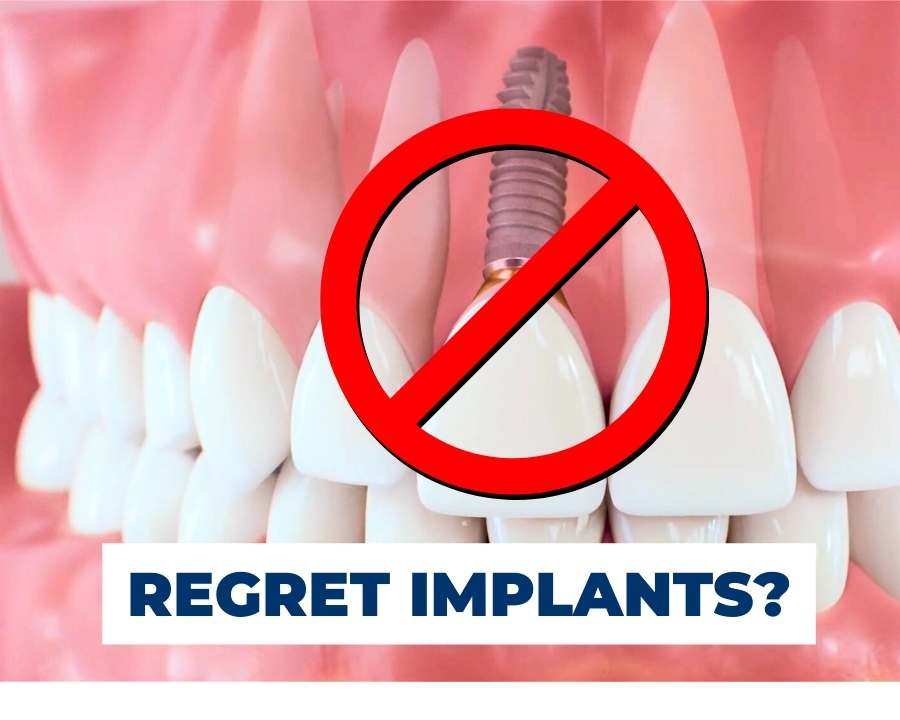

Deciding whether to get dental implants is a significant one, and when not to get dental implants is just as crucial to understand as when they are a good option. This comprehensive guide will explore the various factors that can make someone unsuitable for dental implants, ensuring you make an informed and healthy choice for your smile.
Medical Conditions That Contradict Getting Dental Implants
Certain medical conditions can significantly impact the success of dental implants. Understanding these dental implant contraindications and medical conditions affecting dental implants is essential before proceeding with treatment.
Severe Uncontrolled Diabetes
Uncontrolled diabetes can impair the body’s ability to heal, increasing the risk of infection and implant failure. According to a study published in the Journal of Periodontology, patients with poorly controlled diabetes have a significantly higher risk of implant failure compared to those with well-managed blood sugar levels. At Albania Dental Implants, we emphasize the importance of managing diabetes effectively before considering implant surgery.
Immune System Disorders
Conditions like rheumatoid arthritis, lupus, and HIV can compromise the immune system, making it harder for the body to fight off infections and heal properly after surgery. Immunosuppressant medications often prescribed for these disorders can also interfere with bone integration, a critical process for implant success. It’s essential to have a thorough medical evaluation before considering dental implants if you have an immune system disorder. We also offer dental tourism in Albania to provide affordable options.
Cancer Treatments Such as Chemotherapy/Radiotherapy
Chemotherapy and radiotherapy can weaken the immune system and damage bone tissue, making it difficult for dental implants to integrate successfully. The radiation can reduce saliva production, leading to dry mouth and increased risk of decay, which can further compromise the implant. It is generally recommended to wait at least a year after completing cancer treatment before considering dental implants to allow the body to recover and the immune system to strengthen. Proper evaluation and planning are essential. At Albania Dental Implants, our team takes all conditions into consideration before the dental implant procedure.
Osteoporosis and Bone Metabolic Disorders
Osteoporosis and other bone metabolic disorders can reduce bone density, making it difficult for dental implants to anchor securely. While osteoporosis doesn’t automatically disqualify someone from getting implants, careful evaluation of bone density and potential bone grafting may be necessary. Medications like bisphosphonates, commonly used to treat osteoporosis, can also interfere with bone healing and increase the risk of complications. A consultation with your physician and dentist is crucial to assess the risks and benefits.
Oral Health Issues That Prevent Dental Implant Success
Maintaining good oral health is paramount for dental implant success. Certain oral health issues like bone loss and dental implants and other dental implant complications can compromise the stability and longevity of implants.
Insufficient Bone Density or Volume
Adequate bone density and volume in the jawbone are essential for supporting dental implants. If there is not enough bone, the implant may not be stable, leading to failure. Bone loss can occur due to tooth extraction, gum disease, or other factors. In such cases, bone grafting in Albania may be necessary to build up the bone before implant placement. Our clinic provides thorough bone density assessments and bone grafting procedures to ensure optimal implant success.
Active Gum Disease (Periodontitis)
Active gum disease, or periodontitis, is a serious infection that can damage the soft tissues and bone supporting the teeth. If left untreated, it can lead to tooth loss and also compromise the success of dental implants. Periodontitis can cause inflammation and bone loss around the implant, leading to implant failure. Therefore, it is crucial to treat gum disease effectively before considering dental implants. Our team offers comprehensive periodontal treatment to ensure your gums are healthy before implant placement. We can also help you look into cost of dental implants in Albania for the best price.
Untreated Tooth Decay in Adjacent Teeth
Untreated tooth decay in adjacent teeth can spread to the implant site, increasing the risk of infection and implant failure. It’s important to address any existing cavities or other dental problems before undergoing implant surgery. Maintaining good oral hygiene and regular dental check-ups are essential for preventing tooth decay and ensuring the long-term success of your implants. Our clinic provides comprehensive dental care to address any existing dental issues before implant placement. You can contact Albania Dental Implants for more information.
Lifestyle Factors Impacting Dental Implant Outcomes
Certain lifestyle choices can significantly affect the success of dental implants. Understanding the impact of these factors, including smoking and dental implants and overall patient suitability for dental implants, is crucial for making informed decisions.
Heavy Smoking or Tobacco Use
Smoking is a major risk factor for dental implant failure. Tobacco use impairs blood flow, reduces the body’s ability to heal, and increases the risk of infection. Studies have shown that smokers have a significantly higher risk of implant failure compared to non-smokers. Quitting smoking is strongly recommended before considering dental implants to improve the chances of success. Our team provides support and resources to help you quit smoking before implant placement.
Poor Oral Hygiene Habits
Maintaining good oral hygiene is essential for the long-term success of dental implants. Poor oral hygiene can lead to plaque and tartar buildup, increasing the risk of gum disease and implant failure. Regular brushing, flossing, and professional dental cleanings are crucial for keeping your implants healthy and preventing complications. Our clinic provides thorough oral hygiene instructions and regular maintenance appointments to ensure the longevity of your implants.
Alcohol and Substance Abuse
Excessive alcohol consumption and substance abuse can negatively impact overall health and compromise the immune system, increasing the risk of infection and implant failure. These habits can also interfere with bone healing and reduce the body’s ability to integrate the implant successfully. Moderation or abstinence is recommended before considering dental implants to improve the chances of success. Consulting with a healthcare professional for support in addressing substance abuse is essential.
Age and Suitability: Who Is Not an Ideal Candidate?
While dental implants are a viable option for many, age plays a crucial role in determining candidacy. Understanding age limits for dental implants and overall patient suitability for dental implants is essential for making the right decision.
Children and Adolescents (Jaw Still Growing)
Dental implants are generally not recommended for children and adolescents whose jaws are still growing. Placing implants in a growing jaw can interfere with normal bone development and lead to misalignment of the teeth. It is typically recommended to wait until the jaw has fully matured, usually around the age of 18, before considering dental implants. Alternative tooth replacement options, such as temporary dentures or bridges, may be more suitable for younger patients.
Elderly Patients with Poor General Health
While there is no strict upper age limit for dental implants, elderly patients with poor general health may not be ideal candidates. Certain medical conditions, such as uncontrolled diabetes, heart disease, or osteoporosis, can increase the risk of complications and implant failure. A thorough medical evaluation is essential to assess the risks and benefits of dental implants for elderly patients. In some cases, alternative tooth replacement options, such as dentures, may be more suitable. It’s also important to consider can it be too late for dental implants?
Financial and Alternative Considerations
The cost of dental implants is a significant factor for many patients. Exploring alternatives to dental implants and understanding the financial implications can help you make an informed decision.
Cost Barriers (Comparison with Bridges or Dentures)
Dental implants can be a significant investment, and the cost can be a barrier for some patients. Compared to other tooth replacement options, such as bridges or dentures, implants typically have a higher upfront cost. However, it’s important to consider the long-term benefits and durability of implants, which can make them a more cost-effective option in the long run. Bridges and dentures may require replacement or repair over time, while implants can last a lifetime with proper care. We can give more information about why are dental implants so expensive in UK?
When Dentures or Bridges Are Preferable
In some cases, dentures or bridges may be preferable to dental implants. For example, if you have significant bone loss or medical conditions that increase the risk of implant failure, dentures or bridges may be a more suitable option. Dentures are removable replacements for missing teeth and can be a more affordable option compared to implants. Bridges are fixed replacements that attach to adjacent teeth, filling the gap left by a missing tooth. Consulting with a dentist to evaluate your individual needs and preferences is crucial for determining the best tooth replacement option for you. You can compare if is a dental bridge better than an implant before moving forward.
Risks and Complications Associated with Dental Implants
Like any surgical procedure, dental implants carry certain risks of dental implants and potential dental implant complications. Understanding these risks is essential before proceeding with treatment.
Infection Risk
Infection is a potential complication of dental implant surgery. While the risk of infection is relatively low, it can occur if proper sterilization and infection control protocols are not followed. Symptoms of infection can include pain, swelling, redness, and pus around the implant site. Prompt treatment with antibiotics is necessary to prevent further complications. Choosing an experienced and reputable dental implant provider with strict infection control protocols is crucial for minimizing the risk of infection.
Implant Failure Rates
While dental implants have a high success rate, implant failure can occur in some cases. Factors that can contribute to implant failure include poor bone quality, smoking, uncontrolled diabetes, infection, and improper implant placement. If an implant fails, it may need to be removed, and alternative tooth replacement options may be considered. Choosing a skilled and experienced dental implant provider and following their post-operative instructions carefully can help minimize the risk of implant failure.
Nerve Injury or Sinus Complications
Nerve injury or sinus complications are rare but potential risks of dental implant surgery. Nerve injury can occur if the implant is placed too close to a nerve, leading to numbness or tingling in the lips, chin, or tongue. Sinus complications can occur if the implant is placed in the upper jaw and protrudes into the sinus cavity. Careful planning and precise surgical technique are essential for minimizing the risk of these complications. Our team uses advanced imaging technology and surgical techniques to ensure the safe and accurate placement of dental implants. A sinus lift in Albania can also be considered.
FAQ: Answers to Your Dental Implant Questions
Here are detailed answers to some frequently asked questions about when dental implants might not be the best option.
Who should avoid getting dental implants?
Individuals with certain uncontrolled medical conditions, such as severe diabetes or immune system disorders, should generally avoid dental implants. Heavy smokers, people with active gum disease, and those with insufficient bone density in the jaw are also not ideal candidates. Children and adolescents whose jaws are still growing should postpone implant treatment until they reach full maturity. A poor candidate for dental implants is someone who lacks proper oral hygiene.
What medical conditions make dental implants unsafe?
Several medical conditions can make dental implants unsafe, including severe uncontrolled diabetes, immune system disorders (like HIV or lupus), cancer treatments (chemotherapy and radiotherapy), and bone metabolic disorders such as severe osteoporosis. These conditions can compromise the body’s ability to heal and increase the risk of infection and implant failure. For more questions, you can ask who cannot have implants?
Does smoking prevent you from getting dental implants?
Smoking significantly increases the risk of dental implant failure. It impairs blood flow, reduces the body’s ability to heal, and increases the risk of infection. While smoking doesn’t automatically disqualify you, quitting smoking is strongly recommended to improve the chances of implant success. According to a study published in the Journal of Clinical Periodontology, smokers have a failure rate of up to 11%, compared to a 5% failure rate in non-smokers.
Can insufficient bone stop you from getting dental implants?
Yes, insufficient bone density or volume in the jawbone can prevent you from getting dental implants. Adequate bone is needed to support and stabilize the implant. If you don’t have enough bone, bone grafting procedures may be necessary to build up the bone before implant placement. The success of bone grafting depends on individual factors such as overall health and the extent of bone loss. It is important to ask what can you do if you don’t have enough bone for dental implants?
Are there cheaper or safer alternatives to dental implants?
Yes, cheaper alternatives to dental implants include dentures and dental bridges. Dentures are removable replacements for missing teeth and are generally more affordable than implants. Dental bridges are fixed replacements that attach to adjacent teeth, filling the gap left by a missing tooth. While these options may be cheaper, they may not offer the same long-term stability and durability as implants. You can review if is a bridge or implant better for you?
Is there an age limit for dental implants?
There is no strict upper age limit for dental implants, but elderly patients with poor general health may not be ideal candidates. Certain medical conditions, such as uncontrolled diabetes, heart disease, or severe osteoporosis, can increase the risk of complications and implant failure. Children and adolescents whose jaws are still growing should postpone implant treatment until they reach full maturity. It’s important to review what is the best age for dental implants.
What complications may arise if you get dental implants?
Potential complications of dental implants include infection, implant failure, nerve injury, sinus complications, and bone loss around the implant. While these complications are relatively rare, they can occur. Choosing an experienced and reputable dental implant provider and following their post-operative instructions carefully can help minimize the risk of complications. Remember to address what is the downside to dental implants.
What should patients consider before having dental implants?
Before getting dental implants, patients should consider their overall health, oral hygiene habits, lifestyle factors (such as smoking), and financial situation. It is important to have a thorough medical and dental evaluation to assess your suitability for implants and to discuss the risks, benefits, and alternatives. Choosing an experienced and reputable provider and following their instructions carefully are also crucial for ensuring a successful outcome. Also address what not to do before a dental implant.
Conclusion
Dental implants are a highly effective solution for missing teeth, but they are not suitable for everyone. Understanding the various factors that can affect implant success is crucial for making an informed decision about your oral health. By carefully evaluating your medical history, oral health, lifestyle, and financial situation, you can determine whether dental implants are the right choice for you. At Albania Dental Implants, we are committed to providing personalized care and comprehensive evaluations to ensure the best possible outcome for our patients. Contact us today to schedule a consultation and learn more about our dental implant services and full mouth reconstruction in albania.





