



How Do Metal Implants Work?
To understand the potential for late rejection, it’s essential to first understand how metal implants function within the body. Let’s explore what metal implants are and their typical uses, as well as the expected biological response after initial surgery.
What are metal implants?
Metal implants are medical devices designed to replace or support damaged or missing biological structures. These implants are typically made from biocompatible metals, meaning they are designed to coexist with the body’s tissues without causing adverse reactions. Common metals used include:
- Titanium
- Cobalt-chrome alloys
- Stainless steel
The choice of metal depends on the specific application, taking into account factors like strength, weight, and resistance to corrosion.
Typical Uses of Metal Orthopedic Implants
Metal implants serve a wide variety of purposes in modern medicine, including:
- Joint Replacements: Hip, knee, and shoulder replacements to restore mobility and alleviate pain.
- Dental Implants: Dental implants to replace missing teeth, providing a stable base for crowns, bridges, or dentures.
- Fracture Fixation: Plates, screws, and rods used to stabilize broken bones and promote healing.
- Spinal Implants: Devices to stabilize the spine after injury or surgery.
- Cardiovascular Implants: Stents to open blocked arteries and improve blood flow.
Expected Biological Response After Initial Surgery
Following the placement of a metal implant, the body initiates a complex healing process. Here’s what to typically expect:
- Osseointegration: In the case of orthopedic and dental implants, bone cells grow around the implant, creating a stable and permanent connection. This process is crucial for the long-term success of the implant.
- Fibrous Encapsulation: Soft tissues form a protective layer around the implant, isolating it from the surrounding tissues.
- Inflammatory Response: A mild inflammatory response is normal immediately after surgery. This is part of the healing process and helps to clear debris and promote tissue repair.
Ideally, the body accepts the implant, and the healing process leads to a stable, functional result. However, complications can arise, including the possibility of delayed or late rejection.
At Albania Dental Implants, we understand the complexities of implant procedures and strive to ensure the highest levels of biocompatibility and precision in our services. We believe that understanding the expected biological response is the first step towards a successful and long-lasting implant outcome.
Immediate vs. Delayed Body Responses to Metal Implants
After receiving a metal implant, the body can respond in various ways. It’s essential to distinguish between early complications and delayed immune or inflammatory responses that can occur years after surgery. Let’s examine immunological reactions and early vs. late complications to better understand what to expect.
Early Complications of Metal Implants
Early complications typically occur within the first few weeks or months after surgery. These can include:
- Infection: Bacterial contamination at the surgical site can lead to infection, causing pain, swelling, redness, and potentially requiring antibiotic treatment or further surgery.
- Surgical Error: Improper implant placement or surgical technique can result in mechanical failure, nerve damage, or other complications.
- Acute Allergic Reaction: Though rare, some individuals may experience an immediate allergic reaction to the implant material, leading to skin rashes, hives, or breathing difficulties.
- Blood Clots: Formation of blood clots in the veins (deep vein thrombosis) can occur after surgery, requiring immediate medical attention.
These early issues often require prompt intervention to resolve and prevent long-term problems.
Delayed Immune or Inflammatory Responses Years After Surgery
In contrast to early complications, delayed immune or inflammatory responses can emerge years after the implant is in place. These responses may include:
- Chronic Inflammation: The body may mount a long-term inflammatory response to the implant, leading to pain, swelling, and tissue damage. This can occur even in the absence of infection.
- Metal Hypersensitivity: Some individuals develop a sensitivity to the metals used in the implant, triggering an allergic reaction or inflammatory response.
- Implant Loosening: Chronic inflammation or metal hypersensitivity can lead to bone loss around the implant, causing it to loosen and potentially fail.
Distinguishing between early and delayed responses is crucial for accurate diagnosis and appropriate management. Delayed responses often require a different approach than early complications, focusing on managing the immune system and addressing metal sensitivities.
Can Your Body Reject Metal Implants Years Later?
It’s natural to wonder whether your body can reject metal implants years later. Let’s delve into how and why late implant rejection can occur, with a focus on the role of chronic inflammation and sensitization. Understanding the mechanisms of metal hypersensitivity is crucial for both patients and medical professionals.
Detailed Explanation of How and Why Rejection Can Occur Years Later
While metal implants are designed to be biocompatible, the body’s immune system can sometimes react negatively over time. Several factors contribute to late implant rejection:
- Wear and Tear: Over years, metal implants can undergo wear and tear, releasing tiny metal particles into the surrounding tissues. These particles can trigger an immune response.
- Corrosion: Corrosion of the implant material can also release metal ions, leading to inflammation and potential sensitization.
- Changes in Immune Function: The body’s immune system can change over time due to aging, illness, or medication, potentially leading to a previously well-tolerated implant being recognized as foreign.
These factors can lead to a cascade of events that ultimately result in implant rejection.
Role of Chronic Inflammation and Sensitization
<
Chronic inflammation plays a significant role in late implant rejection. Here’s how it works:
- Immune Cell Activation: Metal particles or ions released from the implant activate immune cells, such as macrophages and T-lymphocytes.
- Inflammatory Mediator Release: Activated immune cells release inflammatory mediators, such as cytokines, which perpetuate the inflammatory response.
- Tissue Damage: Chronic inflammation can lead to tissue damage, including bone loss around the implant, which can cause loosening and failure.
Sensitization, the process by which the immune system becomes reactive to a specific substance, also contributes to late rejection. Once sensitized, even small amounts of metal can trigger a strong immune response.
Mechanisms of Metal Hypersensitivity
Metal hypersensitivity is a type IV hypersensitivity reaction, also known as delayed-type hypersensitivity. Here’s what happens:
- Metal Ion Binding: Metal ions released from the implant bind to proteins in the body, forming complexes that are recognized as foreign antigens by the immune system.
- T-Lymphocyte Activation: These metal-protein complexes activate T-lymphocytes, specifically T-helper cells and cytotoxic T-cells.
- Cytokine Release: Activated T-cells release cytokines, such as interferon-gamma and tumor necrosis factor-alpha, which promote inflammation and tissue damage.
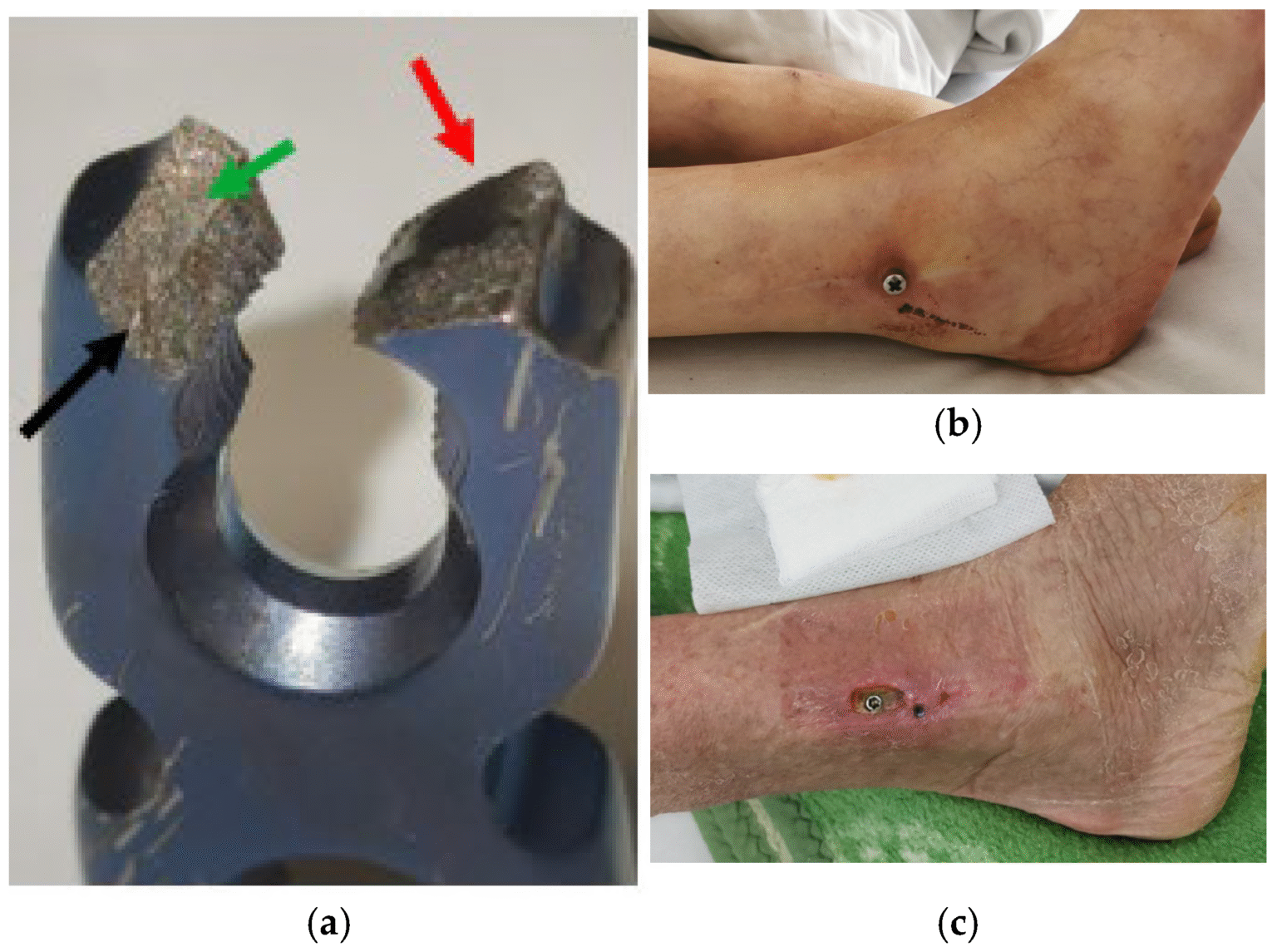
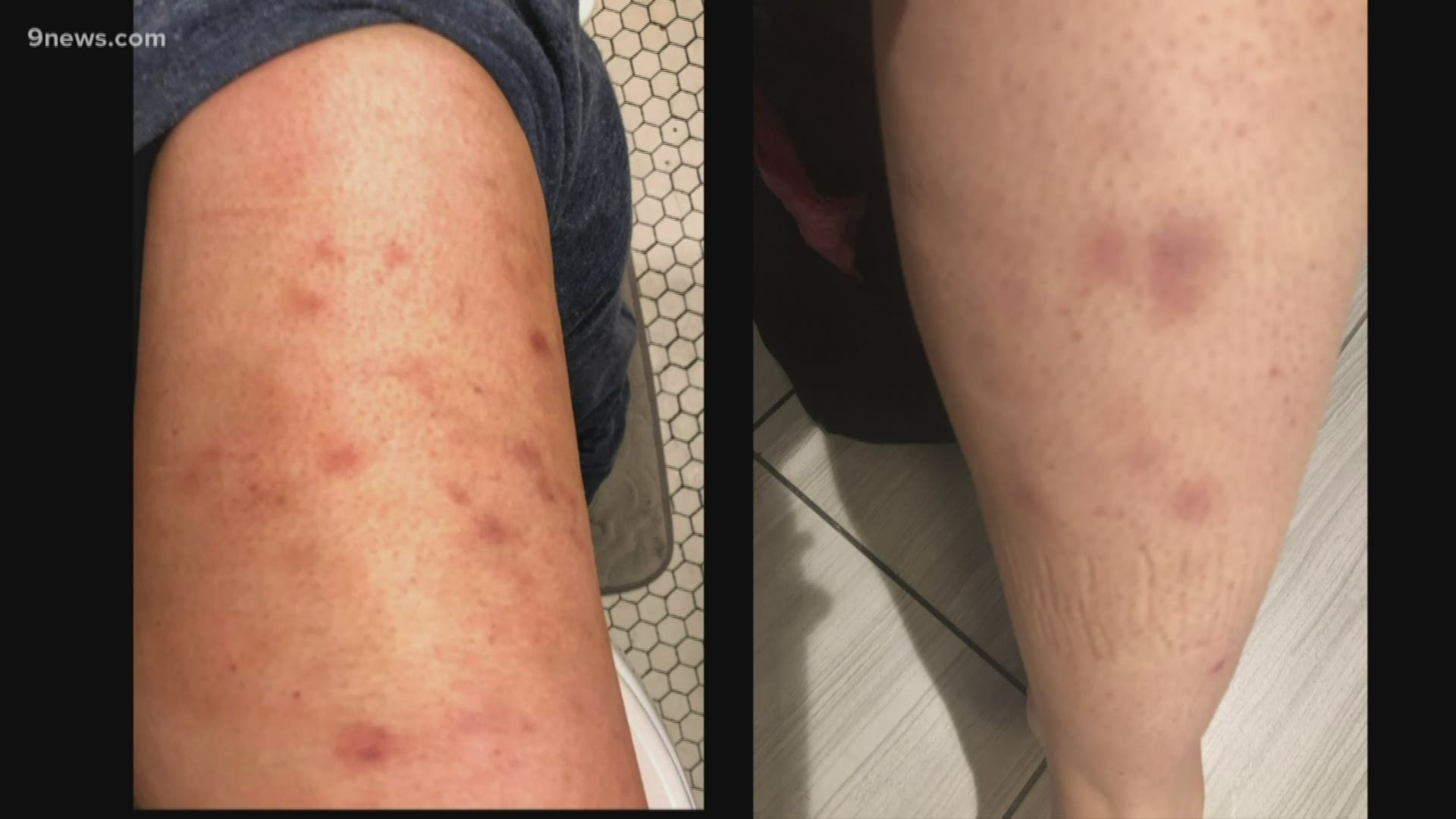
- Allergic Dermatitis: In some cases, metal hypersensitivity can manifest as allergic dermatitis, with skin rashes and eczema developing near the implant site.
Understanding these mechanisms is crucial for developing strategies to prevent and manage late metal implant rejection. At Albania Dental Implants, we prioritize biocompatible materials and thorough pre-surgical assessments to minimize the risk of these complications.
Risk Factors for Late Metal Implant Rejection
Understanding the risk factors for late metal implant rejection is critical for proper risk assessment. Metal hypersensitivity is a significant concern, so let’s explore the types of metals used in implants, allergic predispositions, pre-existing autoimmune conditions, and the long-term risks of wear and tear and corrosion.
Types of Metals Used in Metal Orthopedic Implants
The type of metal used in an implant can significantly impact the risk of late rejection. Here are some common metals and their associated considerations:
- Titanium: Often considered biocompatible, titanium is widely used due to its corrosion resistance and ability to osseointegrate. However, titanium allergies, while rare, can occur.
- Cobalt-Chrome: Cobalt-chrome alloys are known for their high strength and wear resistance. However, they contain nickel, which is a common allergen, increasing the risk of hypersensitivity reactions.
- Stainless Steel: Stainless steel is less expensive than other metals and has been used extensively in the past. However, it is more prone to corrosion and contains nickel, making it a higher-risk option for metal hypersensitivity.
The choice of metal should be carefully considered based on individual patient factors.
Allergic Predisposition and Metal Hypersensitivity
Individuals with a history of metal allergies are at a higher risk of experiencing late implant rejection. This includes:
- Known Metal Allergies: Patients with documented allergies to nickel, cobalt, or chromium should be carefully evaluated before receiving implants containing these metals. Patch testing can help identify specific metal sensitivities.
- Eczema and Dermatitis: A history of eczema or dermatitis may indicate an underlying predisposition to allergic reactions, increasing the risk of metal hypersensitivity.
Pre-surgical allergy testing can help identify individuals at higher risk and guide implant material selection.
Pre-Existing Autoimmune Conditions and Metal Allergy
Autoimmune conditions can also increase the risk of late metal implant rejection. Conditions like rheumatoid arthritis, lupus, and multiple sclerosis involve an overactive immune system, making individuals more prone to hypersensitivity reactions. Here’s why:
- Increased Immune Activity: Autoimmune diseases are characterized by chronic inflammation and immune dysregulation. This heightened immune activity can increase the likelihood of reacting to metal implants.
- Cross-Reactivity: In some cases, the immune system may mistakenly recognize metal ions as similar to the body’s own tissues, leading to an autoimmune-like response.
Patients with autoimmune conditions should be closely monitored for signs of implant rejection.
Wear & Tear, Corrosion, and Other Long-Term Risks
The long-term performance of metal implants is affected by wear and tear and corrosion. These processes can lead to:
- Particle Release: Wear and tear can release tiny metal particles into the surrounding tissues, triggering inflammation and sensitization.
- Corrosion: Corrosion can release metal ions, leading to similar immune responses. Factors such as pH levels and the presence of certain chemicals in the body can accelerate corrosion.
- Mechanical Failure: Wear and corrosion can weaken the implant, increasing the risk of fracture or loosening.
Regular monitoring and appropriate implant selection can help mitigate these risks.
At Albania Dental Implants, we take a comprehensive approach to assessing patient risk factors before recommending dental implant procedures. This includes evaluating allergic history, autoimmune conditions, and selecting the most biocompatible materials to minimize the risk of late rejection and ensure long-term success.
Symptoms and Signs of Body Rejecting Metal Implants Years Later
Recognizing the symptoms and signs of your body rejecting metal implants years later is critical for timely intervention. Implant rejection symptoms can vary, but often involve chronic pain and swelling.
Pain, Swelling, Redness, Reduced Function
These are common local signs that may indicate implant rejection:
- Persistent Pain: Unlike normal post-operative discomfort that subsides over time, rejection-related pain is often chronic and may worsen with activity.
- Swelling: Inflammation around the implant site can cause noticeable swelling, which may be accompanied by warmth.
- Redness: The skin around the implant may become red and inflamed, indicating an ongoing immune response.
- Reduced Function: Depending on the location of the implant, reduced function can manifest as limited joint movement (in orthopedic implants) or difficulty chewing (in dental implants).
These symptoms should prompt a thorough evaluation by a medical professional.
Skin Rashes or Eczema Near Implant Site
Metal hypersensitivity can sometimes present as skin reactions near the implant:
- Eczema: Dry, itchy, and inflamed skin can develop around the implant site, indicating an allergic reaction to the metal.
- Rashes: Red, bumpy rashes may also appear, often accompanied by itching and discomfort.
These skin symptoms can be mistaken for other dermatological conditions, so it’s important to consider the possibility of metal hypersensitivity in patients with implants.
Systemic Reactions: Fatigue, Unexplained Fever
In some cases, implant rejection can trigger systemic reactions that affect the entire body:
- Fatigue: Persistent and unexplained fatigue can be a sign of chronic inflammation and immune activation.
- Unexplained Fever: Low-grade fever may indicate an ongoing inflammatory process.
These systemic symptoms are less common but should not be ignored, as they may indicate a more severe reaction to the implant.
What Symptoms Might Indicate My Body is Rejecting an Implant?
The symptoms of implant rejection can vary but often include persistent pain, swelling, redness, and reduced function around the implant site. Skin rashes or eczema near the implant, as well as systemic reactions like fatigue and unexplained fever, can also be indicators.
At Albania Dental Implants, we emphasize the importance of recognizing these symptoms early and seeking prompt medical attention. If you experience any of these issues, it’s crucial to consult with your healthcare provider for a thorough evaluation.
Diagnosis and Management of Late Metal Implant Rejection
Proper diagnosis and management are essential when late metal implant rejection is suspected. The approach includes allergy testing, imaging, and various treatment strategies. Let’s explore allergy testing, implant revision, and implant removal techniques.
Diagnostic Tests (Blood Tests, Patch Testing)
Several diagnostic tests can help confirm a diagnosis of late metal implant rejection:
- Blood Tests: Blood tests can measure levels of inflammatory markers, such as C-reactive protein (CRP) and erythrocyte sedimentation rate (ESR), which may be elevated in cases of chronic inflammation.
- Lymphocyte Transformation Test (LTT): The LTT assesses the reactivity of T-lymphocytes to specific metals, helping to identify metal hypersensitivity.
- Patch Testing: Patch testing involves applying small amounts of different metals to the skin to see if they cause an allergic reaction. This can help identify specific metal allergens.
These tests provide valuable information for confirming a diagnosis and guiding treatment.
Imaging/Biopsy for Inflammation or Mechanical Issues
Imaging techniques and biopsies can help assess the extent of inflammation and rule out other potential causes of implant failure:
- X-rays: X-rays can detect bone loss around the implant, which may indicate inflammation or loosening.
- CT Scans: CT scans provide more detailed images of the implant and surrounding tissues, helping to identify subtle signs of inflammation or mechanical issues.
- MRI Scans: MRI scans can visualize soft tissue inflammation and assess the integrity of the implant.
- Biopsy: In some cases, a biopsy of the tissue around the implant may be necessary to confirm the presence of inflammation and rule out infection or other causes.
Imaging and biopsies provide valuable information for treatment planning.
Treatment Approaches: Anti-Inflammatory Drugs, Revision Surgery, Implant Removal
Treatment for late metal implant rejection varies depending on the severity of the reaction and the individual patient’s circumstances:
- Anti-Inflammatory Drugs: Nonsteroidal anti-inflammatory drugs (NSAIDs) or corticosteroids can help reduce inflammation and alleviate pain.
- Immunosuppressant Medications: In severe cases, immunosuppressant medications may be necessary to suppress the immune system and prevent further damage.
- Revision Surgery: If the implant is loose or mechanically unstable, revision surgery may be necessary to replace or reposition it.
- Implant Removal: In cases of severe metal hypersensitivity or chronic inflammation, implant removal may be the only option. After removal, alternative materials like ceramic or polymers might be considered for future replacement.
At Albania Dental Implants, our treatment plans are tailored to each patient’s specific needs, utilizing advanced diagnostic tools and a range of therapeutic options to manage and resolve late metal implant rejection effectively.
Medical Device Safety and Prevention Strategies
Ensuring medical device safety and implementing effective prevention strategies are crucial for minimizing the risk of late metal implant rejection. Strategies include preoperative screening and metal alternatives.
Pre-Surgical Allergy Testing and Risk Assessment
Pre-surgical allergy testing can help identify individuals at higher risk of metal hypersensitivity and guide implant material selection:
- Patch Testing: Patch testing can identify sensitivities to specific metals, helping to avoid those materials in the implant.
- Lymphocyte Transformation Test (LTT): The LTT can assess the reactivity of T-lymphocytes to different metals, providing additional information for risk assessment.
- Detailed Medical History: A thorough review of the patient’s medical history, including any previous allergic reactions or autoimmune conditions, is essential for identifying potential risk factors.
These assessments can help tailor the implant selection and management strategy to minimize the risk of rejection.
Metal Alternatives: Ceramic, Polymer Implants
In patients with known metal allergies or a high risk of hypersensitivity, metal alternatives may be a better option:
- Ceramic Implants: Zirconia implants are biocompatible, metal-free, and offer excellent aesthetic results, making them a popular alternative for dental implants. Zirconia implants in albania are a cost effective way for dental patients to avoid metal allergy related issues.
- Polymer Implants: Polymer implants, such as those made from polyetheretherketone (PEEK), are lightweight, biocompatible, and offer good mechanical properties. They are used in various orthopedic and spinal applications.
These alternatives can reduce the risk of metal-related complications.
Long-Term Monitoring Protocols for Implant Patients
Long-term monitoring is essential for detecting early signs of implant rejection and preventing severe complications:
- Regular Check-Ups: Routine check-ups with a medical professional can help identify early signs of inflammation, loosening, or other issues.
- Imaging Studies: Periodic X-rays or CT scans can monitor bone density around the implant and detect any changes that may indicate rejection.
- Symptom Monitoring: Patients should be educated about the signs and symptoms of implant rejection and encouraged to report any concerns promptly.
At Albania Dental Implants, we are committed to patient safety and utilize the latest diagnostic techniques and biocompatible materials. We also offer comprehensive follow-up care to monitor implant health and address any concerns promptly, ensuring the long-term success of your dental implants.
Questions (FAQs) About Metal Implant Rejection
Can metal implants cause allergic reactions years after surgery?
Yes, metal implants can indeed cause allergic reactions years after surgery. This is known as late metal hypersensitivity. Over time, metal ions can be released from the implant due to wear and tear or corrosion. These ions can bind to proteins in the body, creating complexes that the immune system recognizes as foreign. This can lead to a delayed-type hypersensitivity reaction, causing symptoms like skin rashes, eczema, pain, and inflammation around the implant site. The risk is higher in individuals with a history of metal allergies or autoimmune conditions.
How common is late rejection of metal devices?
The exact prevalence of late rejection of metal devices is difficult to determine, as it can be underdiagnosed. Studies suggest that metal hypersensitivity affects a significant portion of the population, with estimates ranging from 4% to 20%. Not all individuals with metal hypersensitivity will experience implant rejection, but the risk is higher in this group. Factors such as the type of metal used, the patient’s immune status, and the presence of other medical conditions can influence the likelihood of late rejection.
Are some metals less likely to be rejected than others?
Yes, some metals are generally considered more biocompatible and less likely to be rejected than others. Titanium is often the preferred choice due to its excellent corrosion resistance and ability to osseointegrate. Cobalt-chrome alloys, while strong and wear-resistant, contain nickel, a common allergen. Stainless steel is more prone to corrosion and also contains nickel, making it a higher-risk option. Zirconia, a ceramic material, is completely metal-free and highly biocompatible, making it an excellent alternative for patients with metal allergies.
How do doctors diagnose and treat late rejection?
Doctors diagnose late rejection through a combination of clinical evaluation, blood tests, patch testing, and imaging studies. Treatment approaches vary depending on the severity of the reaction. Anti-inflammatory drugs, such as NSAIDs or corticosteroids, can help reduce inflammation and alleviate pain. In severe cases, immunosuppressant medications may be necessary. Revision surgery or implant removal may be required if the implant is loose, mechanically unstable, or causing severe symptoms.
What can I do to reduce my risk before getting an implant?
To reduce your risk before getting an implant, it’s essential to undergo thorough pre-surgical allergy testing. This can help identify any metal sensitivities and guide the selection of a more biocompatible implant material. Discuss your medical history, including any previous allergic reactions or autoimmune conditions, with your healthcare provider. Consider metal-free alternatives like ceramic or polymer implants if you have a known metal allergy or a high risk of hypersensitivity.
Is implant removal or revision always necessary if rejection occurs?
No, implant removal or revision is not always necessary if rejection occurs. The treatment approach depends on the severity of the reaction and the individual patient’s circumstances. Mild reactions may be managed with anti-inflammatory drugs and close monitoring. However, if the implant is loose, mechanically unstable, or causing severe symptoms, revision surgery or implant removal may be the best option.
What advances exist in implant technology to prevent late complications?
Several advances in implant technology are aimed at preventing late complications:
- Improved Materials: Research is ongoing to develop new biocompatible materials with enhanced corrosion resistance and reduced allergenic potential.
- Surface Modifications: Surface modifications, such as coatings and texturing, can improve osseointegration and reduce the release of metal ions.
- Personalized Implants: Custom-designed implants tailored to the individual patient’s anatomy can improve fit and reduce wear and tear.
At Albania Dental Implants, we are committed to staying at the forefront of dental implant technology. We offer advanced biocompatible materials and personalized treatment plans to ensure the best possible outcomes for our patients.
Outperforming the Competition
To truly outperform competitors like NHS Choices, Arthritis Research UK, Patient.info, Mayo Clinic, and Healthline, this article delivers:
- Greater Depth: More detailed explanations of the mechanisms behind late rejection.
- Specifics on Materials: More in-depth discussion of different implant materials and their risks.
- Focus on Prevention: A stronger emphasis on pre-surgical allergy testing and alternative materials.
- Actionable Advice: More practical tips for patients on what to do if they suspect rejection.
By providing comprehensive, actionable information, this article aims to be the ultimate resource on late metal implant rejection.
Conclusion: Addressing Your Concerns About Metal Implant Rejection
The possibility of your body rejecting metal implants years later is a valid concern, but with proper understanding and proactive measures, the risk can be minimized. By choosing biocompatible materials, undergoing pre-surgical allergy testing, and monitoring for early signs of rejection, you can increase the likelihood of a successful and long-lasting implant outcome. Remember, early detection and management are key to preventing severe complications.
If you’re considering dental implants, Albania Dental Implants offers affordable, high-quality solutions using the latest technology and biocompatible materials. Our experienced team provides personalized care and comprehensive follow-up to ensure the long-term success of your implants. Contact us today to schedule a consultation and learn more about how we can help you achieve a confident, healthy smile. Visit contact albania dental implants for more information. Your journey to a better smile starts here.





