



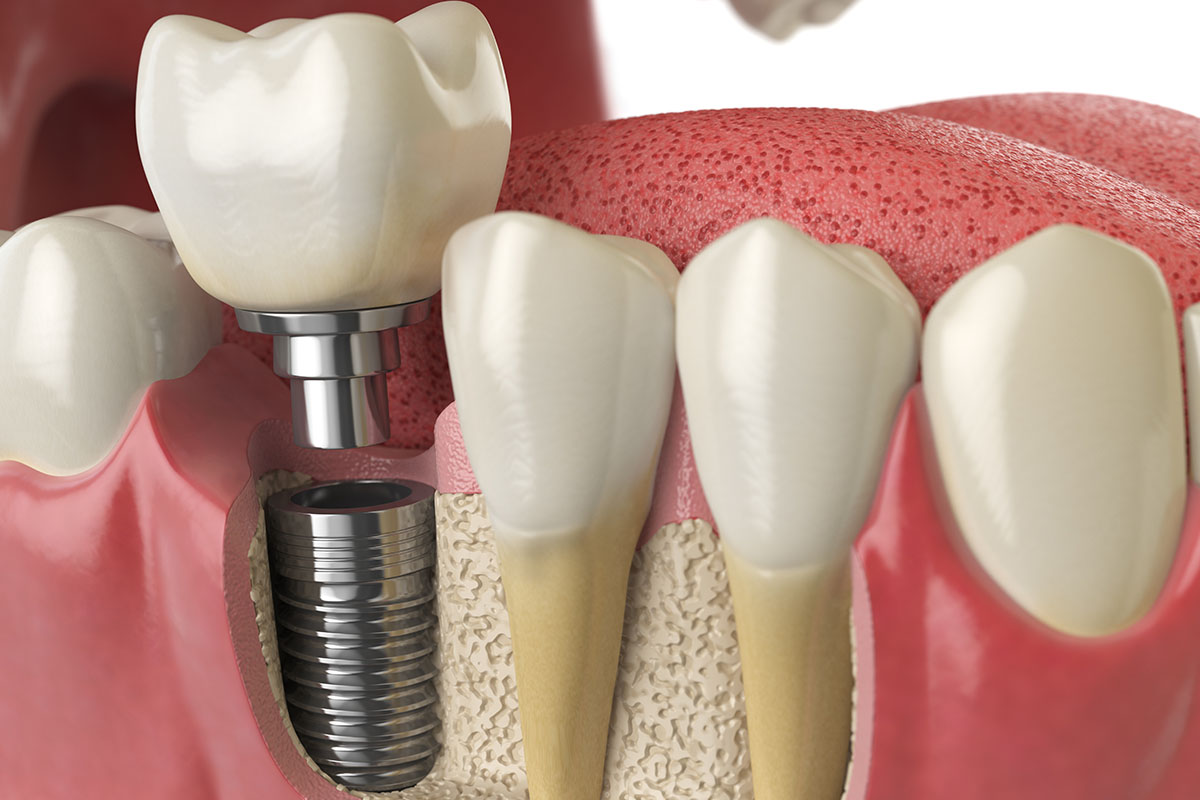

How long does a dental implant last in the UK? This is a crucial question for anyone considering this long-term solution for missing teeth, as understanding the potential lifespan is essential for making an informed decision. Dental implants offer a permanent and aesthetically pleasing way to restore your smile and improve your quality of life, and at Albania Dental Implants, we want to ensure you have all the information you need.
What is the expected lifespan of a dental implant in the UK?
The dental implant lifespan UK is a key consideration for anyone investing in this restorative procedure. While there’s no single definitive answer, dental implants are generally considered a long-lasting solution for missing teeth. With proper care and maintenance, a dental implant can last for 15 years or even a lifetime. Several studies suggest that after 10 years, around 90-95% of dental implants are still functioning well. This longevity makes them a worthwhile investment for many patients seeking a permanent solution to tooth loss.
Factors influencing the longevity of a dental implant
The success and average dental implant longevity depends on several factors, including the patient’s oral hygiene, lifestyle, and overall health. Regular dental check-ups and proper maintenance are crucial for ensuring the implant remains healthy and functional for years to come. Choosing a qualified and experienced implantologist also plays a significant role in the implant’s long-term success.
Factors affecting the longevity of dental implants
Several factors affecting implant durability can influence how long your dental implant lasts. These factors can be broadly categorized into patient-related factors and procedure-related factors. Understanding these factors can help you take proactive steps to maximize the lifespan of your dental implant. Let’s delve into the key aspects that impact the durability of your dental implant.
Oral hygiene and dental implant maintenance
Proper dental implant maintenance is paramount to ensuring the longevity of your dental implant. Just like natural teeth, dental implants require diligent oral hygiene practices to prevent peri-implantitis, an inflammatory condition that can lead to bone loss around the implant. Brushing twice daily with a soft-bristled toothbrush, flossing daily, and using an interdental brush can help remove plaque and bacteria from around the implant. Regular check-ups with your dentist are also essential for professional cleaning and early detection of any potential problems.
At Albania Dental Implants, we emphasize the importance of thorough dental implant aftercare to all our patients. We provide detailed instructions on proper cleaning techniques and recommend specific oral hygiene products to help maintain the health of your implant. Neglecting oral hygiene can significantly reduce the lifespan of your dental implant.
Implant materials and technology used in the UK
The dental implant materials UK used play a crucial role in the implant’s durability and biocompatibility. The vast majority of dental implants are made from titanium, a strong and lightweight metal that is highly compatible with the human body. Some implants may also be coated with a special surface treatment to enhance osseointegration, the process by which the implant fuses with the jawbone. Zirconia is also used as a metal-free alternative. The technology used in implant placement, such as 3D imaging and guided surgery, can also improve the precision and success rate of the procedure. Zirconia implants in albania and in the UK are also becoming increasingly popular.
Patient lifestyle and health considerations
Certain patient lifestyle and health considerations can impact the success and longevity of dental implants. Smoking, for instance, can significantly increase the risk of implant failure by impairing blood flow to the gums and bone. Systemic diseases like diabetes can also affect the healing process and increase the risk of complications. Patients with compromised immune systems may also be at higher risk of implant failure. Maintaining a healthy lifestyle, managing underlying health conditions, and informing your dentist of any medications you are taking are crucial for ensuring the long-term success of your dental implant. The implant failure rates UK can be influenced by these factors.
Who should not get dental implants? People with uncontrolled diabetes, heavy smokers, or those with certain autoimmune diseases may not be ideal candidates.
How do UK dental implant warranties and guarantees work?
A dental implant warranty UK offers peace of mind and protection for your investment. Many dental clinics in the UK offer warranties or guarantees on their dental implant procedures. These warranties typically cover the cost of replacement or repair if the implant fails within a specified period, usually ranging from 5 to 10 years. However, it’s essential to carefully review the terms and conditions of the warranty, as certain conditions may apply. For example, the warranty may be voided if the patient fails to maintain proper oral hygiene or attend regular check-ups. Some warranties also only cover the implant itself, and not the abutment or crown.
What is the cost implication of dental implant longevity in the UK?
The cost of dental implants UK is a significant consideration, and understanding the long-term implications of implant longevity is crucial for making an informed decision. While the initial cost of a dental implant may seem high compared to other tooth replacement options, its potential longevity can make it a more cost-effective solution in the long run. Dentures, for example, may need to be replaced every 5 to 10 years, while bridges may require replacement after 10 to 15 years. With proper care, a dental implant can last much longer, potentially saving you money on future dental treatments. Exploring options like dental tourism in albania can also significantly reduce the upfront cost.
Signs your dental implant may need replacement
Recognizing the signs your dental implant may need replacement is vital for maintaining your oral health. While dental implants are designed to be durable and long-lasting, they are not immune to problems. Here are some signs that may indicate your dental implant needs attention or even replacement:
- Pain or discomfort: Persistent pain, tenderness, or swelling around the implant site could indicate an infection or other complications.
- Loose implant: If the implant feels loose or moves when you touch it, it could indicate bone loss or failure of osseointegration.
- Difficulty chewing: Difficulty chewing or biting on the implant could indicate instability or damage.
- Gum recession: Receding gums around the implant can expose the metal abutment and increase the risk of infection.
- Visible damage: Cracks, chips, or fractures in the crown or abutment can compromise the implant’s function and aesthetics.
If you experience any of these signs, it’s crucial to consult your dentist immediately for evaluation and treatment. Ignoring these issues can lead to more serious complications and potentially require tooth implant replacement.
Benefits of choosing dental implants: durability, aesthetics, and function
The benefits of dental implants extend beyond just filling a gap in your smile; they offer a comprehensive solution for improving your oral health, function, and aesthetics. Dental implants are incredibly durable and can last for many years with proper care. They also look and feel like natural teeth, restoring your confidence and ability to smile without hesitation. Unlike dentures, dental implants are fixed in place, providing excellent stability and allowing you to eat and speak with ease. Additionally, dental implants can help prevent bone loss in the jaw, which can occur after tooth extraction. The long-term benefits of choosing dental implants make them a worthwhile investment for many patients. With Albania Dental Implants Services, you can achieve these benefits at a more affordable price.
How long does a dental implant typically last in the UK?
As mentioned earlier, a dental implant can typically last for 15 years or even a lifetime in the UK with proper care and maintenance. Factors like oral hygiene, lifestyle, and overall health play a significant role in determining the implant’s lifespan.
What is the average failure rate of dental implants in the UK?
The average failure rate of dental implants in the UK is relatively low, ranging from 5% to 10%. However, this rate can vary depending on individual factors and the expertise of the implantologist. Regular check-ups and proper maintenance can help minimize the risk of implant failure.
Can dental implants last a lifetime with proper care?
Yes, dental implants can last a lifetime with proper care and maintenance. This includes diligent oral hygiene practices, regular dental check-ups, and avoiding habits like smoking that can compromise implant health.
What factors can reduce the lifespan of a dental implant?
Several factors can reduce the lifespan of a dental implant, including:
- Poor oral hygiene
- Smoking
- Systemic diseases like diabetes
- Bruxism (teeth grinding)
- Bone loss around the implant
- Infection
Is there a difference in lifespan between different implant materials?
While titanium is the most commonly used material for dental implants, zirconia is an alternative option. Both materials are biocompatible and durable, but some studies suggest that titanium may have a slightly higher success rate in the long term. However, the choice of material depends on individual factors and the dentist’s recommendation.
Do dental implants come with a warranty in the UK?
Yes, many dental clinics in the UK offer warranties on their dental implant procedures. These warranties typically cover the cost of replacement or repair if the implant fails within a specified period.
How can I extend the life of my dental implant?
You can extend the life of your dental implant by:
- Practicing diligent oral hygiene
- Attending regular dental check-ups
- Avoiding smoking
- Managing underlying health conditions
- Wearing a mouthguard if you grind your teeth
What are the replacement options if my dental implant fails?
If your dental implant fails, several replacement options are available, including:
- Replacing the implant with a new one
- Using a dental bridge
- Opting for a removable denture
The best option depends on the cause of the failure and your individual circumstances. In some cases, a bone grafting in albania or in the UK may be necessary before a new implant can be placed.
How does the cost of dental implants relate to their longevity?
While the initial cost of a dental implant may seem high, its potential longevity can make it a more cost-effective solution in the long run. Unlike dentures or bridges that may need to be replaced multiple times, a dental implant can last for many years with proper care, potentially saving you money on future dental treatments. Many people consider Albania Dental Implants for cost-effective solutions.
What aftercare is recommended for dental implants?
Recommended aftercare for dental implants includes:
- Following your dentist’s instructions for post-operative care
- Taking prescribed medications as directed
- Eating soft foods during the initial healing period
- Practicing gentle oral hygiene
- Avoiding smoking
- Attending follow-up appointments
Proper dental implant aftercare is crucial for ensuring successful osseointegration and long-term implant health.
Considering Dental Implants?
Dental implants are a significant investment in your oral health and overall well-being. Understanding the factors that influence their longevity and taking proactive steps to maintain their health can ensure a long-lasting and beautiful smile. At Albania Dental Implants, we are committed to providing high-quality dental implant services at an affordable price. If you’re considering dental implants, we invite you to contact albania dental implants for a consultation to discuss your options and learn how we can help you achieve a confident and healthy smile. Consider combining your dental treatment with dental tourism in albania for a unique and cost-effective experience.





