



Dental Implantation – Everything You Need to Know
Dental implantation is a revolutionary solution for replacing missing teeth, offering a permanent, stable, and natural-looking alternative to dentures and bridges. If you’re seeking to restore your smile and improve your quality of life, this comprehensive guide provides everything you need to know about dental implantation and if Albania Dental Implants is right for you.
What Is Dental Implantation?
Cluster to cover: What is dental implantation, dental implant procedure, definition of dental implants, overview of process
What is dental implantation and how does it work?
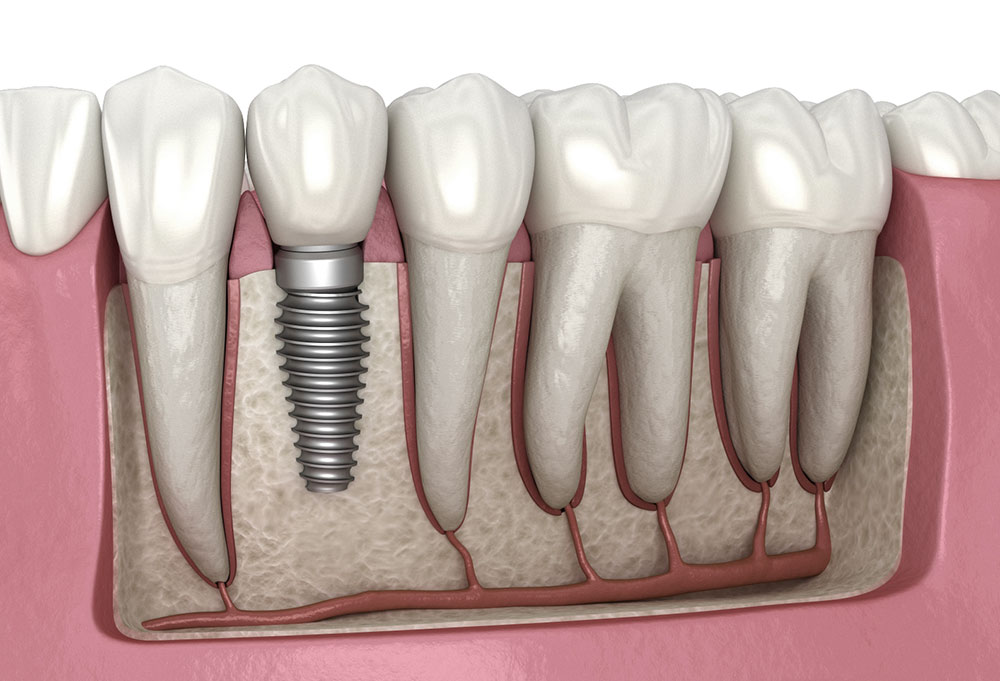
Dental implantation, also known as the dental implant procedure, is a surgical process where artificial tooth roots, typically made of titanium, are placed into your jawbone to support replacement teeth. These implants fuse with your jawbone through a process called osseointegration, providing a strong and stable foundation for crowns, bridges, or dentures. This process mimics the structure of natural teeth, offering long-term functionality and aesthetics.
Definition of Dental Implants
Dental implants are essentially artificial tooth roots. They are small, biocompatible posts, usually made of titanium, surgically inserted into the jawbone. Once integrated with the bone, they act as a sturdy anchor for replacement teeth. The final restoration can be a single crown, a bridge supporting multiple teeth, or even an entire set of dentures.
Overview of the Dental Implant Process
The dental implant procedure typically involves several steps:
- Initial Consultation: A thorough examination, including X-rays and scans, to assess your suitability for implants.
- Implant Placement: Surgical placement of the implant into the jawbone. This may require bone grafting in albania if there is insufficient bone density.
- Osseointegration: A healing period of several months, during which the implant fuses with the jawbone.
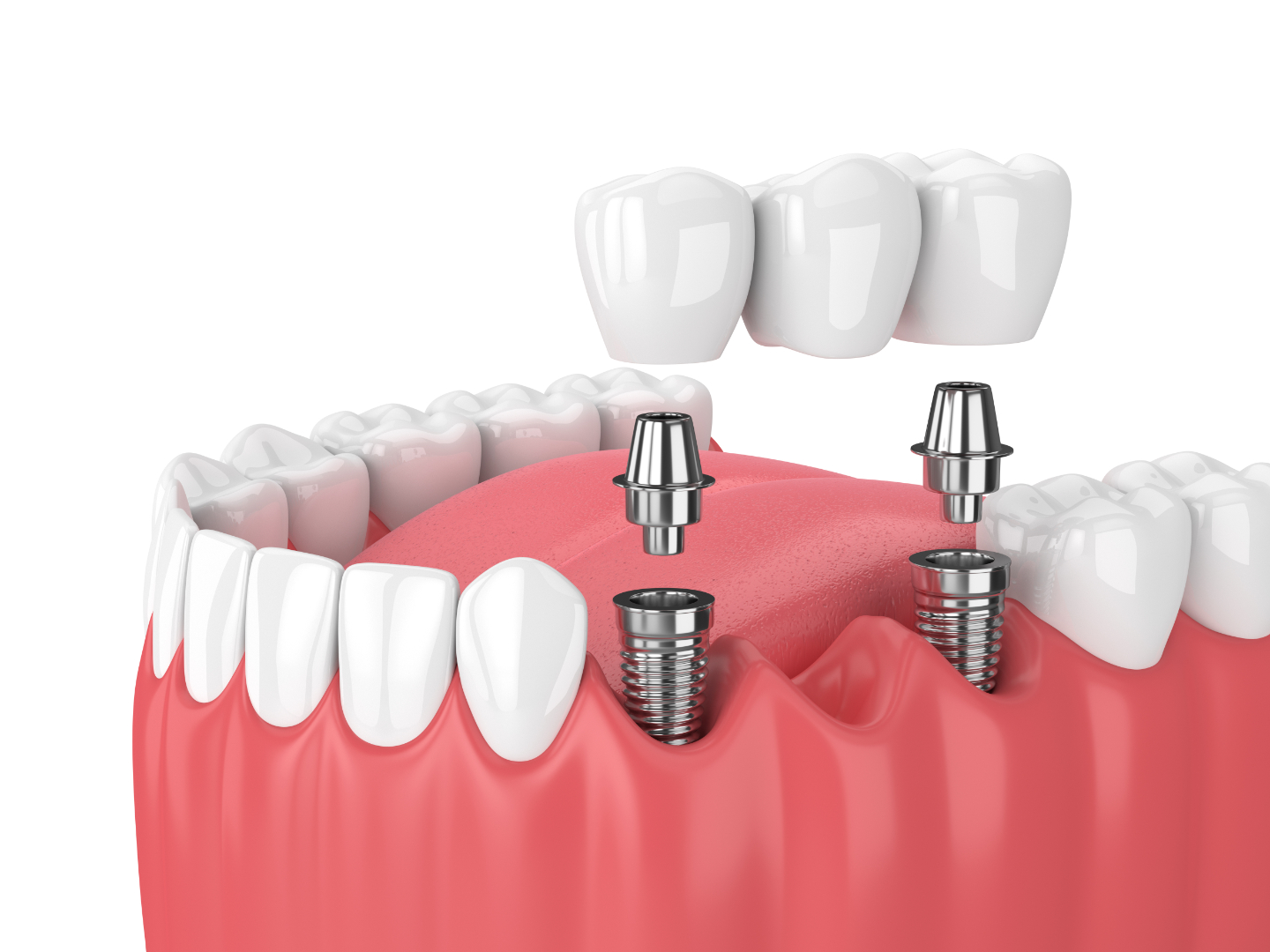
- Abutment Placement: Attachment of a connector post (abutment) to the implant, which will hold the replacement tooth.
- Crown Placement: Custom-made crown is attached to the abutment, completing the restoration.
At Albania Dental Implants, we streamline this process, often combining steps to minimize treatment time and maximize comfort for our patients. Consider dental tourism in albania for affordable and high-quality services.
Types of Dental Implants
Cluster to cover: Types of dental implants, endosteal vs subperiosteal implants, single tooth implant, multiple teeth implants, all-on-4 implants
What are the main types of dental implants available?
There are several types of dental implants to choose from, each designed for specific needs and situations. Understanding these options is crucial in determining the best solution for your individual case.
Endosteal vs Subperiosteal Implants
- Endosteal Implants: These are the most common type of dental implant. They are placed directly into the jawbone and are suitable for patients with sufficient bone density. Endosteal implants come in various shapes, including screws, cylinders, or blades.
- Subperiosteal Implants: These implants are placed on top of the jawbone but under the gum tissue. A metal framework is fitted onto the bone, and the gum tissue is then closed over the frame. This type of implant is typically used when patients have insufficient bone height for endosteal implants and don’t want to undergo bone grafting.
Single Tooth Implant
A single tooth implant is used to replace a single missing tooth. This involves placing an implant into the space where the tooth is missing and attaching a custom-made crown to the implant. This option provides a natural-looking and functional replacement without affecting adjacent teeth. You can learn more about this procedure on our single tooth implants in albania page.
Multiple Teeth Implants
For those missing several teeth, multiple teeth implants can be used. In this case, multiple implants are placed to support a bridge, which spans the gap created by the missing teeth. This provides a stable and durable solution, preventing bone loss and maintaining facial structure. Our page on multiple implants with bridges in albania provides additional information.
All-on-4 Implants
The all-on-4 dental implants technique is a revolutionary solution for replacing an entire arch of missing teeth using just four implants. This cost-effective and efficient method provides a fixed and stable set of teeth, improving chewing ability, speech, and overall quality of life. Albania Dental Implants specializes in this procedure; visit our all on 4 dental implants in albania page for further details.
Who Is Suitable for Dental Implantation?
Cluster to cover: Dental implant candidate, who can get dental implants, health requirements, jawbone health, age limits
Who is the ideal candidate for dental implants?
Determining who is a suitable dental implant candidate involves assessing several factors related to your overall health, oral health, and lifestyle. While dental implants are a versatile solution, not everyone is an ideal candidate.
General Health Requirements
Good general health is crucial for successful dental implantation. Candidates should:
- Be free from chronic illnesses: Uncontrolled diabetes, severe heart conditions, or autoimmune disorders can compromise healing and increase the risk of implant failure.
- Not be heavy smokers: Smoking significantly impairs healing and increases the risk of implant failure.
- Have a healthy immune system: A compromised immune system can affect the body’s ability to heal and integrate the implant.
If you have concerns about your health impacting your suitability, a consultation at Albania Dental Implants can provide personalized guidance.
Jawbone Health
Adequate jawbone density is essential for supporting dental implants. The jawbone needs to be strong and dense enough to fuse with the implant through osseointegration. If there is insufficient bone, a bone grafting in albania procedure may be necessary to augment the bone volume.
Age Limits
While there is generally no upper age limit for dental implants, there is a lower age limit. Dental implants are typically not recommended for individuals under the age of 18, as their jawbones are still developing. For older adults, as long as they are in good health, age is not a significant factor. To learn more, read our article on what is the best age for dental implants.
Other Considerations
- Commitment to Oral Hygiene: Successful dental implants require a commitment to maintaining good oral hygiene, including regular brushing, flossing, and dental check-ups.
- Realistic Expectations: Understanding the dental implant procedure timeline, potential risks, and long-term maintenance is important for having realistic expectations.
If you’re still unsure whether you’re a suitable candidate, schedule a consultation with Albania Dental Implants to discuss your specific situation and explore your options. Check our page on who is not suitable for implants for a more detailed explanation.
The Step-by-Step Dental Implant Procedure
Cluster to cover: Dental implant surgery steps, what to expect, consultation, bone grafting for implants, recovery timeline, anesthesia options
What are the dental implant surgery steps?
Understanding the dental implant surgery steps can help alleviate anxiety and prepare you for the procedure. At Albania Dental Implants, we prioritize patient comfort and safety throughout the entire process.
Initial Consultation and Planning
The first step is a comprehensive consultation. This involves:
- Dental Examination: A thorough assessment of your oral health, including teeth, gums, and jawbone.
- X-rays and Scans: Imaging techniques such as X-rays and CT scans to evaluate bone density and identify the best location for implant placement.
- Treatment Planning: A customized treatment plan tailored to your specific needs, including the type of implant, the number of implants, and any additional procedures required.
Bone Grafting for Implants (If Necessary)
If you have insufficient bone density, a bone grafting for implants procedure may be necessary. This involves adding bone material to the jawbone to provide a solid foundation for the implant. The bone graft may come from your own body, a donor, or synthetic materials. This is a critical step to ensure long-term implant success. Visit our bone grafting in albania page to learn more about this process.
Implant Placement Surgery
The implant placement surgery involves:
- Anesthesia: Local anesthesia is typically used to numb the area. In some cases, sedation options are available for added comfort. More information about sedation options can be found on our are you put to sleep for dental implants page.
- Incision: A small incision is made in the gum tissue to expose the jawbone.
- Implant Placement: A pilot hole is drilled into the bone, and the implant is carefully inserted.
- Closure: The gum tissue is stitched back into place, covering the implant.
Osseointegration (Healing Period)
After implant placement, a healing period of several months is required for osseointegration to occur. During this time, the implant fuses with the jawbone, creating a strong and stable foundation.
Abutment Placement and Crown Attachment
Once osseointegration is complete:
- Abutment Placement: A second minor surgery is performed to attach an abutment (connector post) to the implant.
- Crown Placement: A custom-made crown, designed to match your natural teeth, is attached to the abutment, completing the restoration.
Recovery Timeline
The recovery timeline varies depending on individual factors, but generally includes:
- Initial Healing (1-2 weeks): Some discomfort, swelling, and bruising are normal. Pain medication can help manage any discomfort.
- Bone Healing (3-6 months): Osseointegration occurs during this period.
- Final Restoration (1-2 months): After abutment placement, the gums need time to heal before the final crown is attached.
At Albania Dental Implants, we provide detailed aftercare instructions to ensure a smooth and successful recovery. To see more read our article on how long does it take to recover from full mouth dental implant surgery.
Benefits of Dental Implantation
Cluster to cover: Advantages of dental implants, dental implant benefits, comparison to dentures, improved oral health, long-term outcomes
What are the advantages of dental implants?
The advantages of dental implants extend far beyond just replacing missing teeth. They offer a comprehensive solution that improves oral health, enhances aesthetics, and boosts overall quality of life.
Enhanced Aesthetics and Confidence
Dental implants provide a natural-looking and feeling replacement for missing teeth, restoring your smile and boosting your confidence. Unlike dentures, which can slip or shift, implants are securely anchored in your jawbone, providing a stable and comfortable fit. A confident smile can improve your self-esteem and make you feel more comfortable in social situations. For those interested in a complete smile makeover, consider our hollywood smile in albania services.
Improved Oral Health
Dental implants offer several dental implant benefits for oral health:
- Prevention of Bone Loss: Implants stimulate the jawbone, preventing bone loss that can occur with missing teeth.
- Preservation of Adjacent Teeth: Unlike bridges, implants do not require altering adjacent teeth, preserving their natural structure and health.
- Easier Cleaning: Implants are easier to clean and maintain than dentures or bridges, promoting better oral hygiene.
Comparison to Dentures
Compared to dentures, dental implants offer significant advantages:
- Stability: Implants are securely anchored in the jawbone, providing a stable and comfortable fit, whereas dentures can slip or shift, causing discomfort and embarrassment.
- Functionality: Implants function like natural teeth, allowing you to eat and speak with confidence, while dentures can limit your food choices and affect your speech.
- Longevity: Implants are a long-term solution that can last a lifetime with proper care, while dentures typically need to be replaced every 5-10 years.
For those wondering what other options exist to dental implantation, you may want to read our article on what is the best alternative to dental implants.
Long-Term Outcomes
The long-term outcomes of dental implantation are generally excellent. With proper care and maintenance, dental implants can last a lifetime. They provide a durable and reliable solution for missing teeth, improving your oral health and enhancing your quality of life for years to come. At Albania Dental Implants, we ensure that all our patients receive the highest quality care and long-term support for their implants.
Risks and Potential Complications
Cluster to cover: Risks of dental implants, dental implant failure, side effects, complications, infection prevention
What are the risks or potential complications of dental implantation?
While dental implantation is generally a safe and successful procedure, it’s important to be aware of the potential risks of dental implants and complications. Understanding these risks can help you make an informed decision and take steps to minimize them.
Surgical Risks
- Infection: Infection at the implant site is a potential risk, but it can be minimized with proper surgical techniques and post-operative care.
- Bleeding: Some bleeding is normal after surgery, but excessive bleeding can occur in rare cases.
- Nerve Damage: Nerve damage can occur during implant placement, leading to numbness or tingling in the lips, chin, or tongue.
- Sinus Problems: Upper jaw implants can sometimes protrude into the sinus cavity, leading to sinus problems.
At Albania Dental Implants, our skilled surgeons take every precaution to minimize these risks.
Dental Implant Failure
Dental implant failure is rare, but it can occur due to various reasons:
- Lack of Osseointegration: The implant fails to fuse properly with the jawbone.
- Infection: Infection around the implant can lead to bone loss and implant failure.
- Poor Oral Hygiene: Inadequate oral hygiene can lead to gum disease and implant failure.
- Smoking: Smoking significantly increases the risk of implant failure.
- Medical Conditions: Certain medical conditions, such as uncontrolled diabetes, can increase the risk of implant failure.
You can see our article on what percentage of people reject dental implants for more detailed information.
Side Effects and Complications
- Swelling and Bruising: Some swelling and bruising are normal after surgery and typically subside within a few days.
- Pain and Discomfort: Pain and discomfort can be managed with pain medication.
- Gum Recession: Gum recession around the implant can occur over time, affecting the aesthetics of the restoration.
- Mechanical Issues: Crowns or abutments can sometimes loosen or break, requiring repair or replacement.
Infection Prevention
Infection prevention is crucial for successful dental implantation. This includes:
- Sterile Surgical Techniques: Using sterile instruments and techniques during surgery.
- Antibiotics: Administering antibiotics before or after surgery to prevent infection.
- Post-Operative Care: Following detailed aftercare instructions, including proper oral hygiene practices.
If you experience any unusual symptoms or concerns after dental implantation, it’s important to contact Albania Dental Implants promptly.
Cost and Financing Options for Dental Implantation
Cluster to cover: Dental implant cost UK, NHS vs private implants, insurance coverage, dental implant price breakdown, payment plans
How much do dental implants cost in the UK, and are they available on the NHS?
Understanding the dental implant cost UK is essential for planning your treatment. The cost can vary significantly depending on several factors, including the type of implant, the number of implants, and the location of the clinic.
NHS vs Private Implants
Dental implants are rarely available on the NHS. In most cases, dental implants are considered a cosmetic procedure and are not covered by the NHS unless there is a medical necessity, such as trauma or congenital disabilities. Private dental clinics are the primary providers of dental implants in the UK. If you are wondering about if you can have dental implants on the NHS, see our article can you get dental implants on NHS.
Dental Implant Price Breakdown
The dental implant price breakdown typically includes:
- Initial Consultation: Examination, X-rays, and treatment planning.
- Implant Placement: Surgical placement of the implant.
- Abutment Placement: Attachment of the abutment to the implant.
- Crown Placement: Custom-made crown attached to the abutment.
- Additional Procedures: Bone grafting, sinus lift, or other procedures may add to the overall cost.
Given the high costs in the UK, many patients consider travelling to Albania for more affordable options. Our page on cost of dental implants in albania offers detailed information.
Insurance Coverage
Most dental insurance plans do not fully cover the cost of dental implants, as they are often considered a cosmetic procedure. However, some insurance plans may cover a portion of the cost, especially if there is a medical necessity. It’s important to check with your insurance provider to understand your coverage.
Payment Plans and Financing Options
To make dental implants more affordable, many dental clinics offer payment plans. These plans allow you to spread the cost of treatment over several months or years, making it easier to budget for the procedure. Additionally, some financing companies offer loans specifically for dental treatments. At Albania Dental Implants, we offer flexible payment options to suit your needs. In fact, here is our article answering, can you pay monthly for dental implants.
Caring for Dental Implants
Cluster to cover: Dental implant aftercare, maintenance, cleaning tips, lifespan of dental implants, follow-up visits
How do I care for dental implants after surgery?
Proper dental implant aftercare is essential for ensuring the long-term success and longevity of your implants. Following a meticulous maintenance routine and adopting healthy oral hygiene habits are crucial.
Immediate Post-Operative Care
- Rest: Get plenty of rest and avoid strenuous activities for the first few days after surgery.
- Pain Management: Take pain medication as prescribed by your dentist to manage any discomfort.
- Diet: Stick to a soft food diet for the first few days, gradually introducing more solid foods as you heal.
- Oral Hygiene: Gently rinse your mouth with warm salt water after meals to keep the area clean.
Long-Term Maintenance
Long-term maintenance involves:
- Brushing: Brush your teeth at least twice a day using a soft-bristled toothbrush and fluoride toothpaste.
- Flossing: Floss daily to remove plaque and debris from around the implant and between teeth.
- Interdental Brushes: Use interdental brushes to clean hard-to-reach areas around the implant.
- Mouthwash: Use an antimicrobial mouthwash to kill bacteria and prevent infection.
Cleaning Tips
- Use a Water Flosser: A water flosser can help remove plaque and debris from around the implant.
- Avoid Abrasive Products: Avoid using abrasive toothpaste or mouthwash, as they can damage the implant.
- Regular Check-ups: Visit your dentist regularly for professional cleanings and check-ups to monitor the health of your implants.
Lifespan of Dental Implants
The lifespan of dental implants can vary depending on several factors, including oral hygiene, lifestyle, and overall health. With proper care and maintenance, dental implants can last a lifetime. Regular check-ups and professional cleanings can help ensure their longevity. For more detailed information, see our article on how long do dental implants last.
Follow-Up Visits
Follow-up visits are crucial for monitoring the health of your implants. During these visits, your dentist will:
- Examine the Implant Site: Check for any signs of infection, inflammation, or bone loss.
- Assess the Stability of the Implant: Ensure that the implant is securely anchored in the jawbone.
- Clean the Implant: Remove any plaque or debris from around the implant.
By following these dental implant aftercare guidelines, you can ensure the long-term success of your implants and enjoy a healthy and confident smile for years to come.
Frequently Asked Questions About Dental Implantation
Cluster to cover: FAQs, patient questions, decision-making support
Answering patient questions to support your decision-making
Here are some FAQs to assist in your decision-making process regarding dental implantation. At Albania Dental Implants, we understand that making an informed decision is crucial for your peace of mind.
Is the surgery for dental implantation painful?
During the dental implant procedure, local anesthesia is used to numb the area, ensuring you feel little to no pain. Post-operative discomfort is typically managed with pain medication. The level of pain varies among individuals, but most patients report that it is manageable.
How long does the dental implantation process take from start to finish?
The dental implantation process typically takes several months from start to finish, depending on individual factors such as bone density and healing time. The process includes the initial consultation, implant placement surgery, osseointegration (healing period), abutment placement, and crown attachment. To see more read our article on how long does it take to get a full mouth of dental implants.
How long do dental implants last?
With proper care and maintenance, dental implants can last a lifetime. Regular check-ups, good oral hygiene, and a healthy lifestyle are essential for ensuring the longevity of your implants.
Can smokers or people with certain conditions get dental implants?
Smoking significantly increases the risk of dental implant failure, as it impairs healing and compromises the immune system. While smokers can get dental implants, they may need to quit smoking or reduce their smoking habits to improve their chances of success. People with certain medical conditions, such as uncontrolled diabetes, may also face a higher risk of implant failure. A thorough medical evaluation is necessary to assess suitability.
What alternatives exist to dental implantation?
Alternatives to dental implantation include dentures and bridges. Dentures are removable replacement teeth that can be used to replace multiple missing teeth. Bridges are fixed restorations that attach to adjacent teeth to fill the gap created by a missing tooth. Dental implants are often preferred over dentures and bridges because they are more stable, durable, and natural-looking.
Conclusion
Dental implantation offers a transformative solution for replacing missing teeth, providing a permanent, stable, and natural-looking alternative to dentures and bridges. At Albania Dental Implants, we are committed to providing high-quality, affordable dental implant services in Albania, helping you restore your smile and improve your quality of life. Contact us today for a free consultation and take the first step towards a confident and healthy smile! Visit our contact albania dental implants page for more details.





