



Implants Dental Implants – Comprehensive Guide for 2026
Implants dental implants – This article provides a detailed overview of implants dental implants, including benefits, treatment process, costs, and aftercare in the UK.
What Are Implants Dental Implants?
If you are exploring solutions for missing teeth, you’ve probably come across the term “implants dental implants”. Let’s clarify exactly what they are. Dental implants offer a robust, long-lasting solution for replacing missing teeth. They provide a strong foundation for fixed (permanent) or removable replacement teeth that are made to match your natural teeth.
Definition and Types of Tooth Implant
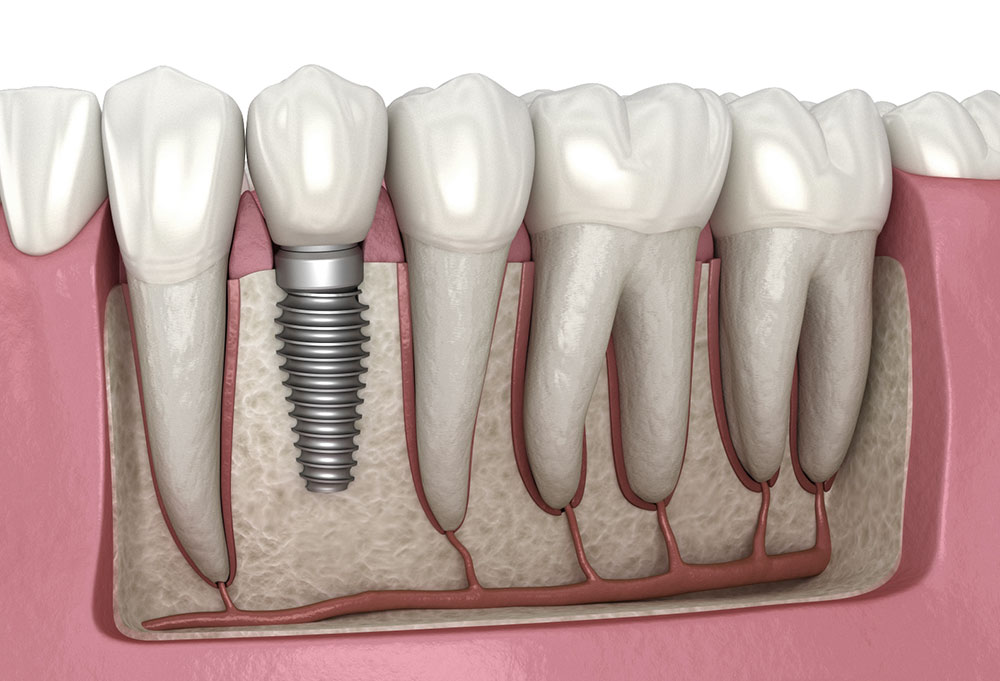
Dental implants are essentially artificial tooth roots, usually made from titanium, that are surgically placed into the jawbone. These implants fuse with the bone over time through a process called osseointegration, providing a stable base for a replacement tooth or teeth. There are several types of dental implants available:
- Endosteal Implants: These are the most common type, placed directly into the jawbone.
- Subperiosteal Implants: These are placed on top of the jawbone, under the gum tissue. They are used when there is insufficient bone for endosteal implants.
- All-on-4 Dental Implants: A technique where a full arch of teeth is supported by only four implants. This is often a more cost-effective option for replacing an entire set of teeth. Find out more about the innovative technique with All-on-4 dental implants at Albania Dental Implants.
- Mini Dental Implants: Smaller in size than traditional implants, they are often used to stabilise dentures or in areas with limited bone density.
Components: Implant, Abutment, and Crown
A dental implant system consists of three main parts:
- The Implant: The titanium post that is surgically placed into the jawbone, acting as the artificial root.
- The Abutment: This is a connector piece that attaches to the implant and provides a base for the crown.
- The Crown: The artificial tooth that is custom-made to match the shape, size, and colour of your natural teeth. It attaches to the abutment and is the visible part of the replacement tooth.
Am I a Suitable Candidate for Dental Implants?
Determining whether you are a good candidate for dental implants involves several factors. Generally, good candidates:
- Have healthy gums.
- Have sufficient bone in the jaw to support the implant.
- Are committed to maintaining good oral hygiene.
- Don’t have health conditions that could affect healing.
If you are missing all or most of your teeth, consider a revolutionary solutions with full mouth dental implants with full mouth dental implants at Albania Dental Implants. If you have questions about your suitability for dental implants, it’s best to consult with a dentist or implant specialist.
Benefits of Dental Implants
One of the main reasons people consider implants dental implants is because of the many advantages they offer over other tooth replacement options. From improved function to enhanced aesthetics, dental implants can significantly improve your quality of life. You can find additional information at dental implants on Albania Dental Implants for more detail.
Functional and Aesthetic Benefits
Dental implants provide several functional benefits:
- Improved Chewing Ability: Implants are anchored in the jawbone, providing stability that allows you to eat your favourite foods without worry.
- Enhanced Speech: Unlike dentures, implants don’t slip or shift, so you can speak clearly and confidently.
Aesthetically, dental implants offer:
- Natural Appearance: Implants look and feel like your natural teeth.
- Enhanced Confidence: A complete, natural-looking smile can boost your self-esteem.
Impact on Oral Health
Dental implants also contribute to better oral health in several ways:
- Prevention of Bone Loss: Implants stimulate the jawbone, preventing the bone loss that can occur with missing teeth.
- Improved Alignment: Implants help maintain the alignment of adjacent teeth, preventing them from shifting into the gaps left by missing teeth.
- Easy Maintenance: Implants can be cared for just like natural teeth, with regular brushing, flossing, and dental check-ups.
Psychological and Lifestyle Improvements
Beyond the functional and oral health benefits, dental implants can have a positive impact on your psychological well-being and lifestyle. Replacing missing teeth with implants can:
- Boost Self-Esteem: A confident smile can improve your self-image and social interactions.
- Enhance Social Life: You can enjoy social situations without worrying about your teeth.
- Improve Overall Quality of Life: From eating to speaking to smiling, implants can improve many aspects of daily life.
Dental Implant Procedure Step-by-Step
Understanding the implant procedure can alleviate anxiety and help you prepare for the journey ahead. The procedure involves several stages, from initial consultation to the final fitting of the crown. You might consider Albania Dental Implants for the procedure.
Initial Consultation
The first step is a comprehensive consultation with a dentist or implant specialist. During this appointment, the dentist will:
- Evaluate your oral health.
- Take X-rays and possibly CT scans to assess your jawbone.
- Discuss your treatment goals and options.
- Explain the implant procedure, including the risks and benefits.
- Develop a personalised treatment plan.
Imaging and Planning
Detailed imaging is crucial for planning the implant procedure. This typically involves:
- X-rays: To assess the overall health of your teeth and jawbone.
- CT Scans: To provide a 3D view of your jawbone, allowing the dentist to precisely plan the implant placement.
- Digital Impressions: To create a model of your teeth, ensuring a perfect fit for the final crown.
Surgical Procedure Overview
The surgical procedure involves:
- Anaesthesia: Local anaesthesia is usually sufficient, but sedation may be used for anxious patients.
- Implant Placement: The dentist makes an incision in the gum tissue to expose the jawbone. A hole is drilled, and the titanium implant is inserted.
- Healing Cap: A healing cap is placed on top of the implant to protect it during the healing process.
Healing and Osseointegration
After the implant is placed, it needs time to fuse with the jawbone. This process, called osseointegration, typically takes:
- 3-6 Months: The implant integrates with the bone, providing a stable foundation for the replacement tooth.
- Regular Check-ups: The dentist will monitor the healing process to ensure the implant is integrating properly.
Fitting the Abutment and Crown
Once osseointegration is complete, the final steps involve:
- Abutment Placement: The healing cap is removed, and an abutment is attached to the implant. This serves as the connector between the implant and the crown.
- Crown Placement: A custom-made crown is fitted onto the abutment, completing the tooth replacement. The dentist will ensure the crown matches your natural teeth in shape, size, and color.
Dental Implant Cost and Financing in the UK
When considering implants dental implants, understanding the dental implant cost is a crucial factor. The price can vary widely depending on several factors, including the type of implant, the complexity of the procedure, and the location of the clinic. However you can search for cheaper options like finding cheapest implants UK on Albania Dental Implants.
Average Price Ranges for Tooth Implant
In the UK, the average cost of a single dental implant can range from £2,000 to £4,000. This cost typically includes:
- Initial consultation and assessment.
- Implant placement surgery.
- Abutment and crown.
For more extensive procedures, such as All-on-4 implants, the cost can range from £8,000 to £15,000 per arch. The best way to know what to expect is search for a dental clinic in albania and talk with an expert.
NHS vs Private Treatments
Dental implants are rarely available on the NHS, except in cases of medical necessity, such as:
- Trauma or injury.
- Congenital defects.
- Cancer treatment.
Most dental implant treatments are performed privately, which means you will need to cover the full cost. If you are considering a more comprehensive procedure, consider the options for full mouth reconstruction in albania at Albania Dental Implants.
Factors Affecting Cost of Dental Implant
Several factors can influence the cost of dental implants:
- Type of Implant: Different types of implants (e.g., endosteal, subperiosteal, mini implants) have varying costs.
- Complexity of the Procedure: Additional procedures, such as bone grafting or sinus lifts, can increase the overall cost.
- Location of the Clinic: Prices can vary depending on the location of the dental practice, with London and other major cities typically having higher costs.
- Dentist’s Experience: More experienced and specialised dentists may charge higher fees.
- Materials Used: The quality and type of materials used for the implant, abutment, and crown can affect the cost.
Payment Plans and Finance Options
To make dental implants more affordable, many clinics offer payment plans and financing options. These may include:
- Interest-Free Credit: Spreading the cost over several months with no interest charges.
- Dental Finance Loans: Taking out a loan specifically for dental treatment, with repayment terms tailored to your budget.
- Third-Party Financing: Using finance providers that specialise in medical and dental loans.
Recovery and Aftercare for Dental Implants
Proper recovery and aftercare are crucial for ensuring the long-term success of your implants dental implants. Following your dentist’s instructions carefully can help minimise complications and promote healing. There are several option to finance dental work check Can I get finance for dental implants on Albania Dental Implants.
Immediate Post-Surgery Care
Immediately after the implant placement surgery, you can expect some discomfort, swelling, and bruising. To manage this, you should:
- Take Pain Medication: Follow your dentist’s prescription for pain relief.
- Apply Ice Packs: Use ice packs to reduce swelling for the first 24-48 hours.
- Eat Soft Foods: Stick to a soft diet to avoid putting pressure on the implant site.
- Avoid Strenuous Activity: Rest and avoid heavy lifting or strenuous exercise for a few days.
- Maintain Oral Hygiene: Gently brush your teeth, avoiding the implant site. Use an antibacterial mouthwash as directed by your dentist.
Long-Term Maintenance
Long-term maintenance is essential for the longevity of your dental implants. This includes:
- Regular Brushing and Flossing: Clean your implants like natural teeth, paying attention to the gumline.
- Use Special Cleaning Aids: Interdental brushes and floss threaders can help clean hard-to-reach areas around the implants.
- Avoid Smoking: Smoking can impair healing and increase the risk of implant failure.
- Regular Dental Check-ups: Visit your dentist for regular check-ups and professional cleanings to monitor the health of your implants.
What to Expect During Recovery
During the recovery period, you can expect:
- Initial Healing: The first few days will involve some discomfort, swelling, and bruising.
- Osseointegration: This process takes several months, during which the implant fuses with the jawbone.
- Final Restoration: Once osseointegration is complete, the abutment and crown will be placed.
- Adjustment Period: It may take some time to get used to your new implant, but with proper care, it should feel natural and comfortable.
Potential Risks and Complications of Dental Implant
While implants dental implants have a high success rate, it’s important to be aware of the potential risks and complications. Understanding these issues can help you make an informed decision and take steps to minimise them.
Common and Rare Complications
Some common complications associated with dental implants include:
- Infection: Infection at the implant site, known as peri-implantitis, can lead to bone loss and implant failure.
- Nerve Damage: Damage to nearby nerves can cause pain, numbness, or tingling in the gums, lips, or chin.
- Sinus Problems: Implants in the upper jaw can protrude into the sinus cavity, causing sinus pain or congestion.
- Implant Loosening: The implant may become loose if it doesn’t properly fuse with the jawbone.
- Damage to Surrounding Structures: Adjacent teeth or blood vessels may be damaged during the implant placement surgery.
Prevention and Management
To prevent and manage these complications:
- Choose an Experienced Dentist: An experienced and qualified dentist can minimise the risk of complications.
- Follow Post-Operative Instructions: Proper aftercare is crucial for preventing infection and promoting healing.
- Maintain Good Oral Hygiene: Regular brushing, flossing, and dental check-ups can help prevent peri-implantitis.
- Address Problems Early: If you experience any pain, swelling, or other symptoms, see your dentist immediately.
Success Rates of Dental Implants
Dental implants have a high success rate, with most studies reporting a success rate of 95% or higher. However, the success rate can be affected by several factors, including:
- Patient’s Health: Patients with good overall health and strong immune systems have a higher success rate.
- Bone Density: Sufficient bone density in the jaw is essential for implant stability.
- Oral Hygiene: Good oral hygiene practices can help prevent infection and promote long-term success.
- Smoking: Smoking can impair healing and increase the risk of implant failure.
Comparing Implants with Other Tooth Replacement Options
When considering tooth replacement, it’s important to compare implants dental implants with other options such as bridges and dentures. Each option has its own advantages and disadvantages, and the best choice depends on your individual needs and preferences.
Pros and Cons of Bridges and Dentures
Dental Bridges:
- Pros: More affordable than implants, less invasive procedure.
- Cons: Requires altering adjacent teeth, doesn’t prevent bone loss, shorter lifespan than implants.
Dentures:
- Pros: Most affordable option, non-surgical.
- Cons: Can be uncomfortable, can slip or shift, affects speech and eating, accelerates bone loss.
When to Choose Implants
Implants may be the best option if you:
- Want a long-lasting, permanent solution.
- Want to preserve bone density in the jaw.
- Want a natural-looking and feeling tooth replacement.
- Are willing to invest more money upfront.
Cost Comparison Between Options
Here’s a general cost comparison:
- Dental Implants: £2,000 – £4,000 per implant.
- Dental Bridges: £700 – £1,500 per bridge.
- Dentures: £500 – £2,000 per set.
Frequently Asked Questions About Dental Implants
What are dental implants and how do they work?
Dental implants are artificial tooth roots made of titanium that are surgically placed into your jawbone. Over time, the implant fuses with the bone through a process called osseointegration. This creates a stable foundation for a replacement tooth or teeth, providing a long-lasting and natural-looking solution for missing teeth.
Am I a suitable candidate for dental implants?
Good candidates for dental implants typically have healthy gums, sufficient bone in the jaw to support the implant, and are committed to maintaining good oral hygiene. They should also be free from health conditions that could affect healing. A dentist or implant specialist can evaluate your individual suitability.
What is the success rate of dental implants?
Dental implants have a high success rate, generally around 95% or higher. Factors that can affect success include the patient’s health, bone density, oral hygiene, and smoking habits.
How much do dental implants cost in the UK?
The cost of dental implants in the UK varies, but a single implant can range from £2,000 to £4,000, including the implant, abutment, and crown. More complex procedures, like All-on-4, can cost between £8,000 and £15,000 per arch. For other budget options, consider a cheapest dental implants in uk at Albania Dental Implants.
Are dental implants available on the NHS?
Dental implants are rarely available on the NHS, except in cases of medical necessity, such as trauma or congenital defects. Most dental implant treatments are performed privately.
What are the risks or possible complications of dental implants?
Potential risks include infection, nerve damage, sinus problems, implant loosening, and damage to surrounding structures. However, these complications are relatively rare and can be minimised by choosing an experienced dentist and following proper aftercare instructions.
How long do dental implants last?
With proper care, dental implants can last many years, even a lifetime. Factors that affect longevity include oral hygiene, lifestyle habits (such as smoking), and regular dental check-ups.
What is the recovery time for dental implants?
The initial recovery period, involving discomfort, swelling, and bruising, typically lasts a few days. Osseointegration, the process of the implant fusing with the jawbone, takes 3-6 months. The location of clinic is also factor. The affordable dental options at dental tourism in albania provided by Albania Dental Implants.
Is the dental implant procedure painful?
The dental implant procedure is typically performed under local anaesthesia, so you shouldn’t feel any pain during the surgery. Some discomfort, swelling, and bruising are expected after the procedure, but these can be managed with pain medication.
Can smokers or people with certain health conditions get dental implants?
Smokers and people with certain health conditions, such as diabetes or autoimmune diseases, may still be able to get dental implants, but they may have a higher risk of complications. It’s important to discuss your health history with your dentist to determine if implants are a suitable option for you.
What is the difference between dental implants and dentures/bridges?
Dental implants are permanent, surgically placed replacements for missing teeth, providing stability and preventing bone loss. Dentures are removable artificial teeth, while bridges are fixed but require altering adjacent teeth. Implants offer a more natural look and feel compared to dentures and bridges.
How should I care for my dental implants?
Care for dental implants like natural teeth, with regular brushing, flossing, and dental check-ups. Use special cleaning aids, such as interdental brushes and floss threaders, to clean hard-to-reach areas around the implants. Avoid smoking and maintain good oral hygiene to prevent infection and promote long-term success.
What are All-on-4 implants and mini dental implants?
All-on-4 implants are a technique where a full arch of teeth is supported by only four implants, often a more cost-effective option for replacing an entire set of teeth. Mini dental implants are smaller in size than traditional implants and are often used to stabilise dentures or in areas with limited bone density. Read up on different dental options and visit Albania Dental Implants Services.
Can one implant replace multiple teeth?
Yes, one implant can support multiple teeth through an implant-supported bridge or denture. This can be a more cost-effective option than placing an implant for each missing tooth.
How do I find a qualified dental implant specialist in the UK?
To find a qualified dental implant specialist in the UK, ask your general dentist for a referral, check online directories, read reviews, and look for dentists with advanced training and experience in implant dentistry.
How to Choose the Right Dental Implant Clinic in the UK
Choosing the right dental implant clinic is a crucial step in ensuring the success of your treatment. With so many options available, it’s important to do your research and consider several factors before making a decision.
Experience and Qualifications
Look for a clinic with dentists who have extensive experience and qualifications in implant dentistry. Check their credentials, training, and certifications to ensure they have the expertise to perform the procedure safely and effectively. For more details on cosmetic procedures consider cosmetic dentistry in albania at Albania Dental Implants.
Technology and Equipment
The best dental implant clinics use state-of-the-art technology and equipment, such as:
- 3D Imaging: For precise planning and implant placement.
- Computer-Guided Surgery: For enhanced accuracy and safety.
- High-Quality Materials: For long-lasting and biocompatible implants.
Patient Reviews and Testimonials
Read online reviews and testimonials from previous patients to get an idea of the clinic’s reputation and the quality of their services. Look for feedback on the dentist’s skills, the staff’s friendliness, and the overall patient experience.
Consultation and Treatment Planning
A good dental implant clinic will offer a comprehensive consultation and develop a personalised treatment plan tailored to your individual needs. They should take the time to explain the procedure, answer your questions, and address any concerns you may have.
Cost and Financing Options
While cost shouldn’t be the only factor, it’s important to consider the overall value and affordability of the treatment. Look for clinics that offer transparent pricing and flexible payment options, such as interest-free credit or dental finance loans. Finding the right implants dental implants and clinic involves careful consideration and research. By understanding the different types of implants, the benefits and risks, the costs involved, and how to choose the right clinic, you can make an informed decision and achieve a healthy, confident smile that lasts a lifetime.