




Dental Implants – The Complete Guide for 2026
Dental implants are a revolutionary solution for missing teeth, offering a permanent and natural-looking alternative to dentures and bridges, providing a foundation for restored smiles and improved oral health. If you’re considering tooth replacement, this comprehensive guide will provide all you need to know about this transformative procedure, and how Albania Dental Implants can provide you with quality services.
What Are Dental Implants?
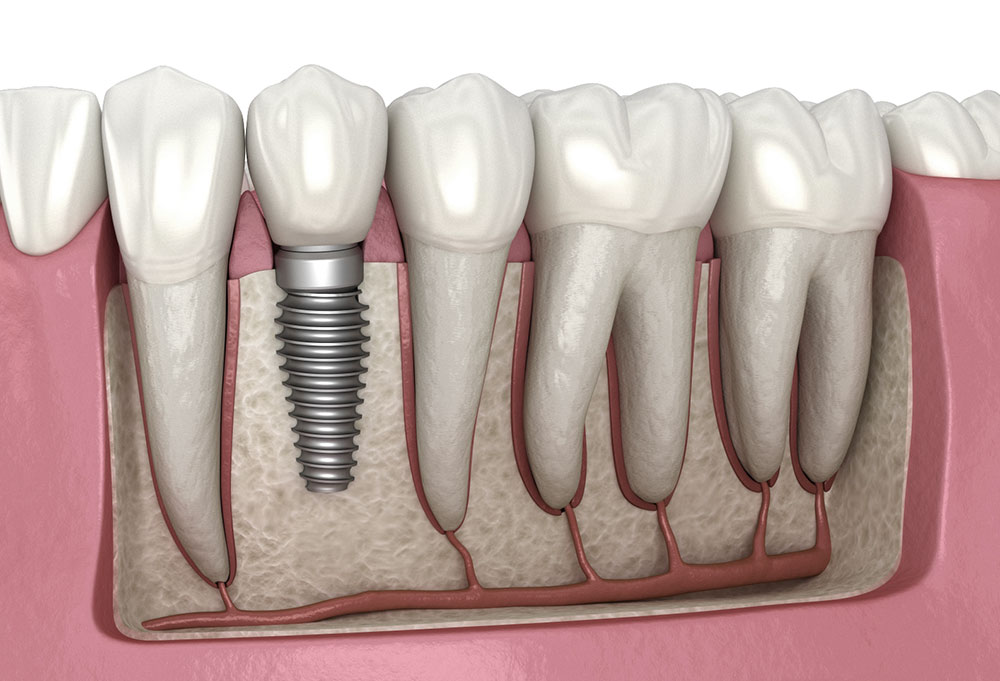
Dental implants fall under the umbrella of tooth replacement options, representing a pinnacle in modern implant dentistry. They are designed to function as artificial tooth roots, providing a stable and long-lasting foundation for replacement teeth. Dental implants effectively address the challenges associated with missing teeth, offering a solution that looks, feels, and functions much like natural teeth.
The Purpose of Dental Implants
The primary purpose of a dental implant is to provide a permanent base for supporting artificial teeth. Unlike dentures, which rest on the gums, or bridges, which rely on adjacent teeth for support, dental implants are surgically anchored into the jawbone. This provides exceptional stability, allowing for a restored smile that feels secure and natural. Moreover, dental implants help maintain jawbone density, preventing bone loss that often occurs after tooth extraction.
Beyond aesthetics, dental implants contribute significantly to overall oral health. They prevent the shifting of adjacent teeth, improve chewing efficiency, and enhance speech clarity. By restoring a complete and functional dentition, dental implants contribute to improved self-esteem and quality of life.
What Does a Dental Implant Procedure Involve?
The dental implant procedure typically involves several key steps. First, a comprehensive consultation and examination are conducted to assess the patient’s suitability for implants. This involves evaluating the patient’s oral health, bone density, and overall health status. If bone density is insufficient, a bone graft might be necessary.
Next, the implant is surgically placed into the jawbone. Over the following months, a process called osseointegration occurs, where the implant fuses with the surrounding bone, creating a solid foundation. Once osseointegration is complete, an abutment is attached to the implant, which serves as a connector for the final restoration—the artificial tooth or crown. The entire process can take several months but results in a permanent and natural-looking tooth replacement.
Seeking affordable and high-quality dental implant services? Explore your options with dental tourism in Albania and regain your confident smile.
Types of Dental Implants
When exploring types of dental implants, it’s crucial to understand the various options available to determine the best fit for individual needs. The most common types include endosteal implants, subperiosteal implants, single tooth implants, implant-supported bridges, and mini dental implants. Each type has unique characteristics that make it suitable for different patients and situations.
Endosteal Implants
Endosteal implants are the most widely used type of dental implant. They are surgically implanted directly into the jawbone. These implants are typically made of titanium or titanium alloy and come in various shapes, including screws, cylinders, or blades. Due to their direct integration with the jawbone, endosteal implants provide excellent stability and are suitable for patients with good bone density.
Endosteal implants are ideal for patients with sufficient bone volume to support the implant. They can be used to replace a single tooth (single tooth implants in albania), multiple teeth (multiple implants with bridges in albania), or an entire arch of teeth (as in all on 4 dental implants or all on 6 dental implants).
Subperiosteal Implants
Subperiosteal implants are an alternative for patients who have insufficient bone volume to support endosteal implants. These implants are placed under the gum tissue but on top of the jawbone. A metal framework is custom-made to fit the contours of the jawbone, providing support for the replacement teeth.
Subperiosteal implants are less common than endosteal implants and are typically recommended for patients who cannot undergo bone grafting in albania to increase bone volume. These implants are suitable for patients with limited bone height but require a precise fit to ensure stability.
Mini Dental Implants
Mini dental implants (MDIs) are smaller in diameter than traditional implants. They are often used to stabilize dentures or support single-tooth replacements when space is limited. MDIs are less invasive than traditional implants, requiring smaller incisions and often a shorter healing time.
Mini dental implants are ideal for patients with limited bone density or those seeking a less invasive option. They are commonly used to secure lower dentures, providing improved stability and comfort. Although less expensive than traditional implants, MDIs may not be suitable for all patients or all types of tooth replacements.
Interested in mini dental implants? What is a Mini Dental Implant? Discover the benefits and limitations of these smaller implants.
Who is Suitable for Each Type?
The suitability for each type of dental implant depends on individual factors such as bone density, overall health, and specific dental needs.
- Endosteal Implants: Suitable for patients with good bone density seeking long-term, stable tooth replacements.
- Subperiosteal Implants: Suitable for patients with insufficient bone volume who cannot undergo bone grafting.
- Mini Dental Implants: Suitable for patients with limited bone density or those seeking a less invasive option, often for denture stabilization.
A comprehensive consultation with a dental implant specialist is essential to determine the most appropriate type of implant for your unique situation.
The Dental Implant Procedure – Step by Step
Undergoing a dental implant procedure involves several well-defined steps, from the initial consultation to the final restoration. Understanding each phase helps patients prepare and know what to expect throughout the treatment, which may involve implant surgery, a possible bone graft, osseointegration, the placement of an abutment, and finally, crown placement.
Consultation and Evaluation
The first step in the dental implant process is a comprehensive consultation. During this appointment, the dentist evaluates your oral health, reviews your medical history, and discusses your treatment goals. X-rays and/or CT scans are typically taken to assess bone density and identify any potential issues.
Based on the evaluation, the dentist determines whether you are a suitable candidate for dental implants. Factors such as bone volume, gum health, and the presence of underlying medical conditions are considered. A personalized treatment plan is developed, outlining the steps involved, the type of implant recommended, and the expected timeline.
Implant Placement
The next step is the surgical placement of the dental implant into the jawbone. This is usually performed under local anesthesia, although sedation options are available for anxious patients. The dentist makes a small incision in the gum tissue to expose the bone. A pilot hole is created, and the implant is carefully inserted.
In some cases, a bone graft may be necessary to augment the bone volume before or during implant placement. This involves transplanting bone tissue from another area of the body or using synthetic bone material to create a solid foundation for the implant.
Osseointegration and Healing
Following implant placement, a period of healing is required for osseointegration to occur. This is the process by which the implant fuses with the surrounding bone, creating a stable and permanent anchor. Osseointegration typically takes several months, during which time the implant is left undisturbed beneath the gum tissue.
During the healing period, patients may be advised to follow a soft diet and avoid putting excessive pressure on the implant site. Regular check-ups are scheduled to monitor healing progress and ensure proper integration of the implant with the bone.
Abutment Placement and Restoration
Once osseointegration is complete, the abutment is attached to the implant. The abutment is a connector piece that serves as an anchor for the final restoration – the artificial tooth or crown placement.
The dentist makes an impression of the abutment, which is used to create a custom-made crown that matches the color, shape, and size of your natural teeth. The crown is then securely attached to the abutment, completing the dental implant process and restoring your smile.
Want to enhance your smile? Get quality dental implants in Albania.
Recovery Expectations
After the surgical placement of the dental implant, some discomfort and swelling are normal. Pain medication can help manage any discomfort. It is important to follow the dentist’s instructions regarding oral hygiene, diet, and activity restrictions to promote healing. Most patients can return to their normal activities within a few days.
Cost of Dental Implants in the UK
Understanding the dental implant cost UK is essential for anyone considering this tooth replacement option. Costs can vary depending on several factors. Exploring options such as traveling to a private dentist abroad, where prices may be lower, is becoming a popular choice. Note that NHS dental implants are rarely available, but payment plans may help.
Average Prices for Dental Implants
The average cost of a single dental implant in the UK typically ranges from £2,000 to £4,000. This price usually includes the implant itself, surgical placement, abutment, and crown. However, the total cost can increase if additional procedures, such as bone grafting or sinus lifts, are necessary.
For multiple implants or full-mouth restorations, the cost can range from £8,000 to £30,000 or more, depending on the number of implants needed and the complexity of the case. It’s crucial to obtain a detailed treatment plan and cost estimate from your dentist to understand the full financial commitment involved.
Many UK residents are also opting for dental implants in Albania and other countries, to save on high prices.
Factors That Affect Cost
Several factors can influence the cost of dental implants, including:
- Type of Implant: The brand and material of the implant can affect the price. High-quality titanium implants are generally more expensive.
- Location of the Clinic: Dental clinics in major cities or affluent areas may charge higher prices.
- Dentist’s Experience: Highly experienced and specialized dentists may charge more for their services.
- Additional Procedures: Bone grafting, sinus lifts, or tooth extractions can add to the overall cost.
- Type of Restoration: The type of crown or restoration used to complete the implant can affect the price.
Potential Additional Procedures
In some cases, additional procedures may be required to ensure the success of the dental implant. These can include:
- Bone Grafting: If the jawbone is not dense enough to support the implant, a bone graft may be necessary to augment the bone volume.
- Sinus Lift: A sinus lift may be required if the implant is being placed in the upper jaw near the sinus cavity. This procedure involves lifting the sinus membrane and adding bone graft material to create more space for the implant.
- Tooth Extraction: If the tooth being replaced is still present, it may need to be extracted before implant placement.
Unsure about bone density? See bone grafting in albania to augment bone volume.
Advantages and Disadvantages of Dental Implants
When considering dental implants pros and cons, it’s essential to weigh the benefits against potential risks to make an informed decision. Dental implants offer significant implant benefits, but it’s also important to be aware of possible implant risks and explore alternatives to dental implants.
Functional, Aesthetic, and Long-Term Health Benefits
Dental implants provide numerous functional, aesthetic, and long-term health benefits:
- Improved Chewing Efficiency: Dental implants restore the ability to chew properly, allowing you to enjoy a wider variety of foods.
- Enhanced Speech: Missing teeth can affect speech clarity. Dental implants restore natural speech patterns.
- Natural Appearance: Dental implants look and feel like natural teeth, enhancing your smile and boosting your self-confidence.
- Prevention of Bone Loss: Dental implants stimulate bone growth, preventing bone loss that often occurs after tooth extraction.
- Long-Term Durability: With proper care, dental implants can last a lifetime, making them a cost-effective tooth replacement option in the long run.
Possible Risks and Complications
Like any surgical procedure, dental implants carry some risks and potential complications, including:
- Infection: Infection at the implant site is a potential risk, especially if proper oral hygiene is not maintained.
- Nerve Damage: Nerve damage can occur during implant placement, leading to pain, numbness, or tingling in the gums, lips, or chin.
- Sinus Problems: Implants placed in the upper jaw can sometimes protrude into the sinus cavity, causing sinus problems.
- Implant Failure: In rare cases, the implant may not fuse properly with the bone, leading to implant failure.
- Gum Recession: Gum recession around the implant can occur, affecting its appearance and potentially increasing the risk of infection.
Who Should Avoid Implants?
While dental implants are a suitable option for many, certain individuals should avoid them:
- Patients with uncontrolled diabetes: High blood sugar levels can impair healing and increase the risk of infection.
- Heavy smokers: Smoking can interfere with osseointegration and increase the risk of implant failure.
- Patients with certain medical conditions: Conditions such as severe heart disease or immune deficiencies can increase the risk of complications.
- Patients with inadequate bone density: Insufficient bone volume may require bone grafting, which adds to the cost and complexity of the procedure.
- Pregnant women: Dental implant procedures are generally not recommended during pregnancy.
Discover Who is not suitable for implants? and explore alternative treatments, if necessary.
Caring for Dental Implants
Proper dental implant care is crucial for ensuring the longevity and success of your implants. Effective oral hygiene, diligent implant aftercare, and knowing how to properly clean cleaning dental implants are key components of long-term maintenance.
Day-to-Day Care and Long-Term Maintenance Advice
To keep your dental implants in optimal condition, follow these day-to-day care tips:
- Brush Regularly: Brush your teeth at least twice a day using a soft-bristled toothbrush and non-abrasive toothpaste.
- Floss Daily: Floss between your teeth and around the implant abutments to remove plaque and food particles.
- Use Interdental Brushes: Interdental brushes can help clean hard-to-reach areas around the implants.
- Rinse with Mouthwash: Use an antimicrobial mouthwash to kill bacteria and reduce the risk of infection.
- Visit Your Dentist Regularly: Schedule regular check-ups and cleanings with your dentist to monitor the health of your implants and address any potential issues.
Warning Signs of Implant Problems
Be aware of the following warning signs that could indicate a problem with your dental implants:
- Pain or Discomfort: Persistent pain or discomfort around the implant site.
- Swelling or Redness: Swelling or redness in the gums around the implant.
- Bleeding: Bleeding when brushing or flossing near the implant.
- Loose Implant: Feeling that the implant is loose or moving.
- Gum Recession: Recession of the gum line around the implant.
- Difficulty Chewing: Difficulty or discomfort when chewing.
If you notice any of these signs, contact your dentist immediately for evaluation and treatment.
FAQs about Dental Implants
Here are some frequently asked questions about dental implants to help you make an informed decision.
How long do dental implants last?
Dental implants are designed to be a long-term solution for missing teeth. With proper care and maintenance, they can last a lifetime. Factors such as oral hygiene, lifestyle, and overall health can affect their longevity.
Concerned about the longevity of your implants? See How long do dental implants last?
Who is not suitable for dental implants?
Individuals with uncontrolled diabetes, heavy smokers, patients with certain medical conditions, those with inadequate bone density, and pregnant women may not be suitable candidates for dental implants. A comprehensive evaluation is necessary to determine suitability.
Are dental implants painful?
The dental implant procedure is typically performed under local anesthesia, so you should not feel pain during the surgery. Some discomfort and swelling are normal after the procedure, but pain medication can help manage any discomfort.
What’s the difference between implants and dentures/bridges?
Dental implants are surgically anchored into the jawbone, providing a permanent and stable base for replacement teeth. Dentures are removable appliances that rest on the gums, while bridges rely on adjacent teeth for support. Implants offer better stability, prevent bone loss, and provide a more natural look and feel compared to dentures and bridges.
Considering tooth replacement options? See Which is better, implant or bridge?
Can you get dental implants on the NHS?
Dental implants are rarely available on the NHS, as they are typically considered a cosmetic procedure. In some cases, they may be provided if there is a medical need, such as congenital tooth loss or trauma. However, eligibility is limited, and waiting times can be long.
How do you clean dental implants?
Clean dental implants just like natural teeth, with regular brushing, flossing, and rinsing with mouthwash. Use a soft-bristled toothbrush and non-abrasive toothpaste. Interdental brushes can help clean hard-to-reach areas. Regular check-ups with your dentist are also essential.
Do dental implants ever fail?
Yes, dental implants can fail in rare cases. Failure can be caused by infection, poor oral hygiene, smoking, or underlying medical conditions. Regular check-ups and proper care can minimize the risk of implant failure.
How soon can you eat normally after implant surgery?
Following implant surgery, it’s best to stick to a soft diet for the first few days. Gradually introduce harder foods as healing progresses. Avoid chewing on the implant site until it is fully healed.
Unsure what to eat? Learn about What Foods Can You Not Eat with Dental Implants?
What if I don’t have enough bone for an implant?
If you don’t have enough bone for an implant, a bone graft may be necessary to augment the bone volume. This involves transplanting bone tissue from another area of the body or using synthetic bone material to create a solid foundation for the implant.
Are there age restrictions for dental implants?
There is no strict upper age limit for dental implants. As long as you are in good overall health, you can be a suitable candidate, even in your senior years. However, there is a minimum age requirement, as the jawbone must be fully developed before implants can be placed.
Choosing an Implant Dentist in the UK
Selecting the best implant dentist UK is essential for a successful dental implant procedure. Look for an implant specialist with extensive experience, positive dental implant reviews, and a reputable choosing a dental clinic.
What to Look for in a Provider
When choosing an implant dentist, consider the following factors:
- Experience and Qualifications: Look for a dentist with extensive experience in implant dentistry and relevant qualifications and certifications.
- Specialization: Consider choosing a dentist who specializes in implant dentistry, as they will have more expertise and knowledge in this area.
- Technology and Equipment: Ensure the clinic uses state-of-the-art technology and equipment for accurate diagnosis and treatment planning.
- Reviews and Testimonials: Read online reviews and testimonials to get an idea of the dentist’s reputation and patient satisfaction.
- Before-and-After Photos: Ask to see before-and-after photos of previous implant cases to assess the dentist’s aesthetic skills.
Questions to Ask at a Consultation
At your initial consultation, ask the dentist the following questions:
- What are your qualifications and experience in implant dentistry?
- How many implant procedures have you performed?
- What type of implants do you use?
- What is the success rate of your implants?
- What are the potential risks and complications of the procedure?
- What is the total cost of the treatment, including all additional procedures?
- What payment options are available?
- Can I see before-and-after photos of previous implant cases?
Considering quality and affordable dental work? contact albania dental implants and plan your trip today!





