




Dental Implant: Everything You Need to Know for a Confident Smile
A dental implant is a modern, long-lasting solution for replacing missing or damaged teeth with a natural appearance. If you’re considering dental implants, this comprehensive guide will provide you with all the essential information you need to make an informed decision, whether you’re in the UK or considering travelling abroad for treatment.
What Is a Dental Implant?
Dental implants are a revolutionary solution for missing teeth, offering a permanent and aesthetically pleasing alternative to traditional dentures or bridges. In essence, a dental implant acts as an artificial tooth root, providing a strong and stable foundation for a replacement tooth. This process falls under the umbrella of implant dentistry, a specialized field focused on surgical placement and restoration using implants.
Components of a Dental Implant
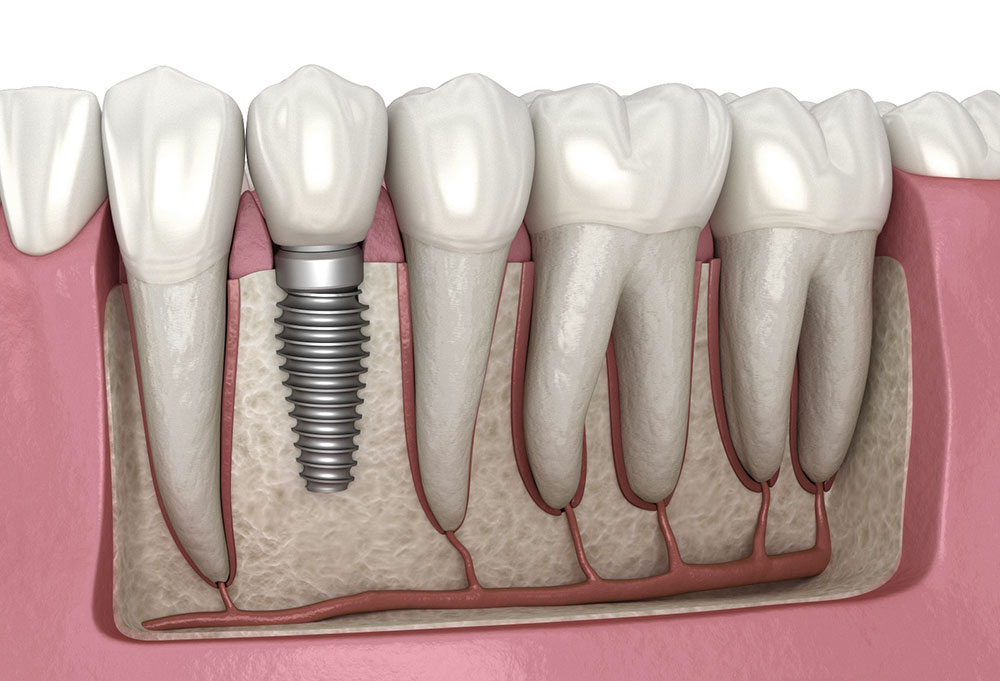
A dental implant consists of three primary components:
- The Implant Post: Typically made from biocompatible titanium, this screw-like post is surgically placed into the jawbone. Titanium’s unique properties allow it to fuse with bone in a process called osseointegration.
- The Abutment: This connector piece attaches to the implant post and extends above the gum line. It serves as the base for the crown.
- The Crown: A custom-made artificial tooth that is attached to the abutment. Crowns are designed to match the colour, shape, and size of your natural teeth, ensuring a seamless and natural-looking smile.
How a Dental Implant Functions
Unlike dentures, which sit on top of the gums, a dental implant is anchored directly into the jawbone. This provides exceptional stability and support, allowing you to eat, speak, and smile with confidence. The process of osseointegration is crucial to the success of a dental implant. Over time, the jawbone grows around the titanium post, effectively locking it in place and creating a strong, permanent foundation. This integration prevents bone loss, a common issue with other tooth replacement options.
Benefits of Dental Implants
Choosing dental implants offers numerous advantages of dental implants compared to other tooth replacement options. One of the most significant benefits is the long-term results they provide. Implants are designed to last a lifetime with proper care, making them a worthwhile investment in your oral health and overall well-being.
Strength and Stability
Dental implants provide unmatched strength and stability. Because they are anchored in the jawbone, they function much like natural teeth, allowing you to bite, chew, and speak without worrying about slippage or discomfort. This stability also contributes to better oral health by preventing the shifting of adjacent teeth.
Natural Appearance
The crowns attached to dental implants are custom-made to match the colour, shape, and size of your existing teeth. This ensures a seamless and natural-looking smile that can boost your confidence and self-esteem. Unlike dentures, which can sometimes look artificial, dental implants are virtually indistinguishable from your natural teeth.
Preservation of Jawbone
One of the most significant advantages of dental implants is their ability to preserve the jawbone. When a tooth is lost, the surrounding bone begins to deteriorate over time. Dental implants stimulate bone growth and prevent bone loss through osseointegration, helping maintain facial structure and preventing a sunken appearance.
Dental Implants vs. Dentures and Bridges
Compared to dentures and bridges, dental implants offer several distinct advantages:
- Dentures: While dentures are a more affordable implant alternative, they can be uncomfortable, require messy adhesives, and may affect your ability to taste food. Dentures also do not prevent bone loss, and can sometimes accelerate it.
- Bridges: Bridges require altering adjacent healthy teeth to support the replacement tooth. Dental implants do not affect neighbouring teeth and provide superior stability and longevity.
The Dental Implant Procedure Step-by-Step
Understanding the implant placement process can help alleviate any anxiety you may have about getting dental implants. The entire dental implant surgery typically involves several stages, ensuring a successful and long-lasting result. While you might be searching online for “how dental implants are done,” here’s an overview of what to expect.
Initial Consultation
The first step is a comprehensive consultation with a qualified dentist or oral surgeon. This involves a thorough examination of your teeth, gums, and jawbone. X-rays and CT scans may be taken to assess bone density and identify any potential issues. During the consultation, your dentist will discuss your treatment goals, explain the dental implant procedure, and answer any questions you may have. This assessment is crucial to determining your eligibility for dental implants.
Extraction (If Needed)
If the tooth being replaced is still present, it will need to be extracted. In some cases, a dental implant can be placed immediately after extraction, known as an immediate implant. However, in other cases, a healing period may be required before implant placement.
Bone Grafting
Sufficient bone density is essential for the success of a dental implant. If your jawbone is not thick enough or is too soft, bone grafting in Albania may be necessary. This involves transplanting bone tissue to the area to provide a solid foundation for the implant. The bone can be sourced from your own body or from a donor. A healing period of several months is usually required after bone grafting.
Implant Placement
Once the jawbone is ready, the dentist will surgically place the titanium implant post into the bone. This is typically done under local anaesthesia. The gum tissue is then stitched closed, and a healing period of several months is required for osseointegration.
Healing (Osseointegration)
Osseointegration is the process by which the titanium implant post fuses with the jawbone. This typically takes several months, during which time the implant becomes securely anchored in the bone. During this period, you may be fitted with a temporary crown or denture to maintain aesthetics and function.
Abutment Placement
Once osseointegration is complete, a minor surgical procedure is performed to expose the implant and attach the abutment. The abutment serves as a connector between the implant post and the final crown.
Crown Fitting
The final step involves creating and attaching a custom-made crown to the abutment. The crown is designed to match the colour, shape, and size of your natural teeth, providing a seamless and natural-looking smile. Your dentist will ensure that the crown fits properly and that your bite is comfortable.
Who Is the Best Candidate for Dental Implants?
While dental implants are a great solution for many, knowing your eligibility for dental implants is crucial. Not everyone is an ideal candidate. Several factors determine whether dental implants are the right choice for you. Considerations such as bone density and overall oral health play significant roles.
Factors Influencing Candidacy
Here are key factors that determine if you’re a good candidate for dental implants:
- Age: While there’s no upper age limit, younger patients may need to wait until their jawbone has fully developed.
- Jawbone Health: Sufficient bone density and quality are essential for supporting the implant. If bone loss has occurred, a bone graft may be necessary.
- Gum Condition: Healthy gums are crucial for the long-term success of a dental implant. Gum disease must be treated before implant placement.
- Medical Considerations: Certain medical conditions, such as uncontrolled diabetes, autoimmune diseases, and bleeding disorders, can affect your eligibility for dental implants. It’s important to discuss your medical history with your dentist.
- Lifestyle Habits: Smoking can significantly impair healing and increase the risk of implant failure. Smokers may need to quit before undergoing implant treatment.
Dental Implant Costs and Financing in the UK
Understanding the dental implant cost UK is a critical aspect for anyone considering this treatment. The cost of dental implants in the UK can vary significantly based on several factors, including the complexity of the case, the location of the clinic, and the type of implant used. Exploring the possibilities of NHS dental implants versus private dental charges is also important.
Factors Affecting the Price
Several elements contribute to the overall dental implant cost UK:
- Number of Implants: The more implants you need, the higher the cost will be.
- Bone Grafting: If bone grafting is required, it will add to the overall cost.
- Type of Implant: Different types of implants and materials have varying costs.
- Crown Material: The material used for the crown (e.g., porcelain, zirconia) will affect the price.
- Clinic Location: Clinics in London and other major cities may have higher fees.
Cost Range in the UK
In the UK, a single dental implant can range from £2,000 to £4,000 or more. A full mouth restoration with dental implants can cost anywhere from £10,000 to £30,000 or more. These costs typically include the implant post, abutment, and crown.
Potential for NHS Cover
While it’s rare, dental implants may be covered by the NHS in exceptional circumstances, such as when tooth loss is the result of trauma or certain medical conditions. However, NHS funding for dental implants is limited, and you will need to meet strict criteria to be eligible. Many people ask “Can you get implants on a NHS dentist?” but it’s more likely that you’ll find affordable options by exploring private clinics or considering treatment abroad, such as through dental tourism in Albania.
Payment Plans
Many dental clinics offer payment plans to help make dental implants more affordable. These plans allow you to spread the cost of treatment over several months or years. Some clinics also offer financing options through third-party lenders. It’s crucial to discuss payment options with your dentist and carefully review the terms and conditions of any financing agreement. Contact Albania Dental Implants and our team will help you to find the best way for you.
Risks, Recovery, and Long-Term Care
While dental implants offer numerous benefits, it’s essential to be aware of the potential complications with dental implants. Understanding the implant aftercare and dental hygiene practices will help ensure the longevity of your implants.
Risks and How to Minimize Them
Potential risks associated with dental implants include:
- Infection: Infection at the implant site can occur, but it can be minimized with proper hygiene and antibiotics if needed.
- Nerve Damage: Nerve damage can result in numbness or tingling in the gums, lips, or chin. Choosing an experienced surgeon can minimize this risk.
- Sinus Problems: Sinus lift in Albania may be necessary.
- Implant Failure: In rare cases, the implant may not fuse properly with the bone, leading to failure. This can be addressed with additional treatment.
Healing Process
The healing process after dental implant placement typically involves some discomfort, swelling, and bruising. Pain medication can help manage discomfort. It’s essential to follow your dentist’s instructions carefully and maintain good oral hygiene during the healing period. The bone is very important and sometimes you need a bone grafting in albania.
Care Tips and Longevity
To ensure the longevity of your dental implants, follow these care tips:
- Maintain Good Oral Hygiene: Brush and floss daily, paying special attention to the area around the implant.
- Regular Dental Checkups: Visit your dentist regularly for checkups and professional cleanings.
- Avoid Hard and Sticky Foods: These can damage the crown or implant.
- Don’t Smoke: Smoking can impair healing and increase the risk of implant failure.
With proper care, dental implants can last a lifetime.
Alternatives to Dental Implants
While dental implants are often considered the gold standard for tooth replacement, there are alternative options to consider. These implant alternatives include dentures, dental bridges, and removable partials. Understanding the pros and cons of each option can help you make an informed decision.
Dentures
Dentures are removable appliances that replace missing teeth. They are a more affordable option than dental implants, but they have several drawbacks. Dentures can be uncomfortable, require messy adhesives, and may affect your ability to taste food. They also do not prevent bone loss and can sometimes accelerate it. However, modern advancements have led to better-fitting and more natural-looking dentures.
Dental Bridges
A dental bridge is a fixed appliance that replaces a missing tooth by attaching to adjacent teeth. Bridges are less expensive than dental implants, but they require altering the structure of the neighbouring teeth to support the bridge. Bridges also have a shorter lifespan than implants and do not prevent bone loss.
Removable Partials
Removable partial dentures are similar to full dentures but are used to replace only a few missing teeth. They are a more affordable option than dental implants, but they have similar drawbacks to full dentures, including discomfort, the need for adhesives, and the potential for bone loss.
Who Should Consider Alternatives?
Alternatives to dental implants may be suitable for individuals who:
- Have limited budgets.
- Are not eligible for dental implants due to health reasons.
- Prefer a non-surgical option.
It’s essential to discuss your options with your dentist to determine the best solution for your specific needs and circumstances. You can explore options such as seeking treatment in Albania Dental Implants Services.
Real Patient Experiences and Success Stories
Hearing from others who have undergone dental implant treatment can provide valuable insights and build trust. Dental implant reviews and patient testimonials offer firsthand accounts of the before and after implants experience, highlighting the positive impact on their lives.
Highlighting Patient Journeys
Patient stories often emphasize the life-changing benefits of dental implants, including:
- Improved confidence and self-esteem.
- Enhanced ability to eat and speak comfortably.
- Restored natural smile.
- Improved oral health and overall well-being.
Building Trust Through Testimonials
By sharing these experiences, potential patients can gain a better understanding of what to expect during and after the dental implant procedure. These stories can also help alleviate any fears or concerns and motivate individuals to take the first step toward restoring their smiles.
Many patients also report high satisfaction levels with the final results, expressing gratitude for the restored function and aesthetics of their teeth. These stories show Albania Dental Implants Reviews and create a sense of trust and reassurance.
Dental Implant FAQs
Here are some frequently asked questions about dental implants to provide you with clear and concise answers.
What is a dental implant?
A dental implant is an artificial tooth root, typically made of titanium, that is surgically placed into the jawbone to support a replacement tooth or bridge. It provides a stable and long-lasting solution for missing teeth.
How long do dental implants last?
With proper care and maintenance, How long do dental implants last? Many people are seeking that information when considering dental implants for missing teeth. At Albania Dental Implants we can tell you that they can last a lifetime. Regular dental checkups, good oral hygiene, and avoiding habits like smoking can significantly extend their lifespan.
Does getting a dental implant hurt?
Most patients report minimal discomfort during the dental implant procedure, which is typically performed under local anaesthesia. Some soreness, swelling, and bruising may occur after the surgery, but pain medication can help manage any discomfort. You might ask “How painful is a dental implant?” At Albania Dental Implants we provide solutions to our dental patients.
Are dental implants safe?
Dental implants are considered a safe and effective treatment for missing teeth. However, as with any surgical procedure, there are potential risks, such as infection, nerve damage, and implant failure. Choosing an experienced and qualified dentist can minimize these risks.
How soon can I get back to work after dental implant surgery?
Most patients can return to work within a day or two after dental implant surgery. However, it’s essential to follow your dentist’s instructions and avoid strenuous activities for a few days to allow for proper healing.
How much do dental implants cost in the UK?
How much does a dental implant cost in the UK? This is very crucial question. The dental implant cost UK can vary depending on the number of implants needed, the location of the clinic, and the type of implant used. A single implant can range from £2,000 to £4,000 or more.
Can anyone get dental implants?
While dental implants are a great option for many, not everyone is a suitable candidate. Factors such as jawbone density, gum health, and certain medical conditions can affect your eligibility for dental implants. A thorough evaluation by a dentist is necessary to determine if dental implants are the right choice for you.
What are the risks or side effects of dental implants?
Potential risks associated with dental implants include infection, nerve damage, sinus problems, and implant failure. These risks can be minimized by choosing an experienced dentist and following proper aftercare instructions.
What is the difference between dental implants and dental bridges?
Dental implants are anchored directly into the jawbone, providing superior stability and preventing bone loss. Dental bridges, on the other hand, attach to adjacent teeth and do not prevent bone loss. Dental implants also tend to last longer than bridges.
Are implants available on the NHS?
In some limited cases, Can NHS pay for my dental implants? It is more likely that they will be available through private practices. The NHS are available, but only in exceptional circumstances, such as when tooth loss is the result of trauma or certain medical conditions. NHS funding for dental implants is limited, and you will need to meet strict criteria to be eligible.
Conclusion
Dental implants offer a long-lasting, natural-looking, and functional solution for replacing missing teeth. While the cost may seem significant, the benefits of improved confidence, enhanced oral health, and a restored smile make them a worthwhile investment. If you’re considering dental implants, consult with a qualified dentist to determine if they are the right choice for you. If you’re concerned about the cost of dental implants in the UK, consider exploring options abroad, such as through dental tourism in Albania. Contact us today to schedule a consultation and learn more about how dental implants can transform your smile and your life!





