


How do Dental Implants Work?
Dental implants offer a robust and lasting solution for missing teeth. Understanding the dental implant procedure and the underlying process of osseointegration is key to appreciating their effectiveness.
Implant Placement in Jawbone
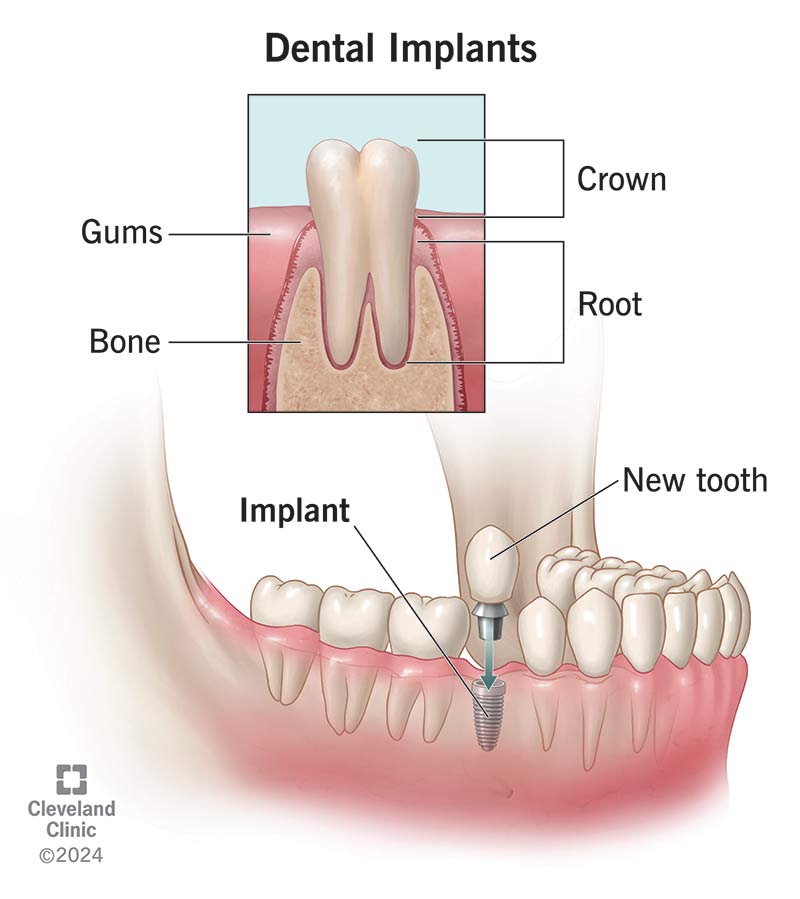
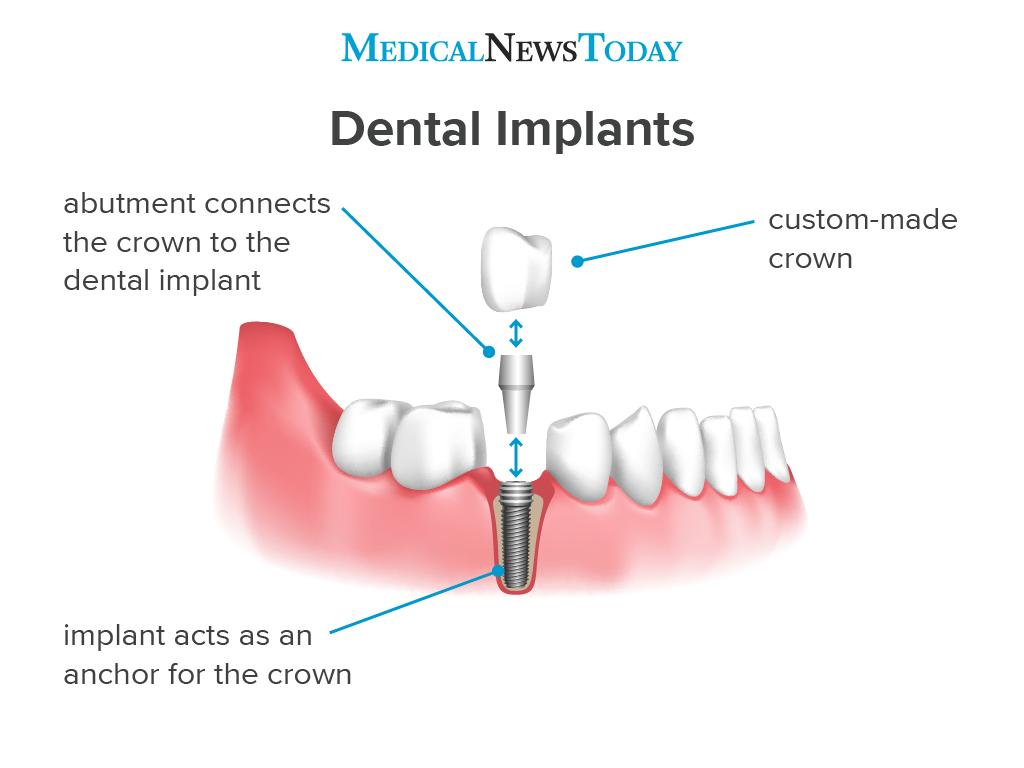
The first step involves surgically placing the implant, typically made of titanium, into the jawbone. This requires careful planning and precision to ensure the implant is positioned correctly for optimal support and aesthetics. The dentist will assess the bone quality and quantity using X-rays or CT scans to determine the best placement location.
Osseointegration and Healing
Osseointegration is the crucial process where the jawbone fuses with the titanium implant, creating a stable and permanent foundation. This can take several weeks to months. During this healing period, the bone cells grow around the implant surface, effectively anchoring it in place. A temporary crown or removable denture may be used to protect the area and maintain aesthetics during this phase.
Attachment of Abutment and Crown
Once osseointegration is complete, an abutment is attached to the implant. This is a connector piece that will hold the artificial tooth or crown. The custom-made crown, designed to match the color and shape of your natural teeth, is then secured to the abutment, completing the restoration.
Types of Dental Implants
Choosing the right type of dental implant is essential for a successful outcome. Several options are available, including endosteal, subperiosteal, mini, and zygomatic implants. Understanding the differences will help you and your dentist determine the best fit for your needs.
Endosteal Implants
Endosteal implants are the most common type, placed directly into the jawbone. They are suitable for patients with good bone density and come in various shapes and sizes, such as screws, cylinders, or blades. They are typically made of titanium or titanium alloy.
Subperiosteal Implants
Subperiosteal implants are placed under the gum but on or above the jawbone. This type is often used when patients have insufficient bone height for endosteal implants. A custom-made metal framework rests on the bone, providing support for the replacement teeth.
Mini and Zygomatic Implants
Mini dental implants (MDIs) are smaller in diameter than traditional implants and are often used to stabilize dentures. They are less invasive and require less bone support. Zygomatic implants are longer implants that anchor into the zygomatic bone (cheekbone), used in cases of severe bone loss in the upper jaw.
Materials Used (Titanium, Zirconia)
Dental implants are primarily made of titanium, known for its biocompatibility and strength. However, zirconia implants are also available, offering a metal-free alternative with excellent aesthetics and biocompatibility. The choice of material depends on the patient’s specific needs and preferences.
Benefits of Dental Implants
Dental implants offer numerous advantages over traditional tooth replacement options. Understanding the dental implant advantages will help you appreciate their long-term value.
Long-Term Durability
Dental implants are designed to last for many years, even a lifetime with proper care. Unlike dentures or bridges, which may need replacement or repair, implants offer a permanent solution that integrates with your jawbone.
Natural Look and Feel
Implants look, feel, and function like natural teeth. They are custom-made to match the color, shape, and size of your existing teeth, providing a seamless and natural appearance.
Functionality for Chewing and Speech
Implants restore full chewing function, allowing you to enjoy a wide range of foods without discomfort or limitations. They also improve speech, as they provide stable support for your lips and tongue, preventing the slurring or mumbling that can occur with dentures.
Prevention of Bone Loss
One of the most significant benefits of dental implants is their ability to prevent bone loss. When a tooth is lost, the jawbone in that area begins to deteriorate. Implants stimulate bone growth and prevent this bone resorption, maintaining the integrity of your facial structure.
Risks and Potential Complications
While dental implants are generally safe and effective, it’s essential to be aware of the dental implant risks and potential complications.
Possible Risks: Infection, Bone Loss, Nerve Injury
Infection, also known as peri-implantitis, can occur if bacteria invade the implant site. Bone loss around the implant can result from poor oral hygiene or excessive stress. Nerve injury is a rare but possible complication, leading to numbness or tingling in the teeth, gums, lips, or chin.
Factors Increasing Complication Risk
Certain factors can increase the risk of complications, such as smoking, poor oral hygiene, uncontrolled diabetes, and certain medical conditions. A thorough pre-surgical evaluation and adherence to post-operative instructions can help minimize these risks.
Who is a Candidate for Dental Implants?
Determining dental implant eligibility is crucial for ensuring a successful outcome. Not everyone is a suitable candidate for dental implants, and a comprehensive assessment is necessary.
General Suitability Criteria
Ideal candidates for dental implants typically have good overall health, healthy gums, and sufficient bone density in the jaw. They should also be committed to maintaining good oral hygiene and attending regular dental check-ups.
Need for Healthy Gums and Bone
Healthy gums are essential to support the implant and prevent infection. Adequate bone density is necessary to provide stable anchorage for the implant. If bone density is insufficient, bone grafting may be required.
When Bone Grafting or Sinus Lift is Required
Bone grafting involves adding bone to the jaw to increase its density and volume. A sinus lift is a specific type of bone graft performed in the upper jaw to increase the bone height in the area of the sinuses. These procedures can improve the chances of successful implant placement in patients with bone deficiencies. Consider bone grafting in albania to significantly cut costs.
The Dental Implant Procedure – What to Expect
Knowing what to expect during the dental implant procedure can help alleviate anxiety and ensure you are well-prepared.
Pre-Surgical Evaluation
The process begins with a comprehensive evaluation, including a thorough oral examination, X-rays, and possibly a CT scan. This helps the dentist assess your bone density, identify any potential issues, and plan the implant placement.
Step-by-Step of the Procedure
The implant procedure typically involves several steps:
- Anesthesia: Local anesthesia is administered to numb the area. Sedation may be used for more anxious patients.
- Implant Placement: A small incision is made in the gum to expose the jawbone. A pilot hole is drilled, and the implant is carefully screwed into place.
- Healing Period: The gum is stitched closed, and the implant is left to heal for several weeks to months.
- Abutment Attachment: Once osseointegration is complete, a second surgery is performed to attach the abutment to the implant.
- Crown Placement: The final step involves attaching the custom-made crown to the abutment.
Typical Recovery Timeline and Aftercare
The initial recovery period usually lasts a few days to a week. During this time, you may experience some discomfort, swelling, and bruising. Pain medication can help manage any discomfort. It’s important to follow your dentist’s aftercare instructions, which may include:
- Taking prescribed medications
- Eating soft foods
- Practicing good oral hygiene
- Avoiding smoking
- Attending follow-up appointments
Cost of Dental Implants in the UK
Understanding the dental implant cost UK is a key consideration for many patients. Prices can vary depending on several factors.
Average Price Range (Single Implant, Full Mouth)
In the UK, a single dental implant can range from £2,000 to £4,000 or more. A full mouth reconstruction with dental implants can cost between £15,000 and £40,000 or more, depending on the number of implants and the type of restoration used.
NHS vs Private Options
Dental implants are rarely available on the NHS, and are typically only offered in cases of medical necessity, such as after trauma or cancer surgery. Most patients opt for private dental care, where prices can vary significantly between clinics. Many opt to travel to other countries and save a great deal of money through dental tourism in albania.
Financing and Insurance Coverage
Many dental clinics offer financing options to help patients manage the cost of dental implants. Some dental insurance plans may cover a portion of the cost, but it’s important to check your policy details and coverage limits.
Caring for Your Dental Implants
Proper aftercare and maintenance are essential for the long-term success of dental implants.
Cleaning Instructions
Good oral hygiene is crucial for preventing infection and maintaining the health of your gums and bone. Clean your implants twice daily with a soft-bristled toothbrush and floss around the implant site. Interdental brushes can also be used to clean hard-to-reach areas.
Regular Dental Check-Ups
Attend regular dental check-ups and professional cleanings to monitor the health of your implants and address any potential issues early. Your dentist can also provide personalized advice on how to care for your implants properly.
Long-Term Prognosis with Proper Care
With proper care and maintenance, dental implants can last for many years, providing a stable, functional, and aesthetically pleasing solution for missing teeth. Regular check-ups, good oral hygiene, and a healthy lifestyle can help ensure the long-term success of your implants.
Alternatives to Dental Implants
While dental implants are an excellent solution for missing teeth, they are not the only option. Exploring the alternatives can help you make an informed decision based on your needs and preferences.
Dentures
Dentures are removable appliances that replace missing teeth. They can be full dentures, replacing all the teeth in an arch, or partial dentures, replacing only some teeth. Dentures are a more affordable option than implants but may not provide the same stability and function.
Bridges
Dental bridges are fixed appliances that span the gap created by one or more missing teeth. They are anchored to the adjacent teeth, which need to be prepared for crowns. Bridges are less invasive than implants but may require altering healthy teeth.
Removable Partials
Removable partials are similar to dentures but replace only some teeth. They are held in place by clasps that attach to the adjacent teeth. Removable partials are less stable than implants and may not provide the same level of function.
Pros and Cons Compared to Implants
Dental implants offer several advantages over dentures and bridges, including:
- Greater stability and function
- Prevention of bone loss
- Natural look and feel
- Long-term durability
However, implants are more expensive and require surgery, while dentures and bridges are more affordable and less invasive.
Frequently Asked Questions About Dental Implants
Here are some common questions about dental implants.
Are dental implants painful?
While some discomfort is expected after the procedure, dental implants are generally not painful. Local anesthesia is used during the surgery to numb the area, and pain medication can help manage any post-operative discomfort. Most patients report that the pain is manageable and less severe than they anticipated. The key to minimizing discomfort is to follow your dentist’s post-operative instructions carefully.
How long do dental implants last?
With proper care and maintenance, dental implants can last for many years, even a lifetime. The longevity of implants depends on several factors, including oral hygiene, lifestyle habits, and overall health. Regular dental check-ups and professional cleanings are essential for ensuring the long-term success of your implants. Most studies show a success rate of over 90% after 10 years.
Can anyone get dental implants?
While dental implants are a suitable option for many people, not everyone is a candidate. Ideal candidates typically have good overall health, healthy gums, and sufficient bone density in the jaw. Certain medical conditions, such as uncontrolled diabetes, and lifestyle habits, such as smoking, can affect implant success. A thorough evaluation by a qualified dentist is necessary to determine your eligibility.
Are dental implants safe?
Dental implants are generally safe and effective, with a high success rate. However, like any surgical procedure, there are potential risks and complications. These can include infection, bone loss, nerve injury, and sinus problems. Choosing an experienced and qualified dentist and following post-operative instructions carefully can help minimize these risks. For a safe procedure, contact Albania Dental Implants today.
Can dental implants be done in one day?
In some cases, dental implants can be done in one day, a procedure known as immediate loading. However, this is not suitable for all patients and depends on factors such as bone density and the stability of the implant. Your dentist will assess your suitability for this procedure during the initial evaluation. Even if you cannot get implants in one day, immediate loading dental implants in albania is an option.
What happens if you don’t have enough bone for implants?
If you don’t have enough bone density in the jaw, bone grafting may be required to increase the bone volume and provide stable anchorage for the implant. Bone grafting involves adding bone to the jaw, either from your own body or from a donor source. A sinus lift is a specific type of bone graft performed in the upper jaw to increase the bone height in the area of the sinuses. The success of bone grafting can vastly improve the odds of dental implant success. If you don’t have enough bone, there is hope.
Can you eat normally with dental implants?
Yes, once the implants have fully integrated with the jawbone and the final crown is placed, you can eat normally with dental implants. Implants restore full chewing function, allowing you to enjoy a wide range of foods without discomfort or limitations. However, it’s important to avoid excessively hard or sticky foods that could damage the crown or implant.
What is the success rate for dental implants?
The success rate for dental implants is generally high, with most studies showing a success rate of over 90% after 10 years. The success of implants depends on several factors, including oral hygiene, lifestyle habits, overall health, and the skill of the dentist. Regular dental check-ups and professional cleanings are essential for maintaining the long-term success of your implants.
Do dental implants look natural?
Yes, dental implants are designed to look, feel, and function like natural teeth. They are custom-made to match the color, shape, and size of your existing teeth, providing a seamless and natural appearance. With proper planning and execution, it’s often difficult to tell the difference between a dental implant and a natural tooth. For a beautiful smile, consider hollywood smile in albania.
How do you clean dental implants?
Cleaning dental implants is similar to cleaning natural teeth. Brush your implants twice daily with a soft-bristled toothbrush and floss around the implant site. Interdental brushes can also be used to clean hard-to-reach areas. It’s important to use non-abrasive toothpaste and avoid using metal tools that could scratch the implant surface. Regular dental check-ups and professional cleanings are also essential for maintaining the health of your implants.
Choosing a Dental Implant Provider in the UK
Selecting the right provider is crucial for a successful outcome. Here’s what to consider when choosing a dental implant provider.
What to Look for in a Provider
When choosing a dental implant provider, look for:
- Experience and qualifications
- Advanced training in implant dentistry
- Use of high-quality materials and technology
- Comprehensive pre-surgical evaluation
- Detailed treatment planning
- Positive patient reviews and testimonials
Questions to Ask During Consultation
During the consultation, ask questions such as:
- What is your experience with dental implants?
- What type of implants do you use?
- What is the success rate for your implants?
- What are the risks and potential complications?
- What is the cost of the procedure, and what does it include?
- Do you offer financing options?
- What is the recovery timeline and aftercare instructions?
Ensuring Qualifications and Experience
Verify that the dentist is registered with the General Dental Council (GDC) and has appropriate qualifications and experience in implant dentistry. Look for providers who have completed advanced training programs and have a proven track record of successful implant placements.
Conclusion
Dental implants offer a transformative solution for replacing missing teeth, providing a blend of stability, aesthetics, and long-term oral health benefits. Understanding the procedure, types of implants, benefits, risks, and maintenance involved will help you make an informed decision for your oral health. While the cost in the UK can be prohibitive, exploring options such as dental tourism in Albania can provide access to high-quality care at a more affordable price. At Albania Dental Implants, we are committed to providing exceptional dental implant services, combining expert care with the benefits of affordable dental tourism. Contact us today to learn more and schedule a consultation.