




What is an Implant? Your Comprehensive Guide
What is an implant? An implant refers to an artificial device or tissue that is inserted into the body to replace or support a biological structure. At Albania Dental Implants, we provide affordable, high-quality dental implants in Albania, offering a long-lasting solution for missing teeth. This guide will explore the different types of implants, the procedures involved, and the benefits and risks associated with them, helping you make an informed decision about your healthcare needs.
What is an Implant? Understanding the Basics
Medical and dental implants are revolutionising healthcare, offering solutions for a wide range of conditions. Let’s delve into the world of implants to understand their role and impact on modern medicine and dentistry.
Definition of Implant
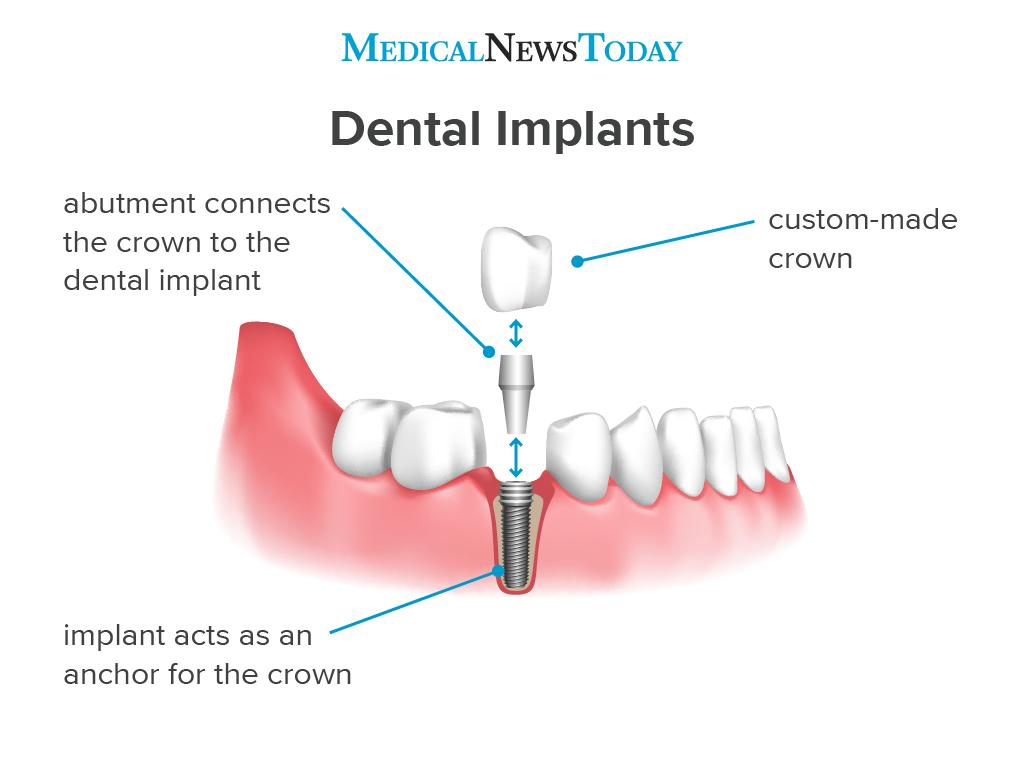
An implant is a medical device or tissue designed to be placed inside the body, either to replace a missing biological structure or to support a damaged one. Implants can range from small devices like pacemakers to large structures like hip replacements. Dental implants, for instance, replace missing teeth, providing a stable and natural-looking solution.
A Brief History of Implants
The concept of implants dates back centuries, with early examples found in ancient civilisations. However, modern implantology began in the 20th century with the discovery of osseointegration by Professor Per-Ingvar Brånemark. Osseointegration is the process by which living bone tissue fuses directly to an artificial material, like titanium, without any intervening layer of fibrous tissue. This breakthrough led to the development of reliable and predictable dental implants, which has since been extended to other areas of medicine.
General Uses in Medicine and Dentistry
Implants are used in a vast range of medical and dental applications, such as:
- Orthopaedics: Hip and knee replacements, spinal implants
- Cardiology: Pacemakers, defibrillators, heart valves
- Dentistry: Replacing missing teeth with dental implants
- Cosmetic Surgery: Breast implants, facial implants
- Neurology: Deep brain stimulators
These diverse applications showcase the versatility and importance of implants in improving the quality of life for patients worldwide. If you’re considering Albania Dental Implants for a solution to missing teeth, know that you are choosing a well-established procedure with a rich history of success.
Types of Implants: Medical, Dental, Cosmetic, and Orthopaedic
Implants come in various forms, each designed for specific purposes. Here is an overview of the principal types of implants used in medicine and dentistry today.
Overview of Principal Types
Implants can broadly be categorised into medical, dental, cosmetic, and orthopaedic types. Medical implants address various health conditions, while dental implants focus on tooth replacement. Cosmetic implants enhance physical appearance, and orthopaedic implants restore skeletal function. Each type utilises different materials and surgical techniques tailored to the specific application.
Medical Implants
Medical implants are used to treat a wide range of conditions:
- Heart Pacemakers: Regulate heart rhythm
- Insulin Pumps: Manage diabetes by delivering insulin
- Cochlear Implants: Restore hearing in individuals with hearing loss
Dental Implants
Dental implants are a popular and effective solution for replacing missing teeth. They can be used for single tooth implants in Albania, multiple implants with bridges, or full-mouth restorations. Some common types include:
- Endosteal Implants: Placed directly into the jawbone
- Subperiosteal Implants: Placed under the gum but on or above the jawbone
Considering replacing multiple missing teeth? Explore the benefits of multiple implants with bridges in Albania.
Cosmetic Implants
Cosmetic implants aim to enhance physical appearance and self-confidence. Examples include:
- Breast Implants: Increase or reshape breast size
- Facial Implants: Enhance facial features such as cheeks or chin
Orthopaedic Implants
Orthopaedic implants are designed to restore the function of the skeletal system:
- Hip Replacements: Replace damaged hip joints
- Knee Replacements: Replace damaged knee joints
- Spinal Implants: Stabilise the spine after injury or surgery
How Is an Implant Procedure Carried Out?
An implant procedure typically involves several stages, from initial consultation and planning to surgical placement and final restoration. Let’s explore the step-by-step process of a typical implant procedure.
Step-by-Step Description of a Typical Implant Procedure
Whether it’s a medical, dental, or cosmetic implant, the general process involves preparation, surgical phases, and a carefully managed recovery protocol.
Preparation Phase
The preparation phase is crucial for the success of any implant procedure:
- Initial Consultation: The healthcare provider assesses the patient’s overall health, reviews medical history, and discusses treatment goals.
- Diagnostic Imaging: X-rays, CT scans, or MRIs are used to evaluate the implant site and surrounding structures. For dental implants, 3D scans are particularly helpful for assessing bone density and nerve location.
- Treatment Planning: A detailed plan is developed, outlining the specific implant type, size, and placement.
Surgical Phases
The surgical phases depend on the type of implant, but the general process remains similar:
- Anaesthesia: Local or general anaesthesia is administered to ensure patient comfort during the procedure. If you’re anxious about the procedure, discuss sedation options with your healthcare provider.
- Implant Placement: A surgical incision is made to expose the implant site. The implant is then carefully inserted into the prepared space. For dental implants, this involves placing the implant into the jawbone.
- Closure: The incision is closed with sutures, and a protective dressing may be applied.
Recovery Protocol
The recovery process is essential for successful osseointegration and healing:
- Post-Operative Care: Pain medication, antibiotics, and instructions for wound care are provided.
- Healing Period: The implant is allowed to integrate with the surrounding tissue. This period can range from a few weeks to several months, depending on the implant type and individual healing factors.
- Restoration Phase: Once the implant has fully integrated, the final restoration is placed. For dental implants, this involves attaching a crown, bridge, or denture to the implant.
What Materials Are Used in Implants?
The success of an implant largely depends on the materials used. These materials must be biocompatible, durable, and capable of integrating with the body’s tissues. Let’s look at commonly used materials in implants.
Commonly Used Materials
Implants are made from a variety of materials, each with unique properties suited for different applications.
- Titanium: Known for its excellent biocompatibility and strength, titanium is widely used in dental and orthopaedic implants.
- Ceramics: Ceramic materials like zirconia offer high aesthetic appeal and biocompatibility, making them suitable for dental and orthopaedic applications. Zirconia implants in Albania provide a metal-free option for those with metal sensitivities.
- Polymers: Polymers such as silicone are commonly used in cosmetic implants due to their flexibility and biocompatibility.
- Composites: Composite materials combine the properties of two or more materials, offering enhanced strength and durability.
Material Selection and Compatibility
Selecting the right material is crucial for ensuring the long-term success of an implant:
- Biocompatibility: The material must be non-toxic and able to integrate with the body’s tissues without causing adverse reactions.
- Durability: The material must be strong enough to withstand the forces and stresses placed on it during normal use.
- Corrosion Resistance: The material must resist corrosion to prevent degradation and potential harm to the surrounding tissues.
Before proceeding with any implant procedure, discuss material options with your healthcare provider to ensure the best choice for your specific needs.
Benefits and Risks of Implants
Implants offer numerous benefits, including improved function, aesthetics, and longevity. However, they also come with potential risks and complications that patients need to be aware of.
Key Benefits of Implants
The advantages of implants can significantly improve a patient’s quality of life:
- Improved Function: Implants restore the ability to perform normal activities such as eating, speaking, and moving without discomfort or restriction.
- Enhanced Aesthetics: Implants provide a natural-looking appearance, boosting self-confidence and improving quality of life.
- Long-Term Durability: With proper care, implants can last many years, making them a cost-effective long-term solution.
Main Risks and Complications
Despite their benefits, implants carry potential risks:
- Infection: Infections can occur at the implant site, requiring antibiotic treatment or, in severe cases, implant removal.
- Rejection: Although rare, the body may reject the implant, leading to implant failure. This is more common with certain materials and medical conditions. Your body rejecting metal implants years later is something to be aware of, though it is uncommon.
- Failure Rates: Implants can fail due to various reasons, such as poor osseointegration, infection, or mechanical stress. However, failure rates are generally low, especially with modern techniques and materials.
Patients should discuss these risks with their healthcare provider to make an informed decision and take necessary precautions.
Cost and Accessibility of Implants
The cost of implants can be a significant factor for many patients. Understanding the average costs by implant type, as well as factors affecting price and insurance coverage, is crucial for making an informed decision.
Average Costs by Implant Type
Implant costs vary based on several factors, including the type of implant, the materials used, and the complexity of the procedure:
- Dental Implants: The dental implant cost can range from £2,000 to £5,000 per implant in the UK. However, opting for dental tourism in Albania can significantly reduce these costs.
- Orthopaedic Implants: Hip and knee replacements can cost between £10,000 and £20,000 in the UK.
- Cosmetic Implants: Breast implants typically cost between £5,000 and £8,000 in the UK.
These are estimates, and actual costs can vary. At Albania Dental Implants, we provide cost-effective solutions without compromising on quality.
Factors Affecting Price and Insurance Coverage
Several factors can influence the final cost of an implant procedure:
- Location: Costs can vary depending on the geographic location and the cost of living in that area. The average cost of dental implants in the UK are significantly higher than in Albania.
- Surgeon’s Experience: More experienced surgeons may charge higher fees for their services.
- Materials Used: The choice of implant materials can impact the cost, with premium materials like zirconia being more expensive.
- Insurance Coverage: Some insurance policies may cover a portion of the implant cost, especially if it is deemed medically necessary. It’s best to check with your insurance provider to understand your coverage options. Can you get dental implants on NHS? It’s possible but not always guaranteed.
FAQs About Implants
Here are detailed answers to frequently asked questions about implants to provide you with a clear understanding of what to expect.
What is the difference between a medical implant and a dental implant?
A medical implant is a device designed to replace or support a biological structure or function within the body, such as a heart pacemaker or hip replacement. A dental implant, on the other hand, specifically replaces a missing tooth root, providing a foundation for a replacement tooth.
How long does an implant procedure take?
The duration of an implant procedure varies depending on the type of implant and the complexity of the case. A single dental implant placement may take about one to two hours, while more complex procedures, such as full-mouth restoration, can take several hours. The total treatment time, including preparation and recovery, can range from a few months to over a year.
Are implants safe?
Yes, implants are generally considered safe when performed by qualified and experienced healthcare professionals. The materials used are biocompatible, and modern surgical techniques minimise the risk of complications. However, as with any surgical procedure, there are potential risks, such as infection and implant failure, which should be discussed with your healthcare provider.
What is the recovery process after receiving an implant?
The recovery process varies depending on the type of implant. For dental implants, patients may experience some discomfort, swelling, and bruising in the days following the procedure. Pain medication and antibiotics are typically prescribed. It’s essential to follow post-operative instructions carefully to ensure proper healing and osseointegration. How soon can I eat after a dental implant? Initially, a soft food diet is recommended.
Will my body reject an implant?
Although rare, it is possible for the body to reject an implant. This is more common with certain materials and medical conditions. However, modern implants are made of biocompatible materials like titanium, which significantly reduces the risk of rejection. Careful patient selection and adherence to proper surgical techniques also minimise this risk.
How much do different types of implants cost?
The cost varies widely depending on the implant type and other factors. Dental implants can range from £2,000 to £5,000 per implant in the UK, while orthopaedic implants and cosmetic implants have different cost structures. Always obtain a detailed cost estimate from your healthcare provider before proceeding with the procedure.
What materials are implants made from?
Implants are made from various materials, including titanium, ceramics, polymers, and composites. Titanium is widely used due to its excellent biocompatibility and strength. Ceramics, such as zirconia, are also popular for their aesthetic appeal and biocompatibility. Polymers, like silicone, are often used in cosmetic implants.
Can anyone get an implant?
While implants are suitable for many individuals, not everyone is a candidate. Factors such as overall health, bone density, and the presence of certain medical conditions can affect implant eligibility. A thorough evaluation by a healthcare provider is necessary to determine suitability.
What should I expect during implant surgery?
During implant surgery, you can expect to receive anaesthesia to ensure comfort. A surgical incision is made to expose the implant site, and the implant is carefully placed into the prepared space. The incision is then closed with sutures. Post-operative care instructions will be provided to promote healing and prevent complications. Are you put to sleep for dental implants? The level of sedation varies depending on your comfort level and the complexity of the procedure.
How long do implants last?
Implants are designed to be a long-term solution. With proper care and maintenance, they can last for many years, even a lifetime. Factors such as oral hygiene, regular check-ups, and overall health can affect the longevity of implants. How long do teeth implants last? With good care, they can last decades.
Ready to Transform Your Smile? Contact Albania Dental Implants Today!
If you’re considering dental implants as a solution for missing teeth, Albania Dental Implants offers high-quality, affordable options in a beautiful setting. We combine expert dental care with the benefits of dental tourism in Albania, providing a cost-effective way to restore your smile and confidence.
Contact us today to schedule a consultation and learn more about how we can help you achieve a healthy, beautiful smile with our dental implant services. Your journey to a confident smile starts here!





