



What Are Implants? Everything You Need to Know
What are implants? Implants are medical devices surgically placed into the body to replace or support damaged or missing biological structures, offering a long-term solution with diverse applications, including enhancing smiles at Albania Dental Implants through affordable dental tourism.
Understanding Implants
Implants, both dental implants and medical implants, serve as replacements for missing or damaged body parts. What are implants, in essence? They are artificial devices designed to integrate with the body, restoring function and often improving aesthetics.
What are implants?
Implants are prosthetic devices used to replace missing or damaged biological structures. They can range from dental implants replacing missing teeth to medical implants like hip replacements or cardiac devices. The goal is to restore function and improve the patient’s quality of life.
What are dental implants and medical implants?
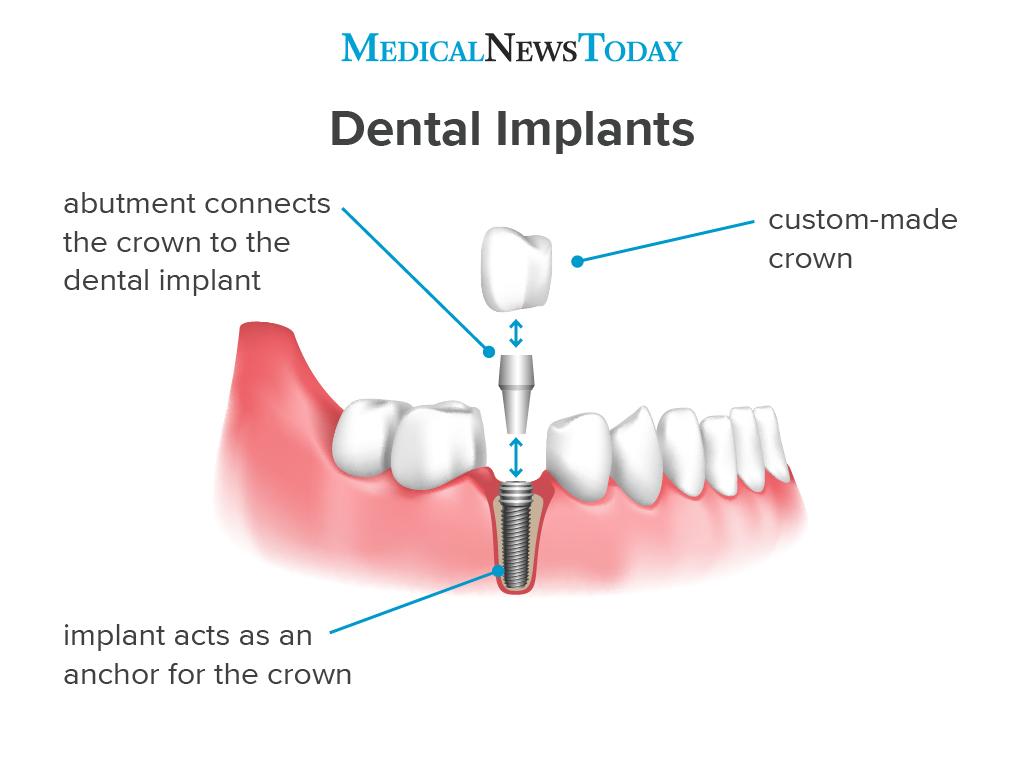
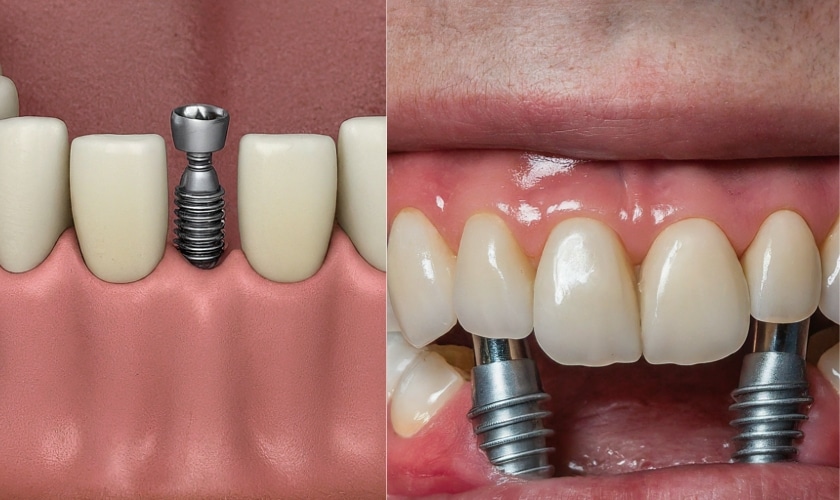
Dental implants specifically replace missing teeth, consisting of a titanium post surgically placed into the jawbone, which then fuses with the bone over time. A crown is attached to the post, creating a natural-looking and functioning tooth. Medical implants, on the other hand, are a broad category encompassing devices used to replace or support various body parts or functions. Examples include:
- Orthopedic implants (hip and knee replacements)
- Cardiac implants (pacemakers)
- Cochlear implants (for hearing)
- Cosmetic implants (breast implants)
The choice between different types of implants depends on the specific medical need and the patient’s overall health.
How do implants work?
Implants work by integrating with the body’s tissues through a process called osseointegration (for dental implants) or tissue integration (for medical implants). For example, dental implants are typically made of titanium, a biocompatible material that allows bone to grow around it, creating a strong and stable foundation for the replacement tooth. Medical implants are designed to perform specific functions, such as supporting a damaged joint or regulating heart rhythm.
Types of Implants
The world of implants is vast, encompassing many types of implants tailored to specific needs. Here’s a look at some of the most common categories:
What are the main types of implants?
The main types of implants can be broadly categorized into dental and medical implants. Within these categories, there are further subdivisions based on the specific application and materials used. Understanding these types of implants is key to finding the right solution for individual needs.
What are dental, breast, orthopedic, cochlear, and cosmetic implants?
- Dental Implants: As mentioned, these replace missing teeth. Different types include single tooth implants, all-on-4 dental implants (replacing an entire arch of teeth with just four implants), and implant-supported dentures.
- Breast Implants These are used for breast augmentation or reconstruction following mastectomy. They can be filled with saline or silicone gel.
- Orthopedic Implants: These replace damaged joints, such as hips, knees, and shoulders. They are designed to restore mobility and reduce pain.
- Cochlear Implants: These electronic devices are surgically implanted to provide a sense of sound to individuals with severe hearing loss.
- Cosmetic Implants: This category includes a range of implants used for cosmetic purposes, such as chin implants, cheek implants, and facial implants.
What materials are used in implants?
Implant materials vary depending on the type and function of the implant. Common materials include:
- Titanium: Highly biocompatible and strong, used in dental and orthopedic implants.
- Zirconia: A ceramic material used in zirconia implants for patients with metal sensitivities.
- Silicone: Used in breast implants and other cosmetic implants.
- Polymers: Used in various medical implants for their flexibility and biocompatibility.
The Implant Procedure
The implant procedure varies depending on the type of implant, but generally involves a surgical placement of the implant followed by a healing period and then attachment of the prosthetic component. Understanding the implant procedure steps can alleviate anxiety and prepare patients for what to expect.
How does the implant procedure work?
The process typically involves several stages:
- Consultation and Evaluation: A thorough examination, including X-rays or CT scans, to assess the patient’s suitability for implants.
- Implant Placement: Surgical placement of the implant into the bone.
- Healing Period: A period of osseointegration (for dental implants) or tissue integration, which can last several months.
- Abutment Placement: For dental implants, an abutment is attached to the implant, which will connect to the crown.
- Prosthetic Attachment: Attachment of the final prosthetic component, such as a crown, denture, or artificial joint.
What happens during implant surgery?
During implant surgery, the area is numbed with local anesthesia. In some cases, sedation or general anesthesia may be used. The surgeon makes an incision to expose the bone, drills a hole, and inserts the implant. The incision is then closed, and the healing process begins.
Is implant surgery safe?
Yes, implant surgery is generally safe when performed by a qualified and experienced surgeon. However, like any surgical procedure, there are potential risks, including infection, bleeding, nerve damage, and implant failure. These risks are minimized by careful planning and adherence to proper surgical techniques. Choosing a reputable clinic, like Albania Dental Implants, ensures that you are in experienced hands.
Benefits and Risks of Implants
Benefits of implants are numerous, ranging from improved function and aesthetics to enhanced quality of life. However, it’s important to be aware of the risks of implants and potential complications.
What are the main benefits of implants?
The main benefits of implants include:
- Improved Function: Implants restore the ability to chew, speak, and perform daily activities without difficulty.
- Enhanced Aesthetics: Implants look and feel like natural teeth or body parts, improving confidence and self-esteem.
- Long-Term Solution: With proper care, implants can last many years, making them a cost-effective option.
- Bone Preservation: Dental implants stimulate bone growth in the jaw, preventing bone loss that can occur with missing teeth.
What are the risks and complications associated with implants?
Potential implant complications and risks include:
- Infection: Infection at the implant site can lead to implant failure.
- Bleeding: Excessive bleeding during or after surgery.
- Nerve Damage: Damage to nerves can cause pain, numbness, or tingling.
- Implant Failure: The implant may not properly integrate with the bone, leading to failure.
- Peri-implantitis: Inflammation of the tissues surrounding the implant, which can lead to bone loss.
How safe are implants long-term?
Implants are generally considered safe long-term when properly maintained. Regular dental check-ups and good oral hygiene are essential for ensuring the longevity of dental implants. Medical implants also require ongoing monitoring to detect and address any potential issues. At Albania Dental Implants, we offer comprehensive aftercare guidance to help our patients maintain their implants for years to come.
Cost of Implants & Financing
The cost of implants can be a significant factor for many patients. Understanding the factors influencing cost of dental implants in albania, insurance coverage, and financing options can help make implants more accessible.
How much do implants cost?
The cost of implants varies widely depending on the type of implant, the complexity of the procedure, and the location of the clinic. Dental implants can range from a few thousand pounds for a single implant to tens of thousands for a full mouth restoration. Medical implants also vary in cost, depending on the type of device and the surgical procedure required. It’s important to get a detailed quote from a qualified provider to understand the total dental implant cost breakdown.
Does insurance cover implants?
Insurance and implants coverage varies depending on the insurance plan. Some dental insurance plans may cover a portion of the cost of dental implants, while others may not cover them at all. Medical insurance may cover some medical implants if they are deemed medically necessary. It’s essential to check with your insurance provider to understand your coverage.
What are financing options for implants?
Financing implants is possible through various options, including:
- Payment Plans: Many clinics offer payment plans to spread the cost of implants over time.
- Dental Loans: Specialized dental loans are available to finance dental procedures.
- Medical Credit Cards: Credit cards designed for medical expenses can be used to finance implants.
Exploring different financing implants options can make implants more affordable. Don’t hesitate to ask about available plans during your implant consultation.
Aftercare and Recovery
Recovery after implants is a crucial part of the process, ensuring the long-term success of the procedure. Proper implant care and long-term maintenance are essential.
What is the recovery period after implants?
The recovery after implants period varies depending on the type of implant and the individual patient. For dental implants, the initial healing period can last several weeks to months, as the bone fuses with the implant. Medical implants may require a longer recovery period, depending on the complexity of the surgery and the patient’s overall health.
How do you care for implants?
Implant care involves:
- Good Oral Hygiene: Regular brushing, flossing, and use of antibacterial mouthwash for dental implants.
- Regular Check-Ups: Regular visits to the dentist or doctor for monitoring and maintenance.
- Avoiding Harmful Habits: Avoiding smoking, excessive alcohol consumption, and other habits that can compromise implant health.
How long do implants last?
How long do dental implants last? This is a common question. With proper care, implants can last many years, even a lifetime. The longevity of implants depends on factors such as the patient’s health, lifestyle, and adherence to maintenance guidelines. Medical implants may also have a limited lifespan and may need to be replaced eventually.
Alternatives to Implants
While implants are an excellent option for many, alternatives to implants exist and may be more suitable for some patients. Understanding how bridges vs implants and dentures vs implants compare is essential for making an informed decision.
What are alternatives to implants?
Common alternatives to implants include:
- Dentures: Removable replacement teeth that rest on the gums.
- Bridges: Fixed replacement teeth that are anchored to adjacent natural teeth.
- Resin-Bonded Bridges: Less invasive alternative to traditional bridges.
How do bridges and dentures compare to implants?
Bridges vs implants: Bridges are less expensive than implants but require altering adjacent teeth and may not last as long. Dentures vs implants: Dentures are a more affordable option for replacing multiple teeth but can be less stable and comfortable than implants. Implants offer superior stability, longevity, and bone preservation compared to both bridges and dentures.
When are implants not suitable?
Implants may not be suitable for individuals with certain medical conditions, such as uncontrolled diabetes, severe osteoporosis, or bleeding disorders. Smokers and individuals with poor oral hygiene may also be at higher risk of implant failure. A thorough evaluation is necessary to determine suitability.
Who Needs Implants?
Who needs implants? Implants can benefit a wide range of individuals seeking to restore function, aesthetics, and quality of life. Assessing eligibility for implants is a crucial first step.
Who can benefit from implants?
People who can benefit from implants include:
- Individuals with missing teeth due to decay, injury, or congenital conditions.
- Individuals with damaged joints or other body parts that require replacement.
- Individuals seeking a more stable and permanent solution for tooth replacement compared to dentures or bridges.
Are there any medical conditions that prevent implant use?
Yes, certain medical conditions can contraindicate implant use, including:
- Uncontrolled diabetes
- Severe osteoporosis
- Bleeding disorders
- Active infections
- Certain autoimmune diseases
A thorough medical history and evaluation are necessary to identify any potential contraindications.
At what age can you get implants?
There is generally no upper age limit for getting implants, as long as the individual is in good health. However, there is a minimum age, as the jawbone must be fully developed before dental implants can be placed. This typically occurs in the late teens or early twenties. As you consider implants, also consider Albania as a dental destination. Dental tourism in albania offers you the chance to save thousands of pounds.
Choosing the Right Implant Provider
Choosing a provider is a critical step in ensuring a successful implant outcome. Look for reputable implant clinics UK or abroad with experienced specialists.
How do you choose a reputable implant clinic or provider?
When choosing a provider, consider the following:
- Qualifications and Experience: Look for a surgeon or dentist with extensive training and experience in implant procedures.
- Reputation: Check online reviews and testimonials to assess the provider’s reputation.
- Technology and Facilities: Choose a clinic with advanced technology and state-of-the-art facilities.
- Consultation: Schedule a consultation to discuss your needs and concerns with the provider.
What should you look for in an implant specialist?
An implant specialist should have:
- Board certification in implant dentistry or a related specialty.
- Extensive experience in performing implant procedures.
- A strong understanding of implant materials and techniques.
- Excellent communication and interpersonal skills.
What questions should you ask during your consultation?
During your implant consultation, ask about:
- The provider’s experience and qualifications.
- The type of implant that is recommended for your specific needs.
- The details of the implant procedure, including risks and benefits.
- The cost of the procedure and financing options.
- The aftercare and maintenance requirements.
FAQs
Is the implant procedure painful?
The implant procedure is typically performed under local anesthesia, so you should not feel any pain during the surgery. Some discomfort is normal after the procedure, but it can be managed with pain medication.
How long do implants last?
With proper care and maintenance, dental implants can last a lifetime. Medical implants may have a limited lifespan and may need to be replaced eventually.
Are there side effects of implants?
Potential side effects of implants include infection, bleeding, nerve damage, and implant failure. These risks are minimized by careful planning and adherence to proper surgical techniques.
Can implants be removed?
Dental implants can be removed, but it is a complex procedure that is typically only performed if the implant has failed or is causing complications. Medical implants can also be removed if necessary.
What is the success rate of implants?
The success rate of implants is generally high, with dental implants having a success rate of over 95%. Medical implants also have a high success rate, depending on the type of implant and the patient’s overall health.
How do I know if I am a good candidate for implants?
The best way to determine if you are a good candidate for implants is to schedule a consultation with a qualified provider. They will evaluate your medical history, perform a thorough examination, and discuss your needs and concerns.
What is the difference between dental implants and other types?
The main difference is that dental implants specifically replace missing teeth, while other types of implants are used to replace or support various body parts or functions.
Conclusion
Understanding what are implants, their types, benefits, and potential risks is crucial for making an informed decision about your health. Whether you’re considering dental implants to restore your smile or medical implants to improve your quality of life, consulting with a qualified provider is essential. At Albania Dental Implants, we are committed to providing high-quality, affordable implant solutions tailored to your individual needs. Contact us today to schedule a consultation and take the first step towards a healthier, happier you!





