



Dental Implants Dental — Your Complete Guide to Modern Tooth Replacement
Dental implants dental solutions offer a permanent, natural-looking way to replace missing teeth. If you’re considering a long-term solution for tooth loss, this comprehensive guide will provide you with all the information you need to make an informed decision, including the procedure, benefits, costs, and options for getting dental implants in Albania with Albania Dental Implants.
What Are Dental Implants?
Cluster keyword: dental implants, implant dentist, tooth replacement
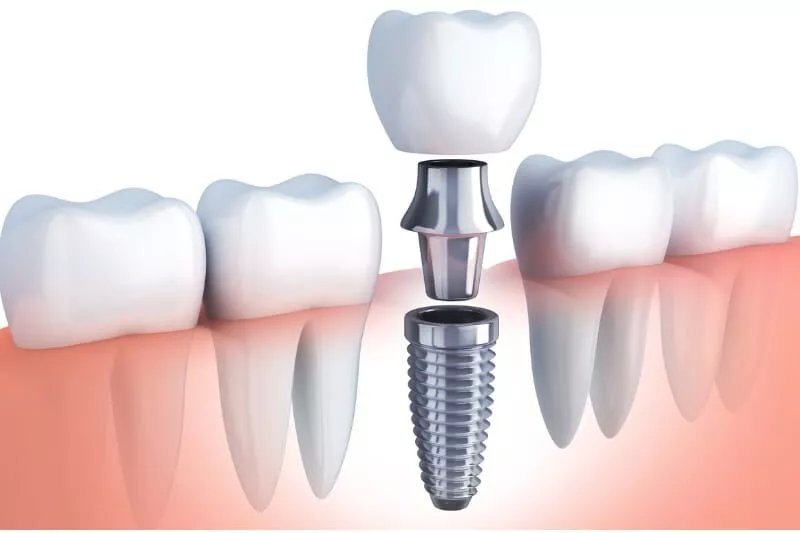
Dental implants are artificial tooth roots, typically made of titanium, that are surgically placed into the jawbone to provide a stable foundation for replacement teeth. They are a popular and effective solution for people who have lost teeth due to injury, decay, or other reasons. Unlike dentures or bridges, dental implants are a permanent solution that can last a lifetime with proper care.
Definition and Structure
A dental implant consists of three main parts:
- Titanium Post: This is the part that is surgically implanted into the jawbone. It acts as the artificial root for the new tooth.
- Abutment: This is a connector piece that attaches to the titanium post and serves as a base for the crown.
- Crown: This is the artificial tooth that is attached to the abutment. It is custom-made to match the color, shape, and size of your natural teeth.
Dental Implants vs. Bridges & Dentures
Choosing the right tooth replacement option can be overwhelming. Here’s a comparison of dental implants with traditional bridges and dentures:
- Dental Implants: Provide a permanent, stable solution that feels and functions like natural teeth. They also help prevent bone loss in the jaw.
- Dental Bridges: A bridge relies on adjacent teeth for support, which can put extra stress on those teeth. Bridges also don’t prevent bone loss.
- Dentures: Can be less stable and comfortable than implants. They also require more maintenance and can affect speech and taste.
When Is an Implant Dentist Needed?
An implant dentist, also known as an implantologist in Albania, is a dental professional who specializes in the placement and restoration of dental implants. You’ll need to see an implant dentist if you’re considering dental implants as a tooth replacement option. They have the expertise and training to assess your candidacy, perform the surgical procedure, and ensure the long-term success of your implants. The cost of a dental implant is an important point when considering the procedure.
Types of Dental Implants Available in the UK
Cluster keyword: all-on-4 implants, single tooth implant, implant supported dentures
The UK offers a variety of dental implant options to suit different needs and budgets. From single tooth replacements to full-arch restorations, understanding the different types of implants available is crucial for making the right choice.
Single Tooth Implants: Overview and Suitability
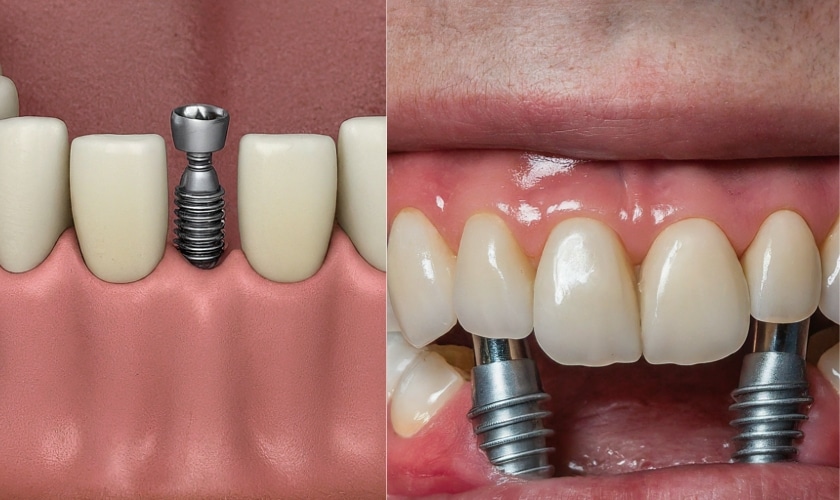
Single tooth implants in Albania are an ideal solution for replacing a single missing tooth. This involves placing a titanium post into the jawbone at the site of the missing tooth, followed by an abutment and a custom-made crown. Single tooth implants offer excellent stability, aesthetics, and functionality, restoring your smile and preventing adjacent teeth from shifting.
Question: How much does a single dental implant cost in the UK?
The average cost of a single dental implant in the UK can range from £2,000 to £4,000, depending on the location of the clinic, the materials used, and the complexity of the case.
Multiple and Full-Arch Options: All-on-4, All-on-6, Implant-Supported Dentures
For patients missing multiple teeth or an entire arch of teeth, there are several advanced implant options available:
- All-on-4 Implants: This innovative technique uses just four implants to support an entire arch of replacement teeth. It’s a cost-effective and efficient solution for full mouth restoration.
- All-on-6 Implants: Similar to All-on-4, but uses six implants for added stability and support. This may be recommended for patients with weaker jawbones.
- Implant-Supported Dentures: These dentures are anchored to dental implants, providing greater stability and retention than traditional dentures. They can be used to replace multiple teeth or an entire arch.
These can be more preferable than a dental implant vs bridge.
Innovations in Dental Implants dental Technology
The field of dental implants is constantly evolving with new technologies and techniques to improve the success, comfort, and efficiency of the procedure. Some notable innovations include:
- Digital Scans and 3D Printing: Used for precise planning and creation of custom-made implants and restorations.
- Guided Surgery: Minimally invasive surgical techniques that use computer-generated guides to ensure accurate implant placement.
- Zirconia Implants in Albania: A metal-free alternative to titanium implants, offering improved aesthetics and biocompatibility.
The Dental Implant Procedure Explained
Cluster keyword: dental implant procedure
Understanding what to expect during the dental implant procedure can help alleviate anxiety and ensure a smooth experience. The process typically involves several stages, from initial consultation and planning to surgical placement and restoration. For those travelling for dental tourism in Albania, the process can be streamlined for maximum efficiency.
Consultation and Planning
The first step is a comprehensive consultation with an implant dentist. This includes:
- Medical History Review: To assess your overall health and identify any potential risk factors.
- Oral Examination: To evaluate the condition of your teeth, gums, and jawbone.
- X-rays and Scans: To determine the bone density and structure in the area where the implant will be placed.
- Treatment Planning: Based on the evaluation, the dentist will develop a personalized treatment plan, including the type of implant, the number of implants needed, and the restoration options.
Steps in Surgery: Implant Placement, Healing, Restoration
The dental implant procedure typically involves these steps:
- Implant Placement: The implant dentist will surgically place the titanium post into the jawbone. This is usually done under local anesthesia, but sedation options are also available.
- Healing (Osseointegration): Over the next few months, the jawbone will fuse with the titanium post in a process called osseointegration. This creates a strong, stable foundation for the new tooth.
- Abutment Placement: Once osseointegration is complete, the dentist will attach an abutment to the implant post.
- Restoration (Crown Placement): Finally, a custom-made crown is attached to the abutment, completing the dental implant.
How painful is the dental implant procedure?
Most patients report minimal discomfort during the dental implant procedure. Local anesthesia is used to numb the area, and sedation options are available for anxious patients. After the surgery, some soreness and swelling are normal, but this can be managed with over-the-counter pain relievers. For those concerned about how painful are dental implants, rest assured the procedures are designed for maximum comfort.
Digital Scans and Modern Techniques
Modern dental technology has significantly improved the accuracy and efficiency of the dental implant procedure. Digital scans and 3D printing are used to create custom-made implants and restorations, ensuring a perfect fit and natural-looking results. Guided surgery, using computer-generated guides, allows for precise implant placement with minimal invasiveness.
Cost of Dental Implants in the UK
Cluster keyword: cost of dental implants in the UK
Understanding the cost of dental implants is a crucial part of the decision-making process. The price can vary depending on several factors, including the type of implant, the location of the clinic, and the complexity of the case. While dental implants may seem expensive upfront, they offer a long-term solution that can be more cost-effective than other tooth replacement options in the long run. However, you can find more affordable solutions for a full mouth reconstruction in Albania.
Average Prices for Single, Multiple, and Full-Arch Implants
Here’s a general overview of the average prices for different types of dental implants in the UK:
- Single Tooth Implant: £2,000 – £4,000
- Multiple Implants: £4,000 – £15,000 (depending on the number of implants)
- All-on-4 Implants: £7,000 – £15,000 per arch
- Implant-Supported Dentures: £4,000 – £10,000 per arch
Question: How much do dental implants cost in the UK?
As stated above, dental implants can cost between £2,000 and £15,000 depending on the circumstances.
Private vs NHS Coverage
In the UK, dental implants are generally not covered by the NHS, except in very rare circumstances where they are deemed medically necessary. Most dental implant procedures are performed in private dental clinics, and patients are responsible for covering the full cost of the treatment. This is why many consider cost of dental implants in Albania.
Factors Affecting Cost
Several factors can influence the cost of dental implants:
- Type of Implant: The material and design of the implant can affect the price.
- Number of Implants: The more implants needed, the higher the overall cost.
- Bone Grafting: If you require bone grafting to strengthen your jawbone, this will add to the cost.
- Location of Clinic: Dental implant prices can vary depending on the location of the clinic.
- Dentist’s Experience: Highly experienced implant dentists may charge more for their services.
Payment, Insurance, and Finance Options
To make dental implants more affordable, many dental clinics offer payment plans and financing options. Some dental insurance policies may also cover a portion of the cost, but it’s important to check with your insurance provider to see what is covered.
Can NHS pay for my dental implants?
The NHS rarely provides funding for dental implants. This is because of budget constraints and the fact that they are seen as a cosmetic treatment. Only if there is a medical need will the NHS pay.
Candidacy—Who Can Get Dental Implants?
Cluster keyword: dental implants, implant dentist
While dental implants are a great solution, not everyone is a suitable candidate. Assessing your candidacy involves evaluating your overall health, bone density, and lifestyle factors. A thorough evaluation by an implant dentist is essential to determine if dental implants are right for you. The best dental implant clinic UK may still recommend overseas option to save costs. It is important to consider who can’t have dental implants.
Health and Bone Requirements
To be a good candidate for dental implants, you should:
- Have Good Overall Health: Certain medical conditions, such as uncontrolled diabetes or autoimmune diseases, can affect the success of dental implants.
- Have Sufficient Bone Density: The jawbone needs to be strong enough to support the implant. If you have significant bone loss, you may need a bone graft before getting dental implants.
- Have Healthy Gums: Gum disease can compromise the stability of dental implants, so it’s important to have healthy gums before proceeding with the procedure.
Age and Medical Considerations
There is no specific upper age limit for dental implants. As long as you are in good overall health, you can get dental implants at any age. However, there are some medical conditions that may make you a less suitable candidate, such as:
- Uncontrolled diabetes
- Autoimmune diseases
- Blood clotting disorders
- Radiation therapy to the head and neck
Question: Is everyone suitable for dental implants?
No, not everyone is a suitable candidate for dental implants. Factors like overall health, bone density, and lifestyle choices can affect your eligibility.
Smoking and Implant Success Rates
Smoking can significantly reduce the success rate of dental implants. Smokers are more likely to experience implant failure, bone loss, and gum disease. If you are a smoker, it’s important to quit before getting dental implants to improve your chances of success. You can find lower dental implants cost by travelling.
Question: Who should not get dental implants?
People with uncontrolled medical conditions, significant bone loss, or those who smoke heavily may not be suitable candidates for dental implants.
Benefits and Risks of Dental Implants Dental Solutions
Cluster keyword: dental implant benefits, dental implant risks
Dental implants offer a wide range of benefits, from improved oral health and functionality to enhanced aesthetics and confidence. However, it’s also important to be aware of the potential risks and complications associated with the procedure. Weighing the benefits and risks carefully can help you make an informed decision about whether dental implants are right for you.
Long-Term Health Benefits
Dental implants offer several long-term health benefits:
- Prevents Bone Loss: Implants stimulate the jawbone, preventing bone loss that can occur after tooth loss.
- Improves Oral Hygiene: Implants are easier to clean than bridges or dentures, promoting better oral hygiene.
- Restores Chewing Function: Implants allow you to eat a wider variety of foods, improving nutrition and overall health.
- Enhances Speech: Implants can improve speech clarity compared to dentures, which can sometimes slip or cause mumbling.
Risks and Complications
Like any surgical procedure, dental implants carry some risks and potential complications:
- Infection: Infection at the implant site is a potential risk, but it can usually be treated with antibiotics.
- Nerve Damage: Nerve damage can occur during implant placement, causing pain, numbness, or tingling in the gums, lips, or chin.
- Sinus Problems: Implants in the upper jaw can sometimes protrude into the sinus cavity, causing sinus problems.
- Implant Failure: In rare cases, the implant may fail to fuse with the jawbone, requiring removal.
What is the downside to dental implants?
Potential downsides include the cost, the need for surgery, and the risk of complications like infection or nerve damage.
Comparative Longevity
Dental implants are designed to last a lifetime with proper care. Studies have shown that dental implants have a success rate of over 95% after 10 years. Other tooth replacement options, such as bridges and dentures, typically need to be replaced every 5-10 years.
Aftercare and Longevity of Dental Implants
Cluster keyword: dental implant aftercare
Proper aftercare is crucial for ensuring the long-term success and longevity of your dental implants. Following your dentist’s instructions and maintaining good oral hygiene can help prevent complications and keep your implants healthy for years to come. Consider services for bone grafting in Albania for long term support. You can use Albania Dental Implants resources to learn more.
Daily Maintenance
Here are some tips for daily maintenance of your dental implants:
- Brush Your Teeth Twice a Day: Use a soft-bristled toothbrush and fluoride toothpaste to clean your teeth and implants.
- Floss Daily: Use floss or interdental brushes to clean between your teeth and implants.
- Use an Antibacterial Mouthwash: Rinse with an antibacterial mouthwash to kill bacteria and prevent infection.
- Avoid Smoking: Smoking can damage your implants and increase the risk of complications.
Professional Check-Ups
Regular check-ups with your dentist are essential for monitoring the health of your implants and preventing problems. During these check-ups, your dentist will:
- Examine Your Implants: To check for signs of infection, bone loss, or other problems.
- Clean Your Teeth: To remove plaque and tartar buildup around your implants.
- Adjust Your Bite: To ensure that your implants are properly aligned and that your bite is even.
How Long Do Dental Implants Last?
Dental implants are designed to last a lifetime with proper care. However, their longevity can be affected by factors such as:
- Oral Hygiene: Poor oral hygiene can lead to gum disease and bone loss, which can compromise the stability of your implants.
- Smoking: Smoking can damage your implants and increase the risk of complications.
- Medical Conditions: Certain medical conditions, such as diabetes, can affect the success of dental implants.
- Bruxism: Grinding your teeth can put excessive stress on your implants, leading to damage or failure.
Question: How long do dental implants last?
With proper care, dental implants can last a lifetime. Factors like oral hygiene, smoking, and medical conditions can affect their longevity.
Dental Implants vs. Other Tooth Replacement Options
Cluster keyword: dental implant vs bridge, dental implants vs dentures
Choosing the right tooth replacement option involves considering the pros and cons of each option, as well as your individual needs and preferences. Here’s a comparison of dental implants with other common tooth replacement options:
Durability, Function, Aesthetics
- Dental Implants: Offer superior durability, functionality, and aesthetics compared to bridges and dentures. They are the most natural-looking and long-lasting tooth replacement option.
- Dental Bridges: Can restore your smile and chewing function, but they are not as durable or stable as implants. Bridges also require the alteration of adjacent teeth.
- Dentures: Can be a more affordable option, but they are less stable, comfortable, and natural-looking than implants. Dentures can also affect speech and taste.
Pros and Cons Table
| Option | Pros | Cons |
|---|---|---|
| Dental Implants | Permanent, stable, natural-looking, prevents bone loss, improves oral hygiene | More expensive, requires surgery, potential risks and complications |
| Dental Bridges | Restores smile and chewing function, less expensive than implants | Not as durable or stable as implants, requires alteration of adjacent teeth, doesn’t prevent bone loss |
| Dentures | More affordable, non-surgical | Less stable, comfortable, and natural-looking than implants, can affect speech and taste, requires more maintenance |
Question: What is the best alternative to dental implants?
The best alternative to dental implants depends on individual needs and circumstances. Dental bridges and dentures are common options, but they have different pros and cons compared to implants.
Choosing the Right Implant Dentist in the UK
Cluster keyword: implant dentist, best dental implant clinic UK
Selecting an experienced and qualified implant dentist is crucial for ensuring the success of your dental implant procedure. Look for a dentist with extensive training, expertise, and a proven track record of successful implant placements. It’s important to also consider location, look for a dental clinic in Albania.
Questions to Ask
Here are some questions to ask when choosing an implant dentist:
- What are your qualifications and experience in implant dentistry?
- How many dental implants have you placed?
- What is your success rate with dental implants?
- What type of implants do you use?
- What are the risks and complications associated with the procedure?
- What is the cost of the procedure, and what payment options are available?
Checking Credentials
Before choosing an implant dentist, be sure to check their credentials and qualifications. You can verify their registration with the General Dental Council (GDC) and check for any disciplinary actions or complaints.
Importance of Experience and Technology
Experience and access to advanced technology are important factors to consider when choosing an implant dentist. An experienced dentist will have a better understanding of the complexities of the procedure and will be able to handle any potential complications. Access to advanced technology, such as digital scans and 3D printing, can improve the accuracy and efficiency of the procedure. The single tooth implants in Albania use the latest technology.
Patient Reviews and Success Stories
Cluster keyword: dental implants reviews UK, dental implant testimonials
Reading patient reviews and success stories can provide valuable insights into the quality of care and the results you can expect from dental implants. Look for reviews that mention the dentist’s expertise, the staff’s professionalism, and the overall experience.
Real Patient Results
Real patient results can give you a realistic idea of what to expect from dental implants. Before and after photos can showcase the aesthetic improvements, while testimonials can highlight the functional and emotional benefits of the procedure. Patients are posting albania dental implants reviews and showcasing great success.
Before and After Cases
Reviewing before and after cases can help you visualize the potential improvements that dental implants can make to your smile and oral health. Look for cases that are similar to your own situation to get a better sense of what to expect.
Frequently Asked Questions About Dental Implants Dental
Here are some frequently asked questions about dental implants dental solutions:
What are dental implants?
Dental implants are artificial tooth roots, typically made of titanium, that are surgically placed into the jawbone to provide a stable foundation for replacement teeth. They offer a permanent, natural-looking solution for missing teeth.
How painful is the dental implant procedure?
Most patients report minimal discomfort during the dental implant procedure. Local anesthesia is used to numb the area, and sedation options are available for anxious patients. After the surgery, some soreness and swelling are normal, but this can be managed with over-the-counter pain relievers.
How long does a dental implant last?
With proper care, dental implants can last a lifetime. Factors like oral hygiene, smoking, and medical conditions can affect their longevity.
Is everyone suitable for dental implants?
No, not everyone is a suitable candidate for dental implants. Factors like overall health, bone density, and lifestyle choices can affect your eligibility.
How much do dental implants cost in the UK?
The cost of dental implants in the UK can vary depending on several factors, including the type of implant, the location of the clinic, and the complexity of the case. A single dental implant can cost between £2,000 and £4,000.
Can I get dental implants on the NHS?
Dental implants are generally not covered by the NHS, except in very rare circumstances where they are deemed medically necessary. Most dental implant procedures are performed in private dental clinics.
Are dental implants safe?
Dental implants are generally considered safe, but like any surgical procedure, they carry some risks and potential complications, such as infection, nerve damage, and implant failure. Choosing an experienced and qualified implant dentist can minimize these risks.
How do I care for dental implants?
Caring for dental implants involves maintaining good oral hygiene, including brushing your teeth twice a day, flossing daily, and using an antibacterial mouthwash. Regular check-ups with your dentist are also essential for monitoring the health of your implants.
How soon can I eat after dental implant surgery?
You should follow your dentist’s instructions regarding diet after dental implant surgery. Generally, you’ll need to stick to a soft food diet for the first few days, gradually reintroducing solid foods as your gums heal.
What is the difference between dental implants, bridges, and dentures?
Dental implants are a permanent, stable solution that feels and functions like natural teeth. Bridges rely on adjacent teeth for support, while dentures are removable appliances that can be less stable and comfortable than implants.
Ready to Begin? Book a Consultation
If you’re considering dental implants as a tooth replacement option, the next step is to book a consultation with an implant dentist. During this consultation, the dentist will assess your candidacy, discuss your treatment options, and answer any questions you may have. Albania Dental Implants offers high quality affordable alternatives to the high cost in the UK.
Contact Albania Dental Implants today to schedule your free consultation and learn more about how dental implants can transform your smile and improve your quality of life. Contact Albania Dental Implants, to learn more.





