



Implant Teeth – Everything You Need To Know
Implant teeth are a trusted solution for replacing missing or damaged teeth and restoring your smile. Whether you’re missing a single tooth or require a full mouth restoration, understanding the process, benefits, and costs is crucial for making an informed decision. At Albania Dental Implants, we’re dedicated to providing high-quality, affordable dental solutions, including a range of Albania Dental Implants Services to meet your individual needs. This comprehensive guide will walk you through everything you need to know about implant teeth, so you can confidently choose the best option for your oral health and well-being.
What Are Implant Teeth?
Cluster keywords: dental implants, artificial teeth, tooth replacement
Implant teeth, also known as dental implants, are artificial tooth roots that are surgically placed into your jawbone to support a replacement tooth or teeth. They offer a permanent and stable foundation for artificial teeth, providing a natural look and feel that closely mimics real teeth. Unlike dentures or bridges, implant teeth don’t rely on adjacent teeth for support, offering a more independent and long-lasting solution.
Definition and Overview of Implant Teeth
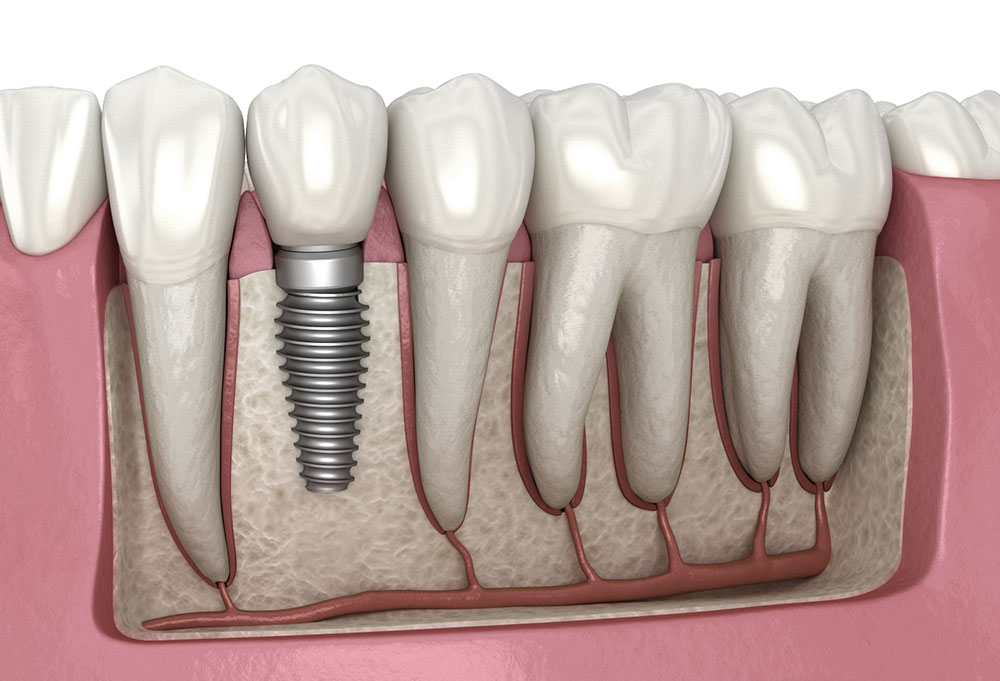
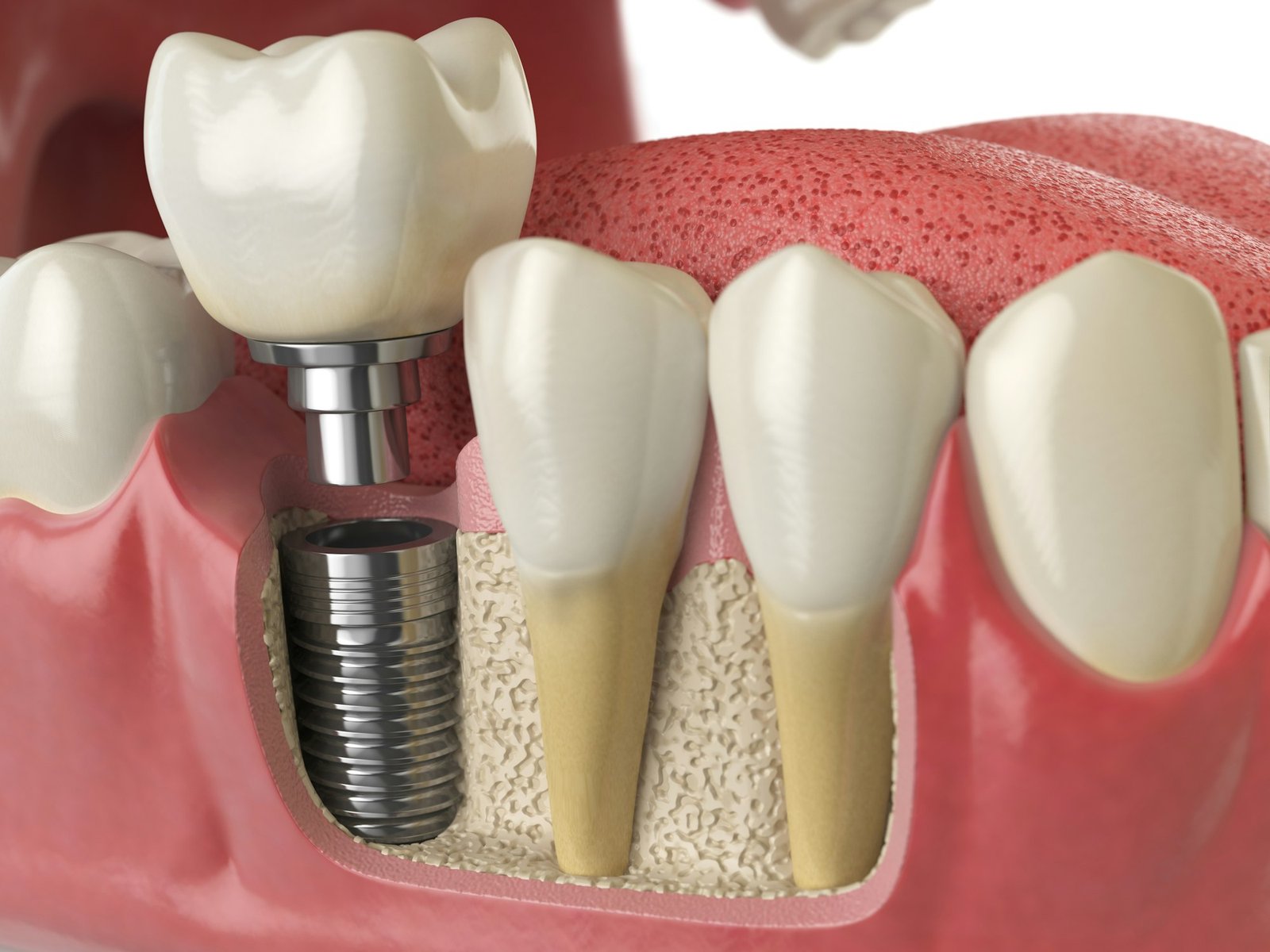
A dental implant is essentially a small titanium post that is surgically inserted into the jawbone. Over time, the implant fuses with the bone through a process called osseointegration, creating a strong and stable base. Once the implant is securely in place, an abutment (a connector piece) is attached, and finally, a custom-made crown (the artificial tooth) is fitted onto the abutment. At Albania Dental Implants, we ensure that every implant is meticulously placed to guarantee optimal functionality and aesthetics.
How Implant Teeth Differ from Dentures or Bridges
While dentures and bridges are also options for tooth replacement, implant teeth offer several distinct advantages. Dentures are removable and can sometimes feel uncomfortable or unstable. Bridges rely on the support of adjacent teeth, which may require altering their structure. Implant teeth, on the other hand, are a standalone solution that doesn’t affect neighboring teeth and provides superior stability and a more natural feel. Furthermore, implants help preserve bone health, which is a significant long-term benefit that dentures and bridges cannot offer. The long-term benefits and the superior quality of life make dental implants in Albania an investment in your health.
Components: Implant, Abutment, Crown
Understanding the components of implant teeth can help you appreciate the precision and engineering involved in this solution. The implant itself is typically made of titanium, a biocompatible material that fuses well with bone. The abutment serves as a connector between the implant and the crown. The crown is the visible part of the artificial tooth, custom-made to match the color, shape, and size of your natural teeth. Each component plays a critical role in the overall success and aesthetics of your implant teeth.
Types of Implant Teeth Procedures
Cluster keywords: single tooth implant, multiple tooth implants, all-on-4 implants, mini dental implants
There are various types of implant teeth procedures, each designed to address specific needs and situations. From replacing a single missing tooth to restoring an entire arch, understanding the options available can help you choose the most suitable procedure for your individual circumstances.
Explanation of Each Major Type of Procedure
- Single Tooth Implant: This procedure involves replacing one missing tooth with a single implant and a custom-made crown. It’s an ideal solution for individuals with isolated tooth loss and healthy adjacent teeth.
- Multiple Tooth Implants: When multiple teeth are missing but not adjacent, individual implants can be placed for each missing tooth, providing a stable and independent solution.
- All-on-4 Implants: This innovative technique uses just four implants to support an entire arch of replacement teeth. It’s a cost-effective and efficient solution for individuals who have lost most or all of their teeth in one arch. The all on 4 dental implants in Albania are an affordable option for UK residents.
- Mini Dental Implants: These are smaller in diameter than traditional implants and are often used to stabilize dentures or in situations where there is limited bone density.
Advantages and Suitable Candidates for Each
Each type of implant teeth procedure offers unique advantages and is best suited for specific candidates. Single tooth implants are excellent for maintaining the health of adjacent teeth and providing a natural look and feel. Multiple tooth implants offer similar benefits when several teeth are missing. All-on-4 implants are ideal for individuals seeking a cost-effective and efficient way to restore an entire arch of teeth. Mini dental implants are a good option for stabilizing dentures and for patients with limited bone density. Careful assessment is crucial to determine which procedure is the most appropriate for each individual.
Comparison: Traditional vs. Mini Implants
Traditional and mini implants differ primarily in size and application. Traditional implants are wider and longer and are typically used for replacing individual teeth or supporting bridges. Mini implants, on the other hand, are smaller and less invasive. Mini implants are often used to stabilize dentures, particularly lower dentures, which tend to be less stable than upper dentures. While mini implants are generally less expensive, they may not be suitable for all situations. The best option depends on individual needs and bone density.
Benefits of Implant Teeth
Cluster keywords: benefits of dental implants, advantages, long-term results, bite strength
Implant teeth offer a wide range of benefits that extend far beyond simply replacing missing teeth. From improved aesthetics and confidence to enhanced chewing function and long-term oral health, implant teeth can significantly improve your quality of life.
Aesthetics and Confidence
One of the most significant benefits of implant teeth is the aesthetic improvement they provide. Implant teeth look and feel like natural teeth, seamlessly blending with your existing smile. This can significantly boost your confidence, allowing you to smile, speak, and eat without feeling self-conscious. At Albania Dental Implants, we prioritize creating implant teeth that look natural and enhance your overall appearance.
Improved Chewing Function
Missing teeth can make it difficult to chew and enjoy your favorite foods. Implant teeth restore your ability to chew properly, allowing you to eat a wider variety of foods and maintain a healthy diet. Unlike dentures, which can sometimes feel unstable or slip, implant teeth are firmly anchored in your jawbone, providing a strong and reliable biting force. Some patients even find that after full mouth reconstruction in Albania, they can enjoy foods that they have not been able to eat for many years.
Bone Health and Facial Structure Preservation
When a tooth is lost, the surrounding bone begins to deteriorate over time. Implant teeth help prevent bone loss by stimulating bone growth and maintaining the integrity of your jawbone. This is particularly important for preserving your facial structure and preventing a sunken or aged appearance. Dentures and bridges don’t provide this crucial benefit, making implant teeth a superior long-term solution for maintaining oral health.
Longevity and Durability
With proper care and maintenance, implant teeth can last a lifetime. They are a durable and long-lasting solution for tooth replacement, offering excellent value for your investment. While dentures and bridges may need to be replaced every few years, implant teeth are designed to withstand the wear and tear of daily life and provide years of reliable service. And by selecting zirconia implants in Albania, you can be confident that the materials being used are the highest quality.
The Implant Teeth Procedure – Step By Step
Cluster keywords: dental implant process, implant surgery, healing time, aftercare
Understanding the steps involved in the implant teeth procedure can help you feel more prepared and confident about the process. From the initial consultation to the final crown fitting, knowing what to expect can ease any anxiety and ensure a smooth experience.
Initial Consultation and Planning
The first step is a comprehensive consultation with our experienced dental team. During this appointment, we will assess your oral health, take X-rays and/or CT scans, and discuss your goals and expectations. We will then develop a personalized treatment plan tailored to your individual needs. If bone loss is a concern, bone grafting in Albania is an option to explore.
Surgical Placement of the Implant
The next step is the surgical placement of the implant. This procedure is typically performed under local anesthesia, although sedation options are available for anxious patients. A small incision is made in the gum tissue, and the implant is carefully inserted into the jawbone. The gum tissue is then sutured back into place.
Osseointegration Period (Healing and Bonding)
After the implant is placed, it needs time to fuse with the bone through a process called osseointegration. This typically takes several months, during which time the implant becomes firmly anchored in the jawbone. During this period, you may be fitted with a temporary tooth replacement to maintain aesthetics and function. The time it takes to integrate can vary based on individual factors. At Albania Dental Implants, you can ask about immediate loading dental implants in Albania, which may reduce wait time.
Abutment and Crown Fitting
Once osseointegration is complete, the abutment is attached to the implant. An impression is then taken to create a custom-made crown that will perfectly fit your mouth. The crown is carefully fitted onto the abutment, ensuring a comfortable and natural fit. At Albania Dental Implants, we use the latest technology to create crowns that seamlessly blend with your natural teeth.
Recovery and Aftercare Tips
Following the abutment and crown fitting, it’s essential to follow our aftercare instructions to ensure proper healing and long-term success. This may include taking pain medication, eating soft foods, and practicing good oral hygiene. Regular checkups and professional cleanings are also crucial for maintaining the health and longevity of your implant teeth. After getting your implants, you can still enjoy most foods; just learn what to eat with dental implants and maintain good hygiene to preserve your long-term dental health.
Costs and Financing for Implant Teeth
Cluster keywords: dental implant cost, NHS, private dental implants, payment plans, insurance
The cost of implant teeth can be a significant consideration for many individuals. Understanding the factors that influence the cost and the financing options available can help you make an informed decision and find a solution that fits your budget.
Breakdown of Typical Costs in the UK
The cost of implant teeth in the UK can vary depending on several factors, including the number of implants needed, the type of implant used, the complexity of the procedure, and the location of the dental clinic. Generally, a single tooth implant can cost between £2,000 and £4,000. Multiple tooth implants or full arch replacements can cost significantly more. Additional costs may include consultations, X-rays, and custom-made crowns. Given these prices, you may find that the cost of dental implants in Turkey may better suit your budget.
Implants on the NHS vs. Private Care
While the NHS provides dental care, it’s rare for them to cover the cost of dental implants. NHS dental implants are typically only available in cases of medical necessity, such as after trauma or cancer surgery. In most cases, individuals seeking implant teeth will need to pursue private dental care. Private dental clinics offer a wider range of implant options and personalized treatment plans, but they also come with a higher cost.
Financing, Payment Plans, Dental Insurance
To make implant teeth more affordable, many private dental clinics offer financing options and payment plans. These plans allow you to spread the cost of treatment over time, making it more manageable. Some dental insurance policies may also cover a portion of the cost of implant teeth, although coverage can vary significantly. It’s important to check with your insurance provider to understand your coverage and any limitations. However, if you have limited financial resources, you can still find affordable teeth implants with good care and quality.
Risks, Complications & Aftercare for Implant Teeth
Cluster keywords: dental implant risks, complications, implant failure, maintenance, oral hygiene
While implant teeth are generally a safe and reliable solution, it’s important to be aware of the potential risks and complications associated with the procedure. Understanding these risks and how to manage them can help you make an informed decision and ensure a successful outcome.
Potential Complications and How They Are Managed
Potential complications of implant teeth can include infection, nerve damage, sinus problems, and implant failure. These complications are rare, but they can occur. Infection can be treated with antibiotics. Nerve damage is usually temporary, but in rare cases, it can be permanent. Sinus problems can be managed with medication or surgery. Implant failure can occur if the implant doesn’t fuse properly with the bone or if it becomes infected. In most cases, failed implants can be replaced with new implants. The best way to mitigate implant failure is to follow after-care instructions.
Importance of Oral Hygiene and Regular Checkups
Proper oral hygiene is crucial for maintaining the health and longevity of your implant teeth. This includes brushing and flossing regularly, using an antibacterial mouthwash, and attending regular checkups and professional cleanings. Good oral hygiene helps prevent infection and gum disease, which can compromise the stability of your implants. Many patients use the best electric toothbrush as recommended by their dentist.
Long-Term Maintenance
In addition to good oral hygiene, long-term maintenance is also important for ensuring the success of your implant teeth. This may include adjusting your bite if necessary, replacing worn or damaged crowns, and addressing any issues that may arise over time. Regular checkups with our dental team can help identify and address any potential problems early on, preventing more serious complications down the road. Albania Dental Implants can provide high-quality and affordable dental implants UK.
Implant Teeth vs. Other Tooth Replacement Options
Cluster keywords: implants vs dentures, dental bridge vs implant, best tooth replacement
When considering tooth replacement, it’s important to weigh the pros and cons of each option to determine which is the best fit for your individual needs and circumstances. Implant teeth, dentures, and bridges each offer unique advantages and disadvantages.
Direct Comparison Chart Highlighting Pros and Cons
Implant Teeth
- Pros: Permanent and stable Natural look and feel Preserves bone health Doesn’t affect adjacent teeth Long-lasting
- Cons: Higher upfront cost Requires surgery Longer treatment time
Dentures
- Pros: Lower cost Non-surgical Quick treatment time
- Cons: Removable and can feel unstable May affect speech and eating Doesn’t preserve bone health Requires regular replacement
Bridges
- Pros: Lower cost than implants Fixed in place Shorter treatment time than implants
- Cons: Requires altering adjacent teeth Doesn’t preserve bone health May require replacement
Factors Influencing the Best Choice
The best tooth replacement option depends on several factors, including your oral health, the number of missing teeth, your budget, and your personal preferences. If you’re seeking a permanent and natural-looking solution and are willing to invest in long-term oral health, implant teeth may be the best choice. If you’re looking for a more affordable option and are comfortable with removable appliances, dentures may be a good fit. If you have healthy adjacent teeth and are seeking a fixed solution, a bridge may be a suitable option.
Frequently Asked Questions About Implant Teeth
Cluster keywords: FAQ dental implants, common questions
Here are some frequently asked questions to help you better understand implant teeth and the implant process.
What are implant teeth and how do they work?
Implant teeth, or dental implants, are artificial tooth roots that are surgically placed into your jawbone to support a replacement tooth or teeth. The implant fuses with the bone over time, providing a stable and permanent foundation. An abutment is then attached to the implant, and finally, a custom-made crown is fitted onto the abutment. The result is a natural-looking and fully functional replacement tooth that feels just like your own.
Am I suitable for dental implants?
Most people are suitable candidates for dental implants, but there are certain factors that can affect your eligibility. Good oral health, sufficient bone density in the jaw, and a commitment to proper oral hygiene are all important. Certain medical conditions, such as uncontrolled diabetes or autoimmune disorders, may also affect your suitability. A thorough evaluation by our dental team is essential to determine if dental implants are right for you.
How painful is the dental implant procedure?
The dental implant procedure is typically performed under local anesthesia, so you shouldn’t feel any pain during the surgery. Some patients may experience mild discomfort or soreness after the procedure, but this can usually be managed with over-the-counter pain medication. Sedation options are also available for anxious patients. A minimally invasive method can help reduce your pain; learn more about how painful are dental implants to ease your concerns.
How long do implant teeth last?
With proper care and maintenance, implant teeth can last a lifetime. Regular brushing, flossing, and professional cleanings are essential for maintaining the health and longevity of your implants. Avoiding habits such as smoking and teeth grinding can also help extend the lifespan of your implant teeth. The how long do dental implants last in the UK can also vary based on the materials used and location in your mouth.
Can anyone get implant teeth on the NHS?
It’s rare for the NHS to cover the cost of dental implants. NHS dental implants are typically only available in cases of medical necessity, such as after trauma or cancer surgery. In most cases, individuals seeking implant teeth will need to pursue private dental care. In cases of medical necessity, you can ask can NHS pay for my dental implants but must meet very specific requirements to be approved.
How do you care for implant teeth?
Caring for implant teeth is similar to caring for natural teeth. Brush and floss regularly, use an antibacterial mouthwash, and attend regular checkups and professional cleanings. Avoid habits such as smoking and teeth grinding, which can damage your implants. Good oral hygiene is essential for maintaining the health and longevity of your implant teeth.
Are there age restrictions for dental implants?
There is no strict upper age limit for dental implants. As long as you are in good overall health, you can be a candidate for implant teeth regardless of your age. However, there is a minimum age limit. Because the jawbone must be fully developed to get implants, a suitable time will be after the age of 18.
What is the average recovery time after getting implant teeth?
The average recovery time after getting implant teeth varies depending on the individual and the extent of the procedure. In general, it takes several months for the implant to fully fuse with the bone through osseointegration. During this period, you may experience some mild discomfort or swelling. Following our aftercare instructions and attending regular checkups can help ensure a smooth and successful recovery. You can also learn about how long does it take to recover from full mouth dental implant surgery in our guide.
Are implant teeth noticeable or do they look natural?
Implant teeth are designed to look and feel like natural teeth. Our dental team uses the latest technology and techniques to create custom-made crowns that perfectly match the color, shape, and size of your existing teeth. Once the implant is in place, it should be virtually indistinguishable from your natural teeth.
What risks or complications should I be aware of?
Potential risks and complications of implant teeth can include infection, nerve damage, sinus problems, and implant failure. These complications are rare, but they can occur. Following our pre and post-operative instructions can help minimize your risk and ensure a successful outcome. In addition, choosing an experienced dental clinic in Albania can help reduce your risk of complications.
Choosing a Dentist for Implant Teeth
Cluster keywords: best dental implant clinic, dental implant specialist, UK dentist
Choosing the right dentist for implant teeth is crucial for ensuring a successful and satisfying outcome. Look for a dentist with extensive experience, specialized training, and a commitment to providing personalized care.
Qualifications and Experience to Look For
When selecting a dentist for implant teeth, look for someone who has completed extensive training in implant dentistry and has years of experience performing implant procedures. Check their credentials, read online reviews, and ask for before-and-after photos of their previous patients. A dentist with a proven track record of success is more likely to provide you with the results you’re looking for. In addition, check that the team has experience with cosmetic dentistry in Albania.
Questions to Ask During a Consultation
During your consultation, don’t hesitate to ask questions about the dentist’s experience, the types of implants they use, the success rates of their procedures, and the financing options available. A good dentist will be happy to answer your questions and provide you with all the information you need to make an informed decision.
Importance of Personalized Treatment
Every patient is unique, and a one-size-fits-all approach to implant dentistry simply won’t do. Look for a dentist who takes the time to listen to your concerns, assess your individual needs, and develop a personalized treatment plan tailored to your specific situation. Personalized treatment is essential for achieving the best possible outcome and ensuring your satisfaction. When you work with Albania Dental Implants, you are choosing personalized care and proven results.
Conclusion
Implant teeth are a revolutionary solution for replacing missing teeth and restoring your smile. With their natural look and feel, long-lasting durability, and numerous oral health benefits, implant teeth can significantly improve your quality of life. If you’re considering tooth replacement, we encourage you to explore the possibilities of implant teeth. Contact Albania Dental Implants today to schedule a consultation and discover how we can help you achieve a confident and healthy smile that lasts a lifetime.
Ready to transform your smile with implant teeth? Contact us now for a free consultation and take the first step towards a brighter, more confident you!





