




Implant Dentistry: The Ultimate Guide to Restoring Your Smile in Albania
Implant dentistry is a specialised branch of dental care focused on the placement and restoration of dental implants to replace missing teeth. At Albania Dental Implants, we offer high-quality and affordable dental implant solutions in Albania, combining expert care with the benefits of dental tourism. If you’re looking to regain your confident smile and improve your oral health, keep reading to discover how implant dentistry can transform your life.
What Is Implant Dentistry?
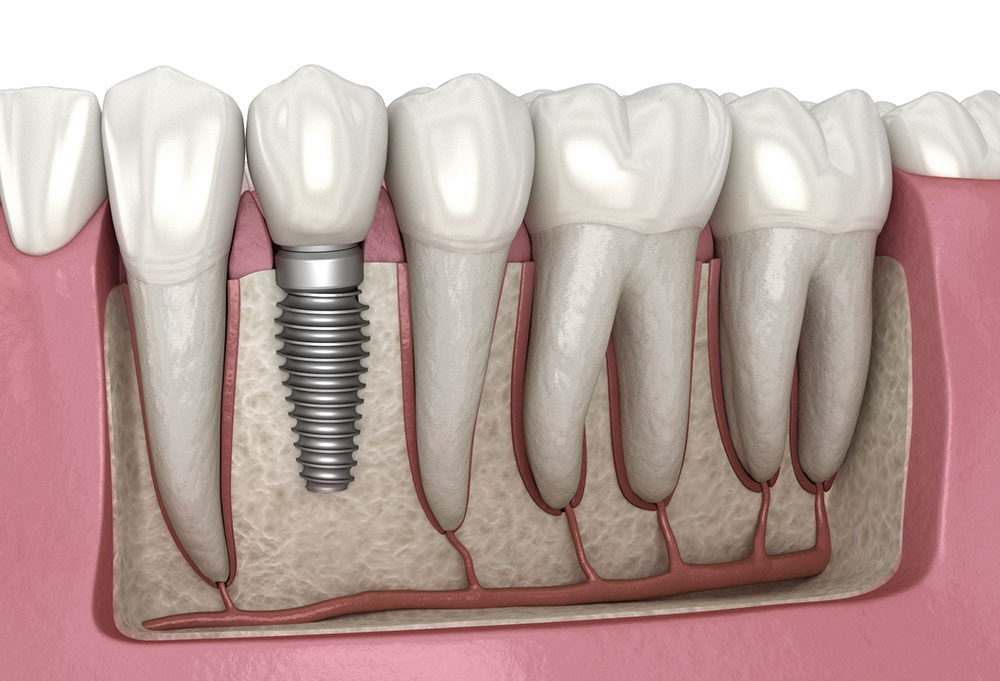
Related keyword: Dental implants Implant dentistry is the comprehensive field encompassing the surgical placement of dental implants and the subsequent restoration with crowns, bridges, or dentures. This isn’t just about replacing a tooth; it’s about restoring function, aesthetics, and overall oral health.
Definition and Scope of Implant Dentistry
Implant dentistry goes beyond simply filling gaps in your smile. It’s a multifaceted approach that addresses the underlying causes of tooth loss and provides a long-term solution. This includes: Diagnosis and treatment planning: A thorough assessment of your oral health, bone density, and overall medical history to determine the best course of treatment. Surgical placement of implants: Precise and minimally invasive techniques to ensure successful osseointegration (bone fusion). Restoration with prosthetics: Custom-designed crowns, bridges, or dentures that seamlessly blend with your natural teeth. Ongoing maintenance and care: Regular check-ups and hygiene appointments to ensure the longevity of your implants.
History and Advancements in the Field
The concept of dental implants dates back centuries, with early attempts using materials like seashells and ivory. However, the modern era of implant dentistry began in the 1950s with the discovery of osseointegration by Swedish orthopaedic surgeon Per-Ingvar Brånemark. This groundbreaking discovery revealed that titanium could fuse directly with bone, paving the way for predictable and long-lasting dental implants. Since then, implant dentistry has undergone significant advancements, including: Improved implant materials: From titanium to zirconia, materials are constantly evolving to enhance biocompatibility and aesthetics. Advanced imaging technologies: Cone-beam computed tomography (CBCT) provides detailed 3D images of the jawbone for precise implant placement. Computer-guided surgery: Minimally invasive techniques using computer-aided design and manufacturing (CAD/CAM) for greater accuracy and reduced healing time.
The Implant Procedure Explained
Related keyword: Implant procedure The implant procedure is a carefully planned and executed process that involves several stages, from initial consultation to final restoration. Understanding each step can help you feel more confident and prepared for your journey to a new smile.
Consultation and Planning
The first step is a comprehensive consultation with a qualified implant dentist. This involves: Medical and dental history review: Discussing your overall health, any medications you’re taking, and previous dental treatments. Clinical examination: Assessing the condition of your teeth, gums, and jawbone. Diagnostic imaging: Taking X-rays or CBCT scans to evaluate bone density and identify any potential challenges. Treatment planning: Developing a personalized treatment plan that outlines the number of implants needed, the type of restoration, and the estimated cost and timeline. At Albania Dental Implants Services, we pride ourselves on thorough consultation and planning to ensure the best possible outcome for each patient.
Surgical Steps of Implant Placement
The surgical placement of dental implants is typically performed in a dental office under local anesthesia, with options for sedation if needed. The steps involved include: 1. Anesthesia: Local anesthesia is administered to numb the area where the implant will be placed. 2. Incision: A small incision is made in the gum tissue to expose the jawbone. 3. Drilling: A series of pilot holes are drilled into the bone to create a space for the implant. 4. Implant placement: The titanium implant is carefully screwed into the prepared site. 5. Closure: The gum tissue is sutured back into place, covering the implant. In some cases, a bone grafting procedure may be necessary if there is insufficient bone density to support the implant – see bone grafting in albania.
Healing and Osseointegration Process
After implant placement, the healing process begins. This is a critical phase where the implant fuses with the surrounding bone in a process called osseointegration. This usually takes 3-6 months. During this time: The bone grows around the implant: Titanium’s biocompatibility encourages bone cells to attach to the implant surface. The implant becomes firmly anchored: As bone density increases, the implant becomes increasingly stable. Regular check-ups are essential: Your dentist will monitor the healing process and ensure there are no complications.
Types of Dental Implants and Materials
Related keyword: Implant types Not all dental implants are created equal. There are different types of implants and materials available, each with its own advantages and disadvantages.
Endosteal vs. Subperiosteal Implants
Endosteal implants: These are the most common type of dental implant. They are surgically placed directly into the jawbone. Endosteal implants are suitable for patients with sufficient bone density. Subperiosteal implants: These implants are placed on top of the jawbone but under the gum tissue. They are used in patients who have insufficient bone height for endosteal implants and who are not candidates for bone grafting.
Materials: Titanium, Zirconia
Titanium implants: Titanium has been the gold standard for dental implants for decades due to its excellent biocompatibility, strength, and osseointegration properties. Zirconia implants: Zirconia is a ceramic material that offers excellent aesthetics and biocompatibility. They are a metal-free alternative for patients with metal sensitivities or those who prefer a natural-looking option. If you are interested in metal free solutions we also offer zirconia implants in albania.
Who Is a Candidate for Dental Implants?
Related keyword: Tooth replacement Dental implants are a versatile tooth replacement option, but not everyone is a suitable candidate. Several factors determine eligibility for implant dentistry. If you are wondering Who should not get dental implants? read on to find out if implant dentistry is the right solution for you.
Eligibility and Contraindications
Generally, a good candidate for dental implants: Has good overall health Has adequate bone density in the jaw Is committed to maintaining good oral hygiene Doesn’t smoke or is willing to quit Contraindications for dental implants may include: Uncontrolled diabetes Severe cardiovascular disease Active infections Heavy smoking Certain medications, such as bisphosphonates
Role of Bone Density and Bone Grafting
Sufficient bone density is crucial for successful implant placement. If there is insufficient bone, a bone grafting procedure may be necessary to augment the jawbone and provide adequate support for the implant. This involves transplanting bone tissue from another area of the body or using synthetic bone material. A sinus lift in albania may also be needed for implants in the upper jaw.
Costs and Financing Options for Implant Dentistry
Related keyword: Dental implant cost The cost of dental implants can be a significant consideration for many patients. Understanding the factors that influence the price and exploring available financing options can help you make an informed decision. But how much does a dental implant cost in albania? Fortunately, you can save up to 70% on the cost of dental implants by travelling to our state of the art clinic in Tirana.
Factors Affecting Price
The cost of dental implants can vary depending on several factors, including: Number of implants needed: The more implants required, the higher the overall cost. Type of implant: Different implant systems and materials have varying price points. Bone grafting: If bone grafting is necessary, it will add to the overall cost. Location of the clinic: Prices can vary depending on the geographic location of the dental practice. Experience of the dentist: Highly experienced implant dentists may charge more for their services.
Insurance and Payment Plans
Dental insurance may cover a portion of the cost of dental implants, but coverage varies depending on the plan. Many dental practices also offer payment plans to help patients finance their treatment.
Aftercare and Maintenance of Dental Implants
Related keyword: Aftercare for dental implants Proper aftercare and maintenance are essential for the long-term success of dental implants. Following these guidelines can help you protect your investment and enjoy a healthy, functional smile for years to come.
Oral Hygiene Protocols
Maintaining excellent oral hygiene is crucial for preventing peri-implantitis, an inflammatory condition that can damage the tissues surrounding the implant. This includes: Brushing twice daily: Use a soft-bristled toothbrush and fluoride toothpaste to gently clean around the implant. Flossing daily: Use floss or interdental brushes to remove plaque and debris from between the teeth and around the implant. Using an antimicrobial mouthwash: Rinse with a non-alcoholic mouthwash to kill bacteria and reduce inflammation.
Routine Check-Ups and Long-Term Care
Regular check-ups with your dentist are essential for monitoring the health of your implants and preventing complications. This includes: Professional cleanings: Your dental hygienist will remove plaque and tartar from around the implant to prevent inflammation and infection. X-rays: Your dentist will take X-rays to monitor bone levels and ensure the implant is stable. Bite adjustments: Your dentist will check your bite to ensure there is no excessive pressure on the implant.
Risks, Complications, and Success Rates
Related keyword: Risks and complications Dental implants have a high success rate, but like any surgical procedure, there are potential risks and complications to be aware of.
Common Risks
Infection: Infection at the implant site is a risk, especially in the early stages of healing. Nerve damage: Nerve damage can occur during implant placement, resulting in numbness or tingling in the lips, chin, or tongue. Sinus problems: Implants placed in the upper jaw can sometimes protrude into the sinus cavity, causing sinus problems. Implant failure: In rare cases, the implant may not fuse with the bone, leading to implant failure.
How Complications Are Managed
Most complications can be successfully managed with prompt treatment. This may include: Antibiotics: To treat infections. Nerve repair surgery: To address nerve damage. Sinus lift procedure: To repair sinus problems. Implant removal and replacement: If the implant fails to osseointegrate, it may need to be removed and replaced.
Average Success Rates
Dental implants have a high success rate, with most studies reporting success rates of 95% or higher. However, success rates can vary depending on factors such as: Patient health: Patients with good overall health have higher success rates. Bone density: Adequate bone density is crucial for implant stability. Oral hygiene: Good oral hygiene practices are essential for preventing complications. Smoking: Smoking significantly reduces implant success rates.
Comparison: Dental Implants vs. Bridges and Dentures
Related keyword: Dental implant vs. bridge When it comes to tooth replacement, there are several options to consider, including dental implants, bridges, and dentures. Each option has its own pros and cons.
Pros and Cons
Dental implants: Pros: Long-lasting, natural-looking, don’t affect adjacent teeth, stimulate bone growth. Cons: More expensive, require surgery, longer treatment time. Dental bridges: Pros: Less expensive than implants, don’t require surgery, faster treatment time. Cons: Affect adjacent teeth, don’t stimulate bone growth, shorter lifespan than implants. Dentures: Pros: Least expensive option, non-invasive, can replace multiple teeth at once. Cons: Less stable than implants or bridges, can affect speech and taste, can cause bone loss.
Longevity and Oral Health
Dental implants are the most long-lasting tooth replacement option, with the potential to last a lifetime with proper care. They also help preserve bone density and prevent bone loss, which can occur with bridges and dentures.
Innovations and Future Trends in Implant Dentistry
Related keyword: Longevity of dental implants Implant dentistry is a constantly evolving field, with new technologies and techniques emerging all the time.
Latest Technology
3D printing: 3D printing is being used to create custom implants and surgical guides. Robotics: Robotic surgery is being used to improve the accuracy and precision of implant placement. Growth factors: Growth factors are being used to accelerate bone healing and improve osseointegration.
Predicting Future Developments
The future of implant dentistry is likely to involve: More personalized treatments: Tailoring implant treatments to individual patient needs. Minimally invasive techniques: Reducing surgical trauma and healing time. Regenerative dentistry: Using stem cells and other regenerative therapies to grow new bone and tissues.
Frequently Asked Questions (FAQs) About Implant Dentistry
Here are some frequently asked questions about implant dentistry:
How long does a dental implant last?
With proper care and maintenance, dental implants can last a lifetime. Factors that can affect implant longevity include oral hygiene, overall health, and lifestyle habits.
Is implant surgery painful?
Most patients report minimal discomfort during implant surgery. Local anesthesia is used to numb the area, and sedation options are available for those who are anxious.
Can anyone get dental implants?
While dental implants are a great option for many, not everyone is a suitable candidate. Factors such as overall health, bone density, and smoking habits can affect eligibility.
What is osseointegration?
Osseointegration is the process by which the dental implant fuses with the surrounding bone. This is a crucial step for implant stability and long-term success.
How much do dental implants cost in the UK?
The cost of dental implants in the UK can vary depending on several factors, but typically ranges from £2,000 to £4,000 per implant. However, Albania Dental Implants offers a more affordable solution without compromising quality.
Are dental implants safe?
Dental implants are considered a safe and effective tooth replacement option, with a high success rate.
Can smokers get dental implants?
Smoking can significantly reduce implant success rates and increase the risk of complications. Smokers are generally advised to quit before undergoing implant surgery.
What is the recovery time after a dental implant procedure?
The recovery time after dental implant surgery varies depending on the individual, but most patients can return to normal activities within a few days. Full osseointegration typically takes 3-6 months.
Do dental implants look and feel natural?
Dental implants are designed to look and feel just like natural teeth, providing a seamless and aesthetically pleasing restoration.
Is a bone graft always needed for implants?
A bone graft is not always needed for implants, but it may be necessary if there is insufficient bone density to support the implant.
How do I care for my dental implants after surgery?
Caring for your dental implants after surgery involves maintaining excellent oral hygiene, attending regular check-ups, and avoiding habits that can damage the implants.
What are alternatives to dental implants?
Alternatives to dental implants include dental bridges and dentures, each with their own advantages and disadvantages.
Transform Your Smile with Albania Dental Implants
If you’re considering dental implants, Albania Dental Implants offers a high-quality and affordable solution. Our experienced team uses the latest technology and techniques to provide exceptional results. Contact Albania Dental Implants today at contact albania dental implants to schedule a consultation and learn more about how we can help you restore your smile. Dont forget to check albania dental implants reviews and see what our clients say about us!





