




Implants – Options, Procedures, Costs & Risks
1. Types of Implants
This section will explore the various dental implants, breast implants, orthopedic implants, cosmetic implants, contraceptive implants.
Overview and Comparison of Implant Categories
Implants serve a wide range of purposes, from replacing missing teeth to enhancing physical appearance and providing long-term contraception. Understanding the different categories is the first step in determining the best option for your individual needs. Each type of implant has unique characteristics, benefits, and potential risks.
- Dental Implants: Replace missing teeth with artificial tooth roots and crowns.
- Breast Implants: Augment or reconstruct breast tissue.
- Orthopedic Implants: Support or replace damaged bones and joints.
- Cosmetic Implants: Enhance facial features or body contours.
- Contraceptive Implants: Provide long-term birth control.
The choice of implant depends on factors such as your overall health, specific needs, and desired outcomes. Consulting with a qualified medical professional is crucial in making the right decision.
Benefits and Typical Use Cases for Each
Each category of implants offers specific benefits and addresses distinct medical or cosmetic concerns. Let’s take a closer look at the typical use cases and advantages of each.
- Dental Implants: Improve chewing ability, restore natural appearance, and prevent bone loss in the jaw.
- Breast Implants: Enhance breast size and shape, restore breast volume after mastectomy, and improve body image.
- Orthopedic Implants: Relieve pain, improve mobility, and stabilize fractures or joint replacements.
- Cosmetic Implants: Enhance facial symmetry, contour body areas, and improve self-esteem.
- Contraceptive Implants: Provide reliable, long-term birth control with minimal maintenance.
For example, 46-year-old Sarah had struggled with ill-fitting dentures for years after losing several teeth due to gum disease. After consulting with dentists at Albania Dental Implants, Sarah decided to get dental implants. The implants not only restored her ability to eat comfortably but also significantly improved her confidence and smile.
2. Implant Procedures & Technology
Here we’ll cover implant surgery, minimally invasive techniques, materials (titanium, silicone, biocompatible materials).
Step-by-Step Summary of Common Procedures
Implant procedures vary depending on the type of implant and the patient’s individual needs. However, most procedures involve several key steps.
- Evaluation and Planning: A thorough medical evaluation, including imaging and consultation.
- Anesthesia: Administration of local or general anesthesia to ensure comfort during the procedure.
- Incision and Placement: Making an incision to access the underlying tissue or bone and placing the implant.
- Closure and Healing: Closing the incision and allowing time for the implant to integrate with the surrounding tissue.
- Restoration: Attaching a functional component or cosmetic enhancement to the implant.
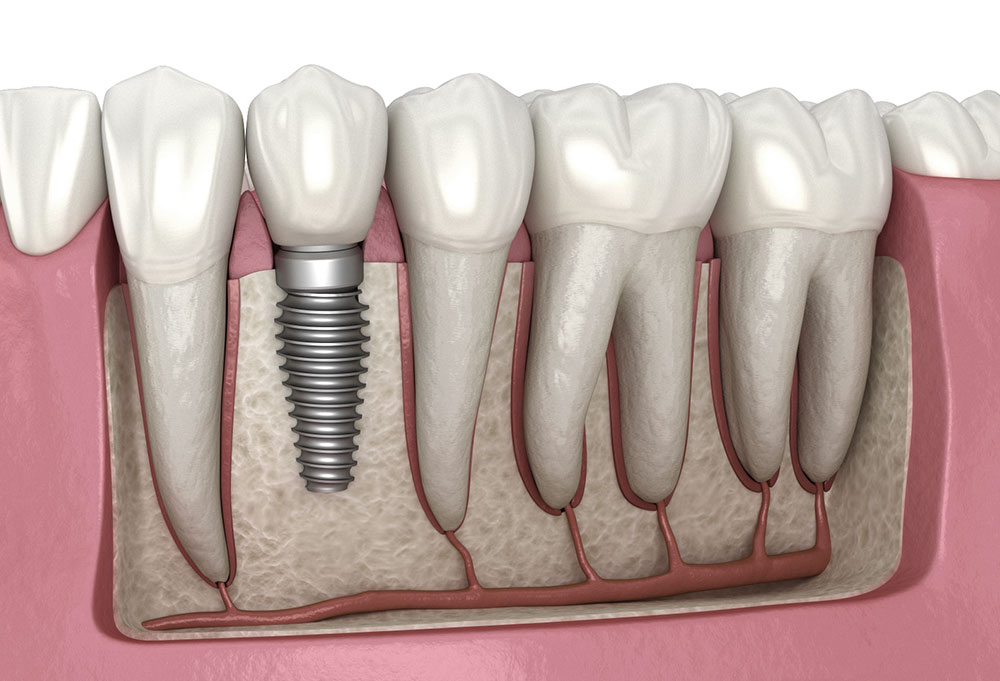
For dental implants, this often involves placing a titanium post into the jawbone, allowing it to fuse over several months, and then attaching a crown that looks and functions like a natural tooth. Orthopedic implants, on the other hand, might involve replacing a damaged joint with a prosthetic device.
Innovations and Latest Technological Advancements
The field of implant technology is constantly evolving, with new innovations aimed at improving outcomes and reducing recovery times.
- Minimally Invasive Techniques: Smaller incisions and advanced surgical tools reduce trauma and speed up healing.
- 3D Printing: Custom-designed implants created with precise specifications for optimal fit and function.
- Biocompatible Materials: New materials that enhance integration with the body and reduce the risk of rejection.
- Computer-Guided Surgery: Advanced imaging and software to guide implant placement with greater accuracy.
For instance, the use of titanium and zirconia implants in dental procedures has significantly improved biocompatibility and reduced the risk of allergic reactions. Additionally, minimally invasive techniques for breast augmentation allow for smaller scars and quicker recovery times.
3. Candidacy & Consultation
Let’s assess who is suitable for implants, medical evaluation, contraindications.
Checklist for Determining Candidacy
Not everyone is a suitable candidate for implants. Several factors can affect the success of the procedure. A thorough evaluation is essential to determine if implants are the right choice for you.
- Overall Health: Good general health is crucial for successful implant integration and healing.
- Bone Density: Adequate bone density is needed to support the implant. Bone grafting may be necessary in some cases.
- Lifestyle Factors: Smoking, excessive alcohol consumption, and certain medications can negatively impact implant success.
- Specific Medical Conditions: Uncontrolled diabetes, autoimmune diseases, and certain infections can increase the risk of complications.
For example, individuals with severe osteoporosis may not be ideal candidates for orthopedic implants without prior bone strengthening treatments. Similarly, smokers often face a higher risk of dental implant failure due to impaired healing.
What to Expect at a Consultation
A consultation with a qualified medical professional is a crucial step in the implant process. Here’s what you can expect during a typical consultation.
- Medical History Review: The doctor will review your medical history to assess your overall health and identify any potential risk factors.
- Physical Examination: A physical examination to evaluate the area where the implant will be placed.
- Imaging Studies: X-rays, CT scans, or MRIs to assess bone density and identify any underlying issues.
- Discussion of Options: The doctor will discuss the different types of implants available, the procedure itself, and potential risks and benefits.
- Personalized Treatment Plan: A customized treatment plan tailored to your specific needs and goals.
During your consultation, don’t hesitate to ask questions and express any concerns you may have. A clear understanding of the process is essential for making an informed decision. At contact Albania Dental Implants, we prioritize open communication to ensure you’re fully informed and comfortable with your treatment plan.
4. Costs, Insurance, and Financing for Implants
This section covers implant cost UK, NHS coverage, private vs. public options, payment plans, insurance.
Breakdowns of Expenses by Implant Type
The cost of implants can vary significantly depending on the type of implant, the complexity of the procedure, and the provider you choose. Here’s a breakdown of typical expenses.
- Dental Implants: Single tooth implants can range from £2,000 to £5,000 per tooth. Full mouth implants can cost between £10,000 and £30,000 or more.
- Breast Implants: Augmentation procedures typically range from £5,000 to £8,000, including surgery and implants.
- Orthopedic Implants: Joint replacements can cost between £10,000 and £20,000, depending on the joint and the complexity of the surgery.
- Cosmetic Implants: Prices vary widely based on the type of implant and the surgeon’s fees.
These figures are estimates and can vary based on location, surgeon experience, and specific needs. It’s essential to obtain a detailed cost estimate from your provider before proceeding.
Guidance on Navigating Costs and Securing Finance
The cost of implants can be a significant barrier for many people. However, several options are available to help navigate these expenses.
- Insurance Coverage: Some insurance plans may cover a portion of the cost, especially for medically necessary implants.
- Payment Plans: Many providers offer flexible payment plans to spread the cost over time.
- Financing Options: Medical financing companies offer loans specifically for medical procedures.
- NHS Coverage: In limited cases, the NHS may cover the cost of implants for medical necessity.
For instance, a 52-year-old patient in the UK was able to afford a full set of dental implants by opting for treatment in Albania through dental tourism. This allowed them to save up to 70% compared to UK prices, making the procedure financially viable. Exploring the cost of dental implants in Albania could be a suitable solution.
5. Risks, Complications & Recovery
This section discusses implant risks, side effects, rejection, post-op care, long-term outlook.
Common Risks and How to Mitigate Them
Like any surgical procedure, implants carry certain risks and potential complications. Understanding these risks and how to mitigate them is crucial.
- Infection: Infections can occur at the implant site. Proper hygiene and antibiotic use can reduce the risk.
- Rejection: The body may reject the implant, leading to failure. Biocompatible materials and proper surgical technique can minimize this risk.
- Nerve Damage: Nerve damage can cause pain, numbness, or tingling. Careful surgical planning can help avoid nerve damage.
- Bleeding and Swelling: Bleeding and swelling are common after surgery. Proper aftercare and medication can manage these symptoms.
A study published in the “Journal of Oral Implantology” found that the risk of dental implant failure due to infection can be reduced by 50% with the use of chlorhexidine mouthwash after surgery.
Typical Recovery Timelines and Aftercare
Recovery timelines vary depending on the type of implant and the individual. However, here are some general guidelines.
- Initial Healing: The first few days after surgery involve managing pain, swelling, and bleeding.
- Bone Integration: For dental and orthopedic implants, bone integration can take several months.
- Physical Therapy: Physical therapy may be necessary to regain full function after orthopedic implants.
- Follow-Up Appointments: Regular follow-up appointments are crucial to monitor healing and identify any potential issues.
Proper aftercare is essential for successful implant integration and long-term outcomes. Follow your doctor’s instructions carefully and attend all scheduled follow-up appointments.
6. Choosing a Provider or Clinic
Let’s consider best implant clinics UK, qualifications, surgeon credentials, clinic reviews.
Tips for Evaluating Providers
Choosing the right provider is crucial for ensuring a successful implant procedure. Here are some tips for evaluating potential providers.
- Qualifications and Experience: Look for a provider with extensive experience and specialized training in implant procedures.
- Board Certification: Verify that the provider is board-certified in their specialty.
- Patient Reviews: Read patient reviews and testimonials to get an idea of the provider’s reputation and quality of care.
- Technology and Equipment: Choose a provider who uses advanced technology and equipment to ensure accurate and effective treatment.
For example, a patient seeking dental implants should look for a dentist with specialized training in implantology and experience with various implant systems. Similarly, individuals considering breast implants should choose a board-certified plastic surgeon with a strong track record of successful outcomes.
Accreditation and Safety Standards
Accreditation and safety standards are essential indicators of a reputable and reliable clinic.
- Accreditation: Look for clinics accredited by recognized organizations that set standards for quality and safety.
- Safety Protocols: Inquire about the clinic’s safety protocols and infection control measures.
- Emergency Preparedness: Ensure that the clinic is equipped to handle emergencies and complications.
- Insurance Coverage: Verify that the clinic has adequate insurance coverage to protect patients in case of unforeseen events.
Clinics that adhere to strict accreditation and safety standards are more likely to provide high-quality care and minimize the risk of complications. For instance, clinics with JCI accreditation are often considered to meet the highest international standards for healthcare quality and patient safety.
7. Frequently Asked Questions About Implants
This section aims to address FAQ implants, patient queries, common concerns.
What are the main types of implants available in the UK?
The main types of implants available in the UK include dental implants, breast implants, orthopedic implants, cosmetic implants, and contraceptive implants.
How much do implants cost and are they covered by the NHS?
The cost of implants varies greatly depending on the type and complexity of the procedure. As for NHS coverage, it’s limited and typically only available in cases of medical necessity. Private options are more common but require payment plans or insurance coverage to manage costs. However, you can explore dental tourism in Albania and the range of procedures offered there.
What risks and side effects should I expect with implants?
Common risks include infection, rejection, nerve damage, bleeding, and swelling. Proper aftercare and biocompatible materials can help mitigate these risks.
Who is a good candidate for various types of implants?
Good candidates generally have good overall health, adequate bone density (if needed), and realistic expectations. Specific medical conditions and lifestyle factors can affect candidacy.
How long do implants last and what is their maintenance?
Implants can last for many years with proper care. Maintenance includes regular check-ups, good oral hygiene (for dental implants), and following your doctor’s instructions.
How do I choose the best clinic or provider for implants?
Look for qualified and experienced providers, check patient reviews, and ensure the clinic adheres to strict safety standards.
Are there minimally invasive options for implants?
Yes, minimally invasive techniques are available for some types of implants, reducing trauma and speeding up recovery.
What is the recovery process after getting implants?
The recovery process varies but typically involves managing pain, swelling, and bleeding in the initial days, followed by a period of bone integration or tissue healing.
How do I know if an implant procedure is right for me?
Consult with a qualified medical professional to discuss your needs, goals, and potential risks and benefits. A thorough evaluation is essential for making an informed decision. For example, at Albania Dental Implants, we offer comprehensive consultations to assess your suitability for dental implants and provide personalized treatment plans.
8. Conclusion & Call to Action
Implants offer a range of solutions for various medical and cosmetic needs, from restoring smiles to enhancing physical appearance and providing long-term contraception. Understanding the different types of implants, the procedures involved, associated costs, and potential risks is crucial for making informed decisions.
Whether you’re considering dental implants, breast implants, orthopedic implants, cosmetic implants, or contraceptive implants, it’s essential to consult with a qualified medical professional to discuss your individual needs and goals. At Albania Dental Implants, we are dedicated to providing high-quality, affordable dental implant solutions in Albania, combining expert care with the benefits of dental tourism in Albania.
Contact us today to schedule a consultation and learn more about how implants can improve your quality of life.





