



New Teeth Implants: Complete Guide to Modern Dental Solutions
New teeth implants are revolutionizing the world of dentistry, offering a permanent and natural-looking solution for missing teeth. This comprehensive guide will walk you through everything you need to know about modern dental solutions, helping you make an informed decision about restoring your smile.
What Are New Teeth Implants? Understanding the Basics
What exactly are modern dental implants, and how do they differ from traditional dentures? New teeth implants, also known as dental implants, are artificial tooth roots made of biocompatible materials like titanium or zirconia. Unlike dentures, which are removable and rest on the gums, implants are surgically placed into the jawbone, providing a stable and long-lasting foundation for replacement teeth. This stability and integration with the jawbone are key to their success.
Defining Modern Dental Implants
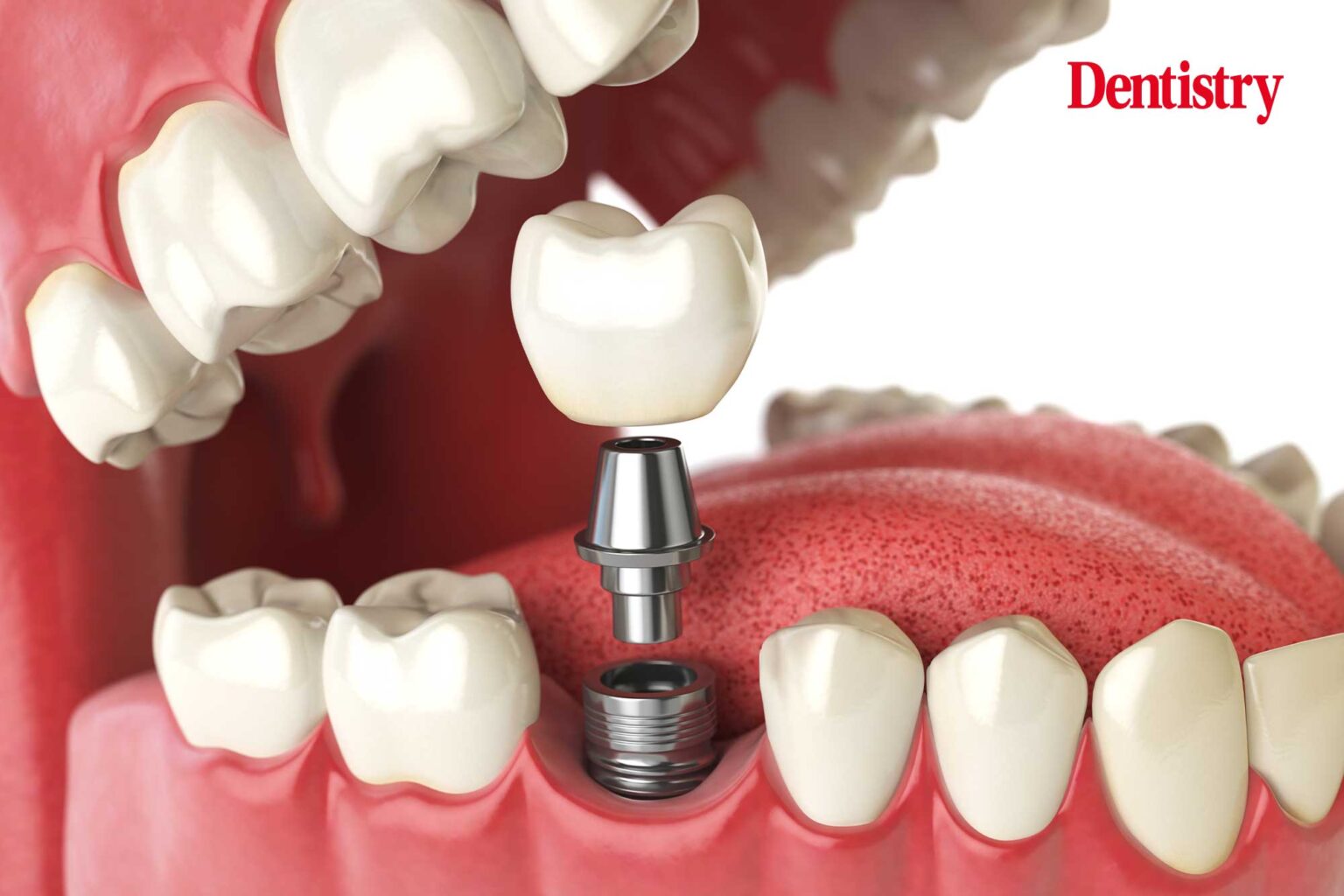
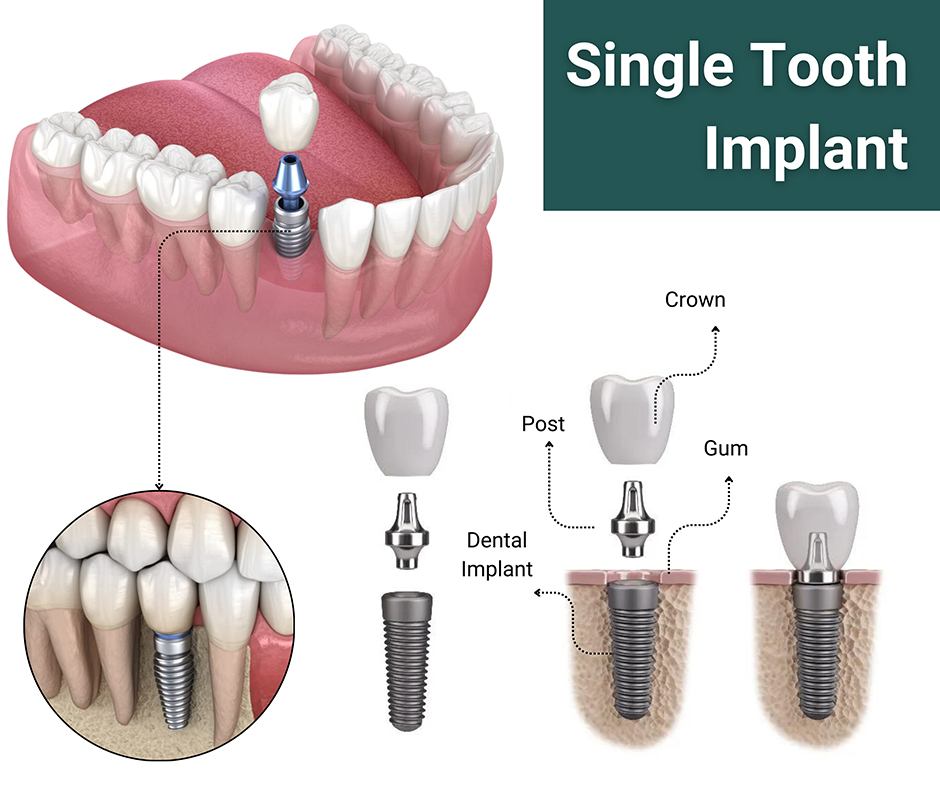
Modern dental implants are designed to mimic the structure and function of natural teeth. They consist of three main components: the implant post (the artificial root), the abutment (which connects the implant to the replacement tooth), and the crown (the visible part of the tooth).
The technology involved ensures high success rates and patient satisfaction. They fuse with the jawbone, providing a secure base for replacement teeth. This process, known as osseointegration, is crucial for the implant’s stability and longevity.
How Do They Differ from Traditional Dentures?
Unlike traditional dentures, dental implants offer several advantages. They don’t require adhesives, are more comfortable, and allow you to eat and speak with confidence. Traditional dentures rest on the gums, which can lead to discomfort and bone loss over time. Dental implants, on the other hand, stimulate bone growth, preventing bone loss and maintaining facial structure.
The Technology Behind New Teeth Implants
Advancements in dental technology have greatly improved the precision and success of teeth implant procedures. Computer-aided design and manufacturing (CAD/CAM) allows for customized implant design, ensuring a perfect fit and optimal function. Additionally, techniques like guided surgery improve the accuracy of implant placement, reducing the risk of complications.
Types of Modern Teeth Implants: Choosing the Right Solution
What are the different types of teeth implants available? There are various types of modern teeth implants, each designed to address specific needs. From single tooth implants to full mouth solutions like All-on-4 and All-on-6, understanding your options is essential for making the best decision for your oral health. Albania Dental Implants Services offers comprehensive services to help you choose the right solution tailored to your needs.
Single Tooth Implants in Albania
Single tooth implants are ideal for replacing individual missing teeth. The implant post is placed into the jawbone, and a custom-made crown is attached to the abutment. This option provides a natural-looking and functional replacement without affecting adjacent teeth.
Multiple Tooth Implants in Albania
If you’re missing several teeth in a row, multiple tooth implants may be the best solution. In this case, multiple implants are placed to support a bridge, which consists of several artificial teeth fused together. This option provides a stable and cost-effective way to restore your smile.
Full Mouth Implants in Albania
For individuals missing all or most of their teeth, full mouth implants offer a complete smile restoration. This typically involves placing multiple implants throughout the jawbone to support a full set of replacement teeth. The result is a stable, functional, and aesthetically pleasing smile.
If you think this is an option for you, you might also want to check out our article on full mouth reconstruction in Albania.
All-on-4 and All-on-6 Solutions
All-on-4 and All-on-6 solutions are innovative techniques that use only four or six implants to support an entire arch of replacement teeth. These options are often more cost-effective and require less invasive surgery compared to traditional full mouth implants. They are particularly beneficial for individuals with bone loss in the jawbone.
Benefits of New Teeth Implant Technology
What are the key benefits of choosing new teeth implants? New teeth implant technology offers numerous advantages over traditional options like dentures and bridges. Success rates and improved quality of life are key drivers for choosing implants. According to the American Academy of Implant Dentistry, dental implants have a success rate of over 95%, making them a reliable and long-lasting solution.
Improved Quality of Life
Implants significantly improve quality of life by restoring the ability to eat, speak, and smile with confidence. Unlike dentures, which can be uncomfortable and affect speech, implants function like natural teeth, allowing you to enjoy your favorite foods and activities without worry.
Patients who have opted for Albania Dental Implants have testified to how their new teeth implants services have had a dramatic positive impact on their social lives and professional opportunities.
Long-Term Solution
Dental implants are a long-term solution for missing teeth. With proper care and maintenance, they can last a lifetime. According to a study published in the Journal of Prosthodontics, dental implants can last for 20 years or more with proper maintenance.
This long-term durability makes them a worthwhile investment for restoring your smile and oral health.
Preventing Bone Loss
One of the most significant benefits of dental implants is their ability to prevent bone loss in the jawbone. When teeth are missing, the jawbone can deteriorate over time. Dental implants stimulate bone growth, helping to maintain facial structure and prevent premature aging.
Natural Look and Feel
New teeth implants are designed to look and feel just like natural teeth. The custom-made crowns are carefully crafted to match the color, shape, and size of your existing teeth, providing a seamless and natural-looking smile. This natural appearance can greatly enhance your self-confidence and overall well-being.
The New Teeth Implants Procedure: What to Expect
What does the teeth implant procedure involve? The new teeth implants procedure is a multi-step process that requires careful planning and execution. From the initial consultation to the final crown placement, understanding each step can help you feel more prepared and confident throughout the treatment.
Initial Consultation and Assessment
The first step is an initial consultation with a dental implant specialist. During this appointment, the dentist will evaluate your oral health, take X-rays or CT scans, and discuss your treatment goals. This assessment helps determine if you are a good candidate for dental implants.
Preparation and Bone Grafting (If Needed)
In some cases, bone grafting may be necessary to ensure there is enough bone to support the implant. This involves transplanting bone tissue to the jawbone, which can take several months to heal. If you have a missing tooth for a long time, bone grafting in Albania may be necessary to ensure success.
Implant Placement Surgery
The next step is the implant placement surgery. The dentist will make a small incision in the gum tissue and carefully insert the implant post into the jawbone. The gum tissue is then stitched back together, and the implant is left to heal.
Osseointegration Period
The osseointegration period is crucial for the success of the implant. During this time, the implant post fuses with the jawbone, creating a stable and secure foundation for the replacement tooth. This process typically takes several months.
Abutment and Crown Placement
Once osseointegration is complete, the abutment is attached to the implant post. The crown, which is custom-made to match your natural teeth, is then attached to the abutment. This final step completes the implant procedure, restoring your smile and function.
Cost of New Teeth Implants: Understanding the Investment
How much do new teeth implants cost, and what factors influence the price? The cost of new teeth implants can vary depending on several factors. Addressing pricing ranges and financing options is crucial for making implants accessible. According to the National Dental Implant Resource Center, the average cost of a single dental implant in the US can range from $3,000 to $5,000, but in Albania, the costs are significantly lower offering a more affordable solution without compromising quality.
Addressing Pricing Ranges
The cost of dental implants can vary widely depending on the type of implant, the number of implants needed, and the location of the dental practice. Single tooth implants typically cost less than full mouth implants, and complex cases that require bone grafting or other procedures may incur additional expenses.
Factors Affecting Cost
Several factors can affect the cost of dental implants. These include the materials used, the dentist’s experience, and the complexity of the case. Geographic location also plays a role, as dental practices in urban areas often have higher overhead costs, and the most expensive part of a dental implant is typically the implant post and the associated surgical procedure.
Financing Options Available to Patients
Many dental practices offer financing options to help patients manage the cost of teeth implants. These may include payment plans, dental insurance coverage, and third-party financing companies. Exploring these options can make dental implants more accessible and affordable.
You might also find this article useful regarding if you are wondering Can I Get Finance for Dental Implants?
Dental tourism in Albania and cosmetic denistry in Albania and general dentistry in Albania also provides more affordable high quality services.
Recovery and Aftercare for Teeth Implants
What does recovery and aftercare entail for teeth implants? Proper maintenance, dietary restrictions, and long-term care are essential for ensuring the longevity of your implants. Following your dentist’s instructions can help you achieve a successful outcome.
Maintenance Requirements
Maintaining your teeth implants requires regular brushing, flossing, and dental checkups. Proper oral hygiene helps prevent plaque buildup and gum disease, which can compromise the stability of the implants. Using a soft-bristled toothbrush and non-abrasive toothpaste is recommended.
Dietary Restrictions During Healing
During the initial healing period, it’s important to follow a soft diet to avoid putting excessive pressure on the implants. This may include foods like yogurt, mashed potatoes, and soup. Avoiding hard, crunchy, or sticky foods can help prevent complications and promote healing.
You also might want to know, Can You Eat Chips with Implants?
Long-Term Care Requirements
Long-term care for teeth implants includes regular dental visits for professional cleanings and checkups. Your dentist will evaluate the stability of the implants and monitor your overall oral health. Addressing any issues early can help prevent complications and ensure the implants last a lifetime.
Common Questions About New Teeth Implants Answered
This section addresses some of the most common questions about new teeth implants. Gaining a clear understanding of these aspects is key to making an informed decision.
How Long Do New Teeth Implants Last?
With proper care and maintenance, new teeth implants can last a lifetime. Regular dental checkups and good oral hygiene are essential for ensuring their longevity.
Am I a Candidate for Teeth Implants?
Most individuals with good overall health and sufficient bone density in the jawbone are candidates for teeth implants. A thorough evaluation by a dental implant specialist can help determine if implants are right for you.
What Are the Risks and Complications?
Like any surgical procedure, teeth implants come with some risks and complications. These may include infection, nerve damage, and implant failure. However, these complications are rare, and the success rate of dental implants is generally high. If you think you are not suitable for implants, you might also want to know Who is not suitable for implants?
How Do Implants Compare to Bridges and Dentures?
Implants offer several advantages over bridges and dentures. They are more stable, long-lasting, and prevent bone loss in the jawbone. While bridges and dentures are less expensive initially, they may require more frequent replacements and can lead to other dental problems over time.
Conclusion: Restore Your Smile with New Teeth Implants
New teeth implants offer a revolutionary solution for missing teeth, providing stability, functionality, and a natural-looking smile. Understanding the procedure, benefits, and costs can help you make an informed decision about restoring your oral health and quality of life.
Ready to take the next step towards a confident smile? Contact Albania Dental Implants today for a consultation and discover how modern dental solutions can transform your life. Our expert team is ready to guide you through the process and help you achieve the smile you’ve always dreamed of, through our dental tourism in Albania services.





