




Teeth Implants: Your Complete Guide to a Confident, Natural Smile
Teeth implants are a modern dental solution that replaces missing teeth permanently and restores function, appearance, and oral health. This comprehensive guide will walk you through everything you need to know about this transformative treatment, helping you make an informed decision and achieve the smile you’ve always dreamed of. At Albania Dental Implants, we specialize in providing high-quality and affordable implant solutions, offering a path to a confident, natural smile.
Introduction to Teeth Implants
Teeth implants are increasingly popular as a long-term solution for missing teeth, offering a robust and aesthetically pleasing alternative to dentures and bridges. But what makes them so appealing? Unlike dentures, which can slip and slide, or bridges that require altering adjacent teeth, dental implants are anchored directly into the jawbone, providing unparalleled stability and a natural feel. Dental implants offer a permanent solution to missing teeth, restoring your smile and oral health.
Benefits Over Dentures and Bridges
- Permanent Solution: Implants fuse with the jawbone, providing a stable and long-lasting foundation for replacement teeth.
- Natural Look and Feel: Implant-supported teeth look, feel, and function like natural teeth.
- Improved Oral Health: Implants don’t require altering adjacent teeth, preserving more of your natural tooth structure.
- Enhanced Confidence: Restored smile improves self-esteem and quality of life.
- Better Chewing Ability: Implants allow you to eat your favorite foods without discomfort or worry.
What You’ll Learn in This Guide
This guide will cover everything you need to know about teeth implants, including:
- The dental implant procedure from start to finish.
- The average teeth implant cost and financing options.
- Recovery and implant aftercare best practices.
- How to choose the right implant dentist.
What are Teeth Implants?
Let’s delve deeper into understanding what teeth implants actually are. Dental implants are essentially artificial tooth roots, typically made of biocompatible titanium. These titanium posts are surgically placed into the jawbone, where they fuse with the bone through a process called osseointegration.
Defining Dental Implants
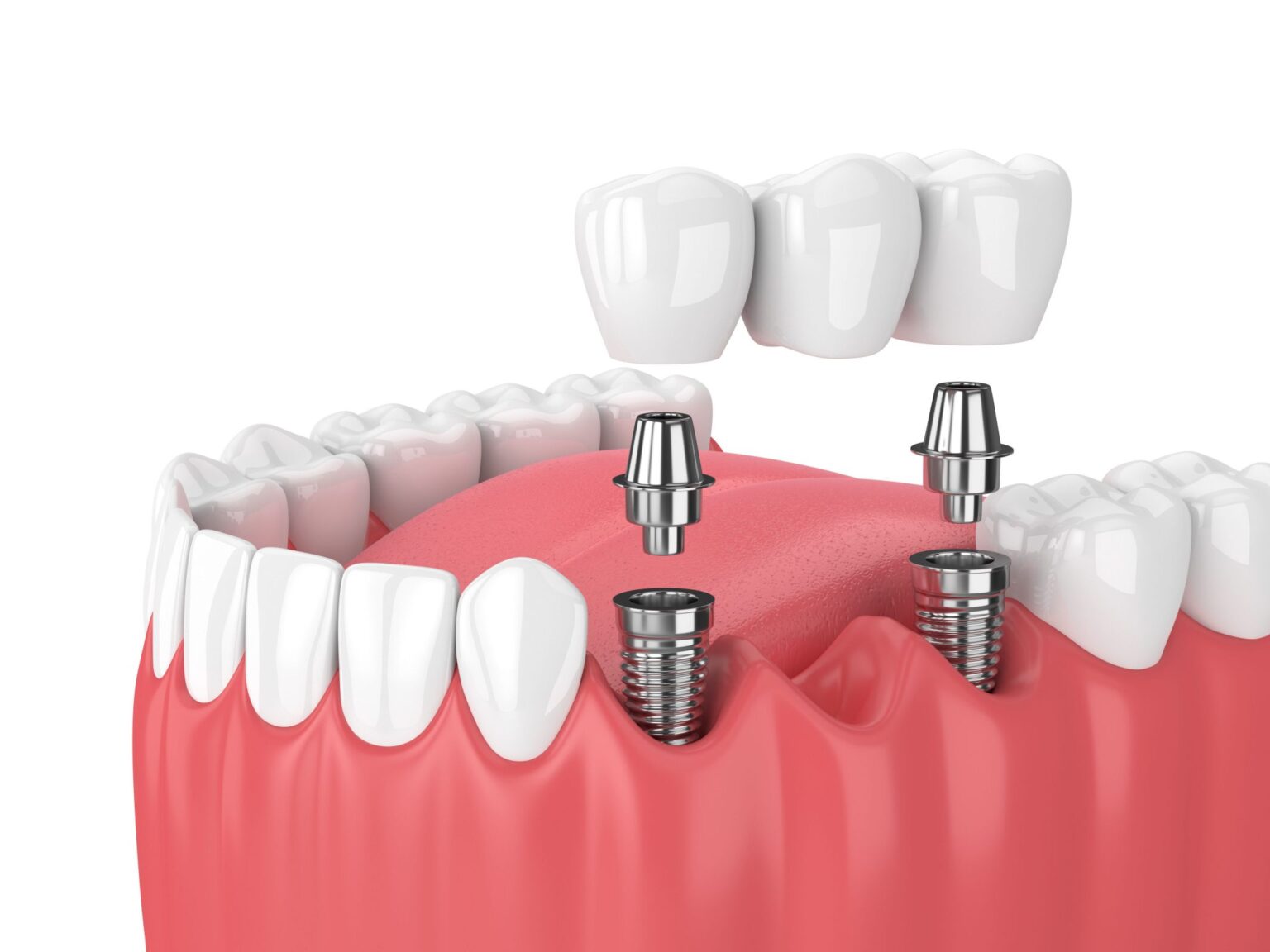
Dental implants serve as a strong and stable foundation for replacement teeth. Once the implant has fused with the jawbone, a small connector post called an abutment is attached. The replacement tooth, which can be a crown, bridge, or denture, is then secured to the abutment.
How They Support Crowns, Bridges, or Dentures
- Single Tooth Implants: A single implant supports a single crown, replacing one missing tooth.
- Implant Supported Bridges: Multiple implants can support a bridge, replacing several missing teeth in a row.
- Implant Supported Dentures: Implants can secure a full or partial denture, providing greater stability and comfort than traditional dentures.
The Natural Look and Feel
One of the biggest advantages of dental implants is their natural look and feel. Because they are anchored in the jawbone, they provide the same stability and support as natural teeth. This allows you to eat, speak, and smile with confidence, knowing that your replacement teeth are secure and look completely natural.
Tooth Replacement Options: A Comparison
Tooth replacement options are varied, but it’s helpful to understand how dental implants compare to other solutions.
- Dentures: Removable replacements that rest on the gums. They are a more affordable option but can be less stable and comfortable than implants.
- Bridges: Fixed replacements that attach to adjacent teeth. They require altering those adjacent teeth and may not last as long as implants.
- Dental Implants: Permanent replacements that fuse with the jawbone. They are a more expensive option but offer the best stability, longevity, and natural feel.
When compared with other options, dental implants in Albania offer a great combination of quality and value for UK patients looking for affordable options.
Who is a Candidate for Teeth Implants?
While dental implants are a fantastic solution for many, not everyone is an ideal candidate. Several factors need to be considered to ensure the success of the implant procedure.
Oral Health Prerequisites
Good oral health is essential for successful implant surgery. This includes:
- Healthy Gums: Gum disease can compromise the stability of the implant.
- Sufficient Bone Density: Implants require enough bone to fuse with.
- Absence of Active Infections: Infections can interfere with the healing process.
Age, Bone Density, and Gum Health
Age is not necessarily a barrier to dental implants, but bone density and gum health are crucial. Older adults may experience bone loss, which can affect the stability of the implant. In such cases, a bone graft may be necessary to increase bone density.
The Importance of a Consultation with an Implant Dentist
A consultation with an implant dentist is essential to determine your candidacy for dental implants. During the consultation, the dentist will:
- Evaluate your oral health and bone density.
- Take X-rays or CT scans to assess the jawbone.
- Discuss your medical history and any medications you are taking.
- Explain the dental implant procedure and answer any questions you may have.
The importance of a consultation with an implant dentist cannot be overstated. It’s the critical first step in determining if dental implants are the right solution for you. If you’re deemed suitable, you can begin planning your journey towards a healthier, more confident smile at a great value at Albania Dental Implants.
The Teeth Implant Procedure Step by Step
Understanding the dental implant procedure can help alleviate any anxiety you may have about undergoing this transformative treatment. Here’s a step-by-step breakdown of what to expect:
Initial Assessment and Planning
The first step involves a comprehensive assessment of your oral health. This includes:
- Dental Examination: To evaluate your teeth, gums, and jawbone.
- X-rays and CT Scans: To assess bone density and identify the best location for the implant.
- Treatment Plan: A customized plan outlining the entire implant surgery process.
Surgical Placement of the Implant
The next step is the surgical placement of the dental implants. This is typically performed under local anesthesia, although sedation options are available for anxious patients. The procedure involves:
- Incision: A small incision is made in the gum tissue to expose the jawbone.
- Drilling: A pilot hole is drilled into the bone, followed by a series of progressively larger holes to create space for the implant.
- Implant Placement: The titanium implant post is carefully inserted into the prepared hole.
- Suturing: The gum tissue is stitched back together, covering the implant.
At Albania Dental Implants Services, our skilled surgeons use cutting-edge techniques to ensure precise and comfortable implant placement, minimizing discomfort and maximizing success rates.
Healing and Osseointegration
After the implant surgery, the healing process begins. This is a crucial period known as osseointegration, where the implant fuses with the jawbone. This process typically takes several months, usually ranging from 3 to 6 months. During this time, it’s important to follow your dentist’s instructions carefully to ensure proper healing.
Placement of the Abutment and Crown
Once osseointegration is complete, the abutment and crown can be placed. This involves:
- Abutment Attachment: A small incision is made to expose the implant. The abutment, which connects the implant to the crown, is then attached.
- Crown Placement: The custom-made crown is secured to the abutment, completing the tooth replacement process.
Implant Supported Dentures for Multiple Missing Teeth
For patients with multiple missing teeth, implant supported dentures offer a stable and comfortable solution. Instead of relying on adhesives, these dentures are anchored to several implants, providing a secure and natural-feeling fit. There are also all on 4 dental implants in albania that can give you fixed dentures quickly.
Teeth Implants Cost and Financing Options
Understanding the teeth implant cost is a crucial factor in making an informed decision. The price of dental implants can vary depending on several factors, but it’s important to remember that this is a long-term investment in your oral health and quality of life.
Average Teeth Implant Cost in the UK
The average teeth implant cost in the UK can range from £1,000 to £3,000 per implant. This cost typically includes the surgical placement of the implant, the abutment, and the crown. However, it’s important to note that this is just an average, and the actual cost can vary depending on your individual needs.
Factors Affecting Price
Several factors can influence the final teeth implant cost, including:
- Material: The type of material used for the implant and crown (e.g., titanium, zirconia).
- Number of Implants: The more implants you need, the higher the overall cost.
- Clinic Location: Prices can vary depending on the clinic’s location and overhead costs.
- Additional Procedures: Bone grafts, sinus lifts, or extractions may be necessary, adding to the overall cost.
NHS vs Private Options
Can you get implants on a NHS dentist? While the NHS does offer dental care, NHS dental implants are rare and typically only available in cases of medical necessity, such as after trauma or cancer surgery. Most patients opt for private dental care to receive dental implants.
Payment Plans and Insurance Considerations
Many private dental clinics offer payment plans to help make teeth implants more affordable. These plans allow you to spread the cost of the treatment over several months or years, making it easier to budget for your dental care. Some dental insurance policies may also cover a portion of the teeth implant cost, so it’s worth checking with your insurance provider.
It’s also worth considering options like dental tourism. At Albania Dental Implants, we offer high-quality dental implants at significantly lower prices than in the UK, without compromising on quality or care. This can make teeth implants a more accessible option for many patients.
Recovery and Aftercare for Teeth Implants
Proper recovery and implant aftercare are crucial for ensuring the long-term success of your dental implants. Following your dentist’s instructions carefully can minimize discomfort and promote optimal healing.
Describing the Healing Timeline
The healing timeline for teeth implants can vary depending on individual factors, but here’s a general overview:
- Initial Healing (1-2 weeks): Some discomfort, swelling, and bruising are normal. Pain medication can help manage discomfort.
- Osseointegration (3-6 months): The implant fuses with the jawbone. It’s important to avoid putting too much pressure on the implant during this time.
- Final Restoration (After 6 months): The abutment and crown are placed, completing the tooth replacement process.
Implant Aftercare Best Practices
To promote proper healing and prevent implant complications, follow these implant aftercare best practices:
- Maintain Good Oral Hygiene: Brush and floss regularly, paying close attention to the implant site.
- Use a Soft-Bristled Toothbrush: Avoid irritating the gum tissue.
- Use an Antimicrobial Mouthwash: To help prevent infection.
- Avoid Hard or Sticky Foods: During the initial healing period.
- Attend Regular Dental Checkups: To monitor the health of your implant.
Addressing Potential Discomfort and How to Manage It
Some discomfort is normal after implant surgery, but it can be managed with:
- Pain Medication: Over-the-counter or prescription pain relievers can help alleviate discomfort.
- Cold Compresses: Applying cold compresses to the face can reduce swelling and bruising.
- Soft Diet: Eating soft foods can minimize pressure on the implant site.
Warning Signs of Implant Complications
While implant complications are rare, it’s important to be aware of the warning signs. Contact your dentist immediately if you experience:
- Severe Pain or Swelling: That doesn’t subside with medication.
- Fever: Which could indicate an infection.
- Loose Implant: Which could indicate implant failure.
- Numbness or Tingling: In the gums or surrounding tissues.
Choosing the Right Implant Dentist
Selecting the right implant dentist is essential for a successful and stress-free dental implant experience. Here are some tips to help you find the best provider for your needs.
Tips for Finding the Best Implant Dentist in the UK
- Check Qualifications and Experience: Look for a dentist with extensive experience in implant surgery and prosthodontics.
- Read Patient Reviews: See what other patients have to say about their experience with the dentist.
- Ask for Before and After Photos: To see the dentist’s work and assess their aesthetic skills.
- Consider Location and Convenience: Choose a dentist who is conveniently located and offers flexible appointment times.
Questions to Ask During a Consultation
During your consultation with an implant dentist, be sure to ask these important questions:
- What is your experience with implant surgery?
- What type of implants do you use?
- What is the success rate of your implants?
- What are the potential risks and complications?
- What is the total teeth implant cost, including all fees?
- Do you offer payment plans or financing options?
Importance of Experience, Qualifications, and Patient Reviews
When it comes to dental implants, experience, qualifications, and patient reviews are key indicators of a dentist’s expertise and quality of care. Choose a dentist who is board-certified, has extensive experience in implant dentistry, and has a track record of successful outcomes and satisfied patients. Reading albania dental implants reviews can help you decide.
Remember, your smile is a valuable asset, and choosing the right implant dentist is an investment in your long-term oral health and confidence. If you are looking for a reputable dental service that offers quality dental implants in Albania, please contact Albania Dental Implants to learn more.
FAQs: Frequently Asked Questions
How much do teeth implants cost in the UK?
Costs vary, but a single implant can range from £1,000 to £3,000, with full-mouth restorations costing significantly more. The teeth implant cost depends on materials, location, and complexity.
What is the success rate of teeth implants?
Success rates are typically above 95%, depending on patient health and aftercare. A qualified dentist and diligent implant aftercare are crucial.
Is the teeth implant procedure painful?
Most patients report minimal discomfort, managed with local anesthesia and aftercare instructions. The implant surgery is generally well-tolerated with proper pain management.
Can anyone get teeth implants?
Most healthy adults are candidates, but sufficient bone density and good oral health are necessary. A consultation with an implant dentist is essential to determine candidacy.
How do I care for my teeth implants?
Care is similar to natural teeth: regular brushing, flossing, and dental check-ups. Consistent implant aftercare ensures longevity.
What are the benefits of teeth implants over dentures?
Teeth implants offer a permanent, stable solution that looks and functions like natural teeth, without the slippage or discomfort of dentures. They are a superior tooth replacement options in terms of stability and aesthetics.
How long do teeth implants last?
With proper care, teeth implants can last a lifetime, though the crown may need replacement after 10–15 years. Regular dental visits and good oral hygiene are key.
Are there any risks or complications with teeth implants?
Potential risks include infection, nerve damage, or implant failure, but these are rare with a qualified dentist. Choosing an experienced implant dentist minimizes risks.
How quickly can I return to normal activities after teeth implant surgery?
Most patients resume normal activities within a day or two, though strenuous exercise should be avoided initially. Rest and proper implant aftercare are important.
Conclusion
Teeth implants offer a life-changing solution for missing teeth, providing a permanent, natural-looking, and functional replacement. From understanding the dental implant procedure to exploring teeth implant cost and finding the right implant dentist, this guide has provided you with the information you need to make an informed decision.
We’ve covered the many benefits of dental implants, including their superior stability, natural feel, and long-term oral health advantages. We’ve also addressed common concerns about the procedure, recovery, and potential implant complications.
If you’re considering teeth implants, the next step is to book a consultation with a qualified implant dentist. They can assess your individual needs, answer your questions, and develop a personalized treatment plan to help you achieve the smile you’ve always wanted.
Find a trusted implant dentist near you and take the first step toward a confident smile, or consider the cost-effective and high-quality options available through Albania Dental Implants for a transformative dental experience.





