



How painful is getting one dental implant? For most patients, pain is less severe than expected and well-managed by modern dentistry. At Albania Dental Implants, we understand that the prospect of pain can be a major concern when considering dental implants. This article will provide a comprehensive overview of what to expect, how pain is minimized, and what steps you can take to ensure a comfortable experience. Explore affordable options for dental implants through dental tourism in Albania.
What to Expect During a Dental Implant Procedure
Many people considering dental implants are concerned about the potential pain during the procedure. Understanding the steps involved and the methods used to manage pain can help alleviate these concerns. The keyword pain during dental implant procedure is important to address upfront.
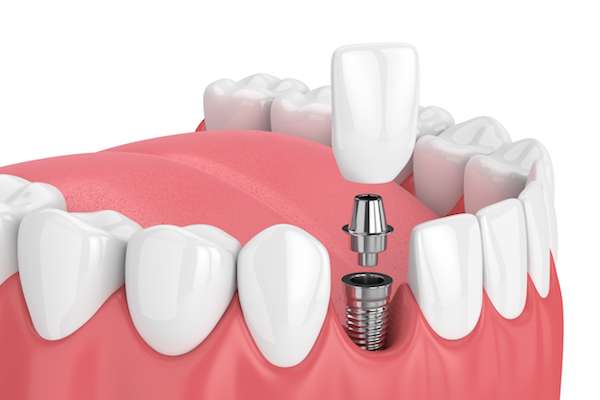
Explanation of Dental Implant Steps
The dental implant procedure typically involves several stages:
- Initial Consultation and Evaluation: A thorough examination, including X-rays and possibly a CT scan, to assess your oral health and bone density. This step is crucial for planning the implant placement.
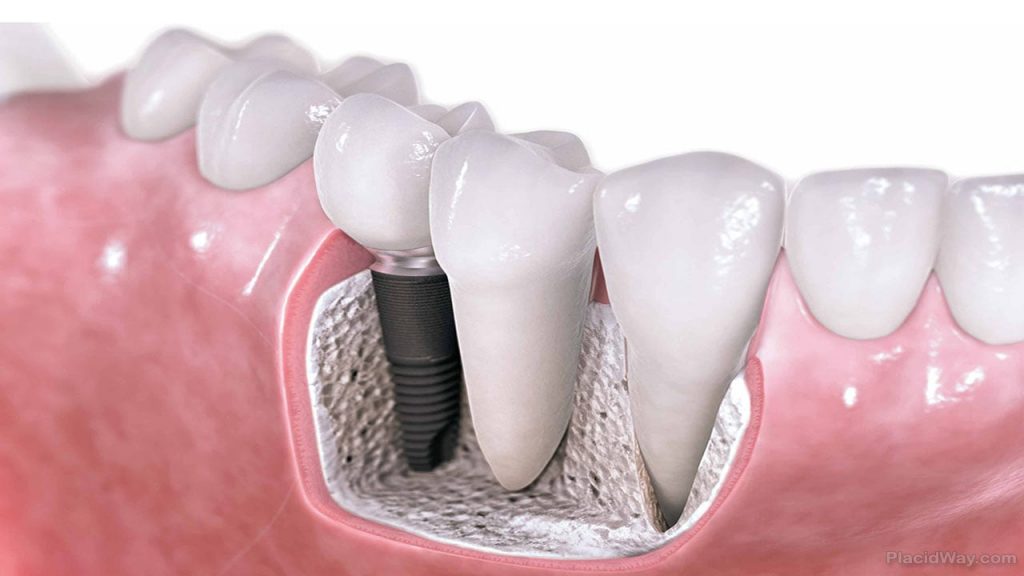
- Implant Placement: The surgical placement of the titanium implant into the jawbone. A local anesthetic is administered to numb the area.
- Healing Period (Osseointegration): Over several months, the implant fuses with the jawbone in a process called osseointegration.
- Abutment Placement: Once osseointegration is complete, an abutment (a connector piece) is attached to the implant.
- Crown Placement: Finally, a custom-made crown is attached to the abutment, providing a natural-looking and functional tooth.
Local Anesthesia and Pain Management During Treatment
During the implant placement, your dentist will use local anesthesia to completely numb the area. This ensures that you won’t feel any sharp pain during the procedure. In some cases, additional sedation options may be available to further reduce anxiety and discomfort. These options can include:
- Nitrous Oxide (Laughing Gas): A mild sedative that helps you relax.
- Oral Sedatives: Medications taken before the procedure to reduce anxiety.
- IV Sedation: A deeper level of sedation administered intravenously, allowing you to be very relaxed or even asleep during the procedure.
What Patients Usually Feel (Pressure/Sensation, Not Sharp Pain)
Most patients report feeling pressure or other sensations during the dental implant procedure, but not sharp pain. The local anesthesia is highly effective at blocking pain signals. Any discomfort is usually minimal and well-tolerated. It is important to note that the cost of dental implants in Albania is much less without sacrificing quality.
Does Getting a Dental Implant Hurt More than a Tooth Extraction?
Many patients who’ve experienced tooth extraction wonder if implant placement is more painful. Addressing dental implant discomfort vs. extraction helps set realistic expectations.
Compare Pain Levels Between Extraction and Implant
While both procedures involve oral surgery, many patients find dental implant placement to be less traumatic than a tooth extraction. Tooth extraction often involves significant manipulation of the surrounding tissues, which can lead to more post-operative pain.
Why Implant Placement Tends to Cause Less Trauma than Extraction
Implant placement is a carefully controlled procedure with precise incisions. Extractions, particularly of impacted teeth, can involve more extensive tissue disruption. Furthermore, the use of advanced techniques and technology, such as guided surgery, minimizes trauma during implant placement.
Patient Experiences and Clinical Perspective
From a clinical perspective, implant placement is generally predictable and less invasive. Patients often report that the recovery from implant surgery is more manageable than from an extraction. However, individual experiences can vary. Some patients may experience more discomfort based on their pain tolerance and the complexity of their case.
How Painful Is the Recovery After One Dental Implant?
Understanding the recovery process and pain management is essential for a smooth experience. Let’s examine the pain after dental implant and dental implant recovery timeline.
Typical Pain Timeline (First 24-72 Hours)
The first 24-72 hours after dental implant placement are typically when you’ll experience the most discomfort. However, this pain is usually mild to moderate and can be effectively managed with medication.
Common Symptoms (Swelling, Bruising, Mild to Moderate Pain)
Common symptoms after implant surgery include:
- Swelling: This is a normal part of the healing process and usually peaks within 48 hours.
- Bruising: Some patients may experience bruising around the surgical site.
- Mild to Moderate Pain: This can be managed with over-the-counter or prescription pain medication.
When Pain Peaks and Subsides
Pain typically peaks within the first 24 hours and gradually subsides over the next few days. By the end of the first week, most patients experience significant relief.
Signs of Abnormal Pain or Complications
It’s important to be aware of signs that could indicate a complication, including:
- Severe Throbbing Pain: Pain that is not controlled by medication.
- Fever: A sign of possible infection.
- Prolonged Bleeding: Bleeding that doesn’t stop with gentle pressure.
- Increased Swelling: Swelling that worsens after the first few days.
If you experience any of these symptoms, contact your dentist immediately.
How Dentists Minimize Pain from Dental Implants
Dentists employ various strategies to minimize pain during and after dental implant procedures. This section will focus on dental implant anesthesia and managing dental implant pain.
Types of Anesthesia or Sedation Used
As mentioned earlier, local anesthesia is the standard for numbing the surgical site. Additional sedation options include:
- Local Anesthesia: Numbing the immediate area.
- Nitrous Oxide: Inhaled gas for relaxation.
- Oral Sedation: Anti-anxiety medication.
- IV Sedation: Intravenous sedation for deeper relaxation.
- General Anesthesia: Rendering the patient unconscious (less common for single implants).
Pain Relief During and After Procedure (Prescriptions, Over-the-Counter Meds)
Your dentist may prescribe pain medication to manage post-operative discomfort. Over-the-counter options like ibuprofen or acetaminophen can also be effective for mild to moderate pain. Follow your dentist’s instructions carefully regarding medication dosage and timing.
Surgeon Techniques for Gentle Placement
Experienced surgeons use gentle techniques to minimize trauma during implant placement. These techniques include:
- Guided Surgery: Using a surgical guide to ensure precise implant placement.
- Minimally Invasive Techniques: Making small incisions to reduce tissue disruption.
- Careful Handling of Tissues: Avoiding excessive pressure or manipulation of the surrounding tissues.
Looking for affordable solutions? Consider Albania Dental Implants Services.
Dental Implant Healing Process and Comfort Tips
Understanding the healing process and following comfort tips can significantly improve your experience. We will cover the dental implant healing process and address swelling after dental implant placement.
What Healing Feels Like: Normal vs. Worrying Signs
During the healing process, it’s normal to experience some discomfort, swelling, and tenderness. However, it’s important to distinguish between normal healing sensations and signs of a potential problem. Normal sensations include mild throbbing, tenderness to the touch, and slight bruising. Worrying signs include severe pain, excessive bleeding, fever, and pus.
Swelling, Numbness, and Tenderness: What’s Normal?
Swelling typically peaks within the first 48 hours and gradually subsides over the next few days. Numbness around the surgical site is common due to the local anesthetic and may persist for several hours after the procedure. Tenderness is also normal and can be managed with pain medication.
Pain Management Strategies: Icing, Rest, Dietary Changes
To manage pain and promote healing, consider the following strategies:
- Icing: Apply ice packs to the affected area for 20 minutes at a time, several times a day, to reduce swelling.
- Rest: Get plenty of rest and avoid strenuous activities.
- Dietary Changes: Eat soft foods to avoid irritating the surgical site.
- Oral Hygiene: Gently rinse your mouth with warm salt water after meals.
When to Contact Your Dentist About Dental Implant Pain
Knowing when to seek professional help is crucial for preventing complications. The keyword complications dental implant will be addressed in this section.
Red Flags: Severe Throbbing, Fever, Prolonged Bleeding
Contact your dentist immediately if you experience any of the following red flags:
- Severe Throbbing Pain: Unrelenting pain despite medication.
- Fever: Indicating a potential infection.
- Prolonged Bleeding: Bleeding that doesn’t stop with pressure.
- Increased Swelling: Swelling that worsens after the first few days.
- Pus or Drainage: Around the implant site.
When Pain Is Not Normal or Signals Infection
Pain that increases in intensity, is accompanied by other symptoms like fever or swelling, or persists beyond the expected healing timeline is not normal and may signal an infection or other complication.
How Dentists Address Post-Op Issues
Dentists address post-operative issues with a variety of treatments, including:
- Antibiotics: To treat infections.
- Pain Medication: To manage discomfort.
- Irrigation: To clean the implant site.
- Surgical Intervention: In rare cases, further surgery may be needed to address complications.
FAQs About Dental Implant Pain
This section covers frequently asked questions about dental implant pain, providing clear and concise answers to common concerns.
Does the dental implant procedure hurt?
With local anesthesia, you should not feel any sharp pain during the dental implant procedure. You may feel pressure or other sensations, but discomfort is usually minimal.
How long does pain last after dental implant surgery?
Most patients experience mild to moderate pain for the first 24-72 hours after surgery. The pain typically subsides significantly within a week.
Is dental implant pain worse than tooth extraction pain?
Many patients find dental implant placement to be less traumatic and less painful than tooth extraction.
Will I need painkillers after getting a dental implant?
Yes, most patients require some form of pain relief after dental implant surgery. This may include over-the-counter medications like ibuprofen or prescription painkillers.
What if my dental implant is still hurting after a week?
If your dental implant is still hurting after a week, contact your dentist. Prolonged pain could indicate a complication, such as an infection.
How do I make dental implant pain go away?
To manage dental implant pain, follow your dentist’s instructions regarding pain medication, apply ice packs, get plenty of rest, and eat soft foods. Gently rinse your mouth with warm salt water after meals to keep the surgical site clean.
Can you feel the dental implant after it heals?
Once the dental implant has fully healed, you should not be able to feel it. It should function and feel like a natural tooth.
Are there ways to avoid pain from dental implants?
While some discomfort is inevitable, you can minimize pain by choosing an experienced surgeon, following post-operative instructions carefully, and managing pain with medication and comfort tips.
Conclusion: What Most Patients Say About Dental Implant Pain
Dental implants are a safe and effective solution for restoring missing teeth. While some discomfort is normal, it is generally well-managed and less severe than many patients expect. Choosing an experienced dentist, following post-operative instructions, and managing pain effectively can ensure a positive experience. If you are interested in high-quality dental implants in Albania Dental Implants and would like to know the cost of dental implants in Albania, please reach out.
Key Takeaways
- Pain from dental implants is usually less severe than expected.
- Local anesthesia and sedation options effectively minimize pain during the procedure.
- Post-operative discomfort can be managed with medication and comfort tips.
- Choosing an experienced surgeon is crucial for a smooth experience.
Reassurance About Dental Implant Experience
Millions of people have successfully undergone dental implant procedures, experiencing a significant improvement in their quality of life. With proper care and attention, you can expect a similar outcome.
Call to Action (Consultation, Pain Concerns, Choosing a Skilled Dentist)
If you’re considering dental implants, schedule a consultation with Albania Dental Implants to discuss your options and address any concerns. Contact us today to learn more about our services and how we can help you achieve a confident, healthy smile. Don’t let fear of pain prevent you from exploring this life-changing solution!





