



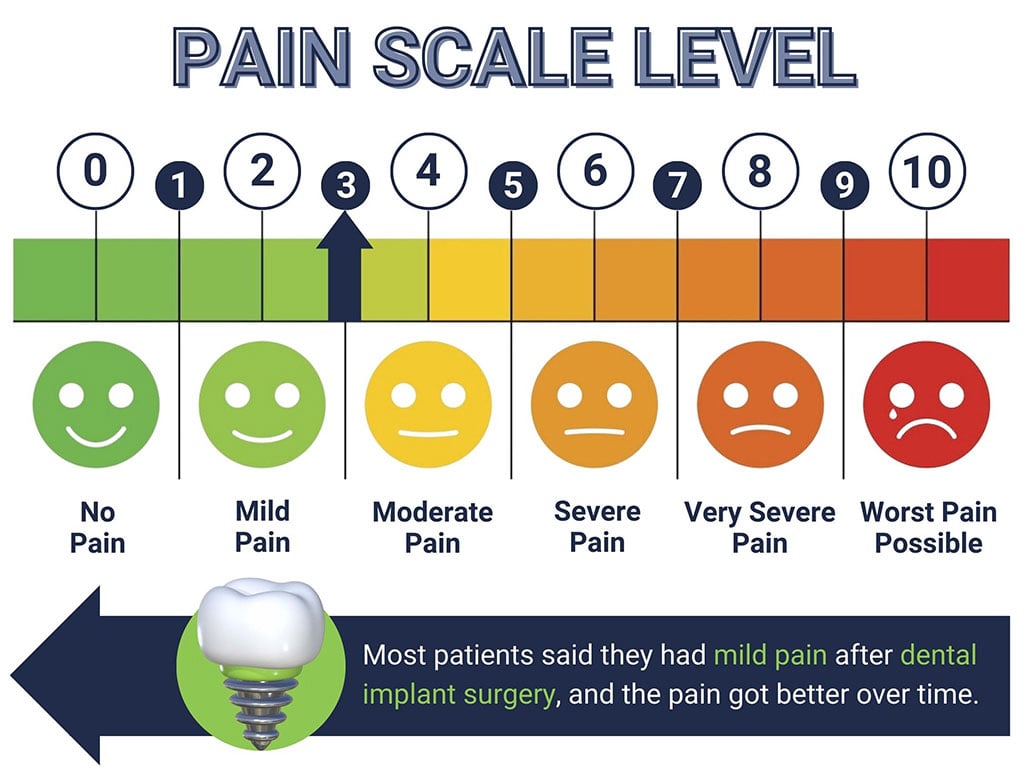
If you’re wondering how painful is getting a dental implant, you’re not alone—many patients worry about discomfort during and after the procedure. This article will address your concerns, offering a detailed look at pain management, recovery, and what to expect during your dental implant journey with Albania Dental Implants. We aim to provide clarity and reassurance, empowering you to make an informed decision about restoring your smile with confidence.
Is Getting a Dental Implant Painful During the Procedure?
Cluster keyword: Dental implant pain level
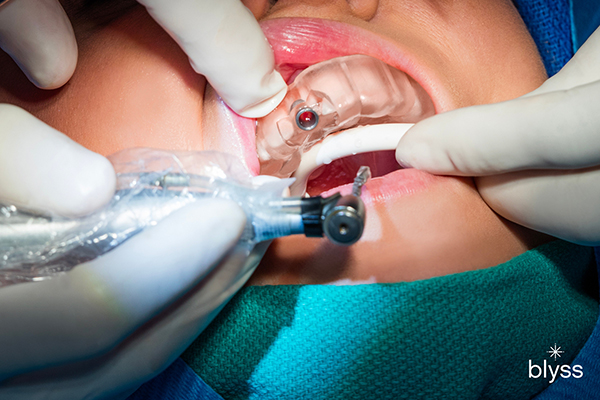
Many patients considering dental implants are concerned about pain during the procedure. The good news is that dental implant surgery is typically performed under local anesthesia, which effectively numbs the treatment area. This means that most patients experience little to no pain during the actual implant placement. Think of it similarly to having a filling – you might feel some pressure, but sharp pain is minimal.
Anesthesia Options for Dental Implants
- Local Anesthesia: This is the standard option, numbing only the area around the implant site.
- Sedation Dentistry: For those who experience dental anxiety, sedation options like oral sedatives or IV sedation are available to help you relax. With sedation, you might feel drowsy or even fall asleep during the procedure.
- General Anesthesia: While less common, general anesthesia can be used for complex cases or patients with significant anxiety. This puts you completely to sleep during the surgery.
Dental Implant vs. Tooth Extraction: What’s the Difference?
Many people wonder how dental implant surgery compares to a tooth extraction. While both procedures involve working in the mouth, the sensations can differ. A tooth extraction often involves more pressure as the tooth is being removed. With dental implants, the focus is on precise placement, which can be less intense than extraction. At Albania Dental Implants, we ensure every procedure is carried out with meticulous care and attention to patient comfort.
What Does Dental Implant Pain Feel Like After Surgery?
Cluster keyword: Dental implant pain after surgery
After the anesthesia wears off, it’s normal to experience some discomfort. The type and intensity of pain can vary from person to person. Most patients report a manageable level of soreness, similar to what you might feel after a strenuous workout. Swelling and mild bruising are also common side effects, contributing to overall discomfort.
Common Sensations After Dental Implant Surgery
- Soreness: This is the most common sensation, often described as a dull ache around the implant site.
- Swelling: Swelling is a natural response to surgery and can peak within the first 24-48 hours. Applying ice packs can help minimize swelling.
- Bruising: Some patients experience mild bruising around the jawline or neck. This is usually temporary and fades within a few days.
How to Manage Post-Surgery Pain
The good news is that post-surgery pain is typically manageable with over-the-counter pain medication like ibuprofen or paracetamol. Following your dentist’s instructions for pain management is crucial. In rare cases, if severe pain persists, it could indicate a complication, and you should contact your dentist immediately. Our team at Albania Dental Implants provides comprehensive aftercare support to ensure a smooth and comfortable recovery.
How Long Does Dental Implant Pain Last?
Cluster keyword: Dental implant recovery pain
One of the primary concerns patients have is the duration of pain after a dental implant. The most intense pain typically subsides within the first 3–7 days after surgery. Swelling and discomfort may linger for up to two weeks, but these symptoms gradually decrease over time. While the initial healing period takes a few weeks, the complete integration of the implant with the bone (osseointegration) can take several months.
Phases of Dental Implant Healing
- First Week: Expect the most discomfort during this period. Pain medication, ice packs, and a soft diet are essential.
- Weeks 2-4: Swelling and bruising should diminish. You can gradually introduce more solid foods into your diet.
- Months 1-6: Osseointegration occurs, where the implant fuses with the jawbone. You may not feel any pain during this phase.
Long-Term Pain: What to Watch Out For
While initial pain is normal, ongoing or worsening pain after the first week is not. This could be a sign of infection or other complications. Contact your dentist if you experience persistent, severe pain, fever, or unusual discharge from the implant site. We prioritize your well-being at Albania Dental Implants and provide thorough follow-up care to monitor your healing process.
Dental Implant Pain Relief: What Helps?
Cluster keyword: Dental implant pain relief
Effectively managing pain after a dental implant is essential for a smooth recovery. Several strategies can help you minimize discomfort and promote healing. From over-the-counter medications to simple lifestyle adjustments, there are many ways to find relief.
Effective Pain Relief Strategies
- Over-the-Counter Painkillers: Ibuprofen (Advil, Motrin) and paracetamol (Tylenol) are usually sufficient for managing mild to moderate pain. Follow the dosage instructions provided by your dentist or on the medication label.
- Ice Packs: Applying ice packs to your face for 15-20 minutes at a time can help reduce swelling and numb the area.
- Soft Diet: Stick to soft foods that require minimal chewing to avoid irritating the implant site. Soups, yogurt, mashed potatoes, and smoothies are good options.
- Rest: Getting plenty of rest allows your body to focus on healing. Avoid strenuous activities that could increase swelling or discomfort.
When to Consider Prescription Painkillers
In some cases, your dentist may prescribe stronger painkillers for the first few days after surgery. These medications can be helpful for managing more severe pain, but should be used as directed and for the shortest duration possible. It’s important to discuss any concerns about pain management with your dentist before the procedure. At Albania Dental Implants, we tailor pain management plans to suit your individual needs and ensure your comfort.
Dental Implant vs. Tooth Extraction Pain: Which Hurts More?
Cluster keyword: Dental implant vs tooth extraction pain
Many patients compare the expected pain of a dental implant to that of a tooth extraction. While both procedures can cause discomfort, the experience can differ. In many cases, patients find dental implants less painful than tooth extractions.
Comparing Pain Levels and Recovery Time
- Tooth Extraction: Can involve more intense immediate pain due to the tearing of ligaments and bone during tooth removal.
- Dental Implant: The pain is often described as a manageable soreness, primarily because of the precise nature of the implant placement.
- Recovery Time: Tooth extraction recovery may involve a longer period of sensitivity as the socket heals. Dental implant pain tends to subside quicker.
Why Implants Can Be Less Painful
Implants often cause less pain as they focus on precisely placing a titanium post, whereas extractions involve removing the entire tooth, which can be more traumatic to the surrounding tissues. Individual experiences vary, but implants are usually less intense in the long run. Albania Dental Implants focus on pain minimization during every step of the tooth implant process to provide the best dental tourism experience in Albania.
Dental Implant Anesthesia Options
Cluster keyword: Dental implant anesthesia options
Choosing the right type of anesthesia is crucial for a comfortable and stress-free dental implant procedure. There are several options available, each designed to cater to different levels of anxiety and complexity of the surgery.
Types of Anesthesia Used for Dental Implants
- Local Anesthesia: The most common choice, numbing the specific area where the implant will be placed. You remain fully conscious during the procedure.
- Sedation Dentistry (Oral): Involves taking an oral sedative before the surgery to help you relax. You’ll be awake but less anxious.
- Sedation Dentistry (IV): Administered intravenously, this option provides a deeper level of relaxation. You might feel drowsy or even fall asleep during the procedure.
- General Anesthesia: Used in rare cases for extensive surgeries or patients with extreme anxiety. You’re completely unconscious during the procedure.
Tailoring Anesthesia to Your Needs
The best anesthesia option depends on your anxiety level, medical history, and the complexity of the implant procedure. Discuss your concerns and preferences with your dentist to determine the most suitable choice. At Albania Dental Implants, we prioritize your comfort and offer a range of anesthesia options to ensure a positive experience.
Common Side Effects and Complications
Cluster keyword: Dental implant side effects
While dental implants have a high success rate, it’s important to be aware of potential side effects and complications. Understanding these risks can help you make informed decisions and seek timely care if needed.
Typical Side Effects After Dental Implant Surgery
- Swelling: This is a normal response and usually subsides within a few days.
- Bruising: Some bruising around the jawline or neck is possible, but it typically fades within a week.
- Minor Bleeding: You may experience some slight bleeding at the implant site for the first 24 hours.
Rare Risks and Complications
- Infection: Although rare, infection can occur at the implant site. Proper oral hygiene and antibiotics can usually resolve it.
- Nerve Damage: There’s a small risk of nerve damage, which can cause numbness or tingling in the lips, chin, or tongue.
- Implant Failure: In rare cases, the implant may not fuse properly with the bone, leading to failure.
When to Seek Medical Help
Contact your dentist immediately if you experience severe pain, fever, excessive bleeding, or signs of infection. Early intervention can help prevent serious complications. At Albania Dental Implants, your well-being is our top priority, and we provide comprehensive support to address any concerns during your recovery.
Dental Implant Healing Time and Aftercare
Cluster keyword: Dental implant healing time, Dental implant aftercare
Proper aftercare is essential for successful dental implant integration and long-term oral health. The healing process can take several weeks to months, and following your dentist’s instructions is crucial for optimal results.
Timeline for Dental Implant Healing
- Initial Healing (1-2 Weeks): Focus on managing pain and swelling with medication and ice packs.
- Osseointegration (3-6 Months): The implant fuses with the jawbone. Regular check-ups are important during this period.
- Long-Term Maintenance: Consistent oral hygiene and regular dental visits are key to ensuring the longevity of your dental implant.
Essential Aftercare Tips
- Oral Hygiene: Gently brush and floss around the implant site to prevent infection.
- Diet: Stick to soft foods during the initial healing phase.
- Avoid Smoking: Smoking can impair healing and increase the risk of implant failure.
- Follow-Up Appointments: Attend all scheduled appointments with your dentist to monitor your progress.
The Importance of Follow-Up Care
Regular follow-up appointments allow your dentist to assess the implant’s integration and address any potential issues early on. At Albania Dental Implants, we provide comprehensive aftercare support and guidance to ensure your implant remains healthy and functional for years to come.
FAQs: Dental Implant Pain and Recovery
Cluster keyword: Dental implant pain after surgery
Is getting a dental implant painful during the procedure?
No, getting a dental implant is generally not painful during the procedure. Local anesthesia is administered to numb the area, preventing you from feeling any discomfort. Some patients opt for sedation to further reduce anxiety. Modern techniques and skilled professionals ensure a pain-free experience. Albania Dental Implants prioritizes patient comfort throughout the entire implant process.
What does dental implant pain feel like after surgery?
After surgery, dental implant pain is typically described as manageable soreness or a dull ache. Swelling and mild bruising are also common. Most patients find that over-the-counter pain medication is sufficient to relieve discomfort. The intensity of pain can vary, but it usually subsides within a few days. Consistent aftercare practices, such as applying ice packs and maintaining oral hygiene, can further alleviate discomfort.
How long does dental implant pain last?
The most intense pain from a dental implant typically lasts for the first 3 to 7 days. After this period, the discomfort should gradually decrease. Swelling and minor soreness may persist for up to two weeks. Full healing and osseointegration can take several months, but pain is not an ongoing issue during this longer phase. Consulting with Albania Dental Implants can provide a clear timeline and personalized aftercare instructions.
What can I do to reduce pain after a dental implant?
Several strategies can help reduce pain after a dental implant: taking over-the-counter painkillers like ibuprofen or paracetamol, applying ice packs to the face to minimize swelling, sticking to a soft diet to avoid irritating the implant site, and getting plenty of rest. If pain persists or worsens, contact your dentist for further guidance or a prescription. At Albania Dental Implants, we provide comprehensive aftercare instructions to optimize your comfort and recovery.
Are there any risks or complications that increase pain?
Yes, certain risks and complications can increase pain after a dental implant. These include infection at the implant site, nerve damage, or implant failure. Signs of infection may include severe pain, fever, swelling, and unusual discharge. Nerve damage can cause numbness or tingling. Implant failure can lead to increased discomfort and mobility of the implant. If you experience any of these symptoms, contact your dentist immediately.
How does dental implant pain compare to tooth extraction?
In many cases, patients report that dental implant pain is less severe than the pain experienced after a tooth extraction. Tooth extraction often involves more trauma to the surrounding tissues as the entire tooth is removed. Dental implant placement, while surgical, is often more precise and less invasive. Individual experiences vary, but overall, the consensus leans toward dental implants being more manageable in terms of post-operative pain.
What anesthesia is used for dental implants?
The type of anesthesia used for dental implants depends on the patient’s anxiety level and the complexity of the procedure. Local anesthesia is the most common option, numbing only the area around the implant site. Sedation dentistry, including oral and IV sedation, can be used to help patients relax. General anesthesia is reserved for more complex cases or patients with extreme anxiety. Albania Dental Implants tailors anesthesia options to each patient’s specific needs for a comfortable experience.
What are the common side effects after a dental implant?
Common side effects after a dental implant include swelling, bruising, and minor bleeding. Swelling typically peaks within the first 24-48 hours and subsides within a few days. Bruising can occur around the jawline or neck and fades within a week. Some slight bleeding at the implant site is normal for the first 24 hours. These side effects are usually temporary and manageable with proper aftercare.
When should I see a dentist if I have pain after a dental implant?
You should see a dentist if you experience severe pain that doesn’t respond to over-the-counter medication, fever, excessive bleeding, signs of infection (redness, swelling, discharge), or numbness/tingling that persists beyond the first few days. These symptoms could indicate a complication that requires prompt attention. At Albania Dental Implants, we encourage you to contact us immediately if you have any concerns during your recovery.
How can I speed up healing and reduce discomfort?
To speed up healing and reduce discomfort after a dental implant, follow your dentist’s aftercare instructions carefully. Maintain excellent oral hygiene by gently brushing and flossing around the implant site. Stick to a soft diet to avoid irritating the area. Apply ice packs to reduce swelling, and take pain medication as directed. Avoid smoking, which can impair healing. Get plenty of rest and attend all scheduled follow-up appointments. With the right care, you can optimize your healing and minimize discomfort. Traveling to Albania for dental tourism can make getting implants very affordable and you’ll want to follow the advice and best practises to ensure your new implants heal quickly
Conclusion
Most patients experience only mild, manageable pain after a dental implant. Understanding what to expect and taking proactive steps to manage discomfort can make the process significantly easier. The temporary pain is well worth the long-term benefits of a restored smile and improved quality of life. At Albania Dental Implants, we are committed to providing personalized care and support every step of the way.
Ready to reclaim your smile and confidence with dental implants?
Don’t let fear of pain hold you back from achieving the smile you deserve. Book a consultation with our expert team today and discover how comfortable and rewarding the dental implant process can be. Explore the possibilities of affordable Albania Dental Implants Services and dental tourism in albania, where quality meets affordability. Let us help you transform your smile and enhance your life!





