



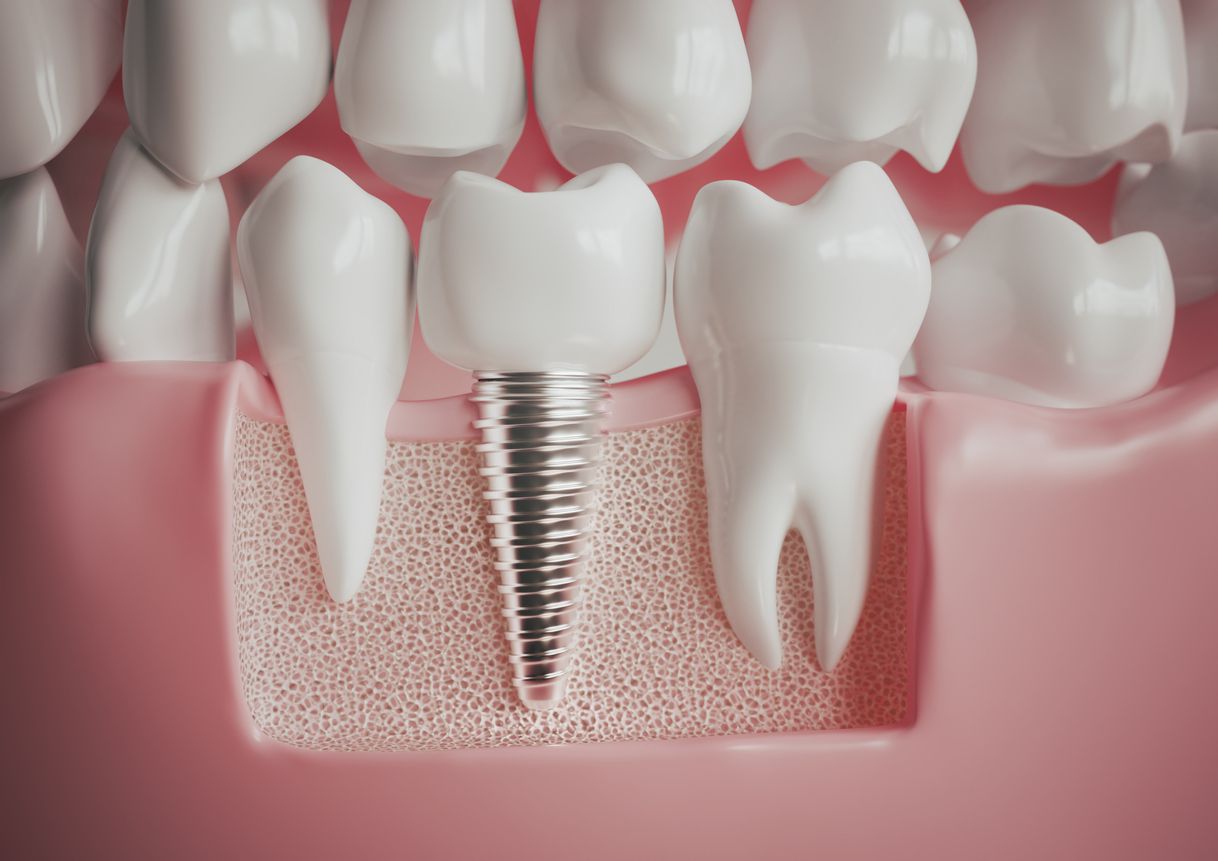

Can you get teeth replaced for free? This article explores the ways UK residents might qualify for free dental replacements, detailing eligibility for free dental treatment, NHS dental coverage, and alternative tooth replacement options. We’ll address who qualifies, what’s covered, and where to find assistance, including affordable options like dental tourism in Albania.
Who qualifies for free teeth replacement in the UK?
Navigating the landscape of free dental care in the UK can be complex, but understanding the NHS exemptions and eligibility criteria for free treatment is the first step. Several groups may be eligible for free NHS dental work, offering a lifeline for those who need it most.
Income-related benefits
One of the primary routes to accessing free dental treatment is through income-related benefits. Individuals receiving Universal Credit, Income Support, Income-based Jobseeker’s Allowance, or Income-related Employment and Support Allowance may qualify. It’s important to note that specific criteria apply, often depending on whether you meet certain earnings thresholds or receive the guaranteed element of Pension Credit. Check the NHS website for the most up-to-date information.
Age-related criteria
Age also plays a significant role in eligibility. Children under 18 receive free NHS dental care, and those under 19 in full-time education are also covered. Some pensioners may qualify based on their receipt of Pension Credit guarantee credit.
Pregnant women and new mothers
Another group entitled to free dental treatment is pregnant women and new mothers. Free dental care is available during pregnancy and for 12 months after the baby’s birth. This benefit is designed to support the oral health of mothers during this crucial period.
Other specific exemptions
Beyond these main categories, there are other specific exemptions. Individuals with certain medical conditions may be eligible, as well as those who receive support through the NHS Low Income Scheme. It’s always best to check the latest guidelines on NHS.uk to see if you meet the necessary requirements.
What types of teeth replacement does the NHS cover for free?
Understanding which NHS dental treatments are available for free is crucial if you qualify for NHS dental coverage. The NHS generally covers essential procedures necessary to maintain oral health, including free dentures and bridges, but dental implants on the NHS are rarely approved for free.
Available procedures
For eligible patients, the NHS provides dentures to replace missing teeth. These dentures are designed to restore function and improve appearance. Bridges, which fill gaps by anchoring artificial teeth to adjacent natural teeth, are also available. However, access to dental implants is significantly more limited due to funding constraints. To explore alternative options, consider visiting Albania Dental Implants for affordable solutions.
Limitations and clinical need
The NHS prioritises clinical need over aesthetic preferences. This means that while essential treatments are usually covered, purely cosmetic procedures are not. For example, if a tooth replacement is required for functional reasons, such as chewing or speech, the NHS is more likely to provide assistance. However, if the primary concern is improving the appearance of your smile, you may need to explore private options.
Does free NHS dental care cover private dentures or implants?
No, free NHS dental care does not cover private dentures or implants. If you opt for private treatment, you will be responsible for the full cost. The NHS provides a specific range of treatments, and private options fall outside of this scope.
Alternatives to NHS coverage for teeth replacement
If you’re ineligible for NHS exemptions, several organisations and schemes offer fully or partially free teeth replacements. These alternatives to NHS coverage for teeth replacement can help you access the care you need without breaking the bank.
Charities offering free dental care
Several charities provide free or subsidised dental care to those in need. Organisations like Dentaid and the Oral Health Foundation run outreach programs and clinics offering basic dental treatments. Eligibility criteria vary, so it’s best to contact them directly to learn more.
Dental schools
Dental schools often provide treatment at a reduced cost. As part of their training, student dentists need to gain practical experience, and they do so under the supervision of experienced professionals. This can be a more affordable way to get dental work done, though it may require more time and flexibility.
Payment plans and low-cost dental clinics
Many private dental practices offer payment plans to help spread the cost of treatment over time. Additionally, some low-cost dental clinics provide services at reduced rates. These clinics may be a good option if you don’t qualify for free NHS care but still need affordable dental solutions. If the cost of dental implants in the UK is prohibitive, consider exploring dental tourism in Albania for high-quality, affordable care.
Insight on private options
Some private dentists offer sliding scale fees based on income, while others may provide discounts or package deals for certain treatments. It’s worth exploring these options and comparing prices to find the most affordable solution. If you’re looking to enhance your smile, you may want to learn more about cosmetic dentistry in albania.
Step-by-step: How to apply for free teeth replacement
Applying for free teeth replacement through the NHS requires navigating a specific process. This step-by-step guide explains how to check eligibility, gather the necessary documentation, and complete the application.
Checking eligibility
The first step is to determine if you meet the eligibility criteria for free NHS dental care. Visit the NHS website or use their online eligibility checker to see if you qualify based on your circumstances. Eligibility often depends on receiving certain benefits, being pregnant, or meeting age-related criteria. To verify this eligibility, you may need to consult with an Albania Dental Implants-approved dentist who is familiar with UK eligibility requirements.
Required documentation
If you believe you’re eligible, gather the necessary documentation. This may include an HC2 certificate, which confirms your entitlement to full help with health costs, or letters from the Department for Work and Pensions proving you receive qualifying benefits. Make sure your documents are up-to-date and valid.
NHS Low Income Scheme
If you don’t automatically qualify for free dental care, you can apply for the NHS Low Income Scheme. This scheme assesses your income and outgoings to determine if you’re eligible for assistance. You’ll need to complete an HC1 form and provide detailed financial information. If approved, you’ll receive an HC2 or HC3 certificate, which will entitle you to full or partial help with dental costs.
Finding an NHS dentist and starting the process
Once you have the necessary documentation, find a local NHS dentist accepting new patients. Contact the dental practice and explain that you’re eligible for free treatment. They will guide you through the next steps, which typically involve a dental examination and a treatment plan. Consider asking about dental implants in albania if the NHS does not cover your needs.
Common limitations and misconceptions
Despite the availability of free NHS dental care, several barriers and myths can create confusion. Understanding these limitations and misconceptions about NHS dental waiting lists and dental charges is crucial for navigating the system effectively.
Limited NHS funding for implants
One of the most significant limitations is the restricted funding for dental implants. The NHS typically only provides implants in exceptional circumstances, such as when they are medically necessary due to trauma or congenital disabilities. This means that most people seeking implants for routine tooth replacement will need to consider private options.
Misconceptions about free care
Many people mistakenly believe that all NHS dental care is entirely free. While certain groups are exempt from charges, others may need to pay towards the cost of their treatment. NHS dental charges are divided into bands, with each band covering different types of procedures. It’s important to understand which band your treatment falls under to avoid unexpected costs.
Myths about free care
Some believe that the NHS covers cosmetic treatments. As a general rule, purely cosmetic procedures, such as teeth whitening or smile makeovers, are not covered by the NHS. You’ll also want to keep in mind potential limitations for cosmetic treatments.
Frequently Asked Questions
Let’s address some common questions about getting teeth replaced for free in the UK. By answering these frequently asked questions, we can help clarify the process and provide valuable information.
Who can get dental implants for free in the UK?
Accessing free dental implants in the UK is exceptionally rare. Typically, only patients with severe medical needs, such as those who have experienced significant trauma or have congenital disabilities affecting their teeth, may qualify for NHS-funded implants. Even then, approval is subject to strict criteria and requires a strong case demonstrating medical necessity.
What documents are needed to prove eligibility for free dental treatment?
To prove eligibility for free dental treatment, you generally need to provide specific documents as proof of your entitlement. This often includes an HC2 certificate, confirming full help with health costs under the NHS Low Income Scheme, or a benefit entitlement letter from the Department for Work and Pensions. The letter must confirm receipt of a qualifying benefit like Universal Credit, Income Support, or Income-based Jobseeker’s Allowance.
Does free NHS dental care cover private dentures or implants?
Free NHS dental care does not extend to private dentures or implants. The NHS provides a defined range of treatments within its own facilities or contracted dental practices. Opting for private dental care means you will be responsible for covering the full cost of treatment, including dentures or implants. For those seeking more affordable dental implant options, exploring options like dental tourism to Albania may be beneficial. Albania Dental Implants offers high-quality services at competitive prices.
What are my options if I cannot afford private treatment and don’t qualify for free NHS care?
If you find yourself unable to afford private dental treatment and don’t qualify for free NHS care, several avenues can provide assistance. You can explore options such as charities offering free or subsidised dental care, dental schools providing reduced-cost treatment, or payment plans offered by private dental practices. Also, consider the NHS Low Income Scheme, which may provide partial assistance with dental costs based on your income and outgoings. Additionally, compare dental implants uk cheap to find affordable options, or consider dental tourism options with Albania Dental Implants.
Can you get emergency teeth replacement for free?
In emergency situations, the NHS provides urgent dental care to alleviate pain and address immediate dental problems. While the initial emergency treatment may be covered, the NHS may not cover the full cost of a permanent teeth replacement. This is especially true for procedures like dental implants, which are rarely offered for free unless there are exceptional medical circumstances. Patients seeking immediate, affordable solutions might explore options such as temporary dentures or bridges while researching long-term solutions.
How long does it take to get a replacement tooth through NHS?
The waiting time for a replacement tooth through the NHS can vary significantly based on the type of treatment needed and the availability of appointments. Simple procedures like fillings or extractions may be scheduled relatively quickly, but more complex treatments like dentures or bridges often involve longer waiting times. These waiting times can range from a few weeks to several months, depending on the demand for services in your area. For faster treatment, consider full mouth reconstruction in albania.
Are there age restrictions for free dental care?
Yes, age plays a role in determining eligibility for free dental care in the UK. Children under 18 receive free NHS dental treatment, and those under 19 in full-time education are also covered. Additionally, some pensioners may qualify based on their receipt of Pension Credit guarantee credit. Adults who don’t fall into these age-related categories typically need to meet other eligibility criteria, such as receiving qualifying benefits or support through the NHS Low Income Scheme.
Is free dental care available for non-UK residents or those without settled status?
Access to free NHS dental care for non-UK residents or those without settled status is generally limited. Typically, only individuals who are ordinarily resident in the UK are eligible for free treatment. However, exceptions may apply in emergency situations or for certain categories of individuals, such as asylum seekers or refugees. It’s best to check the specific eligibility rules on the NHS website or contact a local NHS dental practice for clarification. Non-residents may also find affordable solutions through dental tourism; explore Albania Dental Implants for competitive options.
Conclusion
While obtaining completely free teeth replacement in the UK can be challenging, especially for procedures like dental implants, understanding your eligibility for NHS exemptions and exploring alternative options can significantly improve your access to affordable dental care. Whether you qualify for free NHS treatment, seek assistance from charities or dental schools, or consider affordable solutions like dental tourism with Albania Dental Implants, taking proactive steps can help you restore your smile and maintain your oral health.
Ready to explore affordable teeth replacement options? Contact Albania Dental Implants today to learn more about our high-quality, cost-effective solutions in Albania. Don’t let cost be a barrier to achieving the smile you deserve!





