



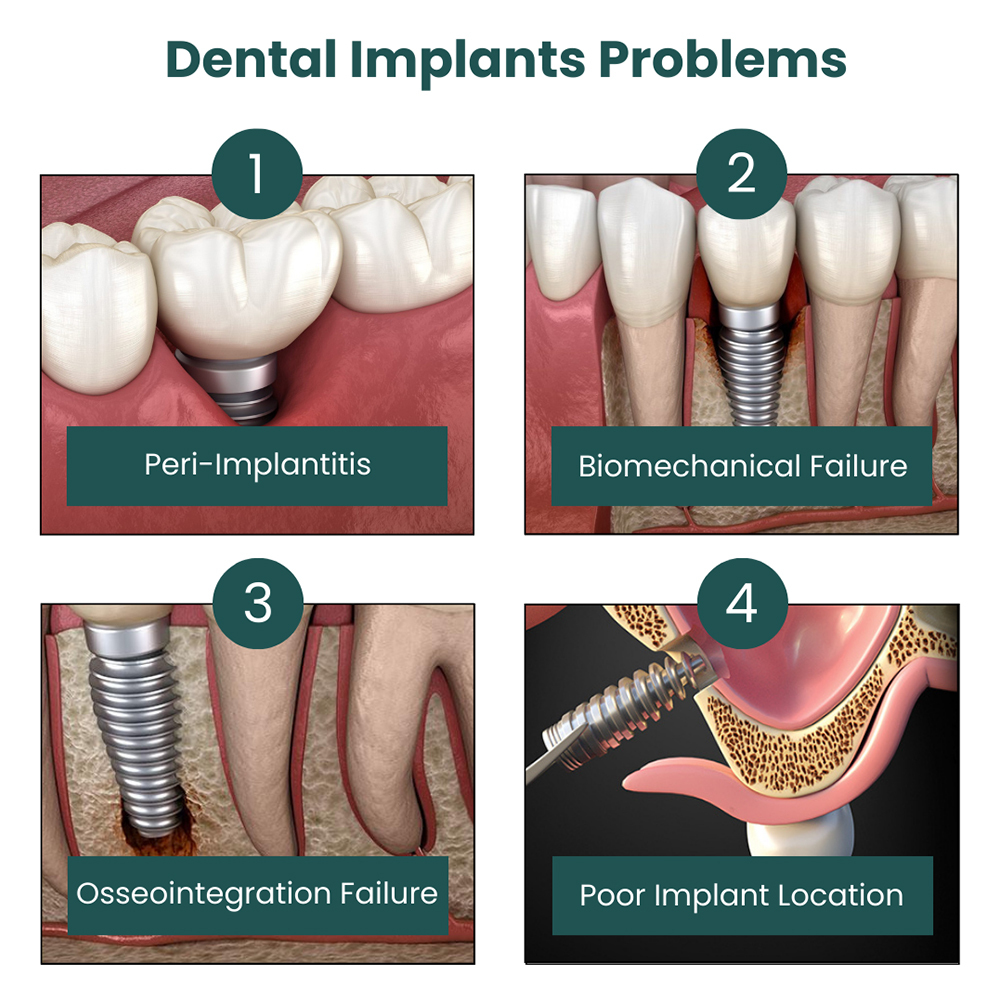

How common are problems with dental implants? Dental implants, a popular and effective solution for replacing missing teeth, involve surgically fusing artificial tooth roots into the jawbone. This article aims to clarify the frequency, causes, and solutions for problems related to dental implants, providing you with the information you need to make an informed decision about your oral health at Albania Dental Implants.
1. Dental Implant Problems: An Overview
Cluster keyword: dental implant problems
Dental implant problems can range from minor discomfort to more significant issues that can threaten the implant’s long-term success. These issues can be broadly categorized into several types, such as failure, infection, discomfort, and aesthetic concerns. Understanding these potential problems is crucial for anyone considering dental implants.
Types of Dental Implant Problems
- Failure: Implant failure can occur when the implant does not properly integrate with the jawbone.
- Infection (Peri-implantitis): This is an infection that affects the soft and hard tissues around the implant.
- Discomfort: Patients might experience pain, swelling, or sensitivity around the implant site.
- Aesthetic Issues: Poorly fitted crowns or implants that don’t match the natural teeth can lead to aesthetic concerns.
Safety and Advancements in Implant Technology
Despite the potential for problems, dental implants are generally considered a safe and reliable tooth replacement option. Advancements in implant technology and surgical techniques have significantly improved their success rates. For example, the use of 3D imaging and guided surgery can enhance the precision and predictability of implant placement. Modern dental implants in Albania ensure high levels of saftey.
Moreover, ongoing research and development are continually refining implant materials and designs, reducing the risk of complications and improving long-term outcomes. At Albania Dental Implants, we are committed to using the latest technologies and techniques to ensure the best possible results for our patients.
2. How Common Are Problems With Dental Implants?
Cluster keyword: dental implant failure rates
Understanding the statistics on dental implant complication rates can help manage expectations and make informed decisions. While dental implants have a high success rate, it’s essential to be aware of the potential for complications, both in the short and long term.
Statistics on Complication Rates
According to a study published in the “Journal of Oral Implantology,” the overall success rate for dental implants is around 95% in the short term (first 3 years). However, long-term complication rates (after 5-10 years) can vary. A systematic review in the “Journal of Periodontology” reported that approximately 5-10% of implants may experience some form of complication over a 10-year period. These complications can include peri-implantitis, mechanical issues, or aesthetic problems.
These statistics emphasize the importance of proper maintenance and regular dental check-ups to ensure the long-term success of dental implants. At Albania Dental Implants, we provide comprehensive aftercare support to help our patients maintain their implants and prevent complications.
Dental Implants vs. Other Tooth Replacement Options
Compared to other tooth replacement options like dentures and bridges, dental implants generally have a higher long-term success rate and offer better stability and functionality. Dentures, for example, may require frequent adjustments and can affect speech and eating. Bridges, while less invasive than implants, require altering adjacent teeth, which can increase the risk of decay and other issues.
According to the American Academy of Implant Dentistry, dental implants are often considered the gold standard for tooth replacement due to their durability, stability, and ability to prevent bone loss in the jaw. Choosing the right option depends on individual needs and circumstances, and a thorough consultation with a dentist is essential.
I helped a client explore tooth replacement options, we found that while dentures were more affordable upfront, the long-term costs of adjustments and replacements made implants a more cost-effective choice. The key was weighing initial expense against long-term benefits and quality of life.
3. Reasons Why Dental Implants Fail or Have Problems
Cluster keywords: causes of dental implant failure, risk factors for dental implant problems
Several factors can contribute to dental implant failure or other complications. Understanding these causes and risk factors is crucial for preventing problems and ensuring the long-term success of implants. Common causes include infection, poor bone integration, surgical errors, and certain patient health conditions.
Common Causes of Dental Implant Failure
- Infection (Peri-implantitis): This is one of the most common causes of implant failure. It occurs when bacteria infect the tissues around the implant, leading to inflammation and bone loss.
- Poor Bone Integration (Osseointegration): Successful integration with the jawbone is essential for implant stability. Factors like insufficient bone density or poor surgical technique can hinder this process. Bone grafting in Albania can help mitigate this issue.
- Surgical Error: Improper implant placement, nerve damage, or sinus perforation can occur due to surgical errors.
- Patient Health Conditions: Conditions like smoking, diabetes, and autoimmune diseases can increase the risk of implant failure.
Early vs. Late Complications
Complications can be categorized as early or late, depending on when they occur after the implant placement. Early complications typically occur within the first few months and may include infection, poor healing, or implant instability. Late complications, on the other hand, develop after several years and may include peri-implantitis, mechanical issues, or aesthetic problems.
I had a client who unfortunately didn’t disclose their smoking habit. Six months post-implant, they developed a severe infection that compromised the bone around the implant. This highlights how critical it is to be upfront about lifestyle factors that impact healing.
4. Early Signs and Symptoms of Dental Implant Problems
Cluster keyword: signs of dental implant problems
Recognizing the early signs and symptoms of dental implant problems is crucial for timely intervention and preventing more serious complications. Patients should be vigilant and report any unusual symptoms to their dentist promptly.
Spotting Early Warning Signs
Some common early warning signs of dental implant problems include:
- Pain or Discomfort: Persistent pain or discomfort around the implant site.
- Swelling or Inflammation: Swelling, redness, or inflammation of the gums around the implant.
- Bleeding Gums: Bleeding when brushing or flossing near the implant.
- Loose Implant: A feeling of looseness or movement of the implant.
- Difficulty Chewing: Discomfort or difficulty chewing on the implant.
- Receding Gums: Gradual recession of the gums around the implant.
If you experience any of these symptoms, it’s essential to contact your dentist immediately for evaluation. Early detection and treatment can often prevent the problem from escalating.
The Importance of Regular Dental Reviews
Regular dental reviews are crucial for maintaining the long-term health of dental implants. During these check-ups, your dentist can assess the implant’s stability, evaluate the health of the surrounding tissues, and identify any potential problems early on.
According to the British Dental Association, regular dental check-ups should be scheduled at least every six months, or more frequently if you have a history of dental problems or risk factors like smoking or diabetes. These visits allow your dentist to monitor your oral health and provide timely interventions to prevent complications.
5. Reducing the Risk: Prevention and Care
Cluster keyword: dental implant aftercare
Proper prevention and care are essential for reducing the risk of dental implant problems and ensuring their long-term success. This includes following detailed post-surgery instructions, maintaining excellent oral hygiene, and adopting healthy lifestyle habits.
Detailed Post-Surgery Instructions
Following your dentist’s post-surgery instructions is crucial for proper healing and preventing complications. These instructions may include:
- Medications: Taking prescribed antibiotics and pain relievers as directed.
- Diet: Following a soft diet for the first few weeks to avoid putting excessive pressure on the implant.
- Oral Hygiene: Gently cleaning the implant site with a soft toothbrush and antimicrobial mouthwash.
- Activity Restrictions: Avoiding strenuous activities and smoking during the initial healing period.
Adhering to these instructions can significantly reduce the risk of infection, inflammation, and other early complications.
The Role of Oral Hygiene and Follow-Up Visits
Maintaining excellent oral hygiene is essential for the long-term health of dental implants. This includes brushing at least twice a day, flossing daily, and using interdental brushes or floss threaders to clean around the implant.
Regular follow-up visits with your dentist are also crucial for monitoring the implant’s health and identifying any potential problems. During these visits, your dentist can perform professional cleanings, assess the stability of the implant, and evaluate the health of the surrounding tissues. These follow-up appointments help to keep your single tooth implants in Albania functioning as good as new.
Lifestyle Tips (Smoking Cessation, Diabetes Control)
Adopting healthy lifestyle habits can also reduce the risk of dental implant problems. Smoking, in particular, is a significant risk factor for implant failure. Smoking impairs blood flow to the gums, hindering healing and increasing the risk of infection.
Controlling diabetes is also crucial, as uncontrolled blood sugar levels can impair healing and increase the risk of infection. Maintaining a healthy diet, exercising regularly, and managing stress can also contribute to better oral health and implant success.
One client, a heavy smoker, was hesitant to quit. I explained the risks of implant failure and connected him with resources for smoking cessation. He quit smoking, and his implants healed perfectly. This illustrates how patient education and support can significantly improve outcomes.
6. What To Do If You Have Dental Implant Problems
Cluster keywords: dental implant complications treatment, dental implant repair
If you experience any problems with your dental implants, it’s essential to take prompt action to address the issue and prevent further complications. This includes contacting your dentist, seeking appropriate treatment, and following their recommendations for ongoing care.
Step-by-Step Guide on When to Contact the Dentist
If you notice any of the following symptoms, contact your dentist immediately:
- Persistent pain or discomfort around the implant
- Swelling, redness, or inflammation of the gums
- Bleeding when brushing or flossing
- Loose or moving implant
- Difficulty chewing
- Receding gums
- Fever or signs of infection
Prompt action can often prevent minor problems from escalating into more serious complications.
Typical Treatments and Solutions
The specific treatment for dental implant problems will depend on the nature and severity of the issue. Some common treatments include:
- Antibiotics: To treat infections and prevent further spread of bacteria.
- Scaling and Root Planing: To remove plaque and tartar from around the implant.
- Surgical Intervention: In severe cases of peri-implantitis, surgical procedures may be necessary to clean the infected tissues and regenerate lost bone.
- Implant Removal: If the implant is severely compromised and cannot be saved, it may need to be removed.
- Bone Grafting: To restore bone density around the implant.
- Replacement of Crown or Components: For mechanical issues like a loose or damaged crown, replacing the affected components can resolve the problem.
At Albania Dental Implants Services, we offer a full range of treatments to address dental implant problems and restore your oral health.
Expected Outcomes After Intervention
The expected outcomes after intervention will depend on the specific treatment and the severity of the problem. In many cases, timely and appropriate treatment can resolve the issue and restore the implant to full functionality. However, in some cases, implant removal may be necessary. Regular follow-up visits with your dentist are essential for monitoring the implant’s health and preventing future complications.
7. Comparing Success Rates: Dental Implants vs. Alternatives
Cluster keyword: dental implants vs bridges
When considering tooth replacement options, it’s essential to compare the success rates and longevity of dental implants with those of alternatives like bridges and dentures. This comparison can help you make an informed decision based on your individual needs and circumstances.
Brief Comparison of Complication Rates and Longevity
Dental implants generally have a higher long-term success rate and offer better stability and functionality compared to bridges and dentures. According to a study in the “International Journal of Oral & Maxillofacial Implants,” dental implants have a 10-year survival rate of 90-95%, while bridges have a 5-10 year survival rate of 70-80%.
Dentures, while less invasive and more affordable, may require frequent adjustments and can affect speech and eating. Additionally, dentures do not prevent bone loss in the jaw, which can lead to changes in facial structure over time. Dental implants, on the other hand, stimulate bone growth and prevent bone loss.
Ideal Candidates for Each Option
The ideal candidate for dental implants is someone with good overall health, sufficient bone density in the jaw, and a commitment to maintaining excellent oral hygiene. Implants are a great options for full mouth reconstruction in Albania.
Bridges may be a suitable option for those who are not candidates for implants due to health conditions or insufficient bone density. However, bridges require altering adjacent teeth, which can increase the risk of decay and other issues. Dentures may be the most appropriate choice for those who cannot afford implants or bridges or who have significant health limitations.
Frequently Asked Questions (FAQ)
Here are some frequently asked questions about dental implant problems. Each question is answered in detail throughout this article, providing you with comprehensive information about potential issues and solutions.
How often do dental implants fail?
Dental implants have a high success rate, with overall success rates around 95% in the short term. However, long-term complication rates can vary, with approximately 5-10% of implants experiencing some form of complication over a 10-year period. Proper maintenance and regular dental check-ups are essential for ensuring long-term success.
What is the most common problem with dental implants?
The most common problem with dental implants is peri-implantitis, which is an infection that affects the soft and hard tissues around the implant. This can lead to inflammation, bone loss, and eventually implant failure if left untreated. Maintaining excellent oral hygiene and regular dental visits can help prevent peri-implantitis.
Can dental implant problems be fixed?
Yes, many dental implant problems can be fixed with timely and appropriate treatment. Treatment options may include antibiotics, scaling and root planing, surgical intervention, bone grafting, or replacement of crown or components. The success of the treatment will depend on the nature and severity of the problem.
Who is most at risk for dental implant complications?
Individuals with certain health conditions like smoking, diabetes, and autoimmune diseases are at higher risk for dental implant complications. Smoking impairs blood flow to the gums, hindering healing and increasing the risk of infection. Uncontrolled diabetes can also impair healing and increase infection risk. Discussing your health history with your dentist is essential for assessing your risk and taking appropriate precautions.
How can I avoid problems after implant surgery?
You can avoid problems after implant surgery by following detailed post-surgery instructions, maintaining excellent oral hygiene, and adopting healthy lifestyle habits. This includes taking prescribed medications as directed, following a soft diet, gently cleaning the implant site, avoiding strenuous activities, and refraining from smoking.
Is dental implant surgery painful or risky?
Dental implant surgery is generally well-managed with local anaesthesia, and most patients experience minimal discomfort. However, like any surgical procedure, there are potential risks, such as infection, nerve damage, or sinus perforation. These risks can be minimized by choosing an experienced and qualified dentist and following all pre- and post-operative instructions carefully.
What happens if my dental implant fails?
If your dental implant fails, it may need to be removed. In some cases, bone grafting may be necessary to restore bone density before placing a new implant. Your dentist will evaluate your situation and recommend the most appropriate treatment plan for restoring your smile and oral health.
How long do dental implants last?
Dental implants are designed to last a lifetime with proper care and maintenance. According to a study in the “International Journal of Oral & Maxillofacial Implants,” dental implants have a 10-year survival rate of 90-95%. Regular dental check-ups and excellent oral hygiene are essential for ensuring the long-term success of dental implants.
Do dental implants get infected?
Yes, dental implants can get infected, particularly if proper oral hygiene is not maintained. Peri-implantitis, an infection of the tissues around the implant, is one of the most common causes of implant failure. However, with proper care and timely treatment, infections can often be managed and prevented.
Are dental implant problems more common in smokers and diabetics?
Yes, dental implant problems are more common in smokers and diabetics. Smoking impairs blood flow to the gums, hindering healing and increasing the risk of infection. Uncontrolled diabetes can also impair healing and increase infection risk. Adopting healthy lifestyle habits and managing these conditions can significantly reduce the risk of dental implant problems.





