



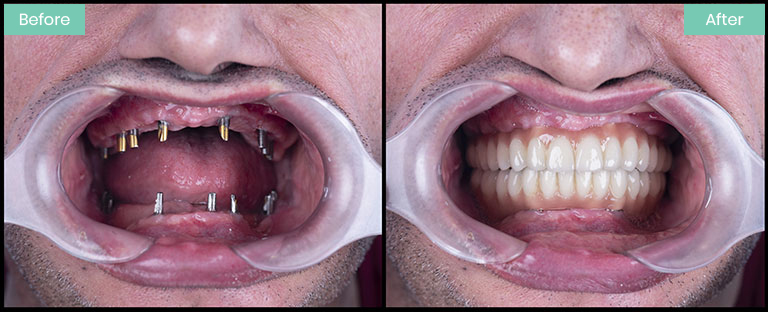

If you’re considering replacing missing teeth with dental implants, a common question is: How long does it take to get dental implants UK? The process isn’t a quick fix, but understanding the timeline helps you plan and manage your expectations. Let’s explore the steps involved and the factors that influence the overall duration.
Dental Implant Timeline UK: An Overview
The dental implant timeline UK can vary considerably. It encompasses everything from your initial consultation to the placement of the final crown. Each phase has a typical duration, but several factors can influence the total timeframe.
Typical Durations at Each Phase
- Initial Consultation and Assessment: 1-2 weeks to schedule and complete.
- Tooth Extraction (if needed): 6-12 weeks for healing after extraction.
- Bone Grafting (if needed): 3-9 months for bone to mature.
- Implant Placement: Single appointment, lasting 1-2 hours.
- Osseointegration (healing): 3-6 months for the implant to fuse with the bone.
- Abutment Placement: 2-4 weeks after osseointegration.
- Crown Placement: 2-4 weeks after abutment placement.
In total, the process can take anywhere from 5 months to over a year, depending on individual circumstances. Factors like the complexity of the case, healing time, and clinic schedules all play a role.
What Can Influence Timeframes?
Several elements influence the overall dental implant timeline UK. These may include:
- Healing Rate: Individual healing capabilities affect how quickly you progress through each phase.
- Case Complexity: More complex cases, particularly those involving multiple implants or additional procedures, often take longer.
- Clinic Scheduling: Appointment availability and clinic workload can cause delays.
Planning for dental tourism in albania could give you a quicker appointment.
Step-by-Step Dental Implant Procedure UK
Understanding the dental implant procedure UK involves knowing each step, from the initial assessment to the final crown placement. This detailed overview clarifies what to expect at each stage.
Pre-Implant Consultation and Assessment
The first step is a thorough consultation and assessment. This involves:
- Dental Examination: A visual examination of your teeth and gums.
- X-rays: To assess bone density and identify any underlying issues.
- CT Scans (if necessary): To create a detailed 3D image of your jawbone.
- Discussion of Treatment Plan: A discussion of what’s involved and to identify if you are eligible for dental implants.
This pre-implant assessment helps the dentist determine if you’re a suitable candidate for dental implants and if any additional procedures, such as bone grafting, are needed. Expect this appointment to last about an hour.
Tooth Extraction and Healing Times
If the tooth to be replaced is still present, it will need to be extracted. After extraction, it’s essential to allow the area to heal. This process typically takes 6-12 weeks, providing the bone and gums time to recover before implant placement.
Implant Placement and Osseointegration
During the implant placement, the dentist surgically inserts the titanium implant into your jawbone. This is usually done under local anaesthesia. The healing period that follows, called osseointegration, is crucial.
Osseointegration is the process where the implant fuses with the surrounding bone. This typically takes 3-6 months. During this time, the bone grows around the implant, providing a stable and secure foundation for the artificial tooth. According to a study in the Journal of Oral Implantology, successful osseointegration is critical for the long-term success of dental implants.
Abutment and Crown Placement
Once osseointegration is complete, the abutment is attached to the implant. The abutment is a connector piece that will hold the crown. After the abutment is placed, the gums need a couple of weeks to heal. Finally, the custom-made crown is attached to the abutment, completing the dental implant procedure UK.
Standard vs. Same-Day Implants
While the traditional process involves multiple steps and several months of healing, same-day dental implants UK offer a faster alternative. In some cases, it’s possible to extract the tooth, place the implant, and attach a temporary crown all in one visit. However, same-day implants aren’t suitable for everyone and require careful assessment to determine eligibility.
Factors Affecting Dental Implant Duration
The overall duration of the dental implant process is influenced by a variety of factors. Understanding these factors can help you anticipate the potential timeline for your specific case.
Impact of Bone Grafts and Sinus Lifts
If you lack sufficient bone density in your jaw, a bone graft for implants UK may be necessary. Bone grafting involves adding bone material to the area to create a stable foundation for the implant. Similarly, a sinus lift may be required if the sinuses are too close to the upper jaw. These procedures add to the overall treatment length, typically extending the timeline by several months.
Underlying Oral Health and Medical Conditions
Your overall oral health and any underlying medical conditions can significantly impact the dental implant duration. Conditions like diabetes or autoimmune diseases can slow down healing. Additionally, existing gum disease needs to be treated before implant placement to ensure successful osseointegration.
Individual Healing Rates
Everyone heals at a different pace. Factors like age, lifestyle, and genetics all contribute to individual healing rates. Some individuals may experience faster osseointegration, while others may require more time.
Clinic Process and NHS vs. Private Timelines
The clinic’s processes and appointment availability can affect the timeline. NHS dental implants UK may involve longer waiting times compared to private clinics. Private clinics often have more flexible scheduling and may offer advanced technologies that can expedite the process. However, for affordable options you may consider going to Albania Dental Implants.
Dental Implant Recovery UK: What to Expect
Dental implant recovery UK is a crucial aspect of the overall process. Knowing what to expect at each stage helps you prepare and optimize your healing.
Typical Recovery Durations by Stage
- After Tooth Extraction: Several days to weeks for initial gum healing.
- After Bone Graft: 3-9 months for the bone to mature and become stable.
- After Implant Placement: 7-14 days for initial gum healing; 3-6 months for osseointegration.
- After Abutment Placement: 2-3 weeks for gum tissue to heal.
What Hinders or Accelerates Healing
Several factors can either hinder or accelerate the healing process. Smoking, poor oral hygiene, and certain medical conditions can slow down healing. On the other hand, maintaining excellent oral hygiene, following the dentist’s instructions, and adopting a healthy lifestyle can promote faster healing.
Aftercare Requirements for Optimal Results
Proper aftercare for dental implants is essential for achieving optimal results. This includes:
- Maintaining excellent oral hygiene: Brushing and flossing regularly.
- Using an antibacterial mouthwash: To prevent infection.
- Avoiding hard or sticky foods: Especially during the initial healing phase.
- Attending follow-up appointments: For the dentist to monitor healing and ensure the implant is integrating properly.
Costs and Availability: UK Dental Implant Options
Understanding the cost of dental implants UK is an essential part of the decision-making process. The price ranges can vary, and it’s important to know what’s included.
Price Ranges and What is Included
The cost of dental implants UK can range from £2,500 to £4,000 per implant. This typically includes:
- Initial consultation and assessment
- Tooth extraction (if required)
- Implant placement surgery
- Abutment and crown placement
- Follow-up appointments
Additional procedures, such as bone grafting or sinus lifts, will incur extra costs. It’s crucial to get a detailed breakdown of the costs upfront.
Private vs. NHS Dental Implants
While dental implants offer a long-term solution, it is worth noting the price difference between the NHS and the private options. It is worth knowing the NHS dental implants UK eligibility and waiting times. Accessing implants through the NHS dental implants UK can be challenging due to limited funding and strict eligibility criteria. Most people opt for private dental care to get dental implants.
Comparing Leading Clinics
When considering dental implants, researching and comparing different clinics is essential. Look for clinics with experienced implant dentists, advanced technology, and positive patient reviews. Some of the best dental implant clinics UK are known for their expertise and high success rates.
Alternatives and Temporary Tooth Solutions
While waiting for the dental implant process to complete, several temporary tooth solutions can help maintain your smile and function.
Options Between Extraction and Final Implant
If you require a tooth extraction before implant placement, several temporary options can fill the gap:
- Removable Partial Dentures: These are removable appliances that clip onto existing teeth.
- Dental Bridges: Bridges use adjacent teeth to anchor a false tooth.
- Temporary Crowns: These can be placed immediately after implant placement in certain cases.
Pros and Cons of Bridges, Dentures, Temporary Crowns
Each temporary solution has its advantages and disadvantages. Bridges are fixed and offer good stability, but they require altering adjacent teeth. Dentures are more affordable but can be less stable and require more maintenance. Temporary crowns provide immediate aesthetics but may not be suitable for all cases.
Frequently Asked Questions: Dental Implants UK
Choosing to have dental implants in the UK is a significant decision, and understanding the full process can help you manage your expectations and prepare for the journey. Let’s explore some frequently asked questions about dental implants in the UK.
How long does it take to get dental implants UK from start to finish?
The complete dental implant process in the UK typically takes between 5 months to over a year. This timeline includes the initial consultation, any necessary tooth extractions, bone grafting (if required), implant placement, osseointegration (the healing process where the implant fuses with the jawbone), abutment placement, and finally, the placement of the dental crown. The exact duration depends on individual factors such as healing rate, case complexity, and clinic scheduling.
What is the shortest possible timeline for same-day dental implants UK?
The shortest possible timeline for same-day dental implants UK, also known as immediate load implants, can indeed be completed in just one day. This involves extracting the tooth (if needed), placing the implant, and attaching a temporary crown all during the same visit. However, not everyone is a suitable candidate for this accelerated approach. A thorough assessment is essential to determine if you meet the criteria for same-day implants.
How long does osseointegration (implant healing) take?
Osseointegration, the process where the dental implant fuses with the surrounding jawbone, typically takes 3 to 6 months. This healing period is crucial for the long-term success of the implant. During this time, new bone tissue grows around the implant, providing a stable and secure foundation for the artificial tooth.
Do I need a bone graft, and how does it affect the timeline?
A bone graft for implants UK is necessary if you lack sufficient bone density in your jaw to support the dental implant. This procedure involves adding bone material to the area to create a stable base. Bone grafting can extend the overall timeline by several months, as the grafted bone needs time to heal and integrate with the existing bone tissue. The healing time for a bone graft can range from 3 to 9 months, depending on the extent of the graft and individual healing rates.
Is there a waiting list for NHS dental implants?
Yes, there can be a considerable waiting list for NHS dental implants. Access to dental implants on the NHS is limited due to funding constraints and strict eligibility criteria. The waiting times can vary depending on the location and the specific circumstances of your case. Many individuals opt for private dental care to avoid long waiting lists and gain access to a wider range of treatment options.
Can I eat normally after each implant phase?
After each phase of the dental implant process, it’s important to follow specific dietary guidelines to promote healing and protect the implant site. Immediately after tooth extraction or implant placement, you’ll typically need to stick to a soft food diet for several days to weeks. As healing progresses, you can gradually reintroduce harder foods. However, it’s best to avoid very hard, sticky, or chewy foods that could damage the implant or surrounding tissues.
Is the recovery process painful or difficult?
The level of discomfort experienced during the dental implant recovery UK process varies from person to person. Most patients report manageable discomfort that can be effectively controlled with over-the-counter or prescription pain medication. Following the dentist’s aftercare instructions, maintaining good oral hygiene, and avoiding strenuous activities can help minimize pain and promote faster healing. The Albania Dental Implants offers comprehensive aftercare instructions and support to ensure a smooth recovery.
How do I care for dental implants during the healing stages?
Proper care for dental implants during the healing stages is crucial for their long-term success. This includes:
- Gentle brushing and flossing around the implant site.
- Using an antibacterial mouthwash to prevent infection.
- Avoiding smoking and excessive alcohol consumption.
- Attending all scheduled follow-up appointments with your dentist.
What happens if the implant fails to integrate?
In rare cases, a dental implant may fail to integrate with the jawbone. This is known as implant failure. If this occurs, the implant will need to be removed, and the site will need to heal before a new implant can be placed. Factors that can contribute to implant failure include poor bone quality, infection, smoking, and certain medical conditions. The dentists in Albania Dental Implants are experienced with dental implants and offer the best advice on how to avoid the failure of dental implants.
How do costs and waiting times differ among UK clinics?
The costs and waiting times for dental implants can vary significantly among different clinics in the UK. Factors that can influence costs include the clinic’s location, the dentist’s experience, the materials used, and the technology employed. Waiting times can also vary depending on the clinic’s scheduling and the complexity of your case. Researching and comparing multiple clinics is essential to find the best option for your needs and budget.
Choosing a Clinic: What to Look Out For
Selecting the right clinic is crucial for a successful dental implant procedure. Here’s what to consider when choosing from the best dental implant clinics UK.
Credentials and Experience
Look for a clinic with dentists who have extensive experience and specialized training in implant dentistry. Check their credentials, certifications, and professional affiliations. A dentist with a proven track record of successful implant placements is more likely to provide excellent care.
Technology Used (3D Scanning, Guided Surgery)
Advanced technology can improve the precision and efficiency of the dental implant process. Clinics that use 3D scanning, guided surgery, and other advanced tools often offer better outcomes and reduced recovery times.
Patient Reviews and Success Rates
Read online reviews and testimonials from previous patients. This can provide valuable insights into the clinic’s quality of care, patient satisfaction, and overall success rates. A clinic with consistently positive reviews and high success rates is a good sign.
Conclusion & Next Steps
The process of getting dental implants in the UK involves several stages and can take anywhere from 5 months to over a year. Factors like bone grafting, individual healing rates, and clinic schedules all play a role in the overall duration. By understanding the timeline and what to expect at each stage, you can make informed decisions and prepare for a successful outcome.
Ready to take the next step? Schedule a consultation with Albania Dental Implants today to discuss your options and create a personalized treatment plan. Discover the benefits of affordable, high-quality dental implants and start your journey to a confident, healthy smile. You can also download our comprehensive implant guide for more information.