



What Happens If You Don’t Go to the Dentist for 7 Years? Consequences for Your Oral and Overall Health
What happens if you don’t go to the dentist for 7 years? The answer is a cascade of negative consequences, ranging from irreversible damage to your teeth and gums to potentially serious systemic health risks, impacting your overall well-being.
Introduction
Skipping dental visits for an extended period, like seven years, can lead to irreversible damage to your teeth, gums, and even your heart. Regular dental check-ups are not just about a bright smile; they are crucial for maintaining your overall health. This guide explores the serious consequences of neglecting dental care for seven years, covering oral health deterioration, systemic health risks, financial implications, and what you need to know to recover your dental health. At Albania Dental Implants, we see the impact of dental neglect and are here to help you understand the importance of consistent oral care.
Immediate Oral Consequences (Years 1-3)
In the first few years of neglecting dental care, the consequences primarily affect your oral health. Plaque and tartar buildup, early tooth decay, and gum inflammation are the most common issues during this period. Ignoring these early warning signs can lead to more severe problems down the line. Addressing these problems with general dentistry in albania is important before they become more serious.
Plaque and Tartar Accumulation
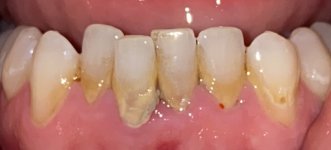
Plaque, a sticky film of bacteria, constantly forms on your teeth. When plaque isn’t removed through regular brushing and flossing, it hardens into tartar (calculus). Tartar is difficult to remove at home and requires professional cleaning. Without professional cleaning, tartar accumulation progresses through several stages:
- Initial Buildup (Months 1-6): Soft plaque begins to mineralize, particularly along the gumline.
- Increased Hardening (Months 6-12): Tartar becomes more extensive, creating a rough surface for further plaque accumulation.
- Subgingival Tartar (Years 1-3): Tartar extends below the gumline, irritating the gums and contributing to inflammation.
Professional cleaning procedures, such as scaling and root planing, are essential to remove tartar and prevent further damage. You may consider dental tourism in albania for more affordable professional cleaning.
Early Tooth Decay
Untreated cavities are a common consequence of neglecting dental care. Early tooth decay starts with the breakdown of tooth enamel due to acids produced by plaque bacteria. The progression of early tooth decay includes:
- Enamel Demineralization: White spots appear on the enamel surface.
- Cavity Formation: The enamel breaks down, creating a small hole.
- Dentin Involvement: The decay reaches the dentin, the softer layer beneath the enamel, causing increased sensitivity.
According to the World Health Organization, a significant percentage of adults have untreated cavities. Visual descriptions of decay stages can help you identify potential problems early on. Remember that addressing these issues early, especially by visiting a dental clinic in albania, is important in order to reduce the risk of progression.
Gum Inflammation and Gingivitis
Gum inflammation, or gingivitis, is an early stage of gum disease caused by plaque and tartar buildup. Symptoms of gingivitis include:
- Red, Swollen Gums: Gums appear inflamed and may bleed easily during brushing.
- Bad Breath: Persistent bad breath (halitosis) can indicate gum disease.
- Receding Gums: Gums may start to pull away from the teeth.
Early intervention options, such as improved oral hygiene and professional cleanings, can reverse gingivitis. Ignoring these signs can lead to more advanced gum disease, or even the need for oral surgery in albania.
Progressive Damage (Years 3-5)
As dental neglect continues, progressive damage sets in. Advanced gum disease, extensive tooth decay, and tooth mobility become significant concerns. Without intervention, the problems accelerate, leading to potentially irreversible damage.
How many people develop severe gum disease from neglect? Periodontitis Development
Periodontitis is an advanced form of gum disease that develops from untreated gingivitis. It involves the destruction of the tissues and bone that support the teeth. The transition from gingivitis to periodontitis involves:
- Bone Resorption: The bone supporting the teeth starts to break down, leading to bone loss.
- Pocket Formation: Pockets form between the gums and teeth, trapping more bacteria and debris.
- Attachment Loss: The gums detach from the teeth, leading to further bone loss and tooth mobility.
Statistics show that a significant percentage of people develop severe gum disease due to neglect. Bone resorption, the process by which bone tissue is broken down, is a key factor in periodontitis. If you do not act quickly, you may need bone grafting in albania.
Extensive Tooth Decay
Extensive tooth decay occurs when multiple teeth are affected by cavities that progress without treatment. This can lead to:
- Multi-Tooth Decay: Several teeth develop cavities that extend into the dentin and pulp.
- Root Canal Necessity: Decay reaches the pulp, requiring root canal treatment to save the teeth.
- Tooth Loss: Severe decay leads to the need for extractions.
Treating advanced cavities becomes significantly more expensive than addressing early decay. A cost comparison reveals the financial benefits of early treatment versus late-stage intervention. For example, a simple filling is much cheaper than a root canal and crown. The progression of untreated cavities can result in the need for restorative dentistry expenses. Therefore, you may want to consider affordable dental crowns in albania.
How loose teeth develop from bone loss? Tooth Mobility and Shifting
Tooth mobility and shifting occur as bone loss progresses, weakening the support for the teeth. Key points include:
- Loose Teeth: Teeth become increasingly mobile due to bone loss around the roots.
- Bite Misalignment: Shifting teeth alter the bite, leading to discomfort and difficulty chewing.
- Jaw Alignment Issues: Changes in bite can affect jaw alignment, potentially leading to temporomandibular joint (TMJ) disorders.
The impact on bite and jaw alignment can lead to orthodontic complications. In such cases, orthodontics in albania might be required to correct the misalignment.
Systemic Health Risks
The connection between oral health and systemic health is well-documented. Oral bacteria and dental infections can contribute to various health problems, including cardiovascular complications, increased infection risk, diabetes and blood sugar issues, and respiratory conditions. It is important to take care of your body in its entirety.
How oral bacteria links to heart disease? Cardiovascular Complications
Oral bacteria can enter the bloodstream and contribute to cardiovascular complications. Key points include:
- Bacterial Entry: Bacteria from gum disease can enter the bloodstream through inflamed gums.
- Artery Inflammation: Bacteria trigger inflammation in the arteries, promoting plaque buildup and narrowing of the arteries.
- Increased Risk of Cardiac Events: Studies link periodontitis to an increased risk of heart attacks, strokes, and other cardiac events.
Studies have shown a correlation between periodontitis and cardiac events. Bacterial pathways to the bloodstream explain how oral infections can affect the heart. Prioritizing your Albania Dental Implants can help reduce risks of heart disease.
Increased Infection Risk
Dental infections can spread beyond the mouth, leading to serious health risks. Key points include:
- Abscess Formation: Untreated infections can lead to abscesses, pockets of pus that can spread to surrounding tissues.
- Spread of Infection: Infections can spread to the bloodstream, causing sepsis, a life-threatening condition.
- Emergency Situations: Severe infections require emergency dental procedures and medical intervention.
Warning signs of serious infections include fever, swelling, and difficulty breathing. Emergency dental procedures may be necessary to control the infection and prevent further spread.
Diabetes and Blood Sugar Issues
There’s a bidirectional relationship between oral health and diabetes. Key points include:
- Worsened Blood Sugar Control: Gum disease can make it harder to control blood sugar levels in people with diabetes.
- Increased Risk of Gum Disease: People with diabetes are more susceptible to gum disease due to impaired immune function.
- Bidirectional Relationship: Treating gum disease can improve blood sugar control, and managing diabetes can reduce the risk of gum disease.
Statistics show the impact of untreated gum disease on blood sugar control. Maintaining good oral hygiene can help manage diabetes and reduce complications.
Aspiration Pneumonia Risk
Aspiration pneumonia is a risk associated with poor oral hygiene, especially in vulnerable populations. Key points include:
- Bacterial Aspiration: Bacteria from the mouth can be aspirated into the lungs, causing infection.
- Vulnerable Populations: Elderly individuals, those with swallowing difficulties, and people with weakened immune systems are at higher risk.
- Prevention Measures: Good oral hygiene, regular dental visits, and proper oral care for vulnerable individuals can reduce the risk.
Vulnerable populations at higher risk include the elderly and those with respiratory conditions.
Physical Appearance and Quality of Life Changes
Neglecting dental care not only affects your health but also significantly impacts your physical appearance and quality of life. Tooth loss, aesthetic deterioration, and difficulties with eating and speaking are common consequences. Addressing these issues through cosmetic dentistry in albania can greatly improve your smile and confidence.
Stages leading to complete tooth loss
The stages leading to complete tooth loss are gradual but progressive. Key points include:
- Initial Decay and Damage: Early cavities and minor damage start the process.
- Progressive Bone Loss: Gum disease leads to bone loss, weakening tooth support.
- Extraction Necessity: Severe decay, infection, or bone loss leads to the need for tooth extractions.
- Complete Tooth Loss: Over time, multiple extractions result in significant tooth loss, impacting function and appearance.
The causes of extraction necessity include severe decay, advanced gum disease, and trauma. Statistics show the average number of teeth lost from seven years of neglect. You may want to consider single tooth implants in albania.
Social and psychological impact of Aesthetic Deterioration
Aesthetic deterioration due to dental neglect has significant social and psychological impacts. Key points include:
- Visible Damage: Staining, discoloration, and visible damage affect the appearance of the teeth.
- Social Impact: Reduced confidence, self-esteem issues, and reluctance to smile or engage in social interactions.
- Psychological Impact: Anxiety, depression, and overall decrease in quality of life.
Before and after scenarios illustrate the transformative power of smile restoration. The impact of hollywood smile in albania on confidence and social interactions cannot be overstated.
Nutritional implications of Eating and Speaking Difficulties
Functional limitations from missing or damaged teeth can lead to eating and speaking difficulties. Key points include:
- Chewing Problems: Difficulty chewing food properly can lead to digestive issues and nutritional deficiencies.
- Speech Impediments: Missing teeth can affect speech, leading to difficulty pronouncing certain words.
- Nutritional Impact: Limited food choices can result in inadequate nutrient intake.
Dietary restrictions and health impacts often follow. Nutritional implications include a limited ability to eat certain foods, leading to an unbalanced diet.
Financial and Treatment Consequences
The financial and treatment consequences of neglecting dental care can be substantial. Escalated treatment costs, extensive required procedures, and long-term maintenance expenses are all factors to consider.
Preventive vs. restorative costs
The cost of neglecting dental care escalates over time, with restorative treatments being significantly more expensive than preventive care. Key points include:
- Preventive Costs: Regular check-ups, cleanings, and fluoride treatments are relatively inexpensive.
- Restorative Costs: Extractions, root canals, crowns, implants, and dentures are significantly more costly.
- Long-Term Expenses: Ongoing maintenance for implants or dentures adds to the overall financial burden.
A cost breakdown of various procedures needed highlights the financial impact of neglect. Statistics show average expenses for comprehensive dental rehabilitation.
| Procedure | Average Cost (UK) | Average Cost (Albania) |
|---|---|---|
| Regular Check-up | £50-£100 | £20-£40 |
| Professional Cleaning | £80-£150 | £30-£60 |
| Dental Crowns | £500-£1,200 | £200-£500 |
| Root Canal | £400-£900 | £150-£350 |
| Extraction | £150-£300 | £50-£100 |
| Dental Implant | £2,500-£4,000 | £800-£1,500 |
| Full Dentures | £800-£2,000 | £300-£700 |
Understanding timelines for Extractions, root canals, crowns, implants, or dentures
The required procedures to restore dental health after years of neglect can be extensive. Key points include:
- Extractions: Removal of severely decayed or damaged teeth.
- Root Canals: Treatment to save infected teeth.
- Crowns: Placement of dental crowns to protect and strengthen weakened teeth.
- Implants: Surgical placement of dental implants to replace missing teeth.
- Dentures: Creation and fitting of dentures to replace multiple missing teeth.
A timeline for treatment completion depends on the extent of the damage and the specific procedures needed. Albania Dental Implants offers payment plan and financing options to make these treatments more accessible.
Ongoing costs for implants or dentures
Long-term maintenance expenses are an important consideration for restorative dental work. Key points include:
- Implant Maintenance: Regular check-ups, cleanings, and potential replacement of implant components.
- Denture Maintenance: Adjustments, relining, and eventual replacement of dentures.
- Ongoing Costs: Continued expenses to maintain oral health and ensure the longevity of dental restorations.
Replacement and adjustment schedules vary depending on the type of restoration. Ongoing care is essential to prevent further complications and maintain oral health.
Recovery and Prevention Strategies
Rebuilding dental health after years of neglect requires a strategic approach. Assessing the damage, undergoing phased treatment, and establishing a sustainable dental routine are crucial steps. Regular preventive dental care can ensure that the problems do not reoccur.
The process of a comprehensive dental examination
Assessing the damage upon resuming care involves a comprehensive dental examination. Key points include:
- Visual Examination: Assessment of teeth, gums, and oral tissues.
- X-Rays: Use of advanced imaging to detect decay, bone loss, and other issues.
- Advanced Diagnostics: Additional tests to evaluate the health of the teeth and gums.
Advanced imaging and diagnostics provide a detailed understanding of the patient’s oral health. Typical findings in patients resuming care include extensive decay, advanced gum disease, and bone loss.
What is the priority order for dental procedures? Phased Treatment Approach
A phased treatment approach prioritizes the most urgent dental needs. Key points include:
- Emergency Treatments: Addressing pain, infection, and other immediate concerns.
- Restorative Procedures: Repairing damaged teeth and restoring function.
- Cosmetic Treatments: Enhancing the appearance of the smile after addressing underlying health issues.
Emergency treatments, such as extractions and root canals, come first. Finding the right dentist for complex cases is essential to ensure successful treatment outcomes.
Recommended brushing and flossing techniques to Building a Sustainable Dental Routine
Building a sustainable dental routine involves essential daily hygiene practices. Key points include:
- Brushing: Brushing teeth twice daily with fluoride toothpaste.
- Flossing: Flossing daily to remove plaque and debris from between teeth.
- Mouthwash: Using an antimicrobial mouthwash to reduce bacteria in the mouth.
Recommended brushing and flossing techniques ensure effective plaque removal. Professional cleaning schedules should be followed to maintain optimal oral health.
Success rates of patients committed to follow-up care
Long-term prevention involves maintaining regular dental visits and monitoring for early warning signs. Key points include:
- Regular Check-Ups: Visiting the dentist for check-ups and cleanings as recommended.
- Early Detection: Monitoring for signs of decay, gum disease, and other oral health problems.
- Preventive Measures: Continuing good oral hygiene practices and addressing any issues promptly.
Success rates of patients committed to follow-up care are significantly higher. Early warning signs to monitor include bleeding gums, persistent bad breath, and tooth sensitivity.
FAQ Section
Here are some frequently asked questions about the consequences of neglecting dental care.
Can teeth be saved after 7 years without dental care?
The possibility of saving teeth after seven years without dental care depends on the extent of the damage. Some teeth may be salvageable with treatments like root canals and crowns, while others may require extraction. Factors determining tooth viability include the severity of decay, the amount of bone loss, and the overall health of the tooth. At Albania Dental Implants, we prioritize saving natural teeth whenever possible, but extractions may be necessary in severe cases. For missing teeth, there are a number of replacement options, including dental implants in Albania.
What’s the typical cost to restore a mouth after 7 years of neglect?
The cost to restore a mouth after seven years of neglect varies widely depending on the extent of the damage and the required treatments. Treatment costs can range from a few thousand to tens of thousands of pounds. Factors affecting the total expense include the number of extractions needed, the extent of gum disease treatment, and the type of restorations required (e.g., implants, dentures, crowns). At Albania Dental Implants, we offer comprehensive treatment plans to restore your smile at an affordable cost. Because of the high cost of treatment, many consider dental tourism in albania. For many, this is a solution that is both convenient and effective.
How long does recovery take?
The timeline for complete dental rehabilitation after years of neglect varies depending on the procedures needed. Some treatments, like fillings and cleanings, have a short recovery period, while others, like implants and full mouth reconstructions, can take several months. A staged treatment schedule ensures that the most urgent needs are addressed first, followed by restorative and cosmetic procedures. At Albania Dental Implants, our team works with you to create a recovery timeline that fits your needs and goals. Getting dental implants is a great option for missing teeth and can often last a lifetime.
Can oral infections be life-threatening?
Oral infections, if left untreated, can become life-threatening. Severe infection risks include the spread of bacteria to the bloodstream, leading to sepsis, a potentially fatal condition. Symptoms of a severe infection include fever, swelling, difficulty breathing, and severe pain. Seek emergency care immediately if you experience these symptoms. Oral bacteria has also been linked to heart disease, among other problems. Prevention is critical. That’s why brushing your teeth, as well as seeing a dentist regularly, is important.
Is it ever too late to start dental care?
No, it is never too late to start dental care. While the damage from years of neglect can be significant, recovery is always possible with commitment to treatment and prevention. Success stories and statistics show that patients who resume dental care can significantly improve their oral and overall health. At Albania Dental Implants, we offer a supportive and compassionate environment to help you rebuild your smile and your confidence, no matter how long it has been since your last visit. You can greatly improve your health by making the right decisions. It is never too late.
Conclusion
Skipping dental care for seven years can lead to a cascade of consequences, from plaque buildup and tooth decay to systemic health risks and significant financial burdens. The progression of these issues can have lasting impacts on your oral and overall health. But, while the damage can be significant, recovery is possible with commitment to treatment and prevention. Albania Dental Implants can help you get back on track with your oral health.
Call to action
Schedule a comprehensive dental examination today if you’ve neglected dental care, or commit to regular preventive visits if you haven’t. At Albania Dental Implants, we’re committed to helping you achieve and maintain a healthy, confident smile. Contact Albania Dental Implants today for a consultation and take the first step toward a healthier you!





