



Is a Dental Implant Painful? What to Expect During and After the Procedure
Many people considering dental implants worry about pain—but is it really as bad as it sounds? The question, “Is a dental implant painful?” is a common one. This article will explain what dental implants are, why people choose them, and cover pain during and after the procedure, recovery, risks, and how to minimize discomfort when you get Albania Dental Implants.
What Happens During a Dental Implant Procedure?
Cluster keyword: Dental implant surgery
Understanding the steps involved in a dental implant procedure can ease anxieties about potential pain. At Albania Dental Implants, we prioritize patient comfort throughout the entire process. Here’s a breakdown of what to expect:
Step-by-Step Overview of Dental Implant Surgery
- Consultation: A thorough examination, including X-rays and scans, to assess your suitability for implants and plan the procedure.
- Anesthesia: Local anesthesia is administered to numb the area. Sedation options are available for anxious patients.
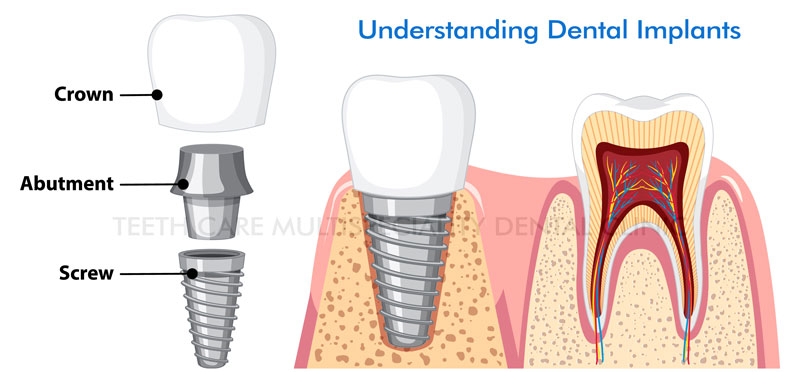
- Implant Placement: A small incision is made in the gum, and the implant is carefully placed into the jawbone.
- Healing (Osseointegration): This crucial phase takes several months, allowing the implant to fuse with the bone.
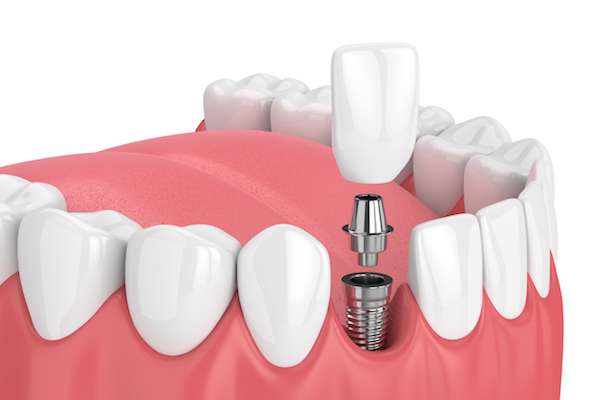
- Abutment Placement: Once healed, an abutment (connector) is attached to the implant.
- Crown Fitting: A custom-made crown, matching your natural teeth, is fitted onto the abutment.
Local Anesthesia and Pain Management
Local anesthesia ensures you shouldn’t feel pain during the surgery. Our experienced surgeons at Albania Dental Implants take every precaution to minimize discomfort. We also offer sedation options for anxious patients, making the experience as stress-free as possible. Some patients might need bone grafting in albania.
Is a Dental Implant Painful During the Procedure?
Cluster keyword: Dental implant pain during surgery
One of the biggest concerns for people considering dental implants is the fear of pain during the procedure. Rest assured, with modern techniques and anesthesia, most patients experience little to no pain during implant placement.
Reassurance: Little to No Pain During Surgery
Thanks to local anesthesia, you should feel little to no pain during the procedure. The area is thoroughly numbed to ensure your comfort. Many patients are surprised at how easy and painless the process is.
Addressing Common Fears: “Will I Feel Anything?”
It’s natural to wonder if you’ll feel anything despite the anesthesia. While you shouldn’t feel sharp pain, some patients report feeling pressure during the implant placement. This is a normal sensation and not a cause for concern.
Pressure vs. Sharp Pain: What to Expect
While some may feel pressure, it’s important to distinguish this from sharp pain. The pressure is a result of the implant being carefully placed into the jawbone, and it’s a temporary sensation. At Albania Dental Implants, we monitor your comfort throughout the procedure and adjust anesthesia as needed to ensure you remain comfortable.
What Does Dental Implant Pain Feel Like After Surgery?
Cluster keyword: Dental implant pain after surgery
While the procedure itself is generally painless, some discomfort is expected in the days following dental implant surgery. Understanding what to expect can help you manage the pain and ensure a smooth recovery.
Typical Post-Op Sensations: Soreness, Swelling, Mild Discomfort
After the anesthesia wears off, you may experience some soreness, swelling, and mild discomfort in the implant area. This is a normal part of the healing process and usually subsides within a few days.
Comparing to Tooth Extraction Pain (Usually Less Severe)
Many patients compare the discomfort after dental implant surgery to that of a tooth extraction, but generally find it to be less severe. Pain levels vary from person to person, but most people find the discomfort manageable with over-the-counter pain relief.
Pain Management with Over-the-Counter Painkillers
Over-the-counter painkillers like ibuprofen or acetaminophen are usually sufficient to manage post-operative pain. In some cases, your dentist may prescribe stronger pain medication. At Albania Dental Implants, we provide detailed aftercare instructions and pain management recommendations to ensure your comfort.
How Long Does Dental Implant Pain Last?
Cluster keyword: How long does dental implant pain last?
Knowing the expected duration of post-operative pain can help you prepare for the recovery period and avoid unnecessary anxiety. While everyone’s experience is different, there are general timelines to keep in mind.
Most Pain Subsides Within 3–7 Days
For most patients, the most intense pain subsides within the first 3–7 days after surgery. The initial 24-48 hours are typically the most uncomfortable, with a gradual improvement thereafter.
Swelling and Discomfort May Last Up to 2 Weeks
While the sharp pain should decrease within a week, some swelling and mild discomfort may persist for up to 2 weeks. Applying ice packs and following aftercare instructions can help minimize these symptoms.
Rare Cases of Prolonged Pain (When to See a Dentist)
In rare cases, some individuals may experience prolonged pain or discomfort. If your pain worsens after a week or doesn’t improve after two weeks, it’s important to see a dentist. This could indicate an infection or other complication. If you need additional support be sure to contact albania dental implants.
How to Reduce Pain After a Dental Implant
Cluster keyword: Dental implant aftercare
Following proper aftercare instructions is essential for minimizing pain and promoting healing after dental implant surgery. These simple steps can make a significant difference in your comfort level.
Tips: Painkillers, Ice Packs, Soft Foods, Avoid Smoking
- Use Prescribed Painkillers: Take pain medication as directed by your dentist.
- Apply Ice Packs: Apply ice packs to the cheek for 20 minutes at a time, several times a day, to reduce swelling.
- Eat Soft Foods: Stick to soft foods like yogurt, soup, and mashed potatoes to avoid irritating the implant area.
- Avoid Smoking: Smoking can impair healing and increase the risk of complications.
- Follow Aftercare Instructions: Carefully follow all instructions provided by your dentist, including rinsing with saltwater.
Importance of Oral Hygiene During Recovery
Maintaining good oral hygiene is crucial during the recovery period. Gently brush your teeth, avoiding the implant area, and rinse with a saltwater solution after meals. This helps prevent infection and promotes healing.
Dental Implant Side Effects and Risks
Cluster keyword: Dental implant side effects
Like any surgical procedure, dental implants carry some potential side effects and risks. Understanding these can help you make an informed decision and recognize any issues that may arise.
Common: Swelling, Bruising, Minor Bleeding
Common side effects include swelling, bruising, and minor bleeding around the implant site. These are usually temporary and resolve within a few days. Applying ice packs and following aftercare instructions can help manage these symptoms.
Rare: Infection, Nerve Damage, Implant Failure
Rare but more serious risks include infection, nerve damage, and implant failure. Infection can be treated with antibiotics, while nerve damage may cause temporary or permanent numbness. Implant failure occurs when the implant doesn’t fuse properly with the bone. Factors like smoking, poor oral hygiene, and certain medical conditions can increase the risk of these complications.
Reassurance: Complications Are Uncommon with Experienced Dentists
While complications are possible, they are uncommon, especially when the procedure is performed by an experienced dentist. Choosing a qualified and reputable dental practice like Albania Dental Implants can significantly reduce your risk of complications. We take every precaution to ensure a safe and successful procedure.
Is Dental Implant Surgery Safe in the UK?
Cluster keyword: Is dental implant surgery safe?
In the UK, dental implant surgery is considered safe when performed by qualified and registered dentists. There are regulations and standards to ensure patient safety and quality of care.
Overview of UK Regulations and Standards
The General Dental Council (GDC) regulates dentists in the UK and sets standards for dental education, training, and practice. Dentists must be registered with the GDC to practice legally. These regulations help ensure patient safety and quality of care.
Importance of Choosing a Qualified, Registered Dentist
Choosing a qualified and registered dentist is crucial for ensuring a safe and successful dental implant procedure. Look for a dentist with extensive experience in implant dentistry and a strong reputation. Check their GDC registration to confirm they are qualified to practice in the UK.
Success Rates and Patient Satisfaction
Dental implants have high success rates, with many studies reporting success rates of over 95%. Patient satisfaction is also high, with most individuals reporting significant improvements in their quality of life after receiving dental implants.
Dental Implant Recovery Time
Cluster keyword: Dental implant recovery time
Understanding the timeline for dental implant recovery can help you plan for the procedure and manage your expectations. The recovery process involves both initial healing and long-term osseointegration.
Timeline: 1–2 Weeks for Initial Healing, 3–6 Months for Osseointegration
The initial healing period typically lasts 1–2 weeks, during which time the gum tissue heals. Osseointegration, the process of the implant fusing with the bone, takes 3–6 months. During this time, it’s important to avoid putting excessive pressure on the implant.
When You Can Return to Normal Activities
Most people can return to normal activities within a few days after the initial surgery. However, it’s important to avoid strenuous activities for at least a week. Full osseointegration takes several months, after which you can resume all normal activities, including eating and speaking comfortably.
Dental Implant vs Bridge Pain: Which Is Less Painful?
Cluster keyword: Dental implant vs bridge pain
When considering tooth replacement options, it’s natural to wonder about the potential pain associated with each. Here’s a comparison of the pain levels, recovery, and long-term comfort of dental implants versus dental bridges.
Compare Pain Levels, Recovery, and Long-Term Comfort
Dental implants may have slightly more initial discomfort, but better long-term results. Bridges may require altering adjacent teeth, which can cause sensitivity. Implants also offer better long-term comfort as they function more like natural teeth.
Implants May Have Slightly More Initial Discomfort but Better Long-Term Results
While dental implant surgery involves a more invasive procedure, the long-term benefits often outweigh the initial discomfort. Once the implant has fully integrated with the bone, it provides a stable and comfortable foundation for a replacement tooth.
Dental Implant Cost in the UK
Cluster keyword: Dental implant cost UK
Understanding the costs associated with dental implants is an important part of the decision-making process. The price can vary depending on several factors, including the complexity of the case and the location of the clinic.
Average Price Range (Single Implant, Full Mouth)
The average price range for a single dental implant in the UK is £2,000 to £4,000. A full mouth of dental implants can cost anywhere from £10,000 to £50,000 or more. The cost of dental implants in albania may be more appealing. These are just estimates, be sure to get an accurate cost for dental implants.
Cost Varies by Clinic and Complexity
The cost of dental implants can vary depending on the clinic and the complexity of the case. Factors such as bone grafting, sinus lifts, and the type of crown used can all affect the final price. Our goal at Albania Dental Implants is to provide options that are both high-quality and accessible.
Pain Management Is Included in the Procedure
The cost of dental implants typically includes pain management during and after the procedure. This may include local anesthesia, sedation options, and pain medication. Be sure to discuss pain management options with your dentist to ensure you are comfortable throughout the process.
Alternatives to Dental Implants with Less Pain
Cluster keyword: Dental implant alternatives
If you’re concerned about the potential pain associated with dental implants, there are alternative tooth replacement options to consider. These may involve less initial discomfort, but they also have their own pros and cons.
Brief Overview of Bridges, Dentures, and Their Pain Levels
Bridges and dentures are two common alternatives to dental implants. Bridges involve anchoring a replacement tooth to adjacent teeth, while dentures are removable appliances that replace an entire arch of teeth. These options typically involve less initial discomfort than dental implants, but they may not be as stable or long-lasting.
Pros and Cons Compared to Implants
Bridges and dentures are less invasive and less expensive than dental implants, but they also have drawbacks. Bridges require altering adjacent teeth, which can weaken them. Dentures can be uncomfortable and may not provide the same level of stability as implants. Dental implants offer a permanent and stable solution, but they involve a more invasive procedure and a longer recovery period.
Frequently Asked Questions (FAQs)
Here, we’ll address some of the most common questions people have about pain and dental implants, providing clear and concise answers to help you make an informed decision.
Is Getting a Dental Implant Painful?
Most patients experience little to no pain during the dental implant procedure thanks to local anesthesia. Some discomfort is expected after the surgery, but it’s usually manageable with over-the-counter pain relievers.
Does the Dental Implant Procedure Hurt?
The dental implant procedure is generally not painful because local anesthesia is used to numb the area. You may feel some pressure during the implant placement, but it shouldn’t be sharp pain.
How Much Pain Is Normal After a Dental Implant?
Some soreness, swelling, and mild discomfort are normal after a dental implant. This usually subsides within a few days. If the pain worsens or persists for more than a week, see your dentist.
How Long Does Dental Implant Pain Last?
Most pain from dental implants subsides within 3–7 days. Swelling and discomfort may last up to 2 weeks. Rare cases of prolonged pain require dental attention.
What Can I Do to Reduce Pain After a Dental Implant?
To reduce pain after a dental implant, use prescribed painkillers, apply ice packs, eat soft foods, avoid smoking, and follow all aftercare instructions provided by your dentist.
Are There Any Risks or Side Effects of Dental Implants?
Common side effects include swelling, bruising, and minor bleeding. Rare risks include infection, nerve damage, and implant failure. Choosing an experienced dentist can minimize these risks.
Is Dental Implant Surgery Safe in the UK?
Dental implant surgery is generally safe in the UK when performed by qualified and registered dentists. The General Dental Council (GDC) regulates dentists and sets standards for dental education and practice.
How Does Dental Implant Pain Compare to Tooth Extraction?
Most patients find the pain after dental implant surgery to be similar to, or less severe than, the pain after a tooth extraction. Both procedures involve some discomfort, but it’s usually manageable with pain relief.
What Is the Recovery Time for Dental Implants?
The initial healing period for dental implants is 1–2 weeks. Full osseointegration, the process of the implant fusing with the bone, takes 3–6 months.
Are There Alternatives to Dental Implants with Less Pain?
Yes, alternatives to dental implants with less pain include bridges and dentures. However, these options may not be as stable or long-lasting as dental implants.
Conclusion
Dental implants are generally not painful during the procedure, and post-op pain is manageable. At Albania Dental Implants, we strive to provide a comfortable and stress-free experience. Most patients find the benefits outweigh the temporary discomfort. The dental tourism in albania can make the experience more affordable.
Ready to learn more? Book a consultation with a UK-registered dentist today. Let us help you restore your smile and confidence!





