



What Are the Latest Tooth Implant Techniques?
New dental implant techniques represent a significant leap forward compared to traditional methods. While conventional implant procedures often involve more invasive surgery and longer healing periods, modern approaches prioritize precision, efficiency, and patient comfort. One of the most exciting developments is the use of 3D guided dental implants.
Progression from Traditional to Modern Methods
Traditional dental implant placement relies heavily on the dentist’s experience and visual assessment during surgery. This can sometimes lead to inaccuracies in implant positioning, potentially affecting the final aesthetic and functional outcome. Modern techniques, however, leverage sophisticated technology to minimize these risks.
Introduction to 3D Imaging and Guided Placement Technology
3D imaging, such as cone-beam computed tomography (CBCT), allows dentists to create a highly detailed three-dimensional model of the patient’s jawbone and surrounding structures. This model is then used to plan the precise location, angle, and depth of the implant. Using this information, a custom surgical guide is created.
This guide fits over the patient’s teeth during surgery, ensuring that the implant is placed exactly as planned. This computer-guided implant placement offers several benefits:
- Improved Precision: The surgical guide ensures accurate implant placement, maximizing the chances of successful osseointegration (the fusion of the implant with the bone).
- Less Pain: Minimally invasive techniques, often used in conjunction with guided surgery, reduce trauma to the surrounding tissues.
- Faster Recovery: Smaller incisions and reduced tissue disruption lead to quicker healing and less post-operative discomfort.
What Is Flapless and Minimally Invasive Dental Implant Surgery?
Flapless dental implant surgery and minimally invasive dental implants represent a paradigm shift in how implants are placed. Traditional implant surgery typically involves making a large incision in the gum tissue (a “flap”) to expose the underlying bone. This allows the dentist to visualize the area and place the implant. However, this approach can lead to significant swelling, discomfort, and a longer recovery period.
Defining Flapless Procedures
In contrast, flapless surgery involves placing the implant through a small, precisely sized hole in the gum tissue. This is often guided by the surgical guide created from 3D imaging. The benefits are substantial:
- Less Swelling: Reduced trauma to the gum tissue means less post-operative swelling.
- Reduced Discomfort: Patients typically experience less pain after flapless surgery.
- Faster Healing: Smaller incisions heal much quicker.
Illustrating Patient Benefits
Flapless and minimally invasive techniques are particularly beneficial for patients seeking single tooth implants in albania or those who may be anxious about traditional surgical procedures. The reduced recovery time also allows patients to return to their normal activities sooner. At Albania Dental Implants, these advanced techniques are used to provide a more comfortable and efficient experience.
How Do Single Visit and Immediate Load Implants Work?
For those seeking a quicker solution, single visit dental implants and immediate load implants offer the possibility of receiving implants and crowns in a single appointment. This approach significantly reduces treatment time and improves the overall patient experience. However, it’s important to understand how these procedures work and who is a suitable candidate.
Describing Procedures with Same-Day Implants and Crowns
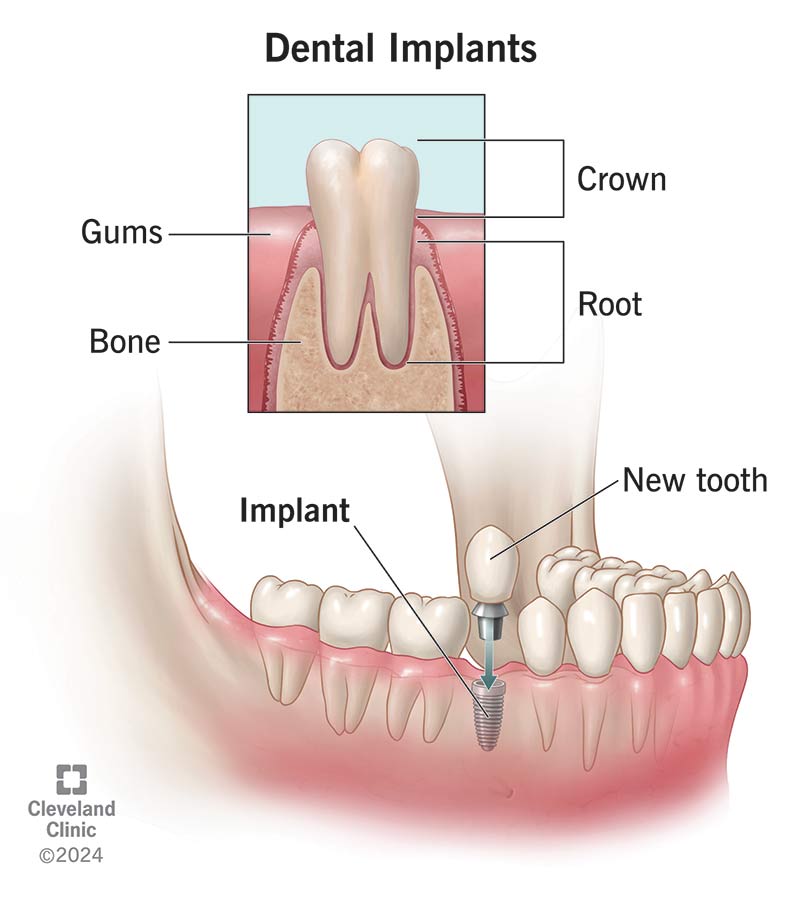
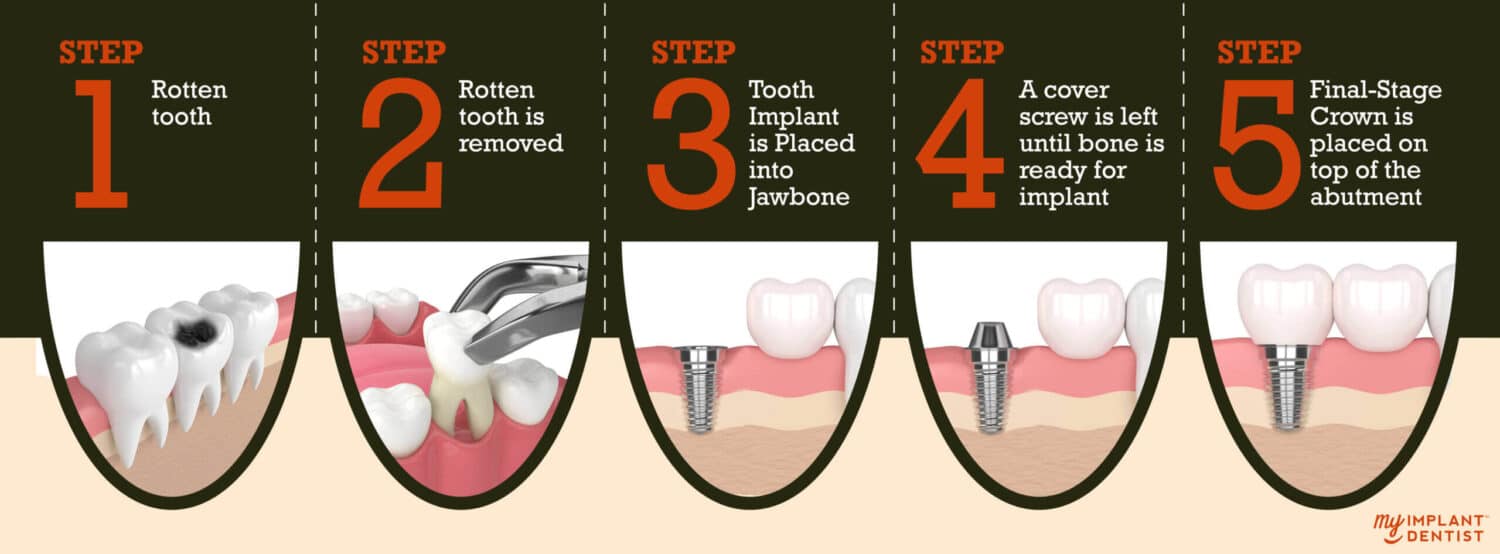
In a traditional implant procedure, the implant is placed, and then a healing period of several months is required to allow osseointegration to occur. During this time, the patient may wear a temporary restoration. With immediate load implants, a temporary crown is attached to the implant at the time of placement. This allows the patient to leave the dental clinic with a functional and aesthetically pleasing tooth on the same day.
Advantages for Patient Experience and Function
The primary advantages of single visit and immediate load implants include:
- Reduced Treatment Time: The entire process is completed in one visit, eliminating the need for multiple appointments and a lengthy healing period.
- Improved Aesthetics: Patients don’t have to go without a tooth while waiting for osseointegration.
- Enhanced Function: The temporary crown allows for immediate chewing function, although dietary restrictions may apply during the initial healing phase.
However, it is crucial to note that immediate load implants are not suitable for everyone. They require sufficient bone density and stability to support the immediate placement of a crown. A thorough evaluation is necessary to determine if a patient is a good candidate.
Who is suitable for single visit or minimally invasive implants?
The suitability for single visit or minimally invasive implants depends on several factors, making patient selection crucial for a successful outcome.
- Bone Density and Volume: Sufficient bone quantity and quality are essential to provide adequate initial stability for the implant. Patients with significant bone loss may require bone grafting in albania beforehand.
- Overall Health: Good general health is necessary, as certain medical conditions like uncontrolled diabetes or autoimmune diseases can compromise healing and osseointegration.
- Oral Hygiene: Patients must have excellent oral hygiene and be committed to maintaining it post-surgery to prevent infection and ensure the implant’s longevity.
What Role Does Computer-Guided Implant Placement Play?
Computer-guided implant placement represents a technological revolution in dental implantology. This method harnesses the power of digital planning, 3D scans, and surgical guides to achieve unparalleled accuracy and predictability in implant placement.
Technical Overview of Digital Planning and Surgical Guides
The process begins with a comprehensive digital assessment, typically involving a CBCT scan. This scan provides a detailed 3D image of the patient’s jawbone, teeth, and surrounding anatomical structures. Using specialized software, the dentist can then plan the ideal location, angle, and depth of the implant with remarkable precision.
Based on this digital plan, a custom surgical guide is fabricated. This guide is a template that fits over the patient’s teeth during surgery, directing the dentist to place the implant exactly as planned. The surgical guide ensures that the implant is placed in the optimal position to:
- Maximize contact with the bone
- Avoid critical anatomical structures, such as nerves and sinuses
- Achieve the best possible aesthetic and functional outcome
Comparison to Freehand Placement
Compared to traditional freehand placement, computer-guided surgery offers several advantages:
- Improved Accuracy: The surgical guide eliminates the guesswork involved in freehand placement, resulting in more precise implant positioning.
- Reduced Risk: By carefully planning the surgery in advance, the dentist can minimize the risk of damaging surrounding structures.
- Shorter Surgery Time: The use of a surgical guide streamlines the implant placement process, reducing the overall surgery time.
- Enhanced Osseointegration: Accurate implant placement promotes optimal contact between the implant and the bone, enhancing the chances of successful osseointegration.
This technology is crucial for ensuring that the dental implants cost in albania result in long-lasting, successful outcomes.
How do 3D guided and computer-assisted implants differ from traditional methods?
Traditional methods rely heavily on the dentist’s experience and visual assessment during surgery, which can lead to inaccuracies in implant placement.
- Accuracy: 3D guided and computer-assisted methods offer significantly higher precision due to the use of digital planning and surgical guides. This reduces the risk of implant misplacement and ensures optimal osseointegration.
- Invasiveness: Traditional methods often involve larger incisions and more tissue manipulation, leading to increased post-operative discomfort. Computer-assisted techniques allow for minimally invasive or flapless procedures, reducing trauma and promoting faster healing.
- Planning: Traditional methods rely on pre-operative X-rays and clinical examination, which provide limited information. 3D imaging and digital planning provide a detailed, three-dimensional view of the patient’s anatomy, enabling more precise and predictable implant placement.
Are There New Options for Full-Arch Restoration?
For patients who have lost all or most of their teeth in one or both jaws, all-on-4 implants offer a revolutionary solution. This innovative technique provides a fixed, stable, and aesthetically pleasing alternative to traditional dentures.
Explanation of the All-on-4 Concept
The All-on-4 concept involves placing just four dental implants in each jaw. These implants are strategically positioned to provide maximum support and stability for a full-arch restoration. The back implants are typically angled to take advantage of available bone, even in patients who have experienced some bone loss.
Once the implants are placed, a custom-designed bridge is attached, providing a complete set of new teeth that look and function like natural teeth.
Key Differences from Traditional Full-Mouth Implants
Compared to traditional full-mouth implants, All-on-4 offers several advantages:
- Fewer Implants: Using just four implants per arch reduces the complexity and cost of the procedure.
- Reduced Need for Bone Grafting: The angled placement of the implants often eliminates the need for bone grafting, a procedure that can add time and expense to the treatment.
- Faster Treatment Time: The All-on-4 procedure can often be completed in a single day, with the patient leaving the clinic with a functional set of teeth.
- Improved Stability: The fixed bridge provides excellent stability and support, allowing patients to eat, speak, and smile with confidence.
What is the All-on-4 implant solution and how does it work?
The All-on-4 implant solution is a revolutionary technique designed for patients who have lost most or all of their teeth in one or both jaws. It involves placing a full arch of teeth using just four dental implants per arch. Here’s how it works:
- Implant Placement: Four implants are strategically placed in the jawbone. The posterior implants are typically angled to maximize support and avoid anatomical structures like nerves and sinuses.
- Immediate Loading: A temporary set of teeth is attached to the implants on the same day of the surgery, allowing patients to leave the clinic with a functional and aesthetically pleasing smile.
- Final Restoration: After a healing period of several months, a permanent set of teeth is custom-made and attached to the implants, providing a stable and long-lasting solution.
Are the new methods more expensive than traditional implants?
The cost comparison between new and traditional implant methods can vary depending on several factors, including the complexity of the case, the materials used, and the dentist’s fees.
- Initial Costs: Advanced techniques like computer-guided surgery and immediate loading may have higher initial costs due to the technology and expertise involved.
- Long-Term Savings: Minimally invasive and flapless procedures may reduce the need for additional surgeries and bone grafting, potentially leading to long-term savings. Additionally, faster recovery times can result in reduced costs associated with time off work and post-operative care.
- Overall Value: While the initial investment may be higher, the increased precision, reduced risk, and improved patient experience offered by new methods can provide greater value in the long run.
What Should Patients Expect from New Tooth Implant Methods?
Patients considering modern tooth implant techniques can anticipate a more comfortable, efficient, and predictable experience. Understanding the expected recovery time, post-procedure care, and long-term success rates is crucial for making informed decisions.
Expected Recovery Time and Post-Procedure Care
Compared to traditional implant surgery, new methods often result in a significantly shorter recovery period. Minimally invasive techniques, such as flapless surgery, reduce trauma to the surrounding tissues, leading to less swelling, discomfort, and faster healing.
Post-procedure care typically involves:
- Taking prescribed medications, such as pain relievers and antibiotics
- Following a soft diet for the first few days
- Practicing good oral hygiene, including gentle brushing and rinsing with an antiseptic mouthwash
- Attending follow-up appointments to monitor healing and ensure proper osseointegration
Typical Risks and How They Are Reduced in Modern Techniques
While dental implants have a high success rate, there are potential risks involved, such as infection, nerve damage, and implant failure. However, modern techniques help minimize these risks:
- Computer-guided surgery: Reduces the risk of nerve damage by precisely planning the implant placement.
- Minimally invasive techniques: Lower the risk of infection by reducing tissue trauma.
- Thorough pre-operative assessment: Helps identify potential risk factors and allows for proper planning and preparation.
Overall, patients can expect a high success rate with modern tooth implant methods, particularly when performed by experienced and qualified professionals at clinics such as about Albania Dental Implants. The Albania Dental Implants Services are designed to provide the best possible care and outcomes.
What are the risks and failure rates for new methods compared to older ones?
The risks and failure rates associated with modern dental implant methods are generally lower compared to traditional techniques.
- Reduced Trauma: Minimally invasive and flapless surgeries lead to less tissue damage, reducing the risk of infection and post-operative complications.
- Higher Precision: Computer-guided implant placement enhances accuracy, minimizing the risk of nerve damage and ensuring optimal implant positioning.
- Improved Success Rates: Studies have shown that computer-guided and immediate loading techniques often result in higher success rates compared to traditional methods, particularly in complex cases.
While new methods offer several advantages, it’s important to note that they are not without potential risks. Complications such as infection, nerve damage, and implant failure can still occur, but the likelihood is generally lower compared to older techniques.
How long does recovery take with new tooth implant techniques?
The recovery time with new tooth implant techniques is typically shorter compared to traditional methods. Minimally invasive and flapless procedures reduce trauma to the surrounding tissues, leading to faster healing and less post-operative discomfort.
- Immediate Post-Op (1-3 Days): Patients may experience some swelling, bruising, and discomfort, which can be managed with pain medication. Soft foods are recommended during this time.
- First Week: Swelling and discomfort should gradually subside. Gentle brushing and rinsing with an antiseptic mouthwash are essential to prevent infection.
- Several Weeks: Osseointegration (the fusion of the implant with the bone) begins. Patients should avoid hard or chewy foods that could put stress on the implant.
- Several Months: The implant fully integrates with the bone, and the final restoration (crown, bridge, or denture) is placed.
How do I prepare for a modern dental implant procedure?
Preparing for a modern dental implant procedure involves several steps to ensure a smooth and successful experience.
- Consultation and Evaluation: A thorough examination, including 3D imaging, is conducted to assess your bone density, overall health, and suitability for dental implants.
- Treatment Planning: A customized treatment plan is developed based on your individual needs and preferences, including the type of implant, placement technique, and restoration.
- Pre-Operative Instructions: You will receive detailed instructions on what to do before surgery, such as avoiding certain medications, fasting, and arranging transportation.
- Day of Surgery: On the day of surgery, the dentist will administer local anesthesia or sedation to ensure your comfort. The implant is then placed according to the treatment plan.
By following these steps and working closely with your dental team, you can maximize your chances of a successful and comfortable dental implant procedure with contact albania dental implants.
Conclusion
Modern tooth implant methods represent a significant advancement in dental technology, offering patients a more comfortable, efficient, and predictable way to restore their smiles. From 3D guided surgery to immediate load implants, these techniques prioritize precision, minimize invasiveness, and reduce recovery time.
If you’re considering dental implants, it’s essential to consult with a qualified and experienced dentist who can assess your individual needs and recommend the most appropriate treatment plan. Albania Dental Implants is at the forefront of dental innovation, offering a range of advanced implant solutions to help you achieve a healthy, beautiful, and confident smile. Contact us today to schedule a consultation and learn more about how modern tooth implant methods can transform your life.





