



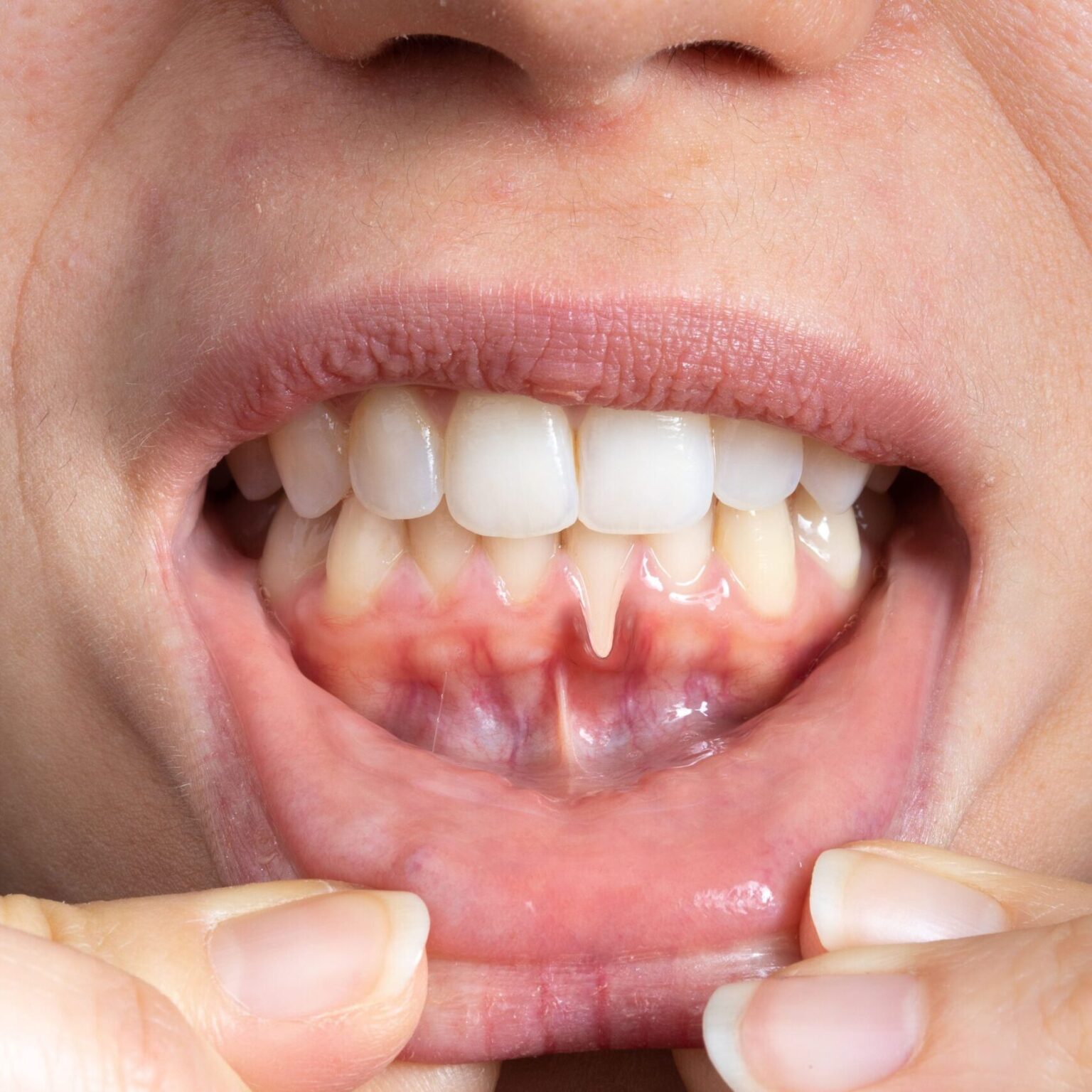

Can I get implants with receding gums? This is a common concern for individuals experiencing gum recession who are looking for a permanent solution to missing teeth. Gum recession, while a common dental issue, can raise questions about the suitability for dental implants. Understanding the factors involved and the potential treatments available is crucial for making an informed decision.
Understanding Gum Recession and Dental Implants
(Cluster: dental implants and gum recession | receding gums and tooth loss)
Gum recession is a condition where the margin of the gum tissue that surrounds the teeth pulls back, exposing more of the tooth or the tooth’s root. This can lead to increased sensitivity, an increased risk of decay, and eventually, tooth loss. Several factors can cause receding gums, including periodontal disease, aggressive brushing, genetics, and ageing.
How Gum Health Affects Dental Implant Suitability
Generally, good gum health is crucial for the success of dental implants. Implants require a stable and healthy foundation of bone and gum tissue to ensure proper integration and long-term stability. Without adequate gum tissue, the implant may be more susceptible to infection, failure, and aesthetic issues.
The Impact of Receding Gums on Tooth Stability and Jawbone Health
Receding gums can compromise the stability of existing teeth and the jawbone. When gums recede, the supporting bone structure can also deteriorate, leading to bone loss. This bone loss can significantly affect the ability to place and support dental implants successfully. Addressing gum recession is crucial for maintaining overall oral health and ensuring the long-term success of dental implants. At Albania Dental Implants, we understand that a healthy foundation is key to a successful and lasting smile, which is why we prioritize thorough evaluations and personalized treatment plans.
Am I a Candidate? – Factors Affecting Implant Success
(Cluster: success rate of implants with receding gums | best implants for receding gums)
Even with receding gums, dental implants may still be a viable option, but it largely depends on the severity of the recession and the overall health of your jawbone. Several factors determine whether someone with receding gums can successfully receive dental implants.
Conditions for Implant Candidacy with Receding Gums
The extent of the gum recession is a primary factor. If the recession is mild and there is still sufficient bone density, implants may be possible. Another key consideration is the remaining gum tissue and whether it can be augmented through grafting procedures. The health and position of the remaining teeth also play a crucial role, as they can affect the overall stability and bite.
The Role of Jawbone Density, Gum Tissue, and Remaining Teeth
Jawbone density is paramount for implant success. Implants require adequate bone to fuse with through a process called osseointegration. If bone loss has occurred due to gum recession, a bone graft may be necessary. The amount and quality of remaining gum tissue are also important, as they affect the aesthetic outcome and protect the implant from infection. The stability and alignment of remaining teeth influence the bite and overall function of the implant. At Albania Dental Implants, we meticulously assess these factors to determine the best course of action and ensure the highest chance of success. Our team of experts are skilled in implantology in Albania and use advanced techniques to provide exceptional results.
Treating Receding Gums Before Dental Implant Placement
(Cluster: treating gums before implants | periodontist consultation for implants)
Addressing receding gums before dental implant placement is critical for improving the chances of a successful and long-lasting outcome. Several treatment options can help restore gum health and provide a stable foundation for implants.
Pre-Implant Treatment Options
One common treatment is gum grafting, where tissue is taken from another area of the mouth or a donor and surgically attached to the receded area. This helps to restore the gum line and provide additional protection for the tooth and implant. Periodontal therapy, including scaling and root planing, can also be used to remove plaque and tartar, reducing inflammation and promoting gum healing.
When is a Periodontist’s Assessment Required?
A periodontist’s assessment is essential when the gum recession is severe, or there are signs of advanced periodontal disease. Periodontists specialize in treating gum-related issues and can provide a comprehensive evaluation of the gums, bone, and overall oral health. They can also perform specialized procedures like gum grafting and bone grafting to prepare the mouth for dental implants. Consulting with a periodontist ensures that you receive the most appropriate and effective treatment plan tailored to your specific needs. If you are searching for a trusted specialists, contact Albania Dental Implants for a periodontist consultation for implants. We can assess your situation and make recommendations.
Special Procedures – Bone Grafting and Soft-Tissue Grafting
(Cluster: bone graft for dental implants)
Bone loss often accompanies receding gums, making it necessary to consider bone grafting as part of the dental implant process. Similarly, soft-tissue grafting can enhance the outcome and longevity of implants in areas with gum recession.
Why Bone Loss Occurs with Receding Gums
When gums recede, the underlying bone that supports the teeth can also deteriorate. This bone loss can result from chronic inflammation, infection, or simply the lack of stimulation that bone receives from the tooth. Without adequate bone, dental implants cannot properly integrate, leading to potential failure.
Bone Graft Procedures to Improve Implant Outcomes
Bone grafting involves transplanting bone tissue to the area where bone loss has occurred. The bone can be taken from another part of the patient’s body (autograft), from a donor (allograft), or from synthetic materials. The graft is placed in the deficient area, and over time, it integrates with the existing bone, creating a solid foundation for the dental implant. A sinus lift in Albania is a specific type of bone graft often required for upper molar implants. This procedure increases bone height in the upper jaw, making implant placement possible.
Soft-Tissue Grafting Procedures to Improve Implant Outcomes
Soft-tissue grafting, also known as gum grafting, involves transplanting gum tissue to areas where recession has occurred. This helps to restore the gum line, protect the tooth and implant from infection, and improve the aesthetic outcome. Soft-tissue grafts can be taken from the palate (roof of the mouth) or from donor tissue. These grafts are meticulously attached to the deficient area, providing additional support and a more natural appearance. Combining bone and soft-tissue grafting ensures a stable, healthy, and aesthetically pleasing result for dental implants. Our team at Albania Dental Implants are skilled in both bone grafting in Albania and soft tissue grafting, ensuring your dental implants have the best possible foundation.
Alternatives and Risks if You Have Receding Gums
(Cluster: alternatives to implants with gum issues)
While dental implants are an excellent solution for many, they may not always be the best option for individuals with significant gum recession. Exploring alternative treatments and understanding the risks associated with proceeding without addressing gum recession is essential.
Presenting Alternatives to Implants
Several alternatives to dental implants can restore function and aesthetics for those with gum recession. These include:
- Dental Bridges: These involve anchoring a false tooth (pontic) to adjacent natural teeth.
- Partial Dentures: Removable appliances that replace one or more missing teeth.
- Stabilizing Remaining Teeth: In some cases, focusing on preserving and stabilizing existing teeth with treatments like crowns and periodontal therapy can be a viable option.
Potential Risks of Proceeding with Implants Without Addressing Gum Recession
Proceeding with dental implants without addressing gum recession can lead to several risks, including:
- Implant Failure: Inadequate bone and gum support can cause the implant to fail to integrate properly.
- Infection: Exposed implant surfaces due to gum recession can increase the risk of bacterial infection.
- Aesthetic Issues: Gum recession can result in an unnatural appearance, with visible implant components and uneven gum lines.
- Peri-implantitis: Inflammation and bone loss around the implant, which can lead to implant failure if left untreated.
It’s crucial to weigh these risks and consider alternative options or pre-implant treatments to ensure the long-term success and health of your dental restoration. At Albania Dental Implants, we prioritize a comprehensive approach, ensuring all potential risks are mitigated before proceeding with any treatment.
Costs and Long-Term Prognosis for Implants in Receding Gums
(Cluster: cost of implants for receding gums | success rate of implants with receding gums)
The cost of dental implants for patients with receding gums can vary, depending on the need for additional procedures such as bone grafting or gum grafting. Understanding the long-term outlook for these implants is also essential.
Discussing Typical Costs and Extra Procedures
The typical cost of dental implants can range from £1,500 to £4,000 per implant in the UK, but this can increase significantly if bone grafting or soft tissue grafting is required. Bone grafting can add between £500 to £3,000 per site, while gum grafting can cost between £600 to £2,000 per tooth. These additional procedures are necessary to ensure the implant has a stable and healthy foundation. Choosing dental tourism in Albania can be a cost-effective alternative.
Long-Term Outlook for Implants in Patients with Gum Recession History
The long-term prognosis for dental implants in patients with a history of gum recession can be good with proper care and maintenance. Regular dental check-ups, professional cleanings, and good oral hygiene practices are essential for preventing future gum recession and maintaining the health of the implant. The success rate for implants in these patients can be comparable to those without gum recession, provided that the pre-implant treatments are successful and the patient is committed to long-term maintenance. Investing in quality care and diligent maintenance ensures a lasting and functional dental restoration. At Albania Dental Implants, we provide detailed aftercare instructions and support to ensure the long-term success of your implants.
Consultation and Next Steps
(Cluster: periodontist consultation for implants)
The first step toward determining if you are a candidate for dental implants with receding gums is to consult with a qualified dentist or periodontist. Here’s what you can expect during the consultation and evaluation process.
The Process of Consulting a Dentist or Periodontist
During the initial consultation, the dentist or periodontist will review your medical and dental history, conduct a thorough oral examination, and assess the extent of the gum recession. They will also evaluate the health of your remaining teeth, jawbone density, and overall oral hygiene.
What to Expect During Evaluation and Imaging
The evaluation typically involves taking X-rays or a cone-beam computed tomography (CBCT) scan to assess the bone structure and identify any underlying issues. The dentist may also take impressions of your teeth to create models for treatment planning. Based on the evaluation, the dentist will develop a personalized treatment plan, which may include pre-implant treatments like gum grafting or bone grafting, followed by implant placement and restoration. Open communication and careful planning are essential for achieving the best possible outcome. At Albania Dental Implants, we pride ourselves on transparent consultations and comprehensive evaluations, ensuring you are fully informed and comfortable with your treatment plan.
Frequently Asked Questions (FAQs)
Can anyone with receding gums get implants?
Not necessarily. The severity of the gum recession and the amount of bone loss are key factors. A thorough evaluation by a dentist or periodontist is necessary to determine if you are a suitable candidate. If there is significant bone loss, procedures like bone grafting may be required before implants can be placed.
Do implants prevent further gum recession?
Implants themselves do not prevent gum recession. Good oral hygiene and regular dental check-ups are essential for preventing further recession. In some cases, proper implant placement and restoration can help to support the surrounding gum tissue, but they do not guarantee prevention of future recession.
How long must I wait after gum treatment before getting implants?
The waiting period after gum treatment before getting implants varies depending on the type and extent of the treatment. Gum grafting may require several months of healing before implants can be placed. Your dentist or periodontist will advise on the appropriate waiting period based on your specific needs.
Are dental implants permanent solutions for gum recession?
Dental implants are a permanent solution for missing teeth, but they do not directly address gum recession. Additional procedures like gum grafting may be needed to restore the gum line and protect the implant from future recession.
What is the success rate for dental implants in patients with past gum problems?
The success rate for dental implants in patients with past gum problems can be high with proper pre-implant treatments and diligent maintenance. Studies show that with adequate bone and soft tissue support, implants can have a success rate of over 90% in these patients.
Conclusion
Receiving dental implants with receding gums is possible, but it requires careful assessment, potential pre-implant therapies, and a commitment to long-term maintenance. Gum and bone health are crucial for implant success, and procedures like gum grafting and bone grafting may be necessary to provide a stable foundation. Consulting with a skilled dentist or periodontist is essential for determining the best course of action and achieving a successful and lasting result. If you are considering dental implants in Albania, contact us today for a consultation.





