



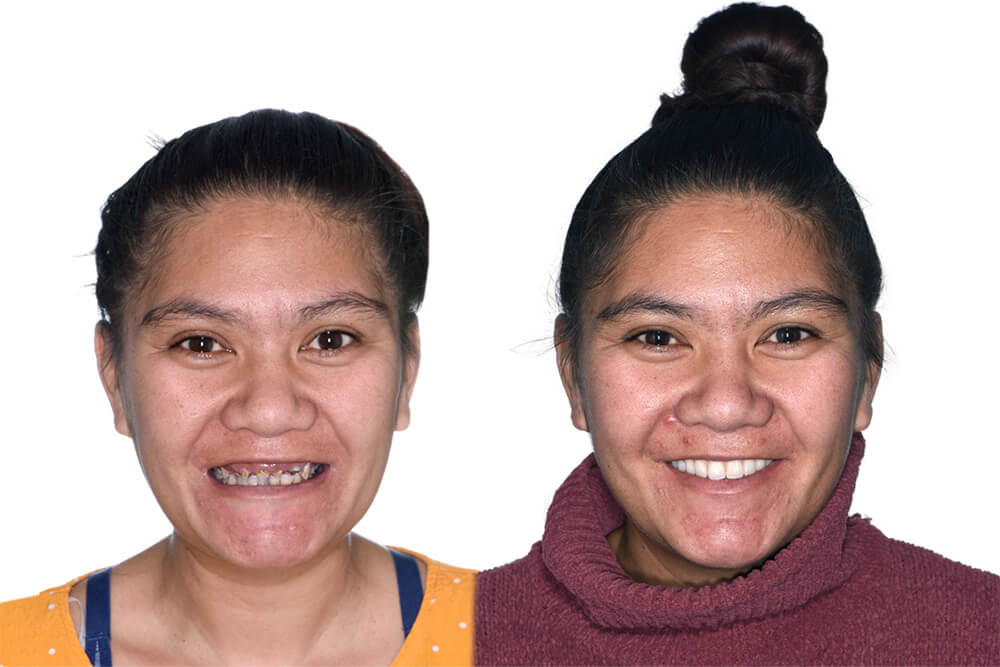

Can you get a dental implant later in life? Many people wonder about their eligibility for dental implants as they age, particularly regarding their overall health, life expectancy, and the potential success of the procedure. Fortunately, dental implants are increasingly common and successfully performed on older adults, offering a long-term solution for missing teeth and improved quality of life.
Understanding Dental Implants in Later Life
Let’s explore dental implants for seniors, including if there are age restrictions for dental implants. Dental implants are not just for the young; they offer a robust solution to tooth loss, enhancing both oral health and quality of life for people well into their later years.
What is a Dental Implant?
A dental implant is a small titanium screw that is surgically inserted into the jawbone to act as a replacement for the root of a missing tooth. Once the implant has fused with the bone (a process called osseointegration), a replacement tooth, or crown, is attached to the implant, providing a stable and long-lasting solution.
Are There Age Limits for Getting Dental Implants?
Contrary to popular belief, there is generally no upper age limit for receiving dental implants. The primary factor determining candidacy isn’t age but overall health. Older adults in good health can be excellent candidates for dental implants. As long as you have sufficient bone density in the jaw and no uncontrolled chronic diseases, age should not be a barrier.
Common Reasons for Dental Implants in Older Adults
Older adults often seek dental implants to address various issues, including:
- Tooth Loss: Due to decay, gum disease, or injury.
- Difficulty Chewing: Which impacts nutrition and overall health.
- Denture Instability: Implants can provide a secure base for dentures, improving comfort and function.
- Improved Aesthetics: Boosting confidence and self-esteem.
The Growing Popularity and Success Rates in Seniors
The popularity of dental implants among seniors is on the rise, with success rates remaining consistently high. A study published in the British Dental Journal highlighted that dental implant success rates in older patients are comparable to those in younger patients, provided that careful planning and maintenance are in place. As dental technology advances and more people retain their natural teeth longer, the need for reliable tooth replacement options grows, making implants an increasingly attractive choice.
Who is Eligible for Dental Implants as an Older Adult?
Not everyone is a suitable candidate for dental implants. Key factors determining dental implant eligibility, including bone density for implants and health considerations for dental implants, must be assessed before proceeding.
Required Health Conditions for Implants
Good overall health is crucial for the success of dental implants. Ideal candidates should:
- Have a healthy immune system.
- Be free from uncontrolled chronic diseases.
- Not be heavy smokers.
Importance of Bone Density and Jaw Health
Sufficient bone density in the jaw is essential to support the dental implant. If there is significant bone loss, a bone grafting procedure may be necessary to build up the bone before the implant can be placed. Jaw health also involves ensuring there are no active infections or other oral health issues that could compromise the implant’s success.
How Existing Medical Conditions Affect Implant Suitability
Existing medical conditions like osteoporosis, diabetes, and heart issues can impact implant suitability.
- Osteoporosis: Can reduce bone density, affecting implant stability. However, with proper management and sometimes bone-strengthening medication, implants can still be viable.
- Diabetes: Uncontrolled diabetes can impair healing. Good glycemic control is necessary for successful implant integration.
- Heart Issues: Certain heart conditions may require adjustments to the surgical procedure or medication management to ensure safety.
Consultation and Evaluation Process for Seniors
The consultation and evaluation process is crucial for determining eligibility. It typically involves:
- Comprehensive Medical History: Review of all health conditions and medications.
- Oral Examination: Assessment of teeth, gums, and jaw.
- Imaging: X-rays or CT scans to evaluate bone density and identify any potential issues.
- Discussion of Treatment Options: A personalised plan tailored to your specific needs and health status.
If you’re considering dental implants, contact Albania Dental Implants to schedule a consultation. We can help you determine if dental implants are a suitable treatment option for you.
Benefits of Dental Implants for Older Adults
Dental implants offer a wide array of benefits dental implants elderly can enjoy. They improve chewing, speech, and nutrition, as well as offering psychological and social advantages.
Improvements in Chewing, Speech, and Nutrition
One of the most significant advantages of dental implants is the restoration of proper chewing function. Unlike dentures, which can sometimes slip or limit the types of food you can eat, dental implants are firmly anchored in the jaw, allowing you to enjoy a wide range of foods without discomfort. This improvement in chewing ability can lead to better nutrition and overall health. Additionally, dental implants can enhance speech clarity, as missing teeth or ill-fitting dentures can sometimes cause difficulties with pronunciation.
Psychological and Social Benefits
Missing teeth can have a profound impact on self-esteem and social interactions. Dental implants can restore your smile, boosting confidence and improving your overall sense of well-being. Many older adults report feeling more comfortable and confident in social situations after receiving dental implants, leading to a more active and fulfilling lifestyle.
Comparison: Dental Implants vs Dentures for Seniors
When considering tooth replacement options, it’s helpful to compare dental implants vs dentures for seniors:
- Stability: Dental implants are fixed in place, providing superior stability compared to dentures, which can sometimes slip or move.
- Comfort: Implants are generally more comfortable than dentures, as they don’t put pressure on the gums.
- Maintenance: Implants require the same care as natural teeth (brushing, flossing, regular check-ups), while dentures require special cleaning and soaking.
- Long-Term Health: Implants help preserve bone density in the jaw, preventing bone loss that can occur with dentures.
Long-Term Health Impact
Beyond the immediate benefits, dental implants have a positive long-term impact on overall health. By restoring proper chewing function, implants support better nutrition. Furthermore, maintaining good oral health through implants can reduce the risk of systemic diseases, such as cardiovascular disease and diabetes, which have been linked to poor oral hygiene. The benefits of dental implants go beyond just a pretty smile; they contribute to a healthier and more vibrant life.
Potential Risks and Considerations
While dental implants are generally safe, it’s essential to be aware of the potential dental implant risks elderly patients might face, including surgical risks and complications that can arise in older adults.
Surgical and Healing Risks in Older Patients
Older patients may face increased surgical risks due to age-related factors such as:
- Slower Healing: The body’s natural healing processes may take longer.
- Increased Risk of Infection: The immune system may be less robust.
- Complications from Anesthesia: Older adults may be more susceptible to side effects.
Medication Interactions and Chronic Disease Management
Careful management of medications and chronic diseases is crucial for successful implant outcomes. Certain medications, such as blood thinners or immunosuppressants, can affect healing. Chronic conditions like diabetes and heart disease need to be well-controlled to minimise the risk of complications. Your dentist will work closely with your physician to ensure your health is optimised before proceeding with the implant procedure.
Recovery Time: Expectations for Seniors
The recovery time for seniors can vary depending on individual health factors and the complexity of the procedure. Generally, it involves:
- Initial Healing: A few days of rest, pain management with medication, and a soft food diet.
- Osseointegration: This process, where the implant fuses with the bone, can take several months.
- Follow-Up Appointments: Regular check-ups to monitor healing and ensure the implant is stable.
Aftercare and Long-Term Maintenance
Proper aftercare and long-term maintenance are essential for the success of dental implants. This includes:
- Good Oral Hygiene: Brushing, flossing, and using interdental brushes to clean around the implant.
- Regular Dental Check-Ups: Professional cleanings and examinations to monitor implant health.
- Avoiding Harmful Habits: Such as smoking or chewing hard objects, which can damage the implant.
The Implant Procedure: What to Expect for Older Adults
Understanding the dental implant process elderly patients can expect helps to ease any anxieties. From the initial assessment to the follow-up steps, here’s what you need to know.
Initial Assessment (Imaging, Medical Review)
The first step is a thorough initial assessment, which includes:
- Imaging: X-rays and CT scans to assess bone density and identify the best location for the implant.
- Medical Review: A review of your medical history and current health status to identify any potential risks.
- Discussion: A discussion of your goals and expectations for the implant procedure.
Procedure Overview: Stages in Older Adults
The implant procedure typically involves several stages:
- Implant Placement: The dental implant is surgically inserted into the jawbone. This is usually done under local anaesthesia.
- Healing Period: A period of several months is required for osseointegration, where the implant fuses with the bone.
- Abutment Placement: Once the implant is stable, an abutment (a connector) is attached to the implant.
- Crown Placement: Finally, a custom-made crown is attached to the abutment, completing the tooth replacement.
Healing, Osseointegration, and Follow-Up Steps
Healing and osseointegration are critical to the success of the implant. Follow-up steps include:
- Monitoring: Regular check-ups to monitor the healing process and ensure the implant is integrating properly.
- Adjustments: Adjustments to the crown or abutment may be necessary to ensure a comfortable fit.
- Maintenance: Ongoing maintenance to keep the implant clean and healthy.
Tips for a Smoother Recovery as You Age
To ensure a smoother recovery, consider these tips:
- Follow Post-Operative Instructions: Adhere to all instructions provided by your dentist.
- Maintain Good Oral Hygiene: Gently clean around the implant site to prevent infection.
- Eat Soft Foods: Avoid hard or crunchy foods that could irritate the implant site.
- Attend Follow-Up Appointments: Keep all scheduled appointments to monitor your progress.
Frequently Asked Questions (FAQ)
Can you get a dental implant later in life?
Yes, you absolutely can! There’s generally no upper age limit for getting dental implants. As long as you’re in good overall health and have sufficient bone density, you can be a great candidate for dental implants, regardless of your age.
Is there an upper age limit for dental implants?
No, there isn’t a strict upper age limit. What matters more than age is your overall health, bone density, and commitment to maintaining good oral hygiene.
Does bone loss prevent dental implants in seniors?
Bone loss can be a concern, but it doesn’t necessarily prevent dental implants. Bone grafting procedures can be performed to build up the bone density in your jaw, making you a suitable candidate for implants.
How safe are dental implants for older adults with chronic diseases?
Dental implants are generally safe for older adults with chronic diseases, provided that these conditions are well-managed. Your dentist will work closely with your physician to ensure your health is optimised before proceeding with the implant procedure.
Are dental implants more successful in younger people?
While younger people may heal faster, dental implant success rates are comparable between younger and older patients, assuming both groups maintain good oral hygiene and follow post-operative instructions.
How long does an implant last for older patients?
With proper care and maintenance, dental implants can last a lifetime. Regular dental check-ups and good oral hygiene practices are essential for ensuring the longevity of your implants.
Are there alternatives to implants for older adults?
Yes, alternatives include dentures and bridges. However, implants offer superior stability, comfort, and long-term oral health benefits compared to these options. Consider exploring alternative options to dental implants.
What makes someone unsuitable for dental implants?
Unsuitable candidates typically have uncontrolled chronic diseases, severe bone loss that cannot be corrected with grafting, active infections in the jaw, or are heavy smokers who are unwilling to quit.
Cost and Accessibility for Seniors
Understanding the dental implant cost UK seniors can expect, alongside available funding and comparison between private and NHS options, is crucial for making informed decisions.
Typical Costs for Dental Implants in Older Adults (Focus UK)
The cost of dental implants in the UK can vary widely depending on several factors, including the number of implants needed, the type of implant, and the location of the clinic. On average, a single dental implant in the UK can range from £2,000 to £4,000. For a full mouth restoration with implants, the cost can range from £10,000 to £30,000 or more. For more detailed information on cost, consider exploring dental tourism in Albania.
- Single Implant: £2,000 – £4,000
- Implant-Supported Bridge (Multiple Teeth): £6,000 – £12,000
- Full Mouth Restoration: £10,000 – £30,000+
Is NHS Funding Available for Dental Implants in Seniors?
NHS funding for dental implants is limited and typically only available in cases of medical necessity, such as when tooth loss is the result of trauma, cancer treatment, or certain congenital conditions. To determine if you qualify for NHS funding, you’ll need to undergo a thorough assessment by an NHS dentist.
How Do Private Clinics Compare?
Private dental clinics offer a wider range of implant options and often provide more personalised care. However, the cost of treatment at private clinics is generally higher than at NHS facilities. When choosing a private clinic, consider factors such as:
- Experience and Qualifications: Look for dentists with extensive experience in implant dentistry.
- Technology and Equipment: Ensure the clinic uses advanced technology for accurate diagnosis and treatment.
- Patient Reviews and Testimonials: Read reviews from other patients to gauge the quality of care.
- Payment Options: Check if the clinic offers financing or payment plans to make treatment more affordable.
Practical Next Steps for Older Adults Considering Dental Implants
For older adults preparing for dental implants, here’s how to select the right dental clinic, what questions to ask your dentist, and how to prepare for assessment and surgery.
How to Select the Right Dental Clinic
Choosing the right dental clinic is crucial for a successful outcome. Consider the following factors:
- Specialisation: Look for clinics specialising in dental implants and restorative dentistry.
- Accreditation: Ensure the clinic is accredited and adheres to high standards of care.
- Technology: Check if the clinic uses advanced imaging and implant technologies.
- Location and Accessibility: Choose a clinic that is conveniently located and accessible.
What to Ask Your Dentist if You’re an Older Adult
When consulting with your dentist, be sure to ask:
- Am I a good candidate for dental implants given my health conditions?
- What are the potential risks and complications associated with implants for someone my age?
- What is the long-term success rate of implants in older adults?
- What aftercare and maintenance will be required to ensure the longevity of the implants?
- What are the costs involved, and are there any financing options available?
Steps to Prepare for Assessment and Surgery
To prepare for your assessment and surgery:
- Gather Medical Records: Collect all relevant medical records, including a list of medications.
- Follow Pre-Operative Instructions: Adhere to any dietary restrictions or medication adjustments recommended by your dentist.
- Arrange Transportation: Ensure you have someone to drive you to and from the surgery.
- Prepare Your Home: Stock up on soft foods and pain relievers to make your recovery as comfortable as possible.
Conclusion
In conclusion, dental implants are often a viable and highly successful option for older adults seeking to restore their smiles and improve their quality of life. While age is not a barrier, it’s essential to consider your overall health, bone density, and commitment to maintaining good oral hygiene.
We encourage you to consult with a qualified dentist or implantologist to discuss your specific needs and determine the best course of action. With proper planning, care, and maintenance, dental implants can provide a long-lasting and transformative solution for missing teeth, enabling you to enjoy a healthier, more confident, and fulfilling life.





