




Who can get dental implants paid by NHS? For many people in the UK, understanding eligibility for NHS-funded dental implants is critical when considering dental treatment options.
NHS Dental Implants Eligibility Criteria
Navigating the world of NHS dental care can be complex, especially when considering advanced treatments like dental implants. The key related keywords here are NHS dental implants eligibility and NHS dental implant funding criteria. Unlike some other treatments, dental implants aren’t routinely offered, so understanding the specific criteria is crucial.
NHS Criteria for Dental Implant Funding
The NHS generally funds dental implants only when there’s a clear medical necessity. This means the need for implants must arise from specific circumstances beyond routine tooth loss or cosmetic concerns. Cases often considered include:
- Trauma: Significant facial injury resulting in tooth loss.
- Congenital Conditions: Inherited conditions leading to missing teeth (e.g., hypodontia).
- Cancer Treatment: Tooth loss as a direct result of cancer surgery or radiation therapy.
- Failed Conventional Dentures: Situations where traditional dentures are simply not a viable solution due to anatomical reasons or significant discomfort.
It’s important to note that even within these categories, funding isn’t guaranteed. Each case is assessed individually.
Referral Process and Specialist Assessments
If you believe you meet the initial criteria, the first step is usually a visit to your general NHS dentist. They will assess your oral health and determine if a referral to a specialist is warranted. If you need to contact albania dental implants, be sure to have your referral information available. The specialist will conduct a more in-depth evaluation, which may include x-rays and other diagnostic tests. This assessment aims to determine the suitability of dental implants and the overall feasibility of NHS funding.
Documentation or Evidence Required from a Dental Professional
To support your application, it’s essential to gather relevant documentation from your dental professional. This might include:
- Detailed dental records outlining your history of tooth loss.
- X-rays and scans illustrating the condition of your jawbone and surrounding tissues.
- A letter of support from your dentist or specialist explaining the medical necessity of dental implants in your specific case.
Having this documentation readily available can significantly strengthen your case for NHS funding.
What Types of Dental Cases Qualify for NHS Implants?
Delving deeper into the question of NHS dental treatment options and NHS dental implant funding criteria, it’s important to understand which specific dental cases are more likely to qualify for NHS-funded implants. The NHS prioritizes cases where implants are essential for restoring function and quality of life due to medical reasons, not merely for aesthetic improvements.
Medical Scenarios That May Qualify
While each case is assessed individually, certain medical scenarios are more likely to be considered for NHS funding. These include:
- Accidental Tooth Loss: If you’ve experienced significant tooth loss due to an accident or trauma, the NHS may consider implants to restore your bite and facial structure.
- Congenital Absence of Teeth (Hypodontia): Individuals born without certain teeth may be eligible for implants to address functional and developmental issues.
- Oral Cancer Survivors: Patients who have undergone surgery or radiation therapy for oral cancer may require implants to reconstruct their mouths and restore their ability to eat and speak properly.
- Severe Cases of Periodontal Disease: In rare instances, if gum disease has led to extensive tooth loss and significantly impairs oral function, implants may be considered.
- Failed Root Canal or Aborted Root Canal Treatment: A molar tooth implant can help to properly place a tooth and to give it a secure and comfortable spot.
If dentures or bridges are sufficient in your case, they will likely be recommended instead of NHS dental implants.
Exceptions and Regional Variations in Funding
It’s important to be aware that there can be exceptions and regional variations in NHS funding for dental implants. Funding decisions are often made on a case-by-case basis, and the specific criteria may vary slightly depending on the local Clinical Commissioning Group (CCG) or NHS board. Some regions may have stricter budgets or prioritize certain types of cases over others. Checking for the best dental implants UK cheap is important to ensure you’re getting the best care for your budget.
Age Considerations: Children/Teenagers vs Adults
Age can also be a factor in NHS dental implant eligibility. For children and teenagers, implants are generally not considered until their jaws have fully developed. This is because implanting teeth before skeletal maturity can interfere with normal growth and development. Adults, on the other hand, are typically eligible for implants regardless of age, as long as they meet the other medical and oral health criteria. For those over 60, it’s crucial to understand any potential benefits or exemptions that may apply.
Costs and Coverage of Dental Implants Under the NHS
When discussing the costs of dental implants on the NHS and exploring NHS dental treatment options, it’s vital to understand what financial assistance you might receive if you’re eligible for NHS-funded implants.
What Costs are Covered by the NHS for Those Eligible?
If you’re approved for NHS dental implants, the coverage typically extends to the core components of the treatment. This generally includes:
- The cost of the implant fixture (the titanium screw inserted into the jawbone).
- The abutment (the connecting piece between the implant and the crown).
- The dental crown itself (the artificial tooth that sits on top of the implant).
- Surgical placement of the implant.
- Necessary x-rays and assessments related to the implant procedure.
However, it’s essential to confirm the exact scope of coverage with your dental provider, as some variations may exist.
Discussion of Standard NHS Dental Charges (Banding System)
NHS dental charges are structured into a banding system. However, dental implants don’t neatly fit into this system. Typically, if you’re eligible for NHS-funded implants, you won’t be subject to the standard banding charges. Instead, the funding is usually pre-approved for the specific implant treatment plan. It is important to understand the dental implant cost.
Additional Costs Not Covered (Maintenance, Certain Types of Replacement)
Even with NHS funding, certain costs may not be covered. These can include:
- Maintenance: Routine check-ups, professional cleanings, and maintenance of your dental implants may not be fully covered and might require private payment.
- Certain Types of Replacement: If, in the future, your implant or crown needs replacement due to factors other than the original medical condition (e.g., accidental damage), you may be responsible for those costs.
- Bone Grafting: Some individuals require bone grafting to ensure adequate bone structure for implant placement. While bone grafting can be done in albania, it is not covered by the NHS.
It’s crucial to discuss these potential out-of-pocket expenses with your dental provider upfront to avoid any surprises.
How to Apply for NHS-Funded Dental Implants
Understanding the application process for NHS dental implant funding criteria and being aware of potential NHS dental waiting times is essential for anyone seeking this treatment.
Step-by-Step Guide to Referral and Assessment
The journey to potentially receiving NHS-funded dental implants typically involves these steps:
- Initial Consultation: Schedule an appointment with your general NHS dentist to discuss your concerns and assess your oral health.
- Referral to a Specialist: If your dentist believes you meet the initial criteria, they will refer you to a specialist implantologist or oral surgeon for further evaluation.
- Specialist Assessment: The specialist will conduct a comprehensive assessment, which may include x-rays, scans, and a review of your medical history.
- Treatment Plan and Funding Application: If the specialist deems you a suitable candidate for implants and believes your case meets the NHS funding criteria, they will develop a treatment plan and submit a funding application to the relevant NHS authority (e.g., CCG or NHS board).
- Funding Decision: The NHS authority will review your application and make a decision based on the available evidence and funding priorities.
- Treatment (If Approved): If your application is approved, you will be scheduled for the implant procedure and any necessary follow-up appointments.
Average Waiting Times and Limitations
Be prepared for potentially long waiting times for NHS dental implants. The demand for NHS dental services often exceeds the available resources, leading to waiting lists for specialist appointments, assessments, and treatment. Waiting times can vary significantly depending on the region, the availability of specialists, and the complexity of your case. Limitations may also exist in terms of the number of implants funded or the types of implant systems used.
Appeals or Second Opinions if Refused
If your application for NHS funding is refused, you have the right to appeal the decision. The appeals process typically involves submitting a written statement outlining the reasons why you believe the decision was incorrect and providing any additional supporting evidence. You can also seek a second opinion from another specialist. If you are exploring private options, there are many different ways to pay for dental implants.
Alternatives to NHS Dental Implants
If you’re not eligible for NHS dental implants or are facing long waiting times, it’s important to explore alternatives to NHS dental implants, considering other NHS dental treatment options that may be available.
NHS Dentures and Bridges
The NHS provides traditional dentures and bridges as standard options for replacing missing teeth. These options are generally more readily available and affordable than dental implants. Here’s a brief overview:
- Dentures: Removable appliances that replace an entire arch of teeth (full dentures) or a section of teeth (partial dentures).
- Bridges: Fixed appliances that span the gap between missing teeth, using adjacent teeth as anchors.
Pros and Cons Compared to Implants
While dentures and bridges can restore your smile and improve chewing function, they have some limitations compared to dental implants. Here’s a comparison:
- Stability: Implants offer superior stability and retention compared to dentures and bridges.
- Bone Loss: Implants help prevent bone loss in the jaw, while dentures and bridges can accelerate bone resorption.
- Maintenance: Dentures require regular removal and cleaning, while bridges can be more difficult to clean around. Implants, on the other hand, can be cared for like natural teeth.
- Longevity: Implants have the potential to last a lifetime with proper care, while dentures and bridges typically need to be replaced every 5-10 years.
- Cost: Dentures and bridges are generally less expensive upfront than implants, but the long-term costs may be higher due to replacements and maintenance.
When Private Implants Might Be the Only Option
In some cases, private dental implants might be the only viable option. This could be due to:
- Ineligibility for NHS Funding: If you don’t meet the NHS’s strict eligibility criteria, private implants may be your only avenue for this treatment.
- Desire for Immediate Treatment: If you’re unwilling to wait for potentially long NHS waiting lists, private implants offer a faster route to restoring your smile.
- Preference for Specific Implant Systems or Techniques: Private clinics may offer a wider range of implant systems or advanced techniques that are not available on the NHS.
- Need for Cosmetic Enhancements: If you’re primarily seeking dental implants for aesthetic reasons, rather than medical necessity, private treatment is typically the only option.
If you’re considering private dental implants, be sure to research reputable clinics and discuss all the costs and benefits before making a decision. There are options like dental tourism in Albania that can significantly reduce the cost.
NHS vs Private Dental Implants – What’s the Difference?
Understanding the key differences between NHS vs private dental implants, including the costs of dental implants on the NHS, can help you make an informed decision about your treatment options.
Eligibility
Eligibility is a major differentiating factor. NHS-funded implants are typically reserved for patients with specific medical needs, as discussed earlier. Private dental implants, on the other hand, are available to anyone who meets the basic oral health requirements, regardless of the underlying medical reason for tooth loss.
Cost Comparison
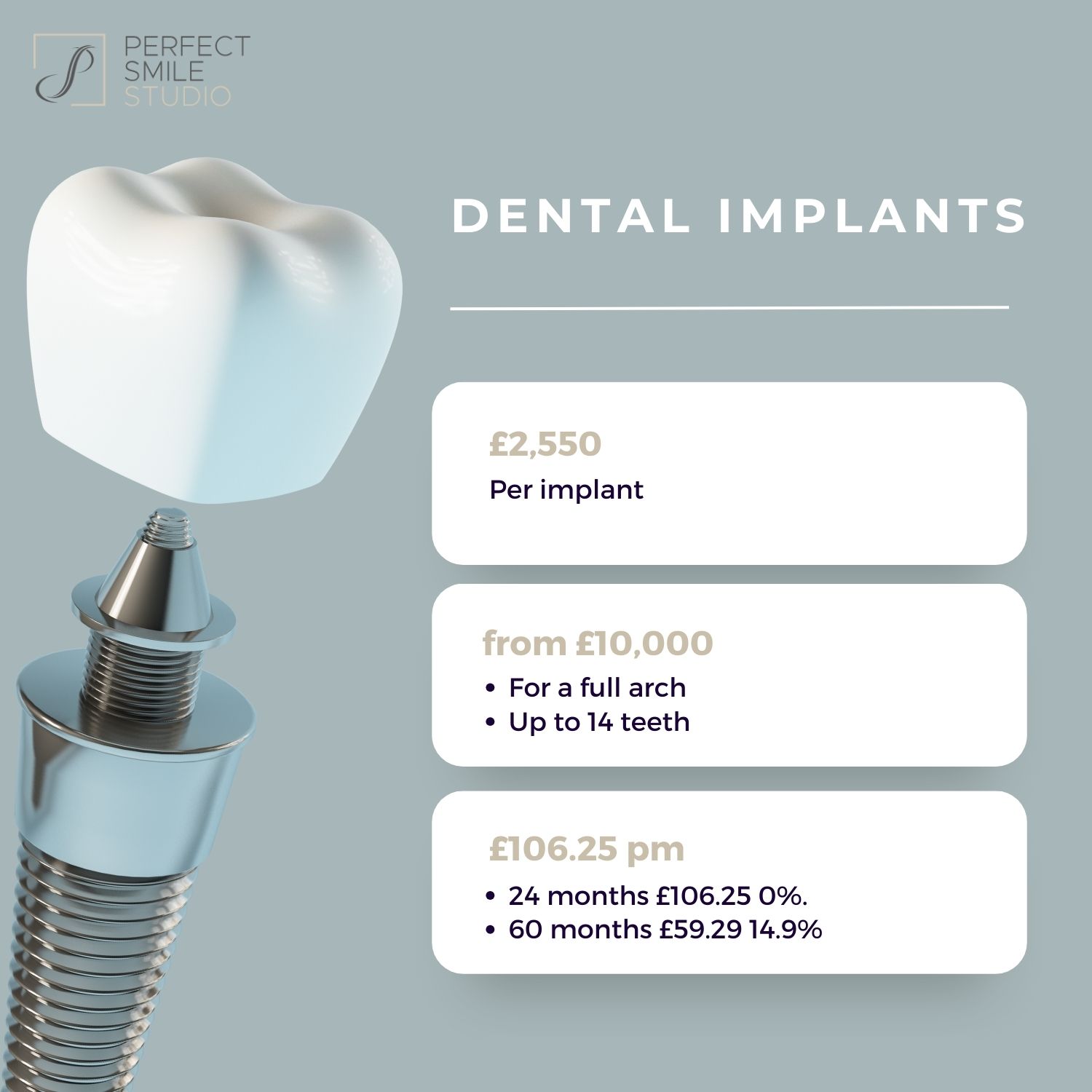
The cost difference is significant. NHS-funded implants are either free or subject to standard NHS dental charges (banding system) for those who qualify. Private dental implants can range from £2,000 to £4,000 per implant, depending on the location, the dentist’s experience, and the type of implant system used. This cost typically includes the implant fixture, abutment, crown, and surgical placement.
Waiting Times
Waiting times are generally much longer for NHS dental implants due to high demand and limited resources. You may face waiting lists for specialist appointments, assessments, and the actual implant procedure. Private dental implants offer much shorter waiting times, allowing you to start treatment sooner.
Choice of Dental Professional
With NHS treatment, you typically have less choice in selecting your dental professional. You will be assigned to a specialist within the NHS system. Private dental implants offer greater flexibility in choosing your dentist or implantologist, allowing you to select someone with specific expertise or a practice that you feel comfortable with.
FAQ – Who can get dental implants paid by NHS?
This section addresses common questions related to NHS dental implants and eligibility.
Who is eligible for dental implants on the NHS?
Eligibility for dental implants on the NHS is limited to individuals with specific medical needs, such as those who have experienced significant tooth loss due to trauma, congenital conditions, or cancer treatment. Each case is assessed individually.
Are dental implants ever free on the NHS?
Yes, dental implants can be free on the NHS for those who meet the strict eligibility criteria. However, it’s important to note that even if you qualify, certain costs, such as maintenance and certain types of replacement, may not be covered.
What are the main reasons NHS will pay for dental implants?
The main reasons the NHS will pay for dental implants include:
- Significant facial trauma resulting in tooth loss
- Congenital absence of teeth (hypodontia)
- Tooth loss as a direct result of cancer surgery or radiation therapy
- Situations where traditional dentures are not a viable solution.
What is the referral process for NHS implant treatment?
The referral process involves visiting your general NHS dentist, who will assess your oral health and determine if a referral to a specialist is warranted. The specialist will then conduct a comprehensive assessment and submit a funding application to the relevant NHS authority.
How long does it take to get dental implants through the NHS?
Waiting times for NHS dental implants can be lengthy due to high demand and limited resources. The exact timeframe can vary depending on the region, the availability of specialists, and the complexity of your case. Some patients may consider getting implants in Albania.
Can I appeal if I am refused NHS funding for implants?
Yes, if your application for NHS funding is refused, you have the right to appeal the decision. The appeals process typically involves submitting a written statement and providing any additional supporting evidence. To help get affordable dental implants on NHS, be sure to gather the appropriate documentation.
Are dental implants available to everyone on the NHS, or only under special circumstances?
Dental implants are not available to everyone on the NHS. They are typically only offered under special circumstances where there is a clear medical necessity, not merely for aesthetic reasons.
What alternatives does the NHS provide if I’m not eligible for implants?
If you’re not eligible for implants, the NHS provides traditional dentures and bridges as standard options for replacing missing teeth.
Conclusion
In conclusion, understanding who can get dental implants paid by NHS requires careful consideration of eligibility criteria, available treatment options, and potential costs. While NHS funding is limited to specific medical cases, exploring alternatives like dentures and bridges or considering private treatment options can help you achieve a healthy and confident smile. Dental tourism in Albania presents a financially sound option, so be sure to consider the possibilities!
It is very important to consult with your NHS dentist for a professional assessment and personalized advice based on your individual circumstances.