



Can you claim for dental implants is a common question, especially given the high cost and limited NHS coverage in the UK. Many people are looking for ways to make this essential dental treatment more affordable. Understanding your options for dental implant insurance, NHS coverage, and potential grants can significantly reduce your out-of-pocket expenses.
Dental Implant Insurance Coverage in the UK
When considering dental implants, many people investigate dental implant insurance to help with the costs. Finding the right insurance can make quality dental care more accessible. Whether through private plans or understanding what the NHS offers, exploring your coverage options is essential.
Dental Implant Insurance Options
Several dental implant insurance options are available in the UK. These plans vary significantly in terms of coverage, premiums, and waiting periods. Some policies may cover a portion of the cost of dental implants, while others might focus on preventative care and other treatments.
- Private Dental Plans: These plans offer varying levels of coverage for dental treatments, including implants. Premiums and coverage amounts differ, so it’s crucial to compare options carefully.
- Employer-Sponsored Plans: Some employers offer dental insurance as part of their benefits package, which may include coverage for dental implants.
- Specialized Implant Insurance: A few insurers offer specific policies designed to cover the high costs of dental implants.
Private Dental Plans vs. NHS
Understanding the difference between private dental plans vs. NHS is essential for making informed decisions about your dental care. Private dental plans typically offer more comprehensive coverage and shorter waiting times compared to the NHS. However, they come with premiums and may have annual limits on coverage. In contrast, the NHS provides basic dental care at subsidized rates, but coverage for dental implants is very limited.
According to a 2021 report from the Oral Health Foundation, private dental insurance can provide more comprehensive coverage for treatments like implants. However, the British Dental Association highlights that NHS dentistry ensures essential care is accessible, albeit with limited options for advanced procedures.
What Typical Insurance Does/Doesn’t Cover
It’s important to understand what typical insurance does/doesn’t cover when it comes to dental implants. Most standard dental insurance policies don’t fully cover dental implants due to their high cost. Some policies may contribute towards the cost of the crown or other components, but the implant itself is often excluded. Checking the policy’s fine print is essential to know exactly what’s covered.
When it comes to exploring coverage options for dental implants, don’t overlook the possibility of dental tourism in albania. Albania Dental Implants offers high-quality, affordable implant services, making it a viable option for those seeking to reduce expenses without sacrificing care quality.
NHS Coverage for Dental Implants
Many patients wonder about NHS dental implant coverage. While the NHS primarily focuses on essential dental care, there are specific circumstances where they might cover the cost of dental implants. Knowing the eligibility and application process is crucial if you’re considering this option.
Which Cases Are Eligible for NHS Dental Implant Treatment
The NHS provides NHS dental implant treatment only in very specific and limited cases. These usually involve medical necessity rather than cosmetic reasons. Eligibility often depends on conditions where tooth loss significantly impacts overall health and function. Examples include:
- Trauma: Patients who have lost teeth due to accidental injury or trauma.
- Cancer Treatment: Individuals who have lost teeth as a result of cancer treatment or surgery.
- Congenital Conditions: Those with congenital conditions that have resulted in missing teeth.
Criteria for Claiming NHS Dental Implants
Meeting the criteria for claiming NHS dental implants can be challenging. The NHS assesses each case individually, focusing on medical necessity and the impact on the patient’s quality of life. Key criteria include:
- Medical Justification: A clear medical reason for needing dental implants rather than alternative treatments like dentures or bridges.
- Impact on Function: Evidence that tooth loss is significantly affecting the ability to eat, speak, or maintain overall health.
- Overall Health: The patient must be in good general health to undergo the surgical procedure.
Applying for NHS Dental Implant Support
The process for applying for NHS dental implant support involves several steps. First, you’ll need to consult with your NHS dentist, who will assess your case and determine if you meet the eligibility criteria. If your dentist believes you qualify, they will refer you to a specialist for further evaluation. Keep in mind that approval is not guaranteed, and waiting times can be lengthy.
Private Dental Implants: Can You Make a Claim?
For those opting for private dental implants, understanding whether you can make a claim on your insurance is essential. This section explores the insurance policies, claimable expenses, and documentation needed for a successful claim.
Insurance Policies for Private Dental Care
Several insurance policies for private dental care can help offset the cost of dental implants. These policies vary in terms of coverage, premiums, and exclusions, so it’s crucial to compare options carefully. Typical policies include:
- Comprehensive Dental Insurance: These policies offer broad coverage for various dental treatments, including implants, but often come with higher premiums.
- Supplemental Dental Insurance: These policies can be added to existing health insurance plans to provide additional coverage for dental care.
- Specific Implant Insurance: Some insurers offer policies specifically designed to cover the cost of dental implants.
What Expenses Can Be Claimed
Knowing what expenses can be claimed under your dental insurance policy is crucial for maximizing your benefits. Common expenses that may be claimable include:
- Implant Placement: The surgical cost of placing the dental implant in the jawbone.
- Abutment: The cost of the abutment, which connects the implant to the crown.
- Crown: The cost of the dental crown that is placed on top of the implant.
- Consultation and Examination Fees: Costs associated with initial consultations, examinations, and X-rays.
According to a 2023 survey by Which?, understanding your policy’s terms and conditions is vital for knowing what you can claim. Many policies have annual limits, waiting periods, and exclusions that can impact your ability to claim certain expenses.
Documentation Needed for Claims
To make a successful claim for private dental treatment claims, you’ll need to provide specific documentation to your insurance company. Essential documents typically include:
- Detailed Invoice: An itemized invoice from your dentist showing the cost of each procedure.
- Treatment Plan: A treatment plan outlining the proposed dental implant procedure and its medical necessity.
- Referral Letter: If applicable, a referral letter from your general dentist to a specialist.
- Insurance Claim Form: A completed insurance claim form provided by your insurance company.
Submitting all required documentation promptly and accurately can help expedite the claim process and increase your chances of approval. For those looking to reduce expenses, remember that Albania Dental Implants Services provide high-quality, cost-effective alternatives for dental implant procedures, potentially reducing the amount you need to claim.
Special Circumstances: When Are Dental Implants Medically Necessary?
In certain special circumstances, dental implants are deemed medically necessary. This can significantly impact coverage options and potential financial support. Understanding these situations and how to navigate them is key.
Medical Necessity Definition
The medical necessity definition for dental implants typically refers to situations where tooth loss severely impacts a patient’s overall health and function. This goes beyond purely cosmetic concerns and involves conditions where the lack of teeth significantly affects the ability to eat, speak, or maintain proper nutrition.
Associated Conditions (e.g., Trauma, Cancer Recovery)
Several associated conditions can lead to dental implants being considered medically necessary:
- Severe Trauma: Cases where significant tooth loss results from accidental injury or trauma.
- Cancer Recovery: Tooth loss due to cancer treatment, such as surgery or radiation therapy.
- Congenital Defects: Conditions present from birth that result in missing teeth.
- Severe Infections: Situations where severe dental infections lead to tooth loss and impact overall health.
GP or Specialist Referrals for Support
Obtaining GP or specialist referrals for support is crucial when seeking coverage for medically necessary dental implants. A referral from your general practitioner (GP) or a dental specialist can provide the necessary documentation to support your claim. These referrals should clearly outline the medical reasons for needing dental implants and their impact on your overall health.
Seeking a second opinion is often beneficial. This can provide additional documentation and support for your claim, increasing the likelihood of approval. Furthermore, exploring options such as a sinus lift in albania could be relevant if bone density is an issue, potentially affecting the success of implant procedures deemed medically necessary.
Grants and Support for Dental Implants
When expenses for dental implants seem overwhelming, exploring dental implant grants and support can provide much-needed financial relief. Several organizations and charities offer assistance to those who qualify.
Availability of Dental Implant Grants or Charitable Support
The availability of dental implant grants or charitable support is limited but does exist. These grants are typically offered by charitable organizations, dental schools, and government programs aimed at helping individuals who cannot afford the full cost of dental implants.
In the UK, some potential sources of grant funding include:
- The Oral Health Foundation: This charity provides information and support for oral health issues, including details on potential funding sources.
- Dentaid: Dentaid offers dental care to underserved communities and may have information on grant programs.
- Local Charities: Local charities and community organizations may offer grants or financial assistance for dental treatments.
Who May Qualify
Eligibility for who may qualify for dental implant grants varies depending on the organization. However, common criteria include:
- Low Income: Applicants must demonstrate financial need based on income and assets.
- Lack of Insurance: Individuals without dental insurance or those with limited coverage are often prioritized.
- Medical Necessity: Cases where dental implants are deemed medically necessary due to significant impact on health.
- Residency Requirements: Applicants must typically be residents of the UK or a specific geographic area.
How to Apply
The process for how to apply for dental implant grants typically involves several steps:
- Research: Identify organizations offering dental implant grants in the UK.
- Application: Complete the grant application form, providing detailed information about your financial situation, medical history, and the reasons for needing dental implants.
- Documentation: Gather supporting documentation, such as proof of income, medical records, and a treatment plan from your dentist.
- Submission: Submit the completed application and all required documents to the organization.
- Follow-Up: Follow up with the organization to check on the status of your application.
Given the limited availability of grants, it’s crucial to explore all possible avenues for financial support. For many, travelling to Albania for the procedure can make the procedure far more affordable. The savings can be significant enough that dental implant grants are not required to be able to afford quality treatment. At Albania Dental Implants, we can guide you through the process of securing dental implants in albania with a smooth and worry free experience.
Out-of-Pocket Costs and Alternatives
When considering dental implants, many people worry about out-of-pocket dental implant costs. Understanding these costs and exploring alternative treatment options can help you make an informed decision that fits your budget.
Average Costs of Dental Implants in the UK
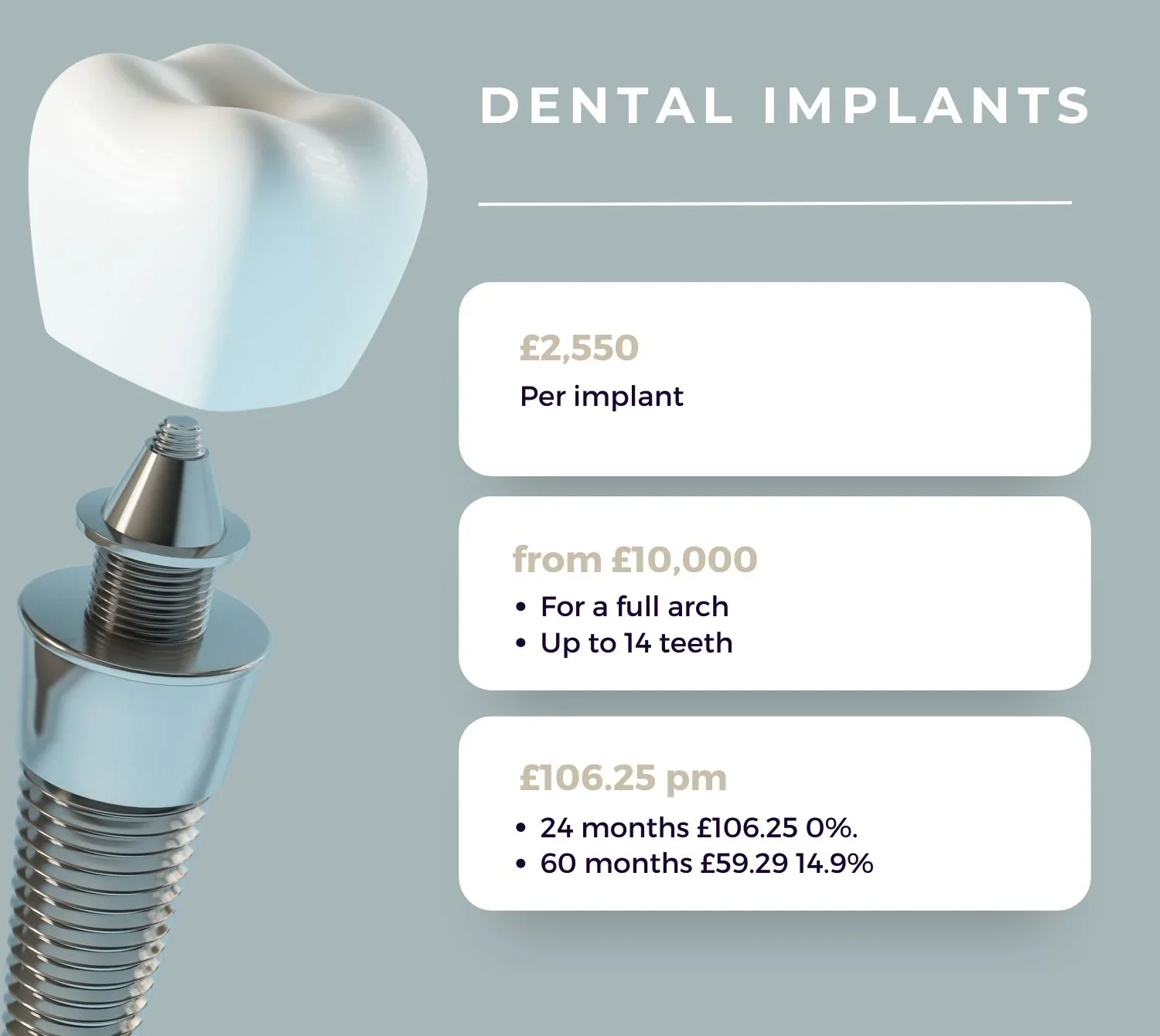
The average costs of dental implants in the UK can vary widely depending on several factors, including the location of the clinic, the type of implant used, and the complexity of the procedure. Generally, a single dental implant in the UK can range from £2,000 to £4,000 or more.
Factors that influence the cost include:
- Type of Implant: Different types of implants, such as titanium or zirconia, can affect the price.
- Location: Clinics in major cities like London tend to have higher prices compared to those in smaller towns.
- Additional Procedures: Procedures like bone grafting or sinus lifts can add to the overall cost.
- Dentist’s Experience: Highly experienced dentists may charge more for their services.
Alternatives to Implants Covered by Insurance/NHS
Several alternatives to implants covered by insurance/NHS can help restore your smile without the high cost of dental implants. These options include:
- Dentures: Removable dentures are a more affordable option and are often partially covered by the NHS.
- Dental Bridges: Bridges involve attaching a false tooth to adjacent natural teeth and can be less expensive than implants.
- Resin-Bonded Bridges: These bridges use a metal or porcelain framework bonded to the back of adjacent teeth, offering a minimally invasive solution.
Payment Plans and Financial Support Options
To make dental implants more accessible, many clinics offer payment plans and financial support options. These may include:
- Dental Financing: Financing companies specializing in dental treatments offer loans with manageable monthly payments.
- In-House Payment Plans: Some dental clinics provide in-house payment plans, allowing you to spread the cost over several months.
- Credit Cards: Using a credit card with a 0% introductory APR can help you finance your dental implant procedure.
For a more budget-friendly solution, consider exploring options like full mouth reconstruction in albania. This can offer significant savings compared to the costs in the UK, making dental implants a more attainable goal.
Step-by-Step Process: How to Claim for Dental Implants
Navigating the claim process for dental treatments can be complex. Understanding the necessary paperwork and steps involved can help ensure a smooth and successful claim.
Key Paperwork and Process for Claims
The key paperwork and process for claims typically involve the following steps:
- Consultation and Treatment Plan: Obtain a detailed treatment plan from your dentist outlining the proposed dental implant procedure and its associated costs.
- Pre-Authorization: Some insurance companies require pre-authorization before undergoing dental implant treatment. Submit the treatment plan to your insurer for approval.
- Claim Submission: Once the treatment is completed, submit a claim form along with the itemized invoice and any other required documentation to your insurance company.
- Claim Review: The insurance company will review your claim and may request additional information if needed.
- Payment: If your claim is approved, the insurance company will process the payment according to the terms of your policy.
Appeal or Dispute Options if a Claim is Rejected
If your claim for dental implants is rejected, you have appeal or dispute options available. The first step is to understand the reason for the denial. Common reasons include:
- Policy Exclusions: The treatment may not be covered under your policy.
- Waiting Periods: You may not have met the waiting period requirements.
- Lack of Medical Necessity: The insurance company may not consider the treatment medically necessary.
- Documentation Issues: Insufficient or incomplete documentation can lead to claim denial.
To appeal the decision, follow these steps:
- Review the Denial: Carefully review the denial letter to understand the specific reasons for the rejection.
- Gather Additional Documentation: Obtain additional documentation from your dentist or specialist to support your claim. This may include a detailed explanation of the medical necessity of the treatment.
- Submit an Appeal: Write a formal appeal letter to your insurance company, clearly stating the reasons why you believe the claim should be approved and providing any additional documentation.
- Seek External Review: If your appeal is denied, you may have the option to seek an external review from a third-party organization or regulatory agency.
Seeking advice from a dental advocacy group or legal professional can also be beneficial in navigating the appeal process. Also, considering all on 4 dental implants in albania could be a viable Plan B if you need to bypass insurance limitations altogether.
FAQs About Claiming for Dental Implants
This FAQ section is dedicated to addressing common questions about claiming for dental implants, providing clear and concise answers to help you navigate the process.
Can dental implants be claimed on the NHS?
The question, can dental implants be claimed on the NHS?, is a common one. The NHS primarily provides essential dental care, and coverage for dental implants is limited to specific circumstances. Typically, the NHS may cover dental implants if they are deemed medically necessary due to trauma, cancer treatment, or congenital conditions. The decision is made on a case-by-case basis, and approval is not guaranteed. Patients must consult with their NHS dentist to determine eligibility and undergo a thorough assessment.
Are dental implants covered by private health insurance in the UK?
Many people wonder, are dental implants covered by private health insurance in the UK? The answer depends on the specific policy. Some private dental insurance plans offer partial coverage for dental implants, while others may exclude them altogether. Policies vary significantly in terms of coverage amounts, premiums, and waiting periods. It’s crucial to carefully review the policy’s terms and conditions to understand what is covered and what is not. Comprehensive dental insurance plans are more likely to offer coverage compared to basic plans.
What medical conditions qualify for NHS dental implants?
Understanding what medical conditions qualify for NHS dental implants is essential for those seeking coverage. The NHS typically covers dental implants only when they are deemed medically necessary. Qualifying conditions may include:
- Severe trauma resulting in tooth loss
- Tooth loss due to cancer treatment or surgery
- Congenital conditions causing missing teeth
- Significant functional impairment due to tooth loss
Patients must provide evidence of the medical condition and demonstrate that tooth loss significantly impacts their ability to eat, speak, or maintain overall health. A referral from a GP or specialist is usually required.
How does the claim process work for private dental implant insurance?
The query about how does the claim process work for private dental implant insurance is frequently asked. The claim process typically involves these steps:
- Obtain a detailed treatment plan and cost estimate from your dentist.
- Submit the treatment plan to your insurance company for pre-authorization, if required.
- Undergo the dental implant procedure.
- Submit a claim form along with the itemized invoice and any other required documentation to your insurance company.
- The insurance company reviews the claim and processes payment according to the terms of your policy.
Providing accurate and complete documentation is crucial for a smooth claim process.
Are there financial aid or grants for dental implants in the UK?
Many patients seek financial aid or grants for dental implants in the UK. While government grants specifically for dental implants are rare, some charitable organizations and dental schools may offer financial assistance to eligible individuals. These grants are typically based on financial need and may have specific eligibility criteria. Organizations like The Oral Health Foundation and Dentaid may provide information on potential funding sources.
What happens if my claim for dental implants is denied?
The concern about what happens if my claim for dental implants is denied is important to address. If your claim is denied, you have the option to appeal the decision. Start by reviewing the denial letter to understand the reasons for the rejection. Gather additional documentation from your dentist or specialist to support your claim and write a formal appeal letter to your insurance company. If your appeal is denied, you may have the option to seek an external review from a third-party organization or regulatory agency.
Are dental implant alternatives more likely to be covered?
Understanding whether dental implant alternatives are more likely to be covered is crucial for those seeking affordable options. Alternatives such as dentures and dental bridges are often more likely to be covered by dental insurance policies and the NHS compared to dental implants. These treatments are typically less expensive and are considered essential dental care. Discussing alternative options with your dentist can help you find a suitable and cost-effective solution.
Exploring options in other countries can reduce costs considerably, and many dental practices offer dental tourism. For example, at Albania Dental Implants, we can provide you with a smooth experience so that you are not concerned about hidden costs, language barriers or unfamiliar processes.
Conclusion
Claiming for dental implants in the UK can be complex, but understanding your options can significantly reduce your financial burden. Whether through private insurance, NHS coverage, or exploring alternative treatments, being informed is key. If the cost of treatment in the UK is too prohibitive, then remember that at Albania Dental Implants, you can access high-quality treatment for prices that are much lower than those available in the UK.
The key takeaways on claiming dental implants include:
- Dental insurance policies vary significantly in terms of coverage for dental implants.
- The NHS provides dental implants only in specific cases of medical necessity.
- Financial aid and grants may be available from charitable organizations and dental schools.
- Payment plans and financing options can help make dental implants more affordable.
- Exploring dental tourism options, such as Albania Dental Implants, can significantly reduce costs.
If you want to start a claim or explore affordable options for dental implants, your next steps should include consulting with your dentist, reviewing your insurance policy, and researching potential sources of financial aid. By taking these steps, you can make informed decisions and achieve a healthy, confident smile without breaking the bank. Contact Albania Dental Implants today to learn more about affordable dental implant options.