



Understanding NHS Dental Implants
When exploring NHS dental implants, it’s essential to understand what they are, how they differ from other tooth replacement options, and whether the NHS provides them at all. Many people wonder about NHS dental treatment, particularly when it comes to advanced procedures like implants.
What are dental implants?
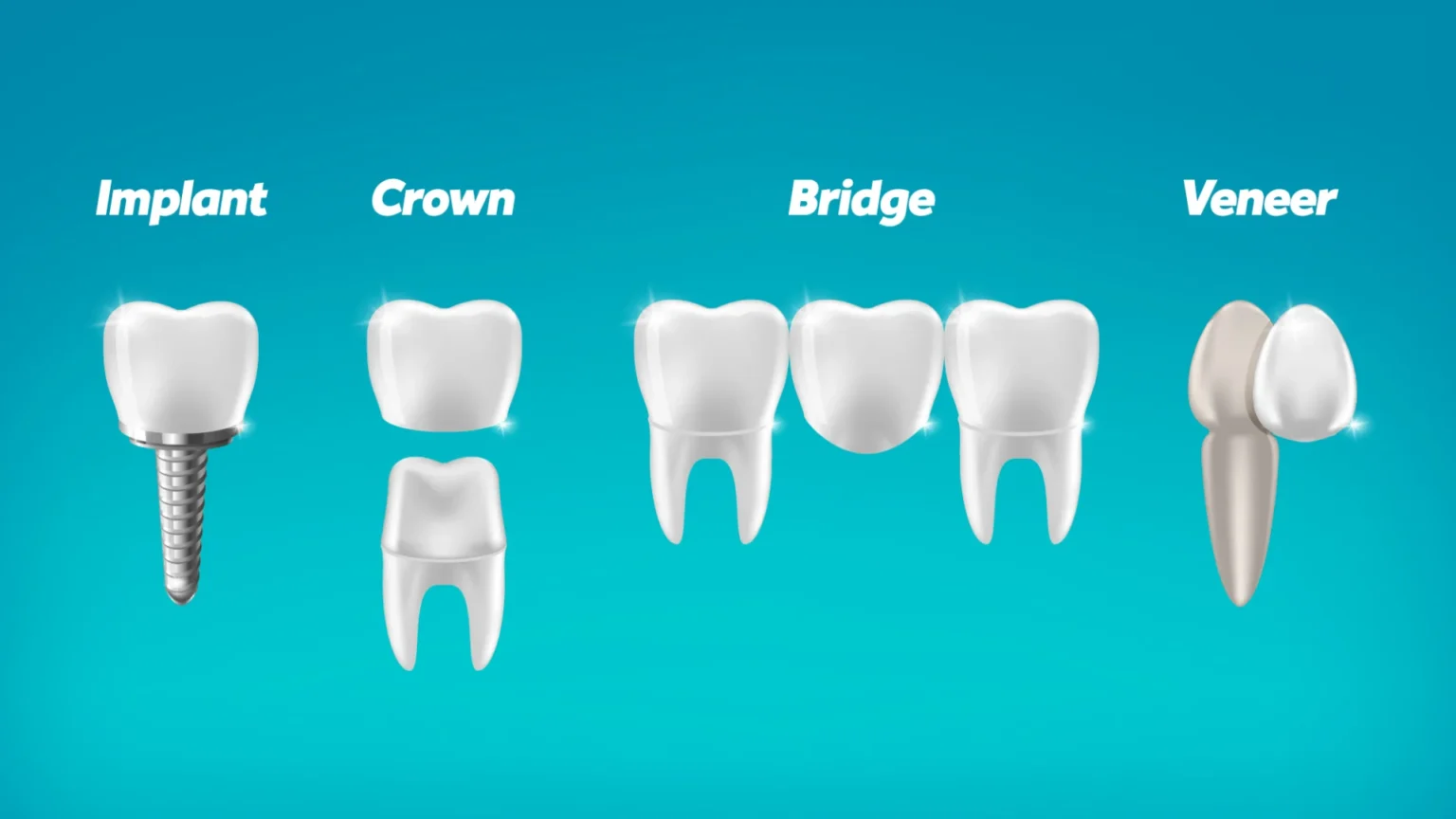
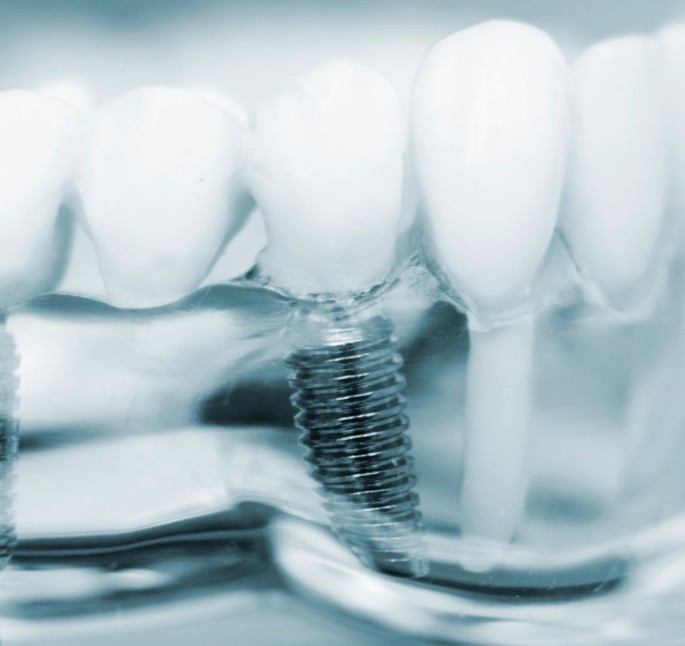
Dental implants are artificial tooth roots, typically made of titanium, that are surgically placed into the jawbone. Once integrated with the bone, they provide a stable foundation for replacement teeth that look, feel, and function like natural teeth. They are a long-term solution for missing teeth, offering improved chewing ability, speech, and aesthetics.
How do dental implants differ from other tooth replacement options?
Dental implants differ significantly from other tooth replacement options such as dentures and bridges. Dentures are removable appliances that rest on the gums, while bridges are fixed prosthetics that rely on adjacent teeth for support. Implants, on the other hand, are anchored directly into the jawbone, providing superior stability and preventing bone loss. They also don’t require altering adjacent healthy teeth, as bridges do.
Does the NHS provide dental implants?
The availability of dental implants on the NHS is limited and subject to strict criteria. Generally, the NHS only provides dental implants in cases of medical necessity, such as when tooth loss is the result of trauma, cancer treatment, or certain congenital conditions. Cosmetic reasons for tooth loss are usually not covered. To find out if you will qualify for dental implants on NHS is to talk to your dentist. In cases where the NHS doesn’t cover the full cost, exploring options such as finance for dental implants or seeking treatment abroad could be beneficial.
Eligibility Criteria for Implants on NHS
The NHS implant eligibility criteria are stringent, and not everyone qualifies. Understanding the NHS guidelines and the criteria for NHS dental implant funding is crucial if you’re considering this route. Who qualifies for NHS-funded dental implants, and what requirements must be met?
Who qualifies for NHS-funded dental implants?
Typically, only patients with significant medical needs qualify for NHS-funded dental implants. This might include individuals who have lost teeth due to:
- Trauma (e.g., accidents causing tooth loss)
- Oral cancer treatment
- Congenital conditions (e.g., missing teeth from birth)
In these cases, dental implants are considered necessary for restoring function and quality of life rather than purely for cosmetic reasons.
What are the clinical and non-clinical eligibility requirements?
The eligibility requirements extend beyond just the reason for tooth loss. Clinical requirements might include:
- Good overall oral health: This means no active gum disease or untreated tooth decay.
- Sufficient bone density in the jaw: Implants require adequate bone to fuse with.
- Commitment to good oral hygiene: Patients must be willing to maintain excellent oral hygiene after implant placement.
Non-clinical requirements may involve:
- Residency: You must be a resident in the UK and eligible for NHS treatment.
- Financial assessment: In some cases, your financial situation might be considered.
Are there any exceptions or special cases?
Yes, there can be exceptions or special cases. For instance, patients with severe disabilities or complex medical conditions might be considered on a case-by-case basis. However, these cases are rare, and approval is not guaranteed. In other cases, those who don’t meet the NHS’s threshold, seeking treatment in Albania could be a practical way to have their dental requirements met at a cost effective price. Albania Dental Implants Services can help find you the best treatment plan to suit your needs.
The Application and Referral Process
Navigating the NHS dental referral system for implants can be daunting. It’s important to understand the implant application process and the role of your NHS dentist consultation in determining your eligibility.
How to apply for NHS dental implants
There is no direct application process for NHS dental implants. The process typically starts with a consultation with your NHS dentist. If they believe you meet the criteria for NHS-funded implants, they will refer you to a specialist for assessment. This assessment will determine whether you are a suitable candidate for the procedure.
What is the typical referral route through your NHS dentist?
The typical referral route involves these steps:
- Initial Consultation: Discuss your concerns with your NHS dentist.
- Assessment: Your dentist will assess your oral health and the reasons for tooth loss.
- Referral: If you meet the initial criteria, your dentist will refer you to a specialist (e.g., a maxillofacial surgeon or a prosthodontist).
- Specialist Evaluation: The specialist will conduct a comprehensive evaluation, including X-rays and scans, to determine your suitability for implants.
- Decision: The specialist will decide whether to approve your application for NHS-funded implants.
Timeframes: How long does the process take?
The timeframe for the entire process can vary significantly depending on factors such as waiting lists for specialist appointments and the complexity of your case. It’s not uncommon for the process to take several months, or even a year or more. The NHS success rate for implants is something to consider when looking at long-term dental solutions.
Benefits and Limitations of NHS Dental Implants
Understanding the NHS implant benefits and the limitations of NHS dentistry is essential for making informed decisions. It’s also important to consider the differences NHS vs private implants to determine the best option for your needs.
What are the advantages of implants on the NHS?
The primary advantage of receiving implants on the NHS is the reduced cost. If approved, you will only pay the standard NHS dental charges, which are significantly lower than private dental fees. This can make implants accessible to those who might not otherwise be able to afford them. Can NHS pay for my dental implants? It is a question worth exploring.
What limitations or restrictions exist?
Despite the cost savings, several limitations and restrictions exist:
- Limited Availability: NHS funding for implants is restricted to specific cases of medical necessity.
- Strict Eligibility Criteria: Not everyone qualifies, even if they have a genuine need.
- Long Waiting Lists: Waiting times for specialist appointments and treatment can be extensive.
- Limited Choice: You may have limited choice in terms of the type of implant used and the dentist performing the procedure.
Why are implants not available for all NHS patients?
Implants are not available for all NHS patients due to budgetary constraints and the prioritization of resources. The NHS has to allocate its limited funds to meet the most pressing healthcare needs of the population. As a result, cosmetic dental procedures like implants are often not covered, unless there is a clear medical justification. For those who do not qualify, it may be worth considering how to afford dental implants in the UK.
Costs Associated with Implants on the NHS
Many people wonder, are NHS dental implants free? What costs, if any, might patients incur? It’s vital to understand the NHS dental charges, the potential implant cost NHS, and how NHS banding fees apply. How do NHS implant costs compare to private options?
Are NHS dental implants free?
No, NHS dental implants are not free, even if you qualify for treatment. NHS dental charges are divided into three bands:
- Band 1: £26.80 (includes examinations, diagnosis, and preventative care)
- Band 2: £73.50 (includes everything in Band 1, plus fillings, root canal treatment, and extractions)
- Band 3: £319.10 (includes everything in Bands 1 and 2, plus crowns, dentures, and bridges)
Dental implants typically fall under Band 3 because they involve complex restorative work.
What costs, if any, might patients incur?
Even if you qualify for NHS-funded implants, you will still need to pay the Band 3 charge (£319.10 as of 2025). However, this is significantly less than the cost of private dental implants. Additional costs might arise if you require preparatory treatments, such as bone grafting, which may not be fully covered by the NHS. The out-of-pocket cost if partially funded could range based on each individual’s treatment plan.
How do NHS implant costs compare to private options?
The cost of private dental implants in the UK can vary widely, but it typically ranges from £2,000 to £4,000 per implant. This cost includes the implant itself, the abutment (connector), and the crown (replacement tooth). In contrast, the NHS Band 3 charge is a fraction of this cost. However, it’s crucial to remember that access to NHS implants is limited, and many people will need to consider private options. Given the relatively high costs of private dental care, a trip to Albania Dental Implants can be an affordable way to get quality dental treatments.
Alternatives to NHS Dental Implants
When NHS funding is not available, what are the alternative tooth replacement NHS options? What are the main alternatives offered by NHS dentists, and when are dentures NHS or bridges NHS recommended? It’s important to explore your options, including private alternatives.
What are the main alternatives offered by NHS dentists?
If you are not eligible for NHS-funded dental implants, the main alternatives offered by NHS dentists include:
- Dentures: Removable appliances that replace missing teeth.
- Bridges: Fixed prosthetics that rely on adjacent teeth for support.
These options are generally more affordable than dental implants, but they have their own limitations in terms of stability, comfort, and long-term oral health.
When are dentures or bridges recommended?
Dentures are often recommended for patients who have lost multiple teeth or all of their teeth. They are a cost-effective solution for restoring basic chewing function and aesthetics. Bridges, on the other hand, are typically recommended for patients who have one or a few missing teeth and healthy adjacent teeth to support the bridge. However, these alternatives can compromise the health of adjacent teeth and do not prevent bone loss in the jaw.
Private options when NHS funding is not available
When NHS funding is not available, you may need to consider private options such as private dental implants. It may also be worth exploring options like dental tourism in Albania to get affordable treatments. Albania Dental Implants offers affordable, high-quality dental implant treatments, combining expert care with the benefits of dental tourism. Alternatively, you may consider dental implant finance options to cover the cost.
How to Maximise Your Chances for NHS Implants
What are the tips for getting NHS implants? How can you support your case for NHS funding, and what NHS implant approval tips can increase your chances of success?
Best practices when consulting with your NHS dentist
When consulting with your NHS dentist, follow these best practices:
- Be clear about your reasons for wanting implants: Explain how tooth loss is affecting your quality of life.
- Provide detailed information about your medical history: Mention any relevant medical conditions or treatments you have received.
- Ask questions about the NHS criteria and the referral process: Understand what is required for approval.
- Express your commitment to maintaining good oral hygiene: Show that you are willing to take care of your implants if approved.
Medical documentation and evidence that helps approval
Providing strong medical documentation can significantly help your case. This might include:
- Medical records documenting the cause of tooth loss (e.g., trauma, cancer treatment).
- Letters from medical specialists supporting your need for implants.
- Photographs illustrating the impact of tooth loss on your appearance and confidence.
Appealing a rejected application
If your application for NHS-funded implants is rejected, you have the right to appeal. To appeal a rejected application:
- Request a written explanation of the reasons for rejection.
- Gather additional evidence to support your case.
- Write a formal letter of appeal to the relevant NHS authority.
- Seek advice from a patient advocacy organization.
If you cannot access NHS funding and cost is an issue, what is the cheapest way to replace teeth in the UK? This should also be explored to discover the best route for your needs.
FAQs
Are implants really available through an NHS dentist?
Yes, implants are available through an NHS dentist, but their availability is limited to cases of medical necessity. The criteria are strict, and not everyone qualifies. A dentist with experience of implants will guide you through the required steps.
How long is the waiting list for NHS dental implants?
The waiting list for NHS dental implants can vary significantly depending on the region and the availability of specialist services. It is not uncommon for patients to wait several months, or even a year or more, for an appointment. Dental implant waiting times may also vary based on the type of specialist needed for your particular case.
What is the NHS success rate for implants?
The NHS success rate for implants is generally high, similar to that of private dental practices. However, success rates can be influenced by factors such as the patient’s overall health, oral hygiene, and adherence to post-operative care instructions.
What is the out-of-pocket cost if partially funded?
If partially funded, the out-of-pocket cost for NHS dental implants is typically the Band 3 charge, which is £319.10 (as of 2025). This covers the cost of the implant procedure, but additional costs may arise for preparatory treatments, such as bone grafting.
What are the main reasons for NHS implant rejection?
The main reasons for NHS implant rejection include:
- Not meeting the strict eligibility criteria.
- Insufficient medical justification for implants.
- Poor oral health or bone density.
- Budgetary constraints within the NHS.
What aftercare is provided for NHS dental implants?
Aftercare for NHS dental implants typically includes routine check-ups, cleaning, and maintenance. However, the extent of aftercare may be limited compared to private dental practices. Maintaining good oral hygiene and attending regular dental appointments are essential for the long-term success of NHS dental implants.
How do private dental implants compare to those on the NHS?
Private dental implants offer several advantages over NHS implants, including:
- Wider availability: Private implants are accessible to a broader range of patients, regardless of medical necessity.
- Shorter waiting times: Private practices typically have shorter waiting lists.
- Greater choice: You have more choice in terms of the type of implant, the dentist performing the procedure, and the materials used.
- Enhanced aftercare: Private practices often provide more comprehensive aftercare services.
Can implants be replaced or repaired on the NHS?
In some cases, implants can be replaced or repaired on the NHS if there is a medical justification. However, this is subject to the same strict eligibility criteria as initial implant placement. If the damage to the implant is from failing to care for them correctly, it is unlikely this will be supported on the NHS. Dental implants UK is a good place to explore your available options.
While seeking implants on NHS dentist services can present challenges, understanding the system, eligibility criteria, and alternative solutions will empower you to make informed decisions. Remember, restoring your smile and oral health is an investment in your overall well-being. If NHS options are limited, consider the high-quality and affordable dental solutions offered by Albania Dental Implants. Visit our website today to contact albania dental implants and learn more about our services!





