




NHS Dental Implants Cost UK
NHS dental implants cost UK is a vital factor for patients in the United Kingdom considering this advanced tooth replacement option through the National Health Service. While dental implants offer a long-term solution for missing teeth, they are not always readily available on the NHS, and several factors influence the overall cost, including eligibility and treatment complexity.
What Is the NHS Dental Implants Cost in the UK?
CLUSTER: NHS dental implants cost, NHS dental charges bands, cost of private dental implants UK
Understanding the NHS dental implants cost involves navigating the NHS dental charges system. Generally, if you are eligible for NHS dental implants, the treatment falls under Band 3 charges. As of 2024, NHS Band 3 covers complex treatments such as crowns, dentures, and bridges, with costs typically around £319.10. It’s important to note that this charge covers the entire course of treatment, including assessments, fitting, and aftercare.
NHS Dental Charges Bands and Implants
- Band 1 (£26.80): Covers examinations, diagnosis, and preventative care.
- Band 2 (£73.50): Includes Band 1 treatments, plus fillings, root canals, and extractions.
- Band 3 (£319.10): Encompasses Band 1 and 2 treatments, along with more complex procedures like crowns, dentures, and, in rare cases, dental implants.
Comparing NHS vs. Private Dental Implant Costs
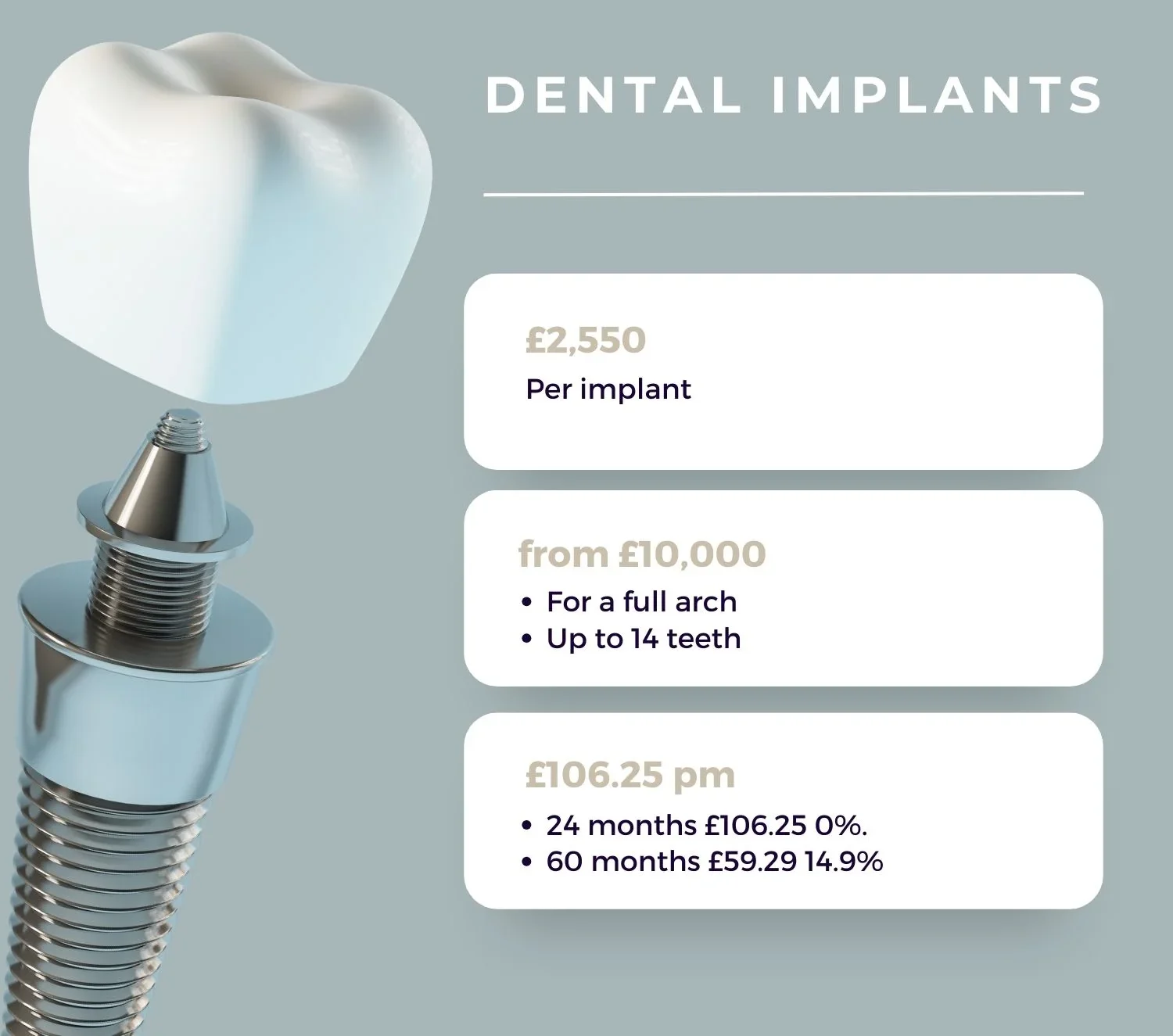
The cost of private dental implants UK can be significantly higher than the NHS charges. A single dental implant in a private clinic can range from £2,000 to £4,000 or more, depending on the clinic’s location, the dentist’s expertise, and the materials used. Full-mouth dental implants can cost upwards of £10,000 to £30,000. Due to the limited availability of NHS dental implants, most patients in the UK opt for private treatment. However, exploring options for cheapest implants UK is possible through dental tourism in Albania.
Who Is Eligible for NHS Dental Implants?
CLUSTER: NHS dental implants eligibility, NHS dental implant waiting list
Not everyone is eligible for NHS dental implants. The NHS primarily approves dental implants based on clinical need rather than cosmetic reasons. Eligibility criteria are stringent, and approvals are typically granted for specific cases where tooth loss significantly impacts a patient’s health and well-being.
Eligibility Criteria for NHS Dental Implants
- Medical Necessity: Implants are usually considered when tooth loss results from trauma, congenital disabilities, or necessary medical treatments (e.g., cancer).
- Significant Functional Impairment: Patients must demonstrate a substantial impact on their ability to eat, speak, or maintain overall oral health.
- Failed Alternative Treatments: Implants may be approved if conventional treatments like dentures or bridges have proven unsuccessful.
Regional Differences and Approval Rates
Approval rates for NHS dental implants can vary across different regions of the UK due to local funding and priorities. Some areas may have more resources allocated to specialized dental services, while others may focus on more basic treatments. Securing NHS funding often requires a detailed assessment by a consultant, justifying the clinical need and demonstrating that other options are unsuitable. You might consider affordable dental implants UK are a sought-after solution for replacing missing teeth; however, navigating the costs and options can be overwhelming.
NHS Dental Implant Treatment Process
CLUSTER: NHS dental implant treatment process, NHS dental implant success rate
The NHS dental implant treatment process involves several stages, from initial assessment to final restoration. This process ensures that patients receive appropriate care and that the implants are successful.
Step-by-Step Overview
- Initial Assessment: A dentist evaluates the patient’s oral health, medical history, and suitability for dental implants. This includes X-rays and scans.
- Referral to a Specialist: If deemed eligible, the patient is referred to a consultant or specialist in restorative dentistry.
- Detailed Evaluation and Planning: The specialist conducts a comprehensive examination, including impressions and further imaging, to create a detailed treatment plan.
- Implant Placement Surgery: The dental implant, typically made of titanium, is surgically placed into the jawbone. This may require multiple visits.
- Osseointegration Period: The implant is left to integrate with the jawbone, usually for several months.
- Abutment Placement: Once integrated, an abutment (a connector) is attached to the implant.
- Crown Placement: A custom-made crown, matching the patient’s natural teeth, is attached to the abutment, completing the restoration.
- Aftercare and Maintenance: Regular check-ups and good oral hygiene practices are essential to ensure the implant’s long-term success.
Typical Waiting Times and Success Rates
Waiting times for NHS dental implants can be considerable, often ranging from several months to over a year, depending on the region and the availability of specialists. The NHS dental implant success rate is generally high, with most implants lasting for many years with proper care. However, factors such as smoking, poor oral hygiene, and underlying health conditions can affect the outcome.
NHS vs. Private Dental Implants: Costs and Considerations
CLUSTER: NHS vs private dental implants, cost of private dental implants UK
Choosing between NHS vs private dental implants involves carefully weighing the costs, treatment scope, timelines, and availability. Here’s a detailed comparison:
Comparison Table: NHS vs. Private Dental Implants
| Feature | NHS Dental Implants | Private Dental Implants |
|---|---|---|
| Cost | £319.10 (Band 3 charge) | £2,000 – £4,000+ per implant |
| Eligibility | Strict criteria, based on medical need | No strict eligibility criteria |
| Waiting Times | Several months to over a year | Relatively short, usually a few weeks |
| Treatment Scope | Limited to clinically necessary cases | Comprehensive range of options, including cosmetic improvements |
| Materials and Technology | Standard materials and techniques | Advanced materials and technologies, tailored to patient needs |
| Availability | Limited, varies by region | Widely available |
Why Most UK Patients Pay for Private Implants
Due to the limited availability and stringent eligibility criteria for NHS dental implants, the vast majority of UK patients opt for private dental implant treatment. Private clinics offer a wider range of options, shorter waiting times, and the ability to customize the treatment to meet individual needs and preferences. While the initial cost is significantly higher, many patients find the benefits of private care worth the investment. Moreover, if high costs are a concern, consider dental tourism and explore options for affordable dental implants UK.
Can You Get Full Mouth Dental Implants on the NHS?
CLUSTER: full mouth dental implants NHS, NHS dental implant alternatives
The likelihood of obtaining full mouth dental implants NHS is very low. The NHS typically does not cover extensive implant treatments unless there is a compelling medical need, such as significant facial trauma or congenital disabilities severely affecting oral function. The focus is usually on restoring basic functionality rather than providing comprehensive cosmetic solutions.
Criteria for Extensive Implant Treatment
To be considered for extensive implant treatment on the NHS, patients would need to demonstrate:
- Severe Functional Impairment: The inability to eat or speak properly due to extensive tooth loss.
- Failed Alternative Solutions: Conventional dentures or bridges have been tried and proven ineffective.
- Medical Justification: A clear medical reason why implants are necessary, such as preventing further health complications.
Alternative NHS Solutions
If full mouth dental implants are not an option on the NHS, alternative solutions may include:
- Partial or Full Dentures: These are removable appliances that can replace multiple missing teeth.
- Bridges: Fixed prosthetic devices that attach to adjacent natural teeth.
While these alternatives may not offer the same level of stability and comfort as dental implants, they can still improve oral function and aesthetics.
Alternatives and Financial Support Options
CLUSTER: NHS dental implant alternatives, implant grants or financial help UK
For those unable to secure NHS funding for dental implants or find private treatment too expensive, several NHS dental implant alternatives and financial support options are available.
Free or Lower-Cost Alternatives
- NHS Dentures and Bridges: These are available at standard NHS charges, significantly lower than private implants.
- Dental Schools: Some dental schools offer discounted treatment as part of their training programs.
Payment Plans
Many private dental clinics offer payment plans to help spread the cost of dental implant treatment over time. These plans may involve monthly installments or financing options.
Grants and Charities
Some charities and organizations provide financial assistance for dental treatment. Examples include:
- Dentaid: Offers dental services to those in need, both in the UK and internationally.
- The Oral Health Foundation: Provides information and support for oral health issues.
While direct grants specifically for dental implants are rare, these organizations may offer support for general dental care or connect patients with affordable treatment options.
Exploring Dental Tourism
Another option to consider is dental tourism, where patients travel to countries with lower dental costs, such as Albania. Albania Dental Implants offers high-quality dental implant services at significantly lower prices compared to the UK. This can make dental implants more accessible for those on a budget.
How to Apply for NHS Dental Implants
CLUSTER: NHS dental implant process, NHS dental charges bands
The process of how to apply for dental implants on the NHS involves several steps and requires a referral from an NHS dentist.
Application and Referral Process
- Initial Consultation: Start by visiting an NHS dentist for a general check-up and assessment of your oral health.
- Discussion of Treatment Options: Discuss your desire for dental implants with your dentist and explain why you believe they are necessary.
- Referral to a Specialist: If your dentist believes you may be eligible, they will refer you to a consultant or specialist in restorative dentistry.
- Specialist Assessment: The specialist will conduct a thorough evaluation to determine your suitability for NHS-funded implants.
- Application for Funding: The specialist will apply for funding from the NHS on your behalf, providing detailed justification for the treatment.
- Approval and Treatment: If approved, you will be placed on a waiting list and eventually receive the dental implant treatment at the standard NHS Band 3 charge.
Required Documents and Assessments
To support your application, you may need to provide:
- Medical History: Detailed information about your medical conditions and treatments.
- Dental Records: X-rays, scans, and other relevant dental records.
- Justification Letter: A letter from your dentist or specialist explaining the clinical need for dental implants.
The assessment process may involve multiple appointments and evaluations to ensure that you meet the NHS eligibility criteria.
FAQ – NHS Dental Implants Cost UK
Here are detailed answers to frequently asked questions about NHS dental implants cost and related topics:
What is covered by NHS dental implants?
NHS dental implants, when approved, cover the entire treatment process, including initial assessments, implant placement surgery, abutment and crown fitting, and aftercare. However, the extent of coverage is limited to what is deemed clinically necessary, and cosmetic enhancements are not typically included.
Is there a waiting list for NHS dental implants?
Yes, there is typically a waiting list for NHS dental implants. Due to limited funding and high demand, patients may have to wait several months to over a year to receive treatment.
What are the alternatives if you cannot get dental implants on the NHS?
If you cannot get dental implants on the NHS, alternatives include dentures, bridges, and exploring private dental implant treatment. You can also consider dental tourism and options for affordable dental implants UK, like traveling to Albania for treatment.
Are there grants or any financial support schemes for dental implants in the UK?
Direct grants specifically for dental implants are rare, but some charities and organizations may provide financial assistance for general dental care. Payment plans offered by private clinics can also help make the treatment more affordable.
What is the success rate of NHS dental implants?
The success rate of NHS dental implants is generally high, comparable to that of private implants. Most implants last for many years with proper care and maintenance.
How do you apply for dental implants on the NHS?
To apply for dental implants on the NHS, start by visiting an NHS dentist for an assessment. If deemed eligible, your dentist will refer you to a consultant or specialist who will apply for funding from the NHS on your behalf.
What is the average healing and recovery time for NHS dental implants?
The average healing and recovery time for dental implants involves a few months for osseointegration (the fusion of the implant with the jawbone). After the implant is placed, it typically takes 3-6 months for the bone to fully integrate. The complete process, including initial consultation and final crown placement, can span several months to over a year. Proper post-operative care, including maintaining good oral hygiene and attending regular check-ups, is essential for a smooth recovery and the long-term success of the implant.
Conclusion
Understanding the NHS dental implants cost UK and the factors influencing it is crucial for patients seeking advanced dental restoration. While NHS dental implants offer an affordable option, eligibility is strict, and availability is limited. Weigh your options, considering private treatment and alternative funding sources if needed. Remember that high-quality, affordable options, such as dental tourism in Albania, can make your dream smile a reality.
We encourage you to check the latest NHS dental charges, consult with an NHS dentist to assess your eligibility, and explore options like dental tourism in Albania. You can contact albania dental implants to discuss your needs and get a personalised treatment plan.





