



How Much Are Dental Implants on the NHS? (UK Guide 2025)
If you’re wondering how much dental implants on the NHS cost, the answer is simple: in most cases, dental implants are not available on the NHS unless there’s a clear medical need. This guide will explore the rare instances where the NHS might cover implants, the costs involved, alternatives, and more affordable options like seeking treatment at Albania Dental Implants.
Are Dental Implants Available on the NHS?
Cluster Keyword: NHS dental implants eligibility
Are dental implants available on the NHS? Generally, NHS dental implants are only offered when there’s a demonstrable medical necessity. This typically means situations arising from significant trauma, congenital disabilities, or as a consequence of certain medical treatments such as cancer therapy. Routine cases of tooth loss due to decay or age are generally not covered. If you are seeking Albania Dental Implants we can assist you on your journey to a more affordable option.
Understanding NHS Eligibility Criteria
- Severe Trauma: Accidents resulting in significant tooth loss may qualify you for NHS-funded implants.
- Congenital Defects: Individuals born with missing teeth due to genetic conditions may be eligible.
- Medical Conditions: Tooth loss as a direct result of necessary medical treatments may also be covered.
It’s important to note that NHS guidelines are subject to change, so always check with your dentist or local NHS authority for the most up-to-date information. The NHS prioritizes essential dental care, and as such, cosmetic procedures are rarely included. If you are not eligible for the NHS you can always contact albania dental implants to talk about your options.
How Much Do Dental Implants Cost on the NHS?
Cluster Keyword: NHS dental implants cost
If you’re fortunate enough to qualify for NHS dental implants, the cost is considerably lower than private treatment. If approved, you’ll likely pay the standard NHS Band 3 charge, which was £293 in 2025. This charge covers a course of treatment, including the implant procedure itself. However, because so few people qualify, this cost is often irrelevant for most seeking dental implants.
Comparing NHS vs. Private Costs
To put this in perspective, private dental implants in the UK typically range from £2,000 to £3,500 per implant. This stark difference underscores the limited availability of NHS-funded implants and the financial burden faced by those who must seek private care. Many UK residents are finding that taking a dental tourism in albania, is the best decision for them to save money and get the dental work they need.
Why Are Private Costs So Much Higher?
Private dental implant costs reflect factors such as the dentist’s expertise, the quality of materials used, the location of the clinic, and the inclusion of aftercare services. Unlike the NHS, private practices have greater flexibility in setting their fees and often offer a wider range of treatment options.
Who Qualifies for NHS Dental Implants?
Cluster Keyword: NHS dental implants eligibility
The NHS has strict criteria for dental implant eligibility. Meeting these requirements is crucial for accessing subsidized treatment. It’s essential to understand these conditions before pursuing this avenue.
Qualifying Conditions for NHS Dental Implants:
- Severe Trauma: If you’ve experienced significant tooth loss due to an accident or injury, you may qualify.
- Congenital Defects: Individuals born with missing teeth, such as those with hypodontia, might be eligible.
- Medical Conditions: Patients requiring implants as a direct consequence of cancer treatment or other medical interventions may be considered.
The Referral and Assessment Process
To determine eligibility, you’ll need to be referred by your general dentist to a specialist within the NHS system. This specialist will conduct a thorough assessment to determine if your case meets the NHS criteria. It’s important to remember that routine tooth loss, such as from decay or aging, typically does not qualify. If you feel you are not getting the support you need you can always come to dental clinic in albania
NHS Dental Implants Waiting List
Cluster Keyword: NHS dental implants waiting list
If you do qualify for NHS dental implants, be prepared for a potentially lengthy wait. Waiting times can range from several months to even years, depending on the availability of specialists and the prioritization of your case.
Factors Contributing to Long Waiting Times:
- Limited Availability: The number of NHS specialists offering implant treatment is limited, leading to high demand.
- Strict Criteria: The rigorous eligibility criteria mean that only a small percentage of applicants are approved, further straining resources.
- Funding Constraints: NHS funding for specialized dental procedures is often limited, impacting the speed at which treatments can be provided.
To get a more accurate estimate of current waiting times, contact your local NHS dental practice or the relevant specialist clinic. In some instances, you may wish to seek treatment elsewhere while waiting to be seen within the NHS system.
Alternatives to NHS Dental Implants
Cluster Keyword: NHS dental implants alternatives
If NHS dental implants are not an option for you, there are alternative tooth replacement solutions covered by the NHS. Understanding these options can help you make informed decisions about your dental care.
NHS-Covered Alternatives:
- Dentures: Full or partial dentures are a common and affordable tooth replacement option. They are typically covered under NHS Band 3 treatment.
- Dental Bridges: Bridges can fill gaps caused by missing teeth by anchoring to adjacent teeth. These are also generally covered under Band 3.
Pros and Cons of Each Alternative
Dentures are a cost-effective solution but can be less stable and comfortable than implants. Bridges offer improved stability but require altering adjacent teeth, which can increase the risk of future dental problems. A more permanent, comfortable and cost saving option is our dental implants in albania.
How Much Do Private Dental Implants Cost?
Cluster Keyword: Private dental implants cost UK
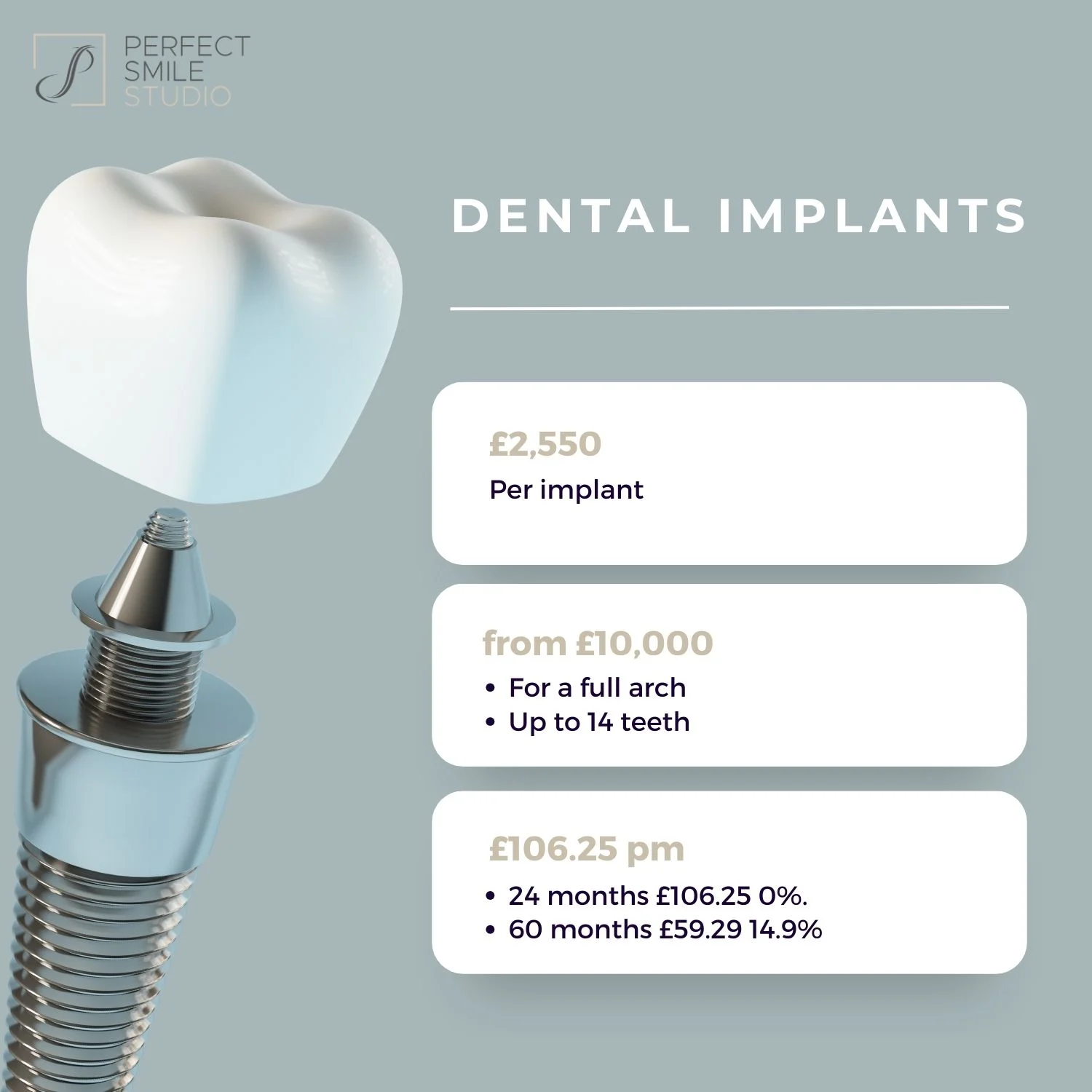
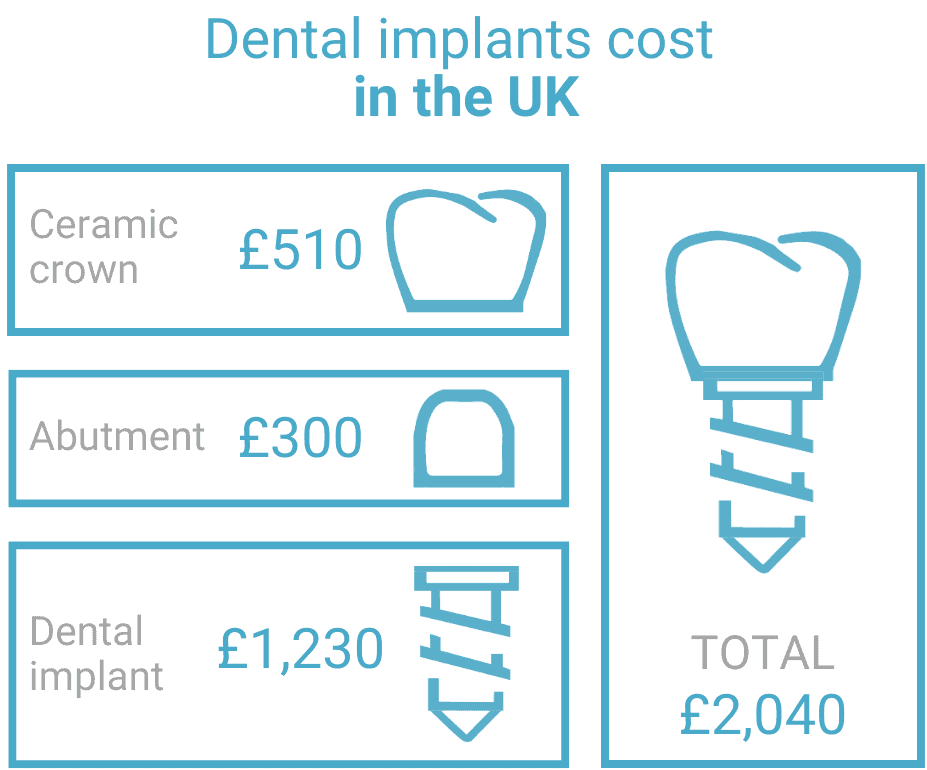
Private dental implants in the UK typically range from £2,000 to £3,500 per implant in 2025. This cost can vary depending on several factors, including the complexity of the case, the dentist’s experience, and the materials used.
Breaking Down the Costs:
- Consultation: Initial consultation fees can range from £50 to £200.
- Surgery: The surgical placement of the implant typically costs between £1,200 and £2,500.
- Crown: The abutment and crown, which attach to the implant, can range from £800 to £1,500.
- Aftercare: Follow-up appointments and maintenance are additional costs to consider.
Factors Affecting Price
Location plays a significant role in the final cost, with London and other major cities generally having higher prices. The dentist’s level of expertise and the quality of materials also influence the overall expense. For a cost saving option you can choose cost of dental implants in albania
NHS vs. Private Dental Implants – What’s the Difference?
Cluster Keyword: NHS vs private dental implants
Deciding between NHS and private dental implants requires careful consideration of several factors. Here’s a comparison to help you make an informed choice:
NHS vs. Private Dental Implants: A Comparison
| Factor | NHS | Private |
|---|---|---|
| Eligibility | Strict medical need only | Available to anyone |
| Cost | Standard NHS Band 3 charge (£293 in 2025) | £2,000 – £3,500 per implant |
| Waiting Time | Several months to years | Typically shorter, depending on availability |
| Treatment Options | Limited to essential treatments | Wider range of options, including cosmetic enhancements |
| Quality and Aftercare | Standard NHS care | Potentially higher quality and more personalized aftercare |
Private dental care offers greater choice, faster access, and potentially higher quality materials and aftercare. However, it comes at a significantly higher cost. When you choose to come to albania and get albania dental implants reviews you can save money and have great dental work done.
How to Get Dental Implants on the NHS
Cluster Keyword: NHS dental implants process
Navigating the NHS system to potentially receive dental implants can be complex. Understanding the process is essential for a smooth experience.
Step-by-Step Guide:
- Register with an NHS Dentist: Ensure you are registered with an NHS dental practice.
- Get Assessed for Medical Need: Your dentist will evaluate your case and determine if you meet the criteria for NHS-funded implants.
- Referral to Specialist: If deemed eligible, you’ll be referred to a specialist within the NHS system.
- Wait for Approval and Treatment: Be prepared for a potentially long waiting time for approval and treatment.
It’s important to acknowledge that most people will be advised to seek private dental care due to the limited availability of NHS-funded implants.
Frequently Asked Questions (FAQs)
Cluster Keyword: NHS dental implants FAQ
Are Dental Implants Free on the NHS?
Dental implants are rarely free on the NHS. They are only available without charge if you meet strict eligibility criteria based on medical need, such as severe trauma or congenital defects. Routine cases are not covered.
What is the Cost of Dental Implants on the NHS?
If approved, you’ll typically pay the standard NHS Band 3 charge, which was £293 in 2025. This covers the entire course of treatment. However, most individuals do not qualify for NHS-funded implants.
Who Qualifies for NHS Dental Implants?
Qualifying conditions include severe trauma resulting in tooth loss, congenital defects like missing teeth from birth, and tooth loss as a direct result of medical conditions or treatments. Routine tooth loss due to decay or aging does not qualify.
How Long is the Waiting List for NHS Dental Implants?
Waiting times can vary considerably, ranging from several months to years. Limited availability and strict eligibility criteria contribute to these lengthy waits.
What are the Alternatives to NHS Dental Implants?
NHS-covered alternatives include dentures (full or partial) and dental bridges. These options are generally covered under Band 3 treatment.
How Much Do Private Dental Implants Cost?
Private dental implants in the UK typically range from £2,000 to £3,500 per implant in 2025. This includes the consultation, surgery, abutment, crown, and aftercare.
Can I Get NHS Dental Implants for Missing Teeth?
Yes, but only if the missing teeth are a result of severe trauma, congenital defects, or medical conditions. Routine tooth loss generally does not qualify.
What is the Process for Getting Dental Implants on the NHS?
The process involves registering with an NHS dentist, getting assessed for medical need, referral to a specialist if needed, and waiting for approval and treatment. Most people will be advised to seek private care.
Affordable Alternatives to Dental Implants on the NHS
Cluster Keyword: cheapest dental implants in uk
If NHS dental implants are out of reach and private costs are prohibitive, several more affordable alternatives can restore your smile and confidence. Some options include traditional dentures, a dental bridge, dental tourism, or financing. If you are looking for dental implants uk cheap we are here for you.
Traditional Dentures: A Cost-Effective Solution
Traditional dentures are a removable appliance that replaces missing teeth and surrounding tissues. They are the most affordable option for replacing multiple teeth, but they can be less stable and comfortable than other solutions.
- Pros: Affordable, non-invasive, can replace multiple teeth.
- Cons: Less stable, can affect speech and taste, requires regular adjustments.
Dental Bridge: A Fixed Alternative
A dental bridge is a fixed appliance that spans the gap created by one or more missing teeth. It is anchored to the adjacent teeth, which must be crowned to support the bridge. Bridges offer better stability and aesthetics than dentures, but they require altering the adjacent teeth.
- Pros: More stable than dentures, good aesthetics, relatively affordable.
- Cons: Requires altering adjacent teeth, can increase risk of decay, may not last as long as implants.
Is Dental Tourism an Option?
Cluster Keyword: dental tourism in albania
Dental tourism involves traveling to another country for dental treatment, often to save money. Several countries offer high-quality dental care at significantly lower prices than the UK. Dental tourism in Albania has become an increasingly popular option for UK residents seeking affordable dental care. Albania boasts skilled dentists, modern clinics, and significantly lower costs compared to the UK. You can save up to 70% on dental implant treatment by choosing Albania, making it an attractive option for those on a budget.
Exploring Payment Plans and Financing
To alleviate the financial burden, many dental practices offer payment plans or financing options. These plans allow you to spread the cost of treatment over several months or years, making it more manageable. You can also explore dental insurance options, although policies may have limitations on implant coverage. We also offer can you pay monthly for dental work options as well.
Testimonials or Hypothetical Scenarios
Cluster Keyword: albania dental implants reviews
Here’s a hypothetical scenario to illustrate the benefits of dental implants:
Meet Sarah, a 55-year-old from Manchester who lost several teeth due to gum disease. She was self-conscious about her smile and struggled to eat certain foods. NHS dental implants were not an option for her due to eligibility criteria and long waiting times. Private treatment in the UK was too expensive, so she began researching dental tourism.
After careful consideration, Sarah chose Albania Dental Implants based on positive reviews and the clinic’s reputation. She was impressed by the expertise of the dentists and the state-of-the-art facilities. The cost of the dental implants, including travel and accommodation, was significantly lower than the price quoted by private clinics in the UK. Today, Sarah has a confident smile, improved oral health, and a newfound zest for life. You can view our other albania dental implants reviews as well to see real clients outcomes.
Conclusion
In conclusion, accessing dental implants on the NHS is rare and typically reserved for those with demonstrable medical needs. Most individuals seeking dental implants will need to explore private options, which can be costly. If you’re not eligible for NHS funding or find private treatment in the UK unaffordable, consider alternatives like dentures, bridges, or dental tourism in Albania. Albania Dental Implants offers a compelling combination of high-quality care and affordable prices, making it an excellent option for UK residents seeking to restore their smiles.
Book a consultation with your dentist or contact Albania Dental Implants today to discuss your options and determine the best course of action for your specific needs. Your confident smile awaits!





