




How much is an implant tooth on the NHS is a common question for those considering dental implants as a solution for missing teeth in the UK. Understanding the costs associated with dental implants, especially through the National Health Service (NHS), can be complex. This comprehensive guide explores the availability of dental implants on the NHS, eligibility criteria, costs, and potential alternatives, providing you with the information you need to make informed decisions about restoring your smile.
What Are Dental Implants and When Are They Needed?
Dental implants offer a permanent solution for missing teeth, but dental implants UK availability on the NHS is limited. So, when do you need a dental implant? Let’s explore the basics.
Brief Explanation of Dental Implants
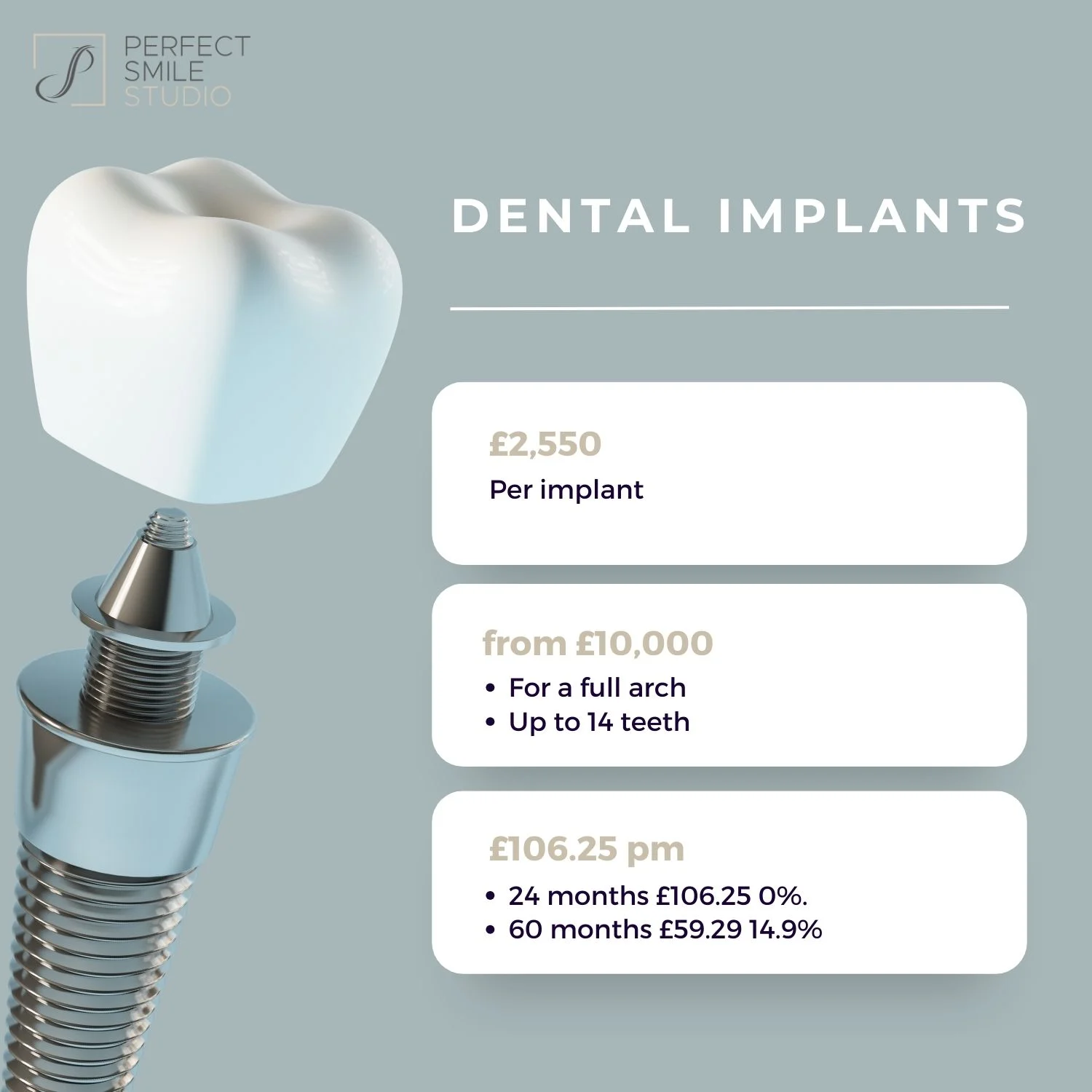
Dental implants are artificial tooth roots, typically made of titanium, that are surgically placed into the jawbone. They provide a stable foundation for replacement teeth that look, feel, and function like natural teeth. A dental implant consists of three main parts:
- The implant: A titanium screw that fuses with the jawbone.
- The abutment: A connector that attaches the implant to the crown.
- The crown: The artificial tooth that is visible above the gum line.
Common Reasons for Needing Implants
Several factors can lead to the need for dental implants:
- Tooth decay: Severe decay can damage a tooth beyond repair.
- Gum disease: Advanced gum disease can lead to tooth loss.
- Injury: Trauma to the mouth can result in missing teeth.
- Congenital conditions: Some people are born with missing teeth.
Difference Between Implants and Other Tooth Replacement Options
Dental implants offer several advantages over other tooth replacement options, such as dentures and bridges:
- Durability: Implants are a long-lasting solution that can last a lifetime with proper care. How long do dental implants last?
- Stability: Implants are securely anchored in the jawbone, providing excellent stability.
- Aesthetics: Implants look and feel like natural teeth, enhancing your smile.
- Bone health: Implants stimulate bone growth, preventing bone loss in the jaw. Bone grafting may be needed if there is significant bone loss. Bone grafting in albania can help make implants possible.
How Much Is an Implant Tooth on the NHS?
NHS dental implant cost is a common concern, and understanding the financial aspect is crucial. The cost of a tooth implant in the UK can vary significantly, but how does the NHS factor in? Let’s delve into the details of NHS dental charges and potential coverage.
Standard NHS Dental Treatment Charges
The NHS operates on a banded system for dental charges:
- Band 1: £26.80 – This covers examinations, diagnosis, and preventative care, such as scaling and polishing.
- Band 2: £73.50 – This includes everything in Band 1, plus treatments like fillings, root canal treatment, and extractions.
- Band 3: £319.10 – This covers everything in Bands 1 and 2, plus more complex procedures like crowns, dentures, and bridges.
It’s important to note that dental implants are generally not included in these standard charges.
Circumstances in Which NHS Covers Implant Costs
The NHS rarely covers the full cost of dental implants. Implants on NHS are usually only considered in specific circumstances where there is a clear medical need, such as:
- Trauma: If tooth loss is the result of a severe accident or injury.
- Cancer treatment: If tooth loss is a direct consequence of cancer treatment.
- Congenital defects: In cases of hereditary tooth absence or severe developmental anomalies.
Even in these cases, approval is subject to strict criteria and requires assessment by a consultant.
Explanation of Cost if Paid Partially/Fully
If the NHS approves dental implant treatment, you might still need to contribute to the cost. The amount you pay depends on your individual circumstances and the complexity of the treatment plan. In some cases, the NHS might cover the cost of the implant itself, while you would need to pay for the crown or other associated procedures.
Are NHS Dental Implants Free for Some Patients?
Some individuals are exempt from NHS dental charges, meaning they receive free dental treatment. These include:
- People receiving Income Support, income-based Jobseeker’s Allowance, income-related Employment and Support Allowance, or Universal Credit (meeting specific criteria).
- People entitled to or named on a valid NHS Tax Credit Exemption Certificate.
- People named on a valid HC2 certificate.
However, even if you qualify for free dental treatment, it’s unlikely that you will receive free dental implants unless your case meets the strict medical criteria outlined above. If you find NHS options limited, Albania Dental Implants provides high-quality, affordable solutions.
Who Qualifies for NHS Dental Implants?
Who qualifies for NHS dental implants? This is a crucial question for those hoping to access this treatment. NHS implants eligibility is determined by several factors, including medical need and specific criteria. Finding out who qualifies for NHS dental implants can be confusing. Are free dental implants NHS even possible?
NHS Eligibility Criteria
The NHS has strict eligibility criteria for dental implants, focusing primarily on medical necessity rather than cosmetic concerns. The general requirements include:
- Significant impact on oral function: Tooth loss must severely affect your ability to eat, speak, or maintain oral hygiene.
- Psychological impact: Tooth loss must have a substantial negative impact on your mental health and self-esteem.
- Suitability for surgery: You must be in good general health and able to undergo the surgical procedure.
Common Medical Needs Considered
Specific medical conditions that may warrant NHS-funded dental implants include:
- Ectodermal dysplasia: A genetic disorder that affects the development of teeth.
- Oligodontia: A condition characterized by the absence of six or more teeth.
- Traumatic injuries: Severe injuries resulting in significant tooth loss.
- Head and neck cancer: Tooth loss as a direct result of cancer treatment.
Application/Assessment Process
The application and assessment process for NHS dental implants typically involves the following steps:
- Initial consultation: Visit your NHS dentist for an initial examination and assessment.
- Referral: If your dentist believes you meet the criteria, they will refer you to a consultant oral surgeon or restorative dentist.
- Assessment by a consultant: The consultant will conduct a thorough evaluation to determine your eligibility.
- Treatment plan: If approved, a detailed treatment plan will be developed, outlining the procedures and costs involved.
- Approval: Final approval is subject to funding availability and the discretion of the local NHS authority.
The application process can be lengthy and complex, and approval is not guaranteed.
Dental Implants on the NHS vs. Private Treatment
Comparing private dental implant cost vs NHS options is essential for making an informed decision. Understanding the cost of tooth implant in the UK through both avenues can highlight the differences and help you choose the best option. What are the key distinctions?
Private vs. NHS Pricing Comparison
The cost of dental implants privately can vary significantly depending on several factors, such as the location of the clinic, the dentist’s experience, and the type of implant used. Generally, a single dental implant privately in the UK can cost between £2,000 and £4,000. Full mouth dental implants can cost upwards of £10,000.
As previously discussed, the NHS rarely covers the full cost of dental implants, making private treatment the more common option for most people.
Treatment Differences (e.g., Materials, Choice, Waiting Periods)
There are several key differences between NHS and private dental implant treatment:
- Materials: Private clinics often offer a wider range of implant materials, including premium options like zirconia implants.
- Choice: Private patients have more choice regarding the dentist, clinic, and treatment plan.
- Waiting periods: NHS waiting lists for specialist dental treatment can be lengthy, while private treatment is usually available more quickly.
- Technology: Private clinics are more likely to invest in advanced dental technology, such as 3D imaging and computer-guided surgery.
Why Most UK Implants Are Private
Several factors contribute to the prevalence of private dental implants in the UK:
- Limited NHS funding: The NHS has limited funding for dental implants, prioritizing treatment based on medical necessity.
- Strict eligibility criteria: The strict NHS eligibility criteria exclude many people who could benefit from dental implants.
- Patient choice: Many people prefer the greater choice, flexibility, and shorter waiting times offered by private treatment.
For those seeking high-quality yet affordable solutions, exploring options like dental tourism in Albania with Albania Dental Implants can be a viable alternative.
Alternatives and Funding for Dental Implants
If NHS dental implants are not an option, what alternatives to NHS dental implants exist? Exploring funding for dental implants UK is also crucial if you’re considering other avenues.
What Alternatives Are Available on the NHS
If you do not qualify for dental implants on the NHS or cannot afford private treatment, several alternatives are available through the NHS:
- Dentures: Removable appliances that replace missing teeth.
- Bridges: Fixed appliances that attach to adjacent teeth to fill the gap.
- Partial dentures: Removable appliances that replace some missing teeth.
While these options are less expensive than dental implants, they may not provide the same level of stability, aesthetics, or long-term durability.
Charities, Dental Schools, Payment Plans
Several charities and dental schools offer reduced-cost dental treatment. Contacting local dental schools or organizations like the British Dental Health Foundation may provide options for affordable dental care. Many private dental clinics offer payment plans to help spread the cost of dental implant treatment. These plans may involve:
- Interest-free credit: Spreading the cost over several months or years without incurring interest charges.
- Low-interest loans: Borrowing money from a finance company to cover the cost of treatment, with repayments made over a set period.
- In-house payment plans: Some clinics offer their own payment plans, allowing you to pay in installments directly to the practice.
Considering these financing options can make dental implants more accessible and affordable. Exploring options like dental tourism in Albania can provide high-quality care at a reduced cost.
Frequently Asked Questions About NHS Dental Implants
Here are some frequently asked questions (FAQ) to address your concerns about NHS dental implant cost, eligibility, private costs vs NHS, and the treatment process.
How much is an implant tooth on the NHS?
In most cases, dental implants are not readily available on the NHS. If you qualify due to medical necessity, you might still need to contribute to the cost. The cost depends on your circumstances and the treatment complexity.
Are dental implants ever free on the NHS?
Free dental implants on the NHS are extremely rare and only provided in exceptional circumstances, such as severe trauma, cancer treatment-related tooth loss, or congenital defects.
Who is eligible for NHS dental implants?
Eligibility is based on strict medical criteria, including significant impact on oral function, psychological distress due to tooth loss, and overall suitability for surgery. Specific medical conditions like ectodermal dysplasia or head and neck cancer may also qualify you.
Why are dental implants rarely available on the NHS?
Limited funding and strict eligibility criteria restrict the availability of dental implants on the NHS. The focus is on addressing medical necessities rather than cosmetic concerns.
What is the cost of dental implants privately in the UK?
The cost of dental implants privately in the UK typically ranges from £2,000 to £4,000 per implant. Full mouth dental implants can cost significantly more.
How do I apply for a dental implant on the NHS?
Start with a consultation with your NHS dentist. If they believe you meet the criteria, they will refer you to a consultant oral surgeon or restorative dentist for further assessment.
What alternatives to dental implants does the NHS offer?
The NHS offers alternatives such as dentures, bridges, and partial dentures, which are less expensive but may not provide the same level of stability or aesthetics as dental implants.
Can you get help paying for dental implants?
You can explore charities, dental schools offering reduced-cost treatment, and private dental clinics that offer payment plans, including interest-free credit or low-interest loans.
Is there a waiting list for NHS dental implants?
Yes, waiting lists for NHS dental implants can be lengthy due to high demand and limited funding. Private treatment is generally available more quickly.
Are NHS implant materials and methods different from private treatment?
Private clinics often offer a wider range of implant materials, advanced technology, and more personalized treatment plans compared to the NHS.
Considering affordable options abroad, such as Albania Dental Implants Services, might be a cost-effective solution for high-quality dental implants.
In conclusion, while accessing dental implants on the NHS is challenging due to strict eligibility criteria and limited funding, understanding your options and exploring alternatives can help you achieve a confident and functional smile. Whether through NHS provisions, private treatment, or affordable dental tourism in Albania, there are pathways to restoring your oral health and quality of life. Contact contact albania dental implants today to discuss your options.





