



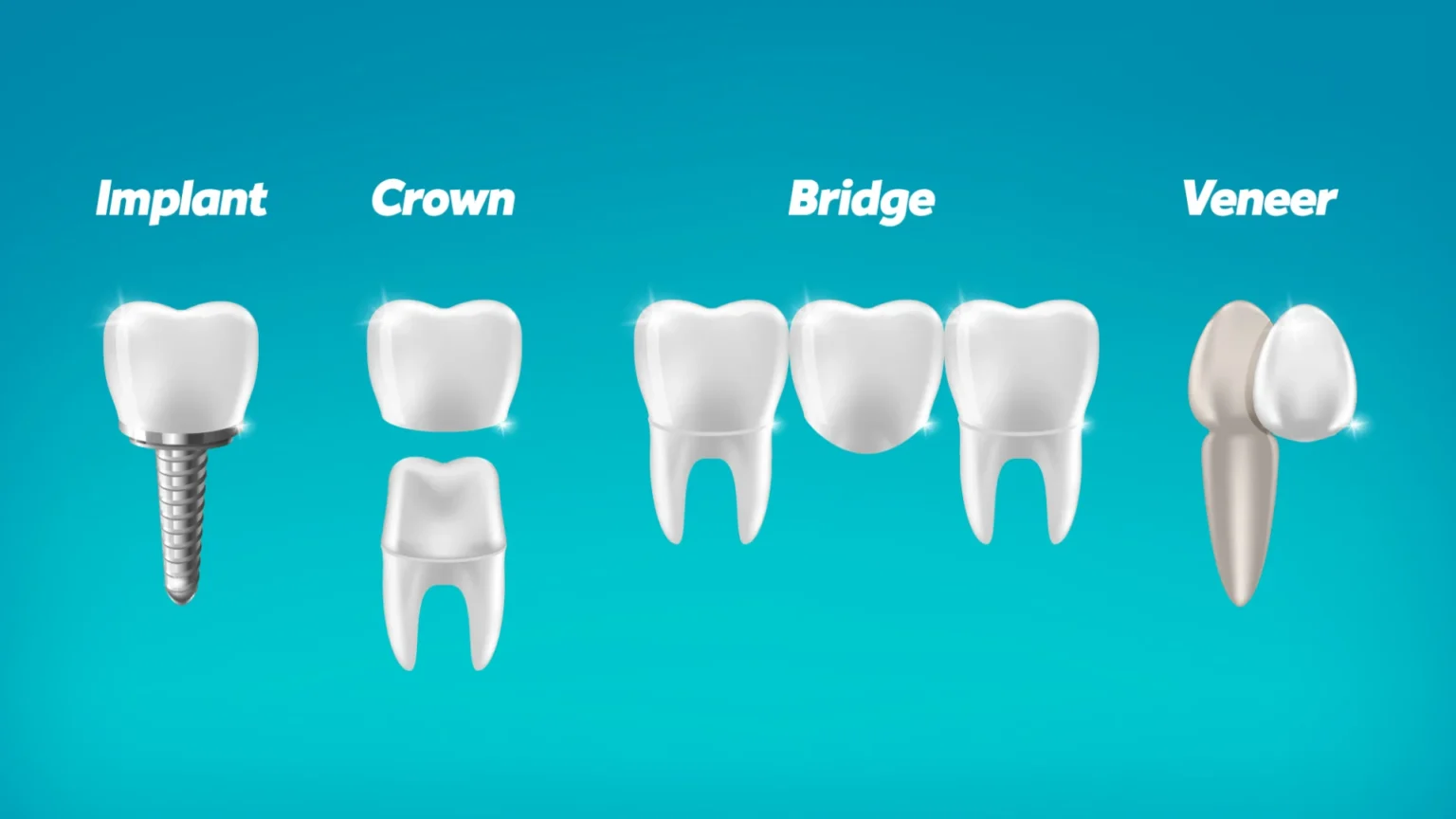

Free Dental Implants NHS: For UK residents seeking dental care, understanding the availability of dental implants through the National Health Service (NHS) is a crucial yet often confusing endeavor. This article will clarify the circumstances under which the NHS might offer dental implants, eligibility criteria, and the entire process, while also offering alternative, potentially more accessible routes, such as Albania Dental Implants, for those seeking affordable solutions.
What Are Dental Implants?
Before delving into NHS coverage, it’s vital to understand what dental implants are and why they’re such a sought-after solution for missing teeth. Let’s discuss the dental implant procedure and how it can transform your smile and oral health.
Definition and Uses of Dental Implants
Dental implants are artificial tooth roots, typically made of titanium, that are surgically implanted into the jawbone. They provide a stable foundation for replacement teeth that look, feel, and function like natural teeth. They are used to replace single teeth, multiple teeth, or even entire arches of teeth.
How They Restore Function and Appearance
Dental implants offer several advantages over traditional tooth replacement options like dentures and bridges. They:
- Restore Chewing Ability: Implants provide a strong, stable base that allows you to eat your favorite foods without difficulty.
- Enhance Appearance: Implant-supported teeth look and feel natural, improving your smile and boosting your confidence.
- Improve Speech: Unlike dentures, implants don’t slip or move, allowing you to speak clearly and confidently.
- Promote Oral Health: Implants don’t require altering adjacent teeth, preserving your natural tooth structure. They also help prevent bone loss in the jaw.
NHS Coverage for Dental Implants
The next question is, what is NHS dental implants eligibility? Understanding what the NHS covers is critical for anyone seeking affordable dental solutions in the UK. The NHS provides a range of dental services, but the availability of dental implants can be limited.
Overview of NHS Dental Services
The NHS offers a tiered system of dental charges, with most treatments falling into one of three bands:
- Band 1: Includes examinations, diagnosis, and preventative care like scaling and polishing.
- Band 2: Covers everything in Band 1, plus fillings, root canal treatment, and extractions.
- Band 3: Includes everything in Bands 1 and 2, plus crowns, dentures, and bridges.
When and Why Dental Implants May Be Offered on the NHS
Dental implants are generally not routinely offered on the NHS due to budget constraints and the high cost of the procedure. However, in certain exceptional circumstances, the NHS may fund dental implants:
- Medical Necessity: If tooth loss is the direct result of a medical condition, such as cancer treatment or a congenital defect.
- Trauma: If teeth have been lost due to a severe accident or injury.
- Significant Functional Impairment: If tooth loss severely affects your ability to eat or speak.
Even in these cases, approval is not guaranteed and depends on individual circumstances and the availability of funding within the local NHS trust.
Who Is Eligible for Free Dental Implants on the NHS?
The most pressing question for many is, who qualifies for free dental implants on the NHS? The criteria are strict, and eligibility is assessed on a case-by-case basis.
Criteria for Receiving Free Dental Implants
To be considered for free dental implants on the NHS, you typically need to meet the following criteria:
- Referral from a General Dentist: Your dentist must refer you to a specialist for assessment.
- Demonstrated Medical Need: You must prove that dental implants are essential for your health and well-being, not just for cosmetic reasons.
- Approval from the Local NHS Trust: The funding for your treatment must be approved by your local NHS trust, which considers factors such as budget availability and the severity of your case.
Medical Necessity vs Cosmetic Reasons
The NHS primarily funds treatments that are deemed medically necessary. This means that dental implants are more likely to be approved if they are required to restore function or alleviate pain rather than simply improve appearance. If your primary concern is aesthetics, you will likely need to consider private options.
Typical Patient Profiles
Some typical patient profiles who might be eligible for NHS-funded dental implants include:
- Trauma Victims: Individuals who have lost teeth due to accidents or injuries.
- Cancer Patients: Those who have lost teeth as a result of cancer treatment, such as radiation therapy.
- Patients with Congenital Conditions: People born with missing teeth or severe dental abnormalities.
However, even within these categories, approval is not automatic and depends on the specifics of each case.
NHS Dental Implant Referral and Assessment Process
So what are the steps in NHS dental referrals? The process for getting NHS dental implants involves several steps, starting with a referral from your general dentist.
How to Begin the Process for NHS Dental Implants
The first step is to schedule an appointment with your NHS dentist. Discuss your concerns and explain why you believe dental implants are necessary for your situation. If your dentist agrees, they will refer you to a specialist for further assessment.
Steps in Assessment and Referral by NHS Dentist
The assessment and referral process typically involves:
- Initial Examination: Your dentist will examine your teeth and gums to determine the extent of the problem.
- X-rays and Scans: X-rays and scans may be taken to assess the underlying bone structure and identify any potential issues.
- Referral Letter: If your dentist believes you are a suitable candidate, they will write a referral letter to a specialist, outlining your medical history and the reasons for the referral.
Required Documentation and Medical Records
To support your referral, you may need to provide:
- Medical Records: Any relevant medical records that support your claim of medical necessity.
- Photographs: Photographs of your teeth and gums to illustrate the problem.
- Personal Statement: A personal statement explaining how tooth loss has affected your life and why dental implants are essential for your well-being.
Cost and Financial Aspects
What is the real cost of dental implants on NHS? The financial aspects of dental implants on the NHS can be complex, as coverage is not always straightforward.
Differences Between NHS and Private Sector Costs
The cost of dental implants in the private sector can be significantly higher than what you might pay on the NHS. Private dental implants can range from £2,000 to £4,000 per implant, while the NHS may cover the entire cost if you meet the eligibility criteria.
What Is Covered, What Is Not, and What Patients May Pay
On the NHS, if you are approved for dental implants, the cost of the implant, surgery, and follow-up care is typically covered. However, you may still need to pay the standard NHS Band 3 charge, which covers complex dental treatments like crowns and dentures. This charge is significantly lower than the full cost of private treatment.
Alternatives for Those Not Eligible for NHS Implants
If you are not eligible for NHS-funded dental implants, there are several alternative options to consider:
- Private Dental Insurance: Some dental insurance plans cover a portion of the cost of dental implants.
- Dental Tourism: Traveling abroad for dental treatment, such as considering Albania Dental Implants Services can significantly reduce costs.
- Financing Plans: Many dental clinics offer financing plans to help you spread the cost of treatment over time.
Waiting Times and Availability
Beyond costs, consider waiting times for NHS dental implants. The waiting times for NHS dental implants can be a significant factor to consider, especially if you require urgent treatment.
Average Waiting Period for Consultation and Procedure
The average waiting period for a consultation with a specialist after a referral from your NHS dentist can range from several weeks to several months. Once you have been assessed and approved for treatment, the waiting time for the actual implant procedure can be even longer, potentially stretching to a year or more.
Regional Disparities and Factors Affecting Waiting Times
Waiting times can vary depending on several factors, including:
- Location: Waiting times tend to be longer in areas with high demand and limited resources.
- Specialist Availability: The availability of qualified implant specialists in your area can also affect waiting times.
- NHS Trust Budget: The budget allocated to dental services by your local NHS trust can impact the speed at which treatments are approved and scheduled.
Private vs NHS Dental Implants
What are the major differences between private vs NHS dental implants? Weighing the pros and cons of each option is essential for making the right choice for your needs and budget.
Comparison in Terms of Cost, Accessibility, and Quality
Here’s a comparison of NHS and private dental implants:
- Cost: NHS implants are significantly cheaper, potentially free if you meet the eligibility criteria. Private implants can be expensive, but financing options are available.
- Accessibility: NHS implants are difficult to access due to strict eligibility criteria and long waiting times. Private implants are more accessible, with shorter waiting times and more flexible appointment scheduling.
- Quality: The quality of materials and expertise is generally comparable between the NHS and private sectors. However, private clinics may offer a wider range of implant options and advanced technologies.
Pros and Cons of Going Private
Going private for dental implants offers several advantages:
- Shorter Waiting Times: You can typically schedule appointments and undergo treatment much faster than on the NHS.
- Greater Choice: You have more choice in terms of implant type, materials, and the specialist performing the procedure.
- Flexible Payment Options: Private clinics offer a range of financing plans to help you manage the cost of treatment.
However, the main disadvantage of going private is the higher cost.
Alternatives and Additional Support
If alternatives to NHS dental implants are needed, it’s important to know what other options and support systems are available in the UK.
Other Free Dental Treatments Available in the UK
If you’re not eligible for free dental implants, the NHS still provides a range of other free or low-cost dental treatments, including:
- Examinations: Free for those who qualify for free NHS treatment.
- Emergency Dental Care: Available to everyone, although charges may apply.
- Basic Treatments: Fillings, extractions, and root canal treatment are available at a reduced cost under NHS charges.
Charities, Grants, and Additional NHS Provisions
Several charities and organizations offer financial assistance for dental treatment, including:
- The Oral Health Foundation: Provides information and support for people with dental problems.
- Dentaid: Offers dental services to vulnerable people in the UK and abroad.
- Local Charities: Many local charities offer grants for dental treatment to those in need.
Additionally, if you are on certain benefits, such as income support or employment and support allowance, you may be entitled to free NHS dental treatment.
Common Exclusions and Limitations
It’s important to understand NHS dental coverage exclusions. There are several cases where the NHS will not provide dental implants.
Cases Where NHS Will Not Provide Dental Implants
The NHS typically excludes dental implants in the following situations:
- Cosmetic Reasons: If the primary reason for seeking implants is to improve appearance.
- Lack of Medical Necessity: If tooth loss does not significantly impact your health or function.
- Poor Oral Hygiene: If you have poor oral hygiene or a history of gum disease, which could compromise the success of the implants.
Options for Excluded Patients and Next Steps
If you are excluded from NHS-funded dental implants, you have several options:
- Private Treatment: Consider seeking private dental implants, exploring financing options to make the treatment more affordable.
- Alternative Treatments: Explore alternative tooth replacement options, such as dentures or bridges, which may be more affordable.
- Dental Tourism: Look into options for dental tourism in Albania with Albania Dental Implants for lower cost and high-quality alternatives.
FAQ (Frequent Questions Answered in Detail)
Here are some of the most frequently asked questions about free dental implants on the NHS, answered in detail.
Can I get dental implants for free on the NHS?
Getting dental implants for free on the NHS is possible but not guaranteed. The NHS primarily provides dental implants when there is a clear medical need, such as tooth loss due to a medical condition, trauma, or congenital defect. Cosmetic reasons are typically excluded. The process involves a referral from your NHS dentist, assessment by a specialist, and approval from your local NHS trust. Even if you meet the criteria, approval depends on budget availability.
Who qualifies for free NHS dental implants?
Eligibility for free NHS dental implants is based on strict criteria. You typically need to demonstrate that dental implants are essential for your health and well-being, not just for cosmetic reasons. Typical patient profiles include trauma victims, cancer patients, and individuals with congenital conditions. However, each case is assessed individually, and approval depends on the specifics of your situation and the availability of funding within your local NHS trust.
What is the process for being referred for NHS dental implants?
The process begins with an appointment with your NHS dentist. Discuss your concerns and explain why you believe dental implants are necessary. If your dentist agrees, they will refer you to a specialist for further assessment. This assessment may involve examinations, X-rays, and scans. You may also need to provide medical records, photographs, and a personal statement to support your referral.
How long does it take to get dental implants through the NHS?
The waiting time for NHS dental implants can be significant. After a referral from your dentist, the average waiting period for a consultation with a specialist can range from several weeks to several months. Once you have been assessed and approved for treatment, the waiting time for the actual implant procedure can be even longer, potentially stretching to a year or more. Waiting times can vary depending on location, specialist availability, and the NHS trust budget.
What are the main reasons NHS will fund dental implants?
The NHS will primarily fund dental implants when they are deemed medically necessary. This includes cases where tooth loss is the direct result of a medical condition, trauma, or congenital defect. If dental implants are required to restore function or alleviate pain rather than simply improve appearance, they are more likely to be approved.
What is the difference between NHS and private dental implants?
The main differences between NHS and private dental implants are cost, accessibility, and choice. NHS implants are significantly cheaper, potentially free if you meet the eligibility criteria. However, they are difficult to access due to strict eligibility criteria and long waiting times. Private implants are more accessible, with shorter waiting times and greater choice in terms of implant type and materials. However, they are also more expensive.
If I am not eligible, what are my options for dental implants?
If you are not eligible for NHS dental implants, there are several alternative options to consider. These include private dental insurance, financing plans, and exploring options for dental tourism in Albania with Albania Dental Implants, which can significantly reduce costs while maintaining high-quality care.
Are there any grants or charities offering free dental implants?
While completely free dental implants are rare, several charities and organizations offer financial assistance for dental treatment. These include The Oral Health Foundation, Dentaid, and local charities. Additionally, if you are on certain benefits, such as income support or employment and support allowance, you may be entitled to free NHS dental treatment.
Will NHS cover dental implants for cosmetic reasons?
The NHS generally does not cover dental implants for cosmetic reasons. The primary focus of the NHS is to provide treatments that are deemed medically necessary to restore function or alleviate pain. If your primary concern is aesthetics, you will likely need to consider private options.
What paperwork or medical documentation is needed for NHS referral?
To support your NHS referral for dental implants, you may need to provide medical records, photographs of your teeth and gums, and a personal statement explaining how tooth loss has affected your life and why dental implants are essential for your well-being. The more evidence you can provide to support your claim of medical necessity, the better your chances of approval.
Conclusion
While securing free dental implants NHS funding can be challenging, understanding the eligibility criteria, referral process, and alternative options is crucial. If NHS coverage isn’t accessible, explore dental tourism in Albania with Albania Dental Implants for affordable, high-quality dental care. We offer a range of services designed to restore your smile and confidence. Contact us today to learn more and schedule a consultation.





