



What Are Tooth Implants?
Let’s explore what dental implants are, their uses, and how they differ between private and NHS offerings (dental implant UK, NHS dental implants, single tooth implant, what is a dental implant).
Defining Tooth Implants and Their Uses
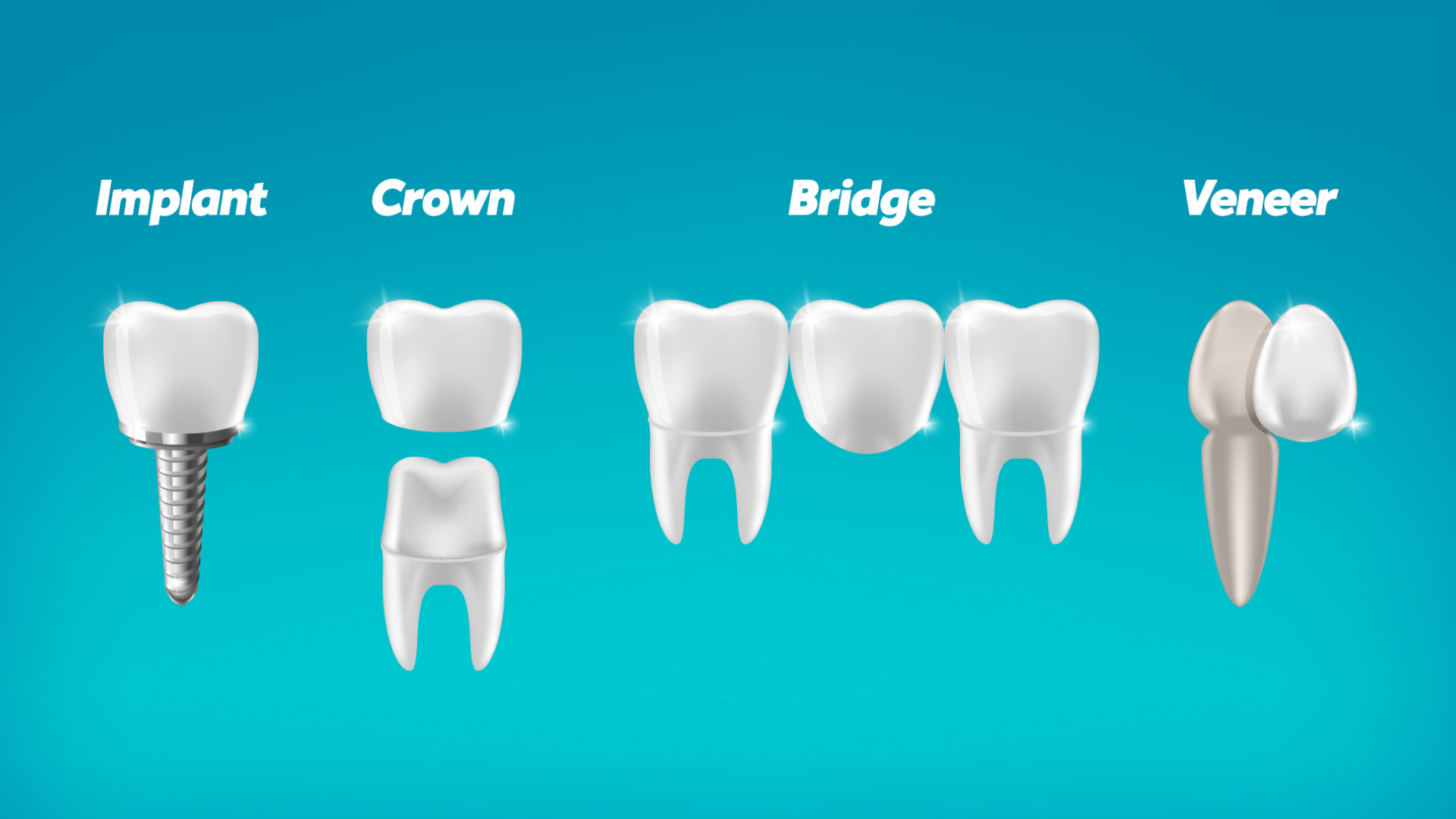
A dental implant is a surgical component, usually made of titanium, that is placed into the jawbone to support a replacement tooth or teeth. They are a long-term solution for missing teeth, providing stability, functionality, and aesthetics similar to natural teeth. Unlike dentures or bridges, implants are anchored directly into the bone, preventing bone loss and maintaining facial structure. They can be used to replace a single tooth, multiple teeth, or even support a full set of dentures.
Private vs. NHS Offerings
While the functionality of the dental implant remains the same, the key difference between private and NHS dental implants lies in the treatment options, materials used, and the overall patient experience. Private clinics often offer a wider range of implant systems, advanced technologies, and cosmetic options to achieve a more natural-looking result. For example, at Albania Dental Implants, we offer various implant options including all on 4 dental implants in albania and all on 6 dental implants in albania. The NHS, on the other hand, typically provides implants only in specific cases of medical necessity, often with more limited material choices.
Are Tooth Implants Available on the NHS?
The availability of tooth implants on the NHS is limited, primarily due to funding constraints and strict eligibility criteria (NHS dental treatment, NHS eligibility, NHS implant criteria, NHS vs private cost).
NHS Policy for Implants
The NHS primarily provides dental treatment that is deemed “necessary” for maintaining oral health. This means that cosmetic procedures, including implants for purely aesthetic reasons, are generally not covered. Implants are typically considered when there is a significant medical need, such as:
- Trauma: Cases where teeth have been lost due to accidental injury.
- Congenital defects: Situations where teeth are missing from birth.
- Following cancer treatment: Reconstruction after surgery for oral cancer.
Even in these cases, approval is not guaranteed and is subject to the availability of funding and the specific policies of the local NHS trust.
Cases When NHS Covers the Cost
Can NHS pay for my dental implants? In specific circumstances, the NHS might cover the cost of dental implants:
- Severe trauma resulting in tooth loss.
- Treatment for head and neck cancer requiring reconstruction.
- Certain inherited conditions affecting tooth development.
It’s important to note that even if you meet these criteria, you’ll need a referral from your general dentist and a thorough assessment by an NHS consultant to determine your eligibility. Waiting times for NHS implant treatment can also be significant.
Tooth Implant Cost UK NHS vs Private
The cost of tooth implants varies significantly between the NHS and private sectors (dental implant price UK, private dental implant UK, cost comparison, NHS band charges, average UK implant cost).
Comparing NHS and Private Sector Pricing
What is the price difference between NHS and private tooth implants? The NHS operates on a banding system for dental charges. However, because implants are rarely offered, direct cost comparisons are difficult. In the private sector, the dental implant price UK can vary widely, depending on factors like:
- The location of the clinic (London prices tend to be higher).
- The type of implant used (titanium vs. zirconia, for example).
- The complexity of the case (bone grafting needs increase costs).
- The dentist’s experience and qualifications.
NHS Dental Bands and Typical Fees
How much does a single tooth implant cost on the NHS? When implants are available, the NHS charges are based on a banding system. As of 2024, these are the general bands:
- Band 1 (emergency treatment): £26.80
- Band 2 (fillings, extractions): £73.50
- Band 3 (crowns, dentures, implants- if approved): £319.10
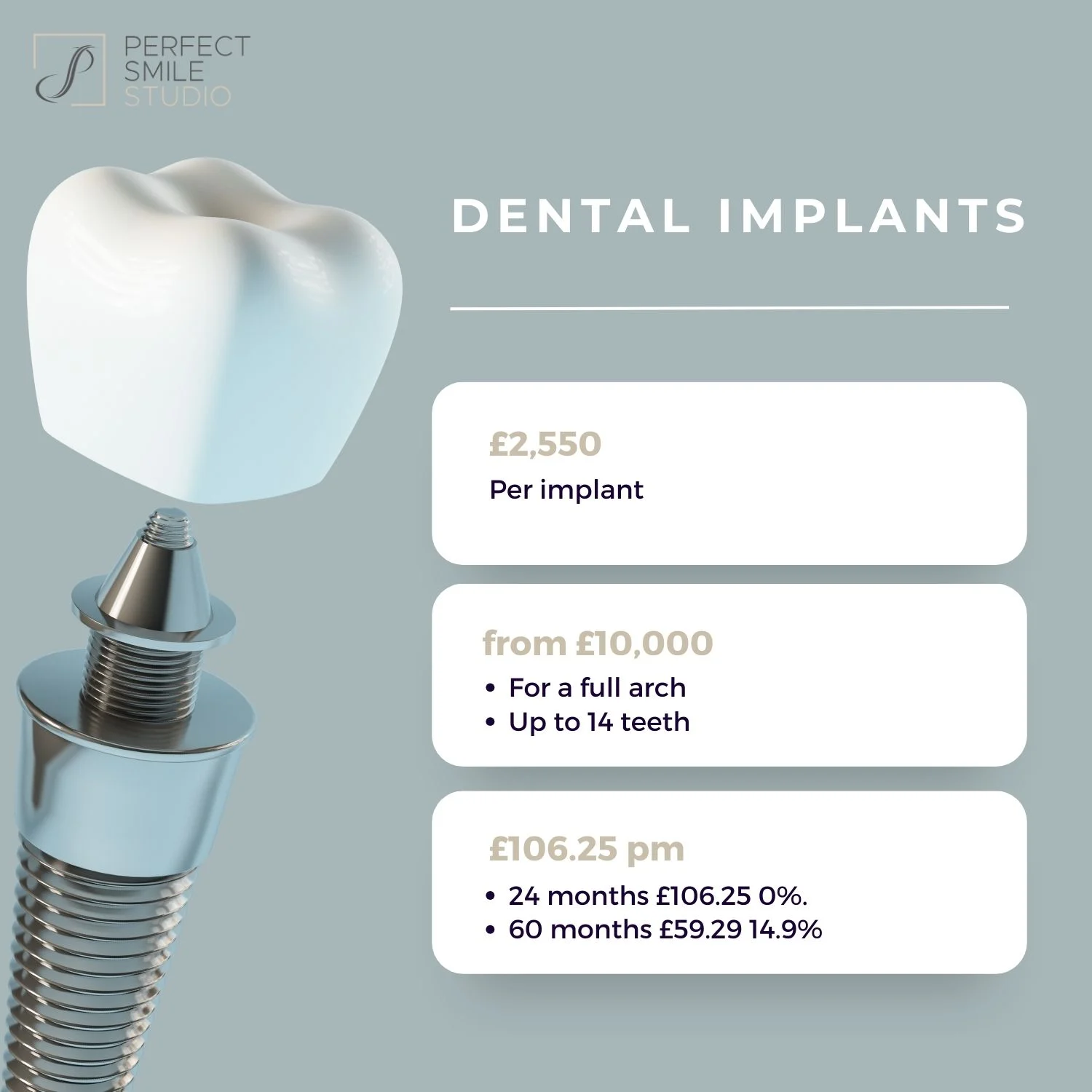
However, this only covers a portion of the actual cost, with the NHS subsidizing the remainder. As said, implants are extremely rare. The private dental implant price UK typically ranges from £2,000 to £4,000 per implant, often excluding additional costs like consultations, X-rays, and aftercare.
Example Price Ranges
Here’s a general idea of the cost differences:
- NHS (if eligible): £319.10 (Band 3 charge, limited availability)
- Private (single implant): £2,000 – £4,000+
- Private (full mouth implants): £10,000 – £30,000+
Due to the high costs in the UK, many are now opting for dental tourism in albania, where the cost of dental work is significantly lower.
What Is Included in NHS Tooth Implant Treatment?
The scope of treatment included in NHS tooth implant procedures is more restricted than what is available in the private sector (NHS dental implant procedure, implant surgery steps, aftercare NHS, NHS coverage details, full mouth implants NHS).
Breaking Down the Process: Consultation, Surgery, Aftercare
What is included in NHS tooth implant treatment? The typical process for an NHS dental implant procedure, if approved, includes:
- Initial consultation: Assessment of your oral health and suitability for implants.
- Pre-implant treatment: This might involve extractions or other necessary procedures.
- Implant surgery: Placement of the titanium implant into the jawbone.
- Osseointegration period: Allowing the bone to fuse with the implant (typically 3-6 months).
- Abutment placement: Attaching a connector to the implant.
- Crown fitting: Securing the artificial tooth to the abutment.
- Basic aftercare advice.
Clarifying What NHS Does and Does Not Include
While the NHS covers the essential steps of the implant process, there are limitations:
- Material choices: You may have limited options for the type of implant or crown used.
- Cosmetic enhancements: The NHS focuses on functionality, so aesthetic considerations may be minimal.
- Extensive aftercare: Detailed or specialized aftercare may not be included.
- Full mouth implants NHS: replacing a full arch of teeth is extremely unlikely to be covered.
By contrast, private dental clinics like Albania Dental Implants, offer comprehensive packages with a focus on patient comfort, customized treatment plans, and advanced materials for a more natural and lasting result.
How to Apply for Tooth Implants via NHS
Accessing NHS tooth implants requires navigating a specific pathway, which can be lengthy and uncertain (NHS dental referral, NHS implant waiting time, NHS eligibility check, how to get NHS dental implants).
Outlining the Pathway: GP or Dentist Referral, Assessment
The process of applying for how to get NHS dental implants generally involves these steps:
- Initial consultation with your general dentist: Discuss your concerns and explore potential solutions.
- Referral to an NHS consultant: If your dentist believes you meet the criteria for implants, they will refer you to a specialist within the NHS.
- Assessment by the consultant: This involves a thorough examination, X-rays, and a review of your medical history to determine your eligibility.
- Approval and placement on the waiting list: If approved, you will be placed on a waiting list for treatment.
Discussing Typical Waiting Times and Availability
How long is the waiting time for a tooth implant on the NHS? Waiting times for NHS tooth implants can vary significantly depending on the region, the availability of specialists, and the funding allocated to implant dentistry. In some cases, patients may wait several months or even years for treatment. Availability is also a major factor, as not all NHS dental practices offer implant services. This limited access is a key reason why many individuals consider private options or explore dental tourism for faster and more accessible treatment.
Alternatives to NHS Tooth Implants
If NHS tooth implants are not an option, there are several alternative solutions to consider, both within the NHS and privately (affordable dental implants UK, dental bridges NHS, dentures NHS, private finance dental implants).
Other Solutions Offered by NHS, Plus Private Alternatives
The NHS provides several alternatives to implants for replacing missing teeth:
- Dental Bridges: These involve anchoring a false tooth to adjacent natural teeth.
- Dentures: Removable appliances that can replace a full or partial set of teeth.
Privately, you have more options, including:
- Mini Implants: Smaller implants used to stabilize dentures.
- Implant-Supported Bridges: Bridges anchored to implants for added stability.
- Traveling abroad for dental work
Discussing Low-Cost Options and Payment Plans
If cost is a major concern, explore the following:
- Affordable dental implants UK: Some private clinics offer budget-friendly implant options.
- Private finance dental implants: Many private practices offer payment plans to spread the cost over time. At Albania Dental Implants, we understand financial constraints and offer flexible payment options to make implants more accessible.
- Dental tourism: Consider travelling abroad, where implant costs are significantly lower. Albania Dental Implants offers comprehensive dental tourism packages, combining high-quality treatment with affordable prices.
Pros, Cons, and Considerations
Weighing the advantages and disadvantages of NHS tooth implant treatment is crucial for making an informed decision (pros and cons NHS implants, risks dental implants, long-term cost, NHS funding limits, implant success rates).
Weighing Up Advantages/Disadvantages of NHS Treatment
What are the pros and cons of NHS implants? NHS treatment offers the advantage of lower upfront costs, as the NHS subsidizes a significant portion of the treatment. However, there are drawbacks:
- Limited availability: Not everyone is eligible, and waiting lists can be long.
- Restricted choices: Material options and cosmetic enhancements may be limited.
- Funding limits: The NHS faces budget constraints, which can affect the quality and scope of treatment.
Noting Risks, Maintenance, and Follow-Up Costs
Regardless of whether you choose NHS or private treatment, it’s important to be aware of the general risks dental implants involve, such as infection, nerve damage, and implant failure. Long-term maintenance is also crucial, including regular dental check-ups and proper oral hygiene. While NHS aftercare is typically included, private clinics may offer more comprehensive follow-up services. Consider the long-term cost implications, including potential maintenance and replacement needs, when making your decision.
FAQs About Tooth Implant Cost UK NHS
Is a tooth implant available on the NHS for cosmetic reasons?
No, the NHS generally does not provide tooth implants for purely cosmetic reasons. Implants are typically considered only when there is a significant medical need, such as tooth loss due to trauma, congenital defects, or following cancer treatment. The focus is on restoring essential function rather than enhancing aesthetics.
Are there any free dental implant options in the UK?
Are there any free dental implant options in the UK? Completely free dental implants are rare, but certain avenues may provide some level of assistance:
- NHS: Under very specific circumstances (severe trauma, cancer reconstruction).
- Dental schools: Treatment at a reduced cost, performed by students under supervision.
- Charitable organizations: Some charities may offer grants or assistance for dental treatment.
It’s important to research these options thoroughly and understand the eligibility requirements.
What are the eligibility requirements for NHS dental implants?
The eligibility requirements for NHS dental implants are stringent and typically involve:
- Medical necessity: A clear medical reason for needing implants, such as trauma or congenital defects.
- Good oral health: You must have good overall oral hygiene and be committed to maintaining it.
- Suitability for surgery: You must be medically fit to undergo implant surgery.
- Referral: A referral from your general dentist to an NHS consultant is required.
Are aftercare and follow-up included in NHS dental implant costs?
Are aftercare and follow-up included in NHS dental implant costs? The NHS typically includes basic aftercare and follow-up appointments as part of the implant treatment. However, more extensive or specialized aftercare may not be covered. Private clinics, like oral surgery in albania, often offer more comprehensive aftercare packages.
Can I get full mouth implants on the NHS?
Can I get full mouth implants on the NHS? It is highly unlikely that you would get full mouth implants on the NHS. This is because of the high cost, funding limits, and the NHS’s emphasis on treating medical necessity rather than comprehensive restoration.
What happens if I’m denied NHS dental implants?
If you are denied NHS dental implants, you have several options:
- Appeal the decision: You can appeal the decision through the NHS complaints process.
- Seek private treatment: Explore private dental clinics and financing options.
- Consider dental tourism: Look into getting implants abroad where costs are lower.
- Explore alternatives: Discuss alternative tooth replacement options, like bridges or dentures, with your dentist.
Are dental implant consultations free on the NHS?
Are dental implant consultations free on the NHS? Initial consultations with your general dentist are typically subject to standard NHS charges (Band 1). However, consultations with an NHS consultant to assess your eligibility for implants may be covered, depending on local policies. It’s best to confirm this with your dentist or the consultant’s office beforehand.
While the tooth implant cost UK NHS is a factor, remember to weigh all options. To learn more about how Albania Dental Implants can help you achieve your best smile, contact us today.