



NHS Teeth Implants – Options, Costs, and What to Expect
NHS teeth implants are a specialised dental service that many UK residents inquire about when exploring solutions for missing teeth. This article provides a comprehensive guide to understanding NHS teeth implants, including who is eligible, the associated costs, potential waiting times, available alternatives, and what to expect throughout the process. This information will help you navigate the complexities of the NHS system and explore other options, such as high-quality, affordable Albania Dental Implants, to restore your smile.
What Are NHS Teeth Implants?
Let’s explore dental implants NHS and what they entail.
Defining Dental Implants and How They Differ
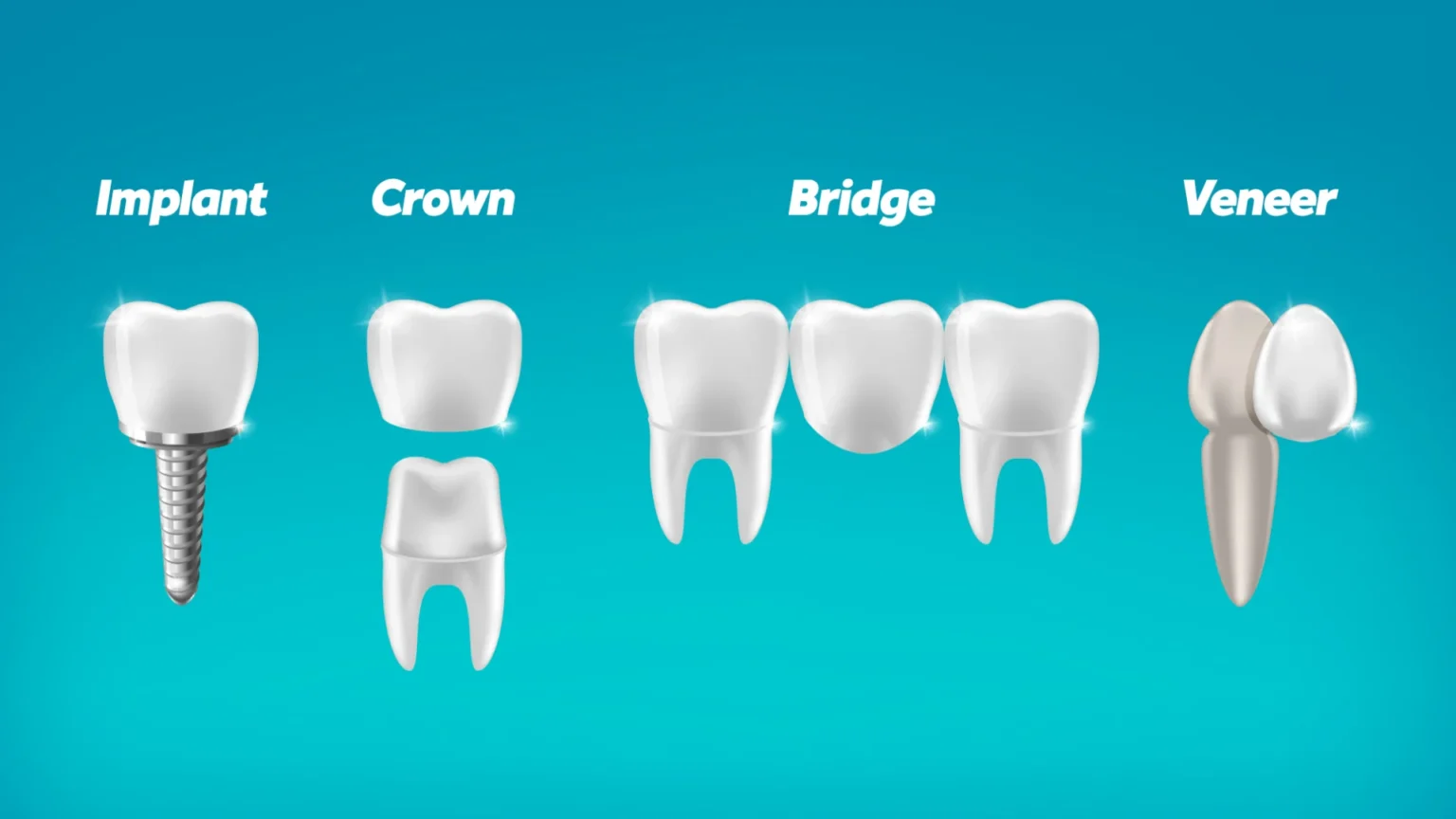
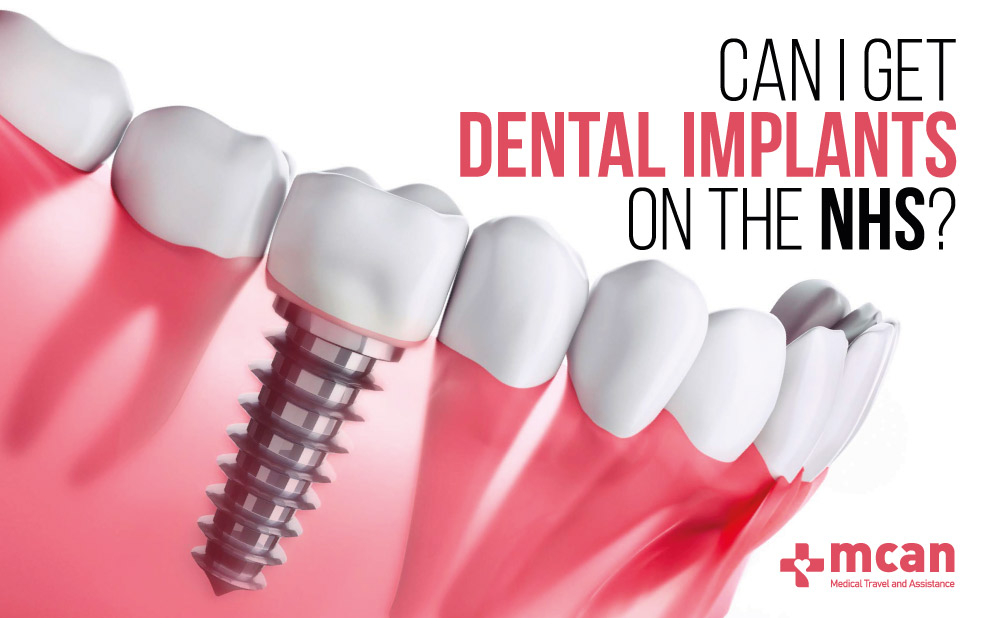
Dental implants are artificial tooth roots, typically made of titanium, surgically placed into the jawbone to support a replacement tooth or bridge. Unlike dentures or bridges, implants offer a permanent and stable solution that mimics the look and function of natural teeth. Implants fuse with the jawbone through a process called osseointegration, providing a strong foundation for the replacement tooth. This stability ensures that the replacement teeth function like your natural teeth, allowing you to eat, speak, and smile with confidence.
While traditional dentures and bridges are also options for dental restoration NHS, they have limitations. Dentures can be uncomfortable, may slip or move when speaking or eating, and require regular adjustments. Bridges require altering adjacent healthy teeth, which can weaken them over time. Implants, on the other hand, do not affect neighboring teeth and provide long-term support and stability.
Treatments Available on the NHS
The NHS primarily focuses on providing essential dental treatments to maintain oral health. While the NHS does offer a range of dental services, NHS dental coverage for implants is limited to specific circumstances. Generally, implants are considered a cosmetic procedure and are not routinely available on the NHS. However, exceptions may be made in cases where there is a clear medical need.
These circumstances might include:
- Significant trauma to the mouth that has resulted in tooth loss.
- Congenital conditions that have resulted in missing teeth.
- The need to support facial prosthetics after cancer surgery.
In these situations, implants may be offered as part of a broader treatment plan. However, the availability of NHS-funded implants can vary depending on the region and the specific circumstances of the case.
Who Is Eligible for NHS Teeth Implants?
Determining NHS dental implant eligibility is a critical first step.
NHS Criteria for Dental Implant Eligibility
To be considered for NHS teeth implants, patients must meet stringent criteria.
These include:
- Having a clear medical or functional need for implants, rather than purely cosmetic reasons.
- Demonstrating a commitment to maintaining good oral hygiene.
- Being in good general health, as certain medical conditions can affect the success of implant treatment.
- Having sufficient bone density in the jaw to support the implants.
The NHS prioritizes cases where implants are essential for restoring basic functions, such as eating and speaking, or where tooth loss has a significant impact on a patient’s psychological well-being.
Medical and Functional Need vs. Cosmetic Reasons
The NHS primarily provides dental implants when there is a demonstrable medical or functional need. Cosmetic reasons alone are not typically sufficient to qualify for NHS funding. The distinction lies in the impact of tooth loss on a patient’s overall health and well-being. If missing teeth significantly impair the ability to eat properly, affect speech, or cause substantial psychological distress, the NHS may consider implant treatment. However, if the primary concern is purely aesthetic, alternative options such as dentures or bridges may be recommended.
The NHS Dentist Referral Process for Implants
If you believe you meet the NHS criteria for dental implant eligibility, the first step is to consult your general dentist. Your dentist will assess your oral health and determine whether a referral for implants is appropriate. The NHS dentist referral implants process typically involves:
- A comprehensive oral examination and review of your medical history.
- X-rays or scans to assess bone density and identify any underlying issues.
- A discussion of your treatment options, including the pros and cons of implants compared to alternatives.
- A referral to a specialist implant clinic or hospital if your dentist deems you a suitable candidate.
It’s important to note that a referral does not guarantee that you will receive NHS-funded implants. The specialist clinic will conduct its own assessment to determine your eligibility and the suitability of implant treatment.
Special Circumstances: Trauma, Cancer Survivors, Congenital Conditions
In certain special circumstances, the NHS may be more likely to consider funding for dental implants. These include cases where tooth loss is the result of:
- Significant trauma to the mouth, such as from an accident or injury.
- Cancer treatment, such as surgery or radiation therapy, that has resulted in tooth loss or damage.
- Congenital conditions, such as ectodermal dysplasia, that have caused missing teeth from birth.
In these situations, the NHS recognizes the profound impact of tooth loss on a patient’s quality of life and may be more willing to provide implant treatment as part of a comprehensive rehabilitation plan. However, each case is assessed individually, and funding is not guaranteed. If you don’t qualify for NHS assistance, you might consider more affordable solutions, including dental tourism in Albania.
Costs and Waiting Times for NHS Teeth Implants
Understanding NHS dental implant costs is crucial for budgeting and planning.
How Much May NHS Implants Cost? (Explanation of Bands and Actual Patient Expectations)
NHS dental charges are structured into different bands, each covering specific types of treatment. As dental implants are considered a more complex and specialized procedure, they usually fall under Band 3. As of 2024, the Band 3 charge is £319.10 in England. This covers all treatment included in the band.
It’s important to note that dental implant band charges NHS only cover the cost of the NHS dental treatment itself. It does not include any additional expenses. However, NHS implants are rarely approved.
Here’s a breakdown of what you might expect to pay depending on the circumstances:
- Band 1 (£26.80): Examinations, diagnosis (including X-rays), advice, and preventative care, such as scaling and polishing.
- Band 2 (£73.50): Everything covered in Band 1, plus fillings, root canal treatment, and extractions.
- Band 3 (£319.10): Everything covered in Bands 1 and 2, plus more complex procedures such as crowns, dentures, and bridges.
Are Dental Implants Free on the NHS?
The question, “Are dental implants free on the NHS?” is a common one, and the answer is complex. In most cases, dental implants are not available for free on the NHS. NHS dental care is subsidised. Certain individuals are exempt from paying NHS dental charges. Those who qualify for free NHS dental treatment often include:
- People receiving Income Support, income-based Jobseeker’s Allowance, income-related Employment and Support Allowance, or Pension Credit Guarantee Credit.
- People named on a valid HC2 certificate.
- People entitled to or named on a valid NHS Tax Credit Exemption Certificate.
What Are Typical Waiting Times for Assessment and Treatment?
If you are referred for NHS teeth implants, you may encounter significant waiting times for assessment and treatment. The NHS dental implant waiting times can vary depending on several factors, including the availability of specialist clinics in your area, the complexity of your case, and the demand for implant treatment.
Waiting times for an initial assessment can range from several weeks to several months. If you are approved for implant treatment, the waiting time for the procedure itself can be even longer, potentially extending to a year or more. It’s essential to be prepared for these potential delays and to discuss them with your dentist or specialist clinic. If the waiting times on the NHS are too long, remember that more immediate options are available at our dental clinic in Albania.
The NHS Teeth Implant Procedure
Understanding the NHS teeth implant process can help alleviate anxiety.
Referral and Assessment Process
The journey towards receiving NHS teeth implants begins with a referral from your general dentist. If you meet the initial eligibility criteria, your dentist will refer you to a specialist implant clinic or hospital for a comprehensive assessment. This assessment typically involves:
- A detailed review of your medical and dental history.
- A thorough oral examination to assess the health of your gums and remaining teeth.
- X-rays or scans to evaluate bone density and identify any anatomical challenges.
- A discussion of your treatment goals and expectations.
The specialist clinic will use this information to determine whether you are a suitable candidate for implant treatment and to develop a personalized treatment plan.
Step-by-Step Overview: Consultation, Surgery, Recovery, Fitting the Crown
If you are approved for NHS implant treatment, the procedure typically involves several stages:
- Consultation and Planning: Your dentist thoroughly assesses your oral health and develops a customized treatment plan.
- Implant Placement: The implant is surgically placed into your jawbone. This may require one or more appointments depending on the complexity of your case.
- Osseointegration: The implant fuses with your jawbone over a period of several months. This process, called osseointegration, provides a stable foundation for the replacement tooth.
- Abutment Placement: Once osseointegration is complete, an abutment (a small connector post) is attached to the implant.
- Crown Fitting: A custom-made crown, designed to match the color and shape of your natural teeth, is attached to the abutment.
Risks and Aftercare
Like any surgical procedure, dental implant surgery carries some risks. These can include infection, bleeding, nerve damage, and implant failure. However, these complications are relatively rare, and the success rate of dental implants is generally high. Proper aftercare is essential for minimizing risks and ensuring the long-term success of your implant. This typically involves:
- Following your dentist’s instructions for oral hygiene, including regular brushing, flossing, and rinsing with an antiseptic mouthwash.
- Avoiding hard or sticky foods that could damage the implant or surrounding teeth.
- Attending regular check-up appointments with your dentist to monitor the health of your implant and overall oral health.
By following these guidelines, you can help ensure that your NHS teeth implant provides a long-lasting and functional solution for missing teeth.
Alternatives to NHS Teeth Implants
Exploring alternative options to NHS teeth implants is essential if NHS funding is unavailable.
When NHS Implants Are Not Available, What Options Remain?
If you do not qualify for NHS teeth implants or are unwilling to wait for NHS treatment, several alternative options are available. These include:
- Dentures: Removable appliances that replace missing teeth. Dentures can be a cost-effective option, but they may not provide the same level of stability and comfort as implants.
- Bridges: Fixed appliances that attach to adjacent teeth to fill the gap left by a missing tooth. Bridges can be a good option for some patients, but they require altering healthy teeth, which can weaken them over time.
- Dental Tourism: Traveling abroad for dental treatment can be a more affordable option. Albania Dental Implants offers high-quality dental implant services at competitive prices.
Your dentist can help you weigh the pros and cons of each option and determine the best solution for your individual needs and budget.
Dentures and Bridges on the NHS
The NHS provides dentures and bridges as standard treatment options for missing teeth. These appliances are available under Bands 2 and 3 of NHS dental charges, making them more affordable than implants for many patients. Dentures and bridges can restore your smile and improve your ability to eat and speak, but they have limitations.
NHS dental bridges may require altering adjacent teeth. While dentures are removable, they may feel less stable than implants.
Advantages and Disadvantages: Private vs. NHS Dental Implants
When considering private vs NHS dental implants, it’s essential to weigh the advantages and disadvantages of each option. Private dental implants offer several benefits, including:
- Shorter waiting times.
- A wider choice of implant systems and materials.
- More personalized treatment plans.
- Access to experienced implant specialists.
However, private implants are significantly more expensive than NHS treatment. NHS implants are a more affordable option for eligible patients.
Cost Comparison and Payment Options
The cost of dental implants in Albania with Albania Dental Implants is notably lower than in the UK. The cost of a single dental implant in the UK typically ranges from £2,500 to £4,000 or higher, depending on the complexity of the case and the location of the clinic. In contrast, the cost of a single dental implant in Albania can be significantly lower, often ranging from £700 to £1,500. This cost typically includes the implant itself, the abutment, and the crown. In addition to the cost savings, Albania Dental Implants offers flexible payment options to make treatment more accessible, including financing plans and installment payments.
Frequently Asked Questions (FAQ)
Here are some common questions about NHS teeth implants.
Can anyone get NHS teeth implants?
No, anyone cannot get NHS teeth implants. NHS funding for dental implants is limited to patients with a clear medical or functional need, rather than purely cosmetic reasons.
How long is the wait for NHS dental implants?
The wait for how long is the wait for NHS dental implants can vary depending on the availability of specialist clinics in your area, the complexity of your case, and the demand for implant treatment. Waiting times can range from several weeks to over a year.
Are NHS dental implants as good as private implants?
Are NHS dental implants as good as private implants? NHS implants are typically performed to a high standard, but private implants may offer access to a wider range of materials and techniques.
Will I need to pay for my NHS teeth implants?
The answer to the question will I need to pay for my NHS teeth implants? depends on whether you are exempt from NHS dental charges. If you are not exempt, you will need to pay the relevant band charge for the treatment.
What if I am denied dental implants on the NHS?
What if I am denied dental implants on the NHS? If your application for NHS implants is denied, you can explore alternative options, such as private dental implants, dentures, or bridges. Additionally, you may want to consider dental tourism to Albania Dental Implants, where costs are significantly lower.
Are there regional differences in NHS dental implant access?
Yes, there are are there regional differences in NHS dental implant access? The availability of NHS-funded implants can vary depending on the region and the local commissioning policies of NHS trusts.
Can I switch from NHS to private for part of my treatment?
The question can I switch from NHS to private for part of my treatment? comes up frequently. It may be possible to combine NHS and private treatment, but you will need to discuss this with your dentist and specialist clinic to ensure that it is feasible and appropriate for your case.
Conclusion
While NHS teeth implants can be a viable option for some UK residents, eligibility is strict, and waiting times can be long. For those seeking more immediate or affordable solutions, private dental implants, dentures, or bridges may be more suitable. Exploring options such as Albania Dental Implants can provide access to high-quality, affordable dental care. Don’t let missing teeth affect your confidence and quality of life. Contact Albania Dental Implants today to schedule a consultation and discover how we can help you restore your smile!





